Understanding the Environmental Impact of Conventional Cotton Bedding
Every time you wash your cotton sheets, they shed microfibers that pollute oceans and soil, especially as chemical treatments weaken fibers over time. Conventional cotton uses vast water supplies-thousands of liters per set-straining already limited resources. Pesticides and synthetic fertilizers harm ecosystems, degrading soil and contaminating water. The full footprint also includes air pollution and carbon emissions from long supply chains. You might be surprised what alternatives can offer.
Notable Insights
- Conventional cotton bedding sheds microfibers during washing, contributing to plastic pollution in oceans and soil.
- Growing cotton for bedding consumes excessive water, often using inefficient irrigation that worsens drought and depletes freshwater.
- Heavy pesticide use in cotton farming contaminates waterways, harms aquatic life, and damages surrounding ecosystems.
- Cotton production emits significant carbon emissions from machinery, fertilizers, and long supply chains, worsening climate change.
- Repeated cotton farming degrades soil through compaction and erosion, while chemical processing pollutes water with toxic runoff.
Why Conventional Cotton Sheets Harm the Planet
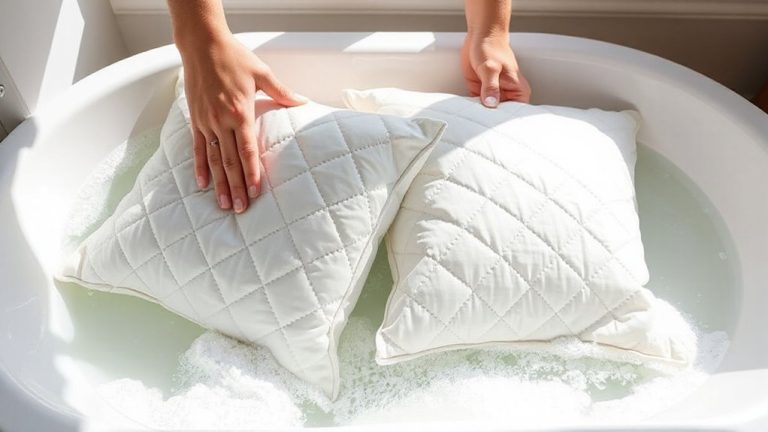
While cotton might seem like a natural choice for bedding, conventional cotton sheets often come with environmental costs that are hard to ignore. You probably don’t realize it, but every time you wash them, they shed tiny fibers-contributing to microfiber pollution that ends up in oceans and soil. Unlike organic or recycled fabrics, conventional cotton textiles are often treated with chemicals that weaken fibers over time, increasing shedding. These sheets also add to textile waste since they wear out faster and are rarely recycled. Most end up in landfills, where they take years to decompose. If you’re choosing bedding for long-term comfort and environmental care, consider how fabric construction affects durability and ecological impact. Some brands now offer trials and recyclable options, helping you test performance while reducing waste. It’s a small shift that supports better sleep-and a healthier planet.
How Cotton Bedding Devours Water Resources
You might not think about it when you’re choosing sheets, but the way cotton is grown has a massive impact on the world’s water supply. Conventional cotton farming uses huge amounts of water, often in regions already facing water scarcity. Much of this demand comes from irrigation inefficiency-flood systems that waste water instead of targeting roots. It can take over 2,700 liters to produce just one cotton shirt, and bedding requires far more. This strain worsens drought conditions and depletes essential freshwater sources. When you pick cotton bedding, you’re indirectly supporting systems that stress local water supplies. More efficient fibers like organic cotton or TENCEL™ use less water and better methods. Some brands now disclose water use and offer closed-loop production. Checking labels or warranty details can reveal how sustainable a product really is. Choosing wisely helps ease the pressure on ecosystems and supports smarter resource use long-term.
Pesticide Overuse in Cotton Farming and Its Consequences
Because conventional cotton farming relies heavily on chemicals to protect crops, pesticide overuse has become a serious issue, affecting both the environment and human health. You’re likely unaware, but those chemicals seep into nearby water sources through chemical runoff, polluting rivers and aqu见识. This runoff harms aquatic life and can impact communities relying on those waters. Furthermore, the heavy use of pesticides disrupts ecosystems, contributing to biodiversity loss by killing beneficial insects and soil organisms. When you choose bedding made from conventionally grown cotton, you’re indirectly supporting these practices. While such bedding may feel soft and seem affordable, consider how the farming behind it affects long-term environmental balance. Opting for organic cotton alternatives reduces exposure to these chemicals and supports farming methods that prioritize ecosystem health. Checking labels and certifications helps you make informed choices that align with both comfort and environmental care.
How Cotton Production Fuels Climate and Air Pollution
Cotton farming doesn’t just affect water and soil-it also plays a role in climate and air pollution. When you choose cotton bedding, you’re indirectly supporting a system that generates high carbon emissions through machinery use, synthetic fertilizers, and long supply chains. These carbon emissions contribute to global warming, affecting climate patterns over time. Plus, pesticides and chemical treatments release volatile organic compounds, increasing air toxicity. Breathing in polluted air near cotton farms can affect respiratory health, which may disrupt sleep quality for nearby communities. While you might not feel the impact directly, the environmental toll influences broader conditions, including the air you breathe at night. Opting for bedding made from low-impact, certified organic cotton can reduce your exposure to harmful byproducts and lower your contribution to pollution. Consider brands that disclose their supply chain and offer trial periods, so you can test comfort while making a more informed, practical choice for your sleep and surroundings.
Why Cotton Farming Degrades Soil Health
While it might not be obvious at first glance, the way cotton is grown can take a serious toll on the land over time. You’re probably unaware that repeated cotton farming often leads to soil compaction and nutrient depletion, both of which weaken the earth’s ability to support future crops. Heavy machinery compresses the soil, reducing root space and water absorption. Meanwhile, cotton pulls specific nutrients from the ground without always giving them back, leaving the land less fertile.
| Problem | Effect on Soil |
|---|---|
| Soil compaction | Less air, water, and root movement |
| Nutrient depletion | Reduced crop yields over time |
| Monocropping | Lower biodiversity |
| Excess tilling | Increased erosion |
| Chemical reliance | Harmful microbial imbalance |
Over time, degraded soil may indirectly affect the quality and sustainability of your bedding materials.
The Hidden Ecosystem Damage From Cotton Processing
What happens after your cotton sheets leave the field? They go through processing that harms ecosystems in ways you might not expect. During dyeing and finishing, toxic chemicals are used, and without proper treatment, these contribute to water pollution. You might not see it, but chemical runoff from factories often seeps into rivers, affecting fish and drinking supplies. This runoff can travel far, damaging wetlands and coastal areas. Even though regulations exist, many cotton-producing regions lack strict enforcement. These processes use large amounts of water, and the contaminated discharge harms aquatic life. You’re not just buying fabric-you’re part of a system with real environmental costs. While comfort and softness matter for sleep, it’s worth considering how production impacts natural resources. Being aware of these hidden effects helps you make informed choices, balancing personal needs with broader consequences.
Eco-Friendly Alternatives to Cotton Bed Sheets
If you’re looking to reduce your environmental footprint without sacrificing comfort, switching to eco-friendly alternatives for your bed sheets is a practical step. Bamboo sheets and organic linen are two sustainable choices gaining popularity. They require less water and fewer pesticides than conventional cotton. Below is a quick comparison to help you weigh options:
| Feature | Bamboo Sheets | Organic Linen |
|---|---|---|
| Softness | Silky, smooth feel | Naturally textured |
| Durability | Strong, resists pilling | Long-lasting with use |
| Moisture Wicking | Excellent | Very good |
| Eco-Footprint | Low water use | Minimal processing |
| Breathability | Highly breathable | Outstanding airflow |
Many brands offer trial periods, so you can test bamboo sheets or organic linen risk-free. Both regulate temperature well, supporting restful sleep. With proper care, they improve over time. For more guidance on selecting the best options, check out recommendations for the best sustainable sheets.
On a final note
You now see how conventional cotton bedding affects water, soil, air, and ecosystems. Choosing alternatives like organic cotton, linen, or TENCEL means better environmental performance and durable, comfortable sleep. These materials often use less water, fewer pesticides, and gentler processing. Many brands offer trial periods and warranties, so you can test comfort risk-free. Consider features like breathability, softness, and care needs. Small changes in your bedding can support both restful sleep and long-term sustainability.