The Role of Light Deprivation in Irregular Sleep-Wake Rhythm Disorder
Light deprivation messes with your body’s internal clock by weakening melatonin timing, which can lead to irregular sleep-wake rhythm disorder. When you don’t get enough bright daylight, especially in the morning, your brain struggles to tell day from night. This often causes sleep to break into short, unrefreshing chunks. People with limited sun exposure or neurodegenerative conditions are especially at risk. Using light therapy lamps, sticking to a routine, and getting daytime sunlight help reset your rhythm-simple changes that might make a real difference. You’ll see how small adjustments could improve sleep over time.
Notable Insights
- Light deprivation disrupts circadian rhythm by weakening the body’s ability to distinguish day from night.
- Reduced daytime light exposure suppresses alertness and impairs melatonin regulation linked to sleep timing.
- Insufficient natural light contributes to fragmented sleep patterns characteristic of Irregular Sleep-Wake Rhythm Disorder.
- Lack of bright morning light hinders internal clock resetting, exacerbating irregular sleep onset and wake times.
- Light therapy compensates for light deprivation by providing 10,000 lux to reinforce circadian entrainment.
What Is Irregular Sleep-Wake Rhythm Disorder?
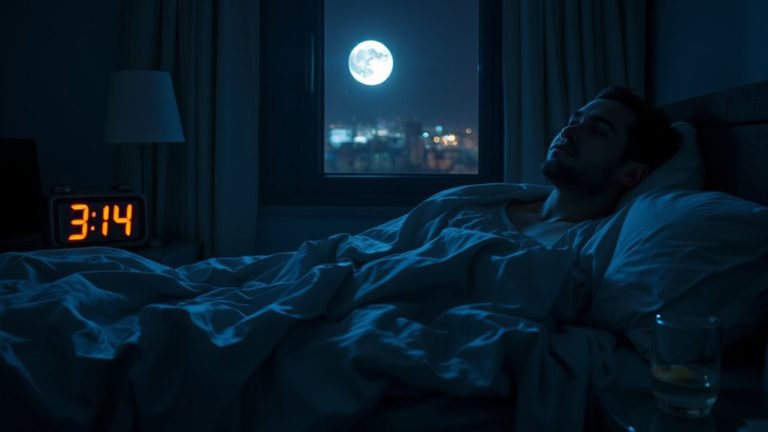
What if your sleep had no real pattern at all-no set bedtime, no consistent wake time, just scattered naps throughout the day and night? That’s irregular sleep-wake rhythm disorder (ISWRD). Your sleep architecture breaks into multiple short segments, usually three or more, lasting one to four hours. You don’t get restorative deep sleep consistently, which affects daily function. This disorder often links to disrupted melatonin production, especially in people with limited exposure to natural light or those with neurodegenerative conditions. Without regular light cues, your body struggles to set a stable internal clock. Diagnosis usually involves a sleep diary or actigraphy over one to two weeks. Treatment might include structured scheduling, light therapy, and in some cases, melatonin supplements under medical guidance. Success varies, so trials are often short-term with monitored adjustments. Using light bulbs with reduced blue light emission in the evening can support melatonin release and improve circadian alignment, especially when these bulbs are part of a consistent lighting routine. best light bulbs for sleep
Is Low Light Disrupting Your Sleep?
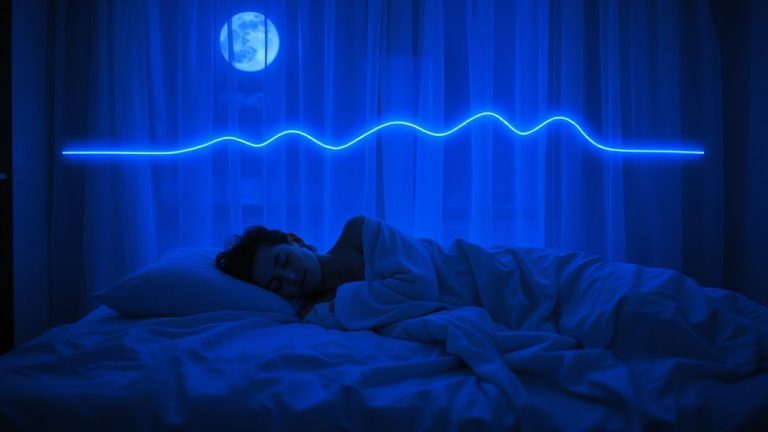
Could your nightly routine be falling short because of something as simple as too little light during the day? Low daytime light can reduce your alertness and affect nighttime rest. Without strong daytime signals, your body may not distinguish night from day clearly. While moonlight exposure and starlight benefits sound poetic, they don’t provide the intensity needed to regulate your internal clock. Natural sunlight is far more effective at supporting healthy sleep patterns. Relying on dim or nocturnal light sources might worsen irregular sleep routines. Consider increasing bright light exposure during daylight hours-open blinds, take walks, or use light boxes designed for sleep health. These tools mimic outdoor light and may improve your sleep-wake balance. Check for adjustable brightness, UV safety, and warranties when choosing a device. Small, consistent changes could lead to better rest over time. For targeted support, consider incorporating best sleep-inducing lights into your evening wind-down routine.
How Light Controls Your Circadian Rhythm
Even though you might not notice it, light plays a key role in shaping your daily rhythm by signaling your brain when to feel awake or tired. This process, known as circadian entrainment, keeps your internal clock aligned with the 24-hour day. Photoreceptors in your eyes detect light, especially blue wavelengths, triggering photic signaling that suppresses melatonin and boosts alertness. Morning light helps reset your system, promoting consistent wake-up times and better nighttime sleep. Without strong daily cues, your rhythm can drift, affecting sleep quality. Devices like light therapy lamps support this natural process by delivering controlled photic signaling. Many models offer adjustable brightness and timers, with some including dawn simulation. Look for FDA-cleared options with at least 10,000 lux and a solid warranty. Try 20–30 minutes each morning for best results. For those seeking gentle wake-up experiences, dawn simulation can closely mimic natural sunrise patterns.
Why Poor Light Exposure Wrecks Sleep Patterns
You’re already aware that light shapes your internal clock by signaling when to feel alert or sleepy, but poor light exposure can seriously disrupt that balance. Without enough bright light, especially blue lighting in the morning, your brain doesn’t get the cue to stop producing melatonin, making you feel sluggish. Later, too much blue lighting from screens can delay sleep by tricking your body into thinking it’s still daytime. At night, consistent dark exposure is key-any stray light can interfere with sleep onset and quality. Over time, irregular patterns confuse your circadian rhythm, leading to fragmented sleep and daytime fatigue. Simple changes, like using bright, cool-white lights during the day and reducing screen time at night, support better timing. Even light therapy lamps or blackout curtains can help reinforce natural cues. These steps don’t require a prescription but do rely on consistent use to see results.
Who’s at Risk for ISWRD Due to Light Deprivation?
Who ends up most affected by irregular sleep-wake rhythm disorder (ISWRD) due to poor light exposure? You might be at higher risk if age factors or existing health conditions limit your time in natural light. Older adults, especially those in care homes, often don’t get enough daytime light. People with neurological conditions like Alzheimer’s or Parkinson’s are also vulnerable. Reduced mobility or chronic illness can keep you indoors, worsening light deprivation.
| Risk Group | Reasons for Risk |
|---|---|
| Older adults | Age factors reduce outdoor activity |
| Those with health conditions | Limited mobility, indoor routines |
| Shift workers | Disrupted light-dark exposure cycles |
These patterns weaken your body’s internal clock. Recognizing your risk helps you take practical steps to adjust your environment and habits for better sleep alignment.
Using Light Therapy for Irregular Sleep-Wake Rhythm Disorder
Light therapy can help reset your body’s internal clock when natural light exposure isn’t enough. You’ll get the best results by using a light box that emits at least 10,000 lux, sitting nearby for 20–30 minutes each morning. Proper light timing is critical-aim for early exposure, ideally within an hour of waking, to signal your brain that the day has started. Delayed or inconsistent use may worsen symptoms. Therapy consistency matters just as much as brightness; skipping sessions can disrupt progress. Most people notice improvements within two to three weeks, but ongoing use supports lasting effects. Devices typically include adjustable stands and UV filters, with many offering warranties of one to three years. While side effects like eye strain are rare, starting with shorter sessions helps your body adjust. Always consult your doctor before beginning, especially if you take medications or have eye conditions.
Build a Daily Routine That Uses Light to Reset Sleep
While your body’s internal clock thrives on consistency, designing a daily routine with intentional light exposure can make a meaningful difference in resetting your sleep. Start each day with morning sunlight-just 15 to 30 minutes outside or near a bright window helps signal wakefulness and strengthens circadian timing. Keep lights dim and avoid screens during evening darkness to support melatonin release, which prepares your body for sleep. Use blackout curtains or wear a sleep mask if needed to deepen nighttime darkness. Stick to a fixed wake-up time, even on weekends, to build rhythm. If natural light isn’t available, consider a light therapy box that mimics morning sunlight. Over time, consistent patterns of light and dark can improve sleep quality and daytime alertness, offering a practical, non-invasive way to manage irregular sleep-wake rhythm disorder.
On a final note
You can manage irregular sleep-wake rhythm disorder by adjusting your light exposure. Morning light helps reset your circadian rhythm, while reducing evening light supports melatonin release. Light therapy boxes with 10,000 lux offer proven, drug-free support-most include timers and UV filters for safety. Try consistent wake times and daylight exposure first. If needed, use light therapy for 20–30 minutes daily, ideally within an hour of waking. A steady routine, built over weeks, yields real improvement.