Understanding Irregular Sleep-Wake Rhythm Disorder: Causes and Patterns
You might have irregular sleep-wake rhythm disorder if your sleep happens in scattered chunks throughout the day and night, leaving you tired even after sleeping for long periods. It’s often tied to disrupted circadian rhythms from poor light exposure, inconsistent schedules, or neurological conditions. Symptoms include random sleep times, frequent awakenings, and daytime naps that don’t restore energy. Treatment focuses on routine stabilization, light therapy, and sleep hygiene-simple changes that can make a noticeable difference over time. More details on managing this pattern follow.
Notable Insights
- Irregular Sleep-Wake Rhythm Disorder involves fragmented sleep occurring in multiple short bouts across 24 hours with no clear sleep-wake pattern.
- It results from circadian rhythm disruption due to internal clock dysfunction, often exacerbated by limited light exposure or neurocognitive conditions.
- Common causes include genetic predisposition, shift work, excessive blue light exposure, and irregular daily routines.
- The disorder frequently affects older adults and those with neurodegenerative diseases, especially with poor lifestyle or environmental cues.
- Diagnosis relies on sleep diaries, actigraphy, and tracking sleep patterns over 1–2 weeks to identify disorganized sleep distribution.
What Is Irregular Sleep-Wake Rhythm Disorder?
Think of your body’s internal clock as a quiet conductor, guiding when you feel alert or ready to sleep. In irregular sleep-wake rhythm disorder, that conductor’s signal gets disrupted. You don’t follow a clear 24-hour cycle, so your sleep fragments into multiple short bouts across the day and night. This disorder affects sleep architecture, reducing deep and REM stages when you need them most. Your melatonin fluctuations become erratic, rising at odd times instead of signaling darkness-driven drowsiness. It’s common in people with limited exposure to light cues or neurocognitive conditions. Diagnosis usually involves sleep diaries and actigraphy over one to two weeks. Treatment focuses on reinforcing rhythms-timed light exposure, scheduled naps, and sometimes melatonin supplements under medical guidance. Results vary, so consistent monitoring helps adjust strategies effectively.
Symptoms of Irregular Sleep-Wake Rhythm
What does it feel like when your sleep has no real pattern? You might fall asleep at random times, wake often during the night, or nap frequently during the day without feeling rested. This is sleep fragmentation-when your rest is broken into small, unreliable chunks. You’re not getting deep, continuous sleep, so daytime fatigue becomes a constant companion. You may struggle to focus, feel sluggish, or lack energy even after what seems like enough sleep. These symptoms make daily tasks harder and affect your mood and performance. If this sounds familiar, tracking your sleep patterns can help. Some find relief by aligning their routines with natural light or using light therapy devices, which often come with adjustable brightness and trial periods. Sleep aids, when recommended by a doctor, might also help regulate cycles. Consistency matters most. A reliable way to monitor these disruptions is by using the best sleep trackers for better rest.
What Causes Disrupted Sleep-Wake Cycles?
Why does your body sometimes lose track of when to sleep or stay awake? Your internal clock, or circadian rhythm, can shift due to several factors. Genetic predisposition may make your system more sensitive to disruptions, meaning your body naturally leans toward irregular patterns. Environmental toxins, like air pollutants or chemicals in household products, can also interfere with brain function and melatonin production, further confusing your sleep-wake signals. Shift work, excessive screen time, and inconsistent schedules add strain, but underlying vulnerabilities often set the stage. While you can’t change your genes, reducing exposure to toxins and maintaining steady light-dark cues helps recalibrate your rhythm. Simple changes-like using blackout curtains, limiting screens before bed, and choosing clean air filters-support long-term stability. Monitoring your environment and habits gives you control, making it easier to identify what aids rest and what prevents it. A high-quality air purifier can reduce airborne irritants that disrupt sleep, and models designed as the best air purifiers for better sleep combine quiet operation with effective filtration to support a restful night.
Who Is Most at Risk?
You’re more likely to face irregular sleep-wake rhythm disorder if your daily routine lacks a consistent structure or if certain health conditions affect your brain’s ability to regulate sleep. If you have a genetic predisposition, your risk increases, especially when paired with poor lifestyle habits like erratic bedtimes, excessive screen use, or shift work. Older adults, particularly those with neurodegenerative diseases, are commonly affected, but younger people with highly variable schedules can also develop the pattern. Limited exposure to natural light and irregular meal times further disrupt internal cues. While not everyone with these factors will develop the disorder, recognizing them helps guide earlier adjustments. Evaluating sleep aids or structured routines becomes more effective when risks are understood. Tracking sleep over time can reveal patterns worth discussing with a professional.
How Circadian Disruption Fuels the Disorder
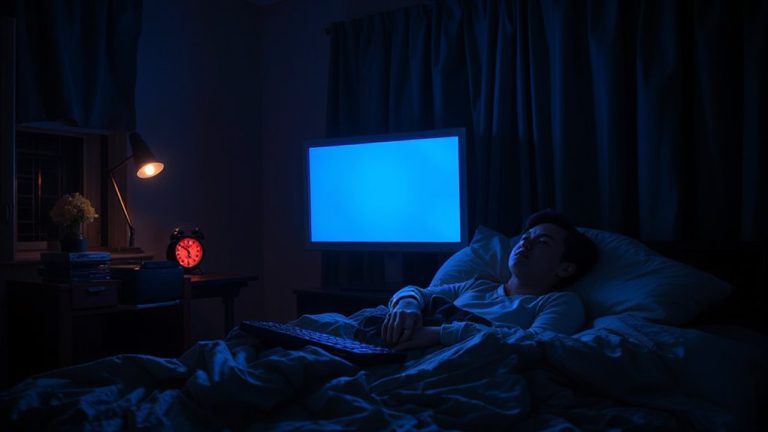
Your daily habits and health conditions can weaken your body’s natural sleep signals, making it easier for circadian disruption to take hold. Inconsistent light exposure plays a big role-especially bright or blue light at night, which tricks your brain into staying awake. When your eyes detect light late in the evening, it delays melatonin levels from rising, pushing sleep later. Without a clear cue to sleep, your body struggles to maintain a steady rhythm. Over time, this leads to fragmented sleep patterns and daytime fatigue. Shift work, irregular schedules, or limited exposure to morning sunlight worsen the imbalance. You might notice sleep happening in scattered episodes across 24 hours. Keeping a stable routine and managing light exposure-more in the morning, less at night-helps support natural melatonin levels. Small adjustments can strengthen your body’s clock and reduce disruption over time. Using a light alarm clock can help simulate natural sunrise and support circadian alignment through gradual light alarm clocks.
When to Seek Help and Treatment Options
How do you know when sleep troubles go beyond just a few rough nights? If your sleep schedule stays erratic for weeks, leaving you tired during the day or unable to focus, it might be time to seek help. When irregular sleep-wake patterns disrupt work, relationships, or daily tasks, a doctor can help pinpoint the cause. Improving sleep hygiene often helps-keep a consistent bedtime, limit screens before bed, and create a calm sleep environment. Light therapy and scheduled meals may reset your internal clock. In some cases, doctors recommend medication management, including melatonin or prescription options, to align your rhythm. These treatments work best combined with lifestyle changes. A sleep specialist might track your patterns using journals or wearable devices. Treatments vary, so working with a professional guarantees safe, personalized care. Always discuss benefits and side effects before starting any plan.
On a final note
You might notice your sleep scattered in chunks throughout day and night, with no clear pattern. That’s a sign of irregular sleep-wake rhythm disorder. If this continues, consider tracking your sleep and talking to a doctor. Treatments like light exposure, set routines, or melatonin supplements could help-each with different timing and trial periods. Some come with short-term side effects or require weeks to assess. Check warranty or return policies when trying sleep aids, and always base choices on consistent data, not quick fixes.