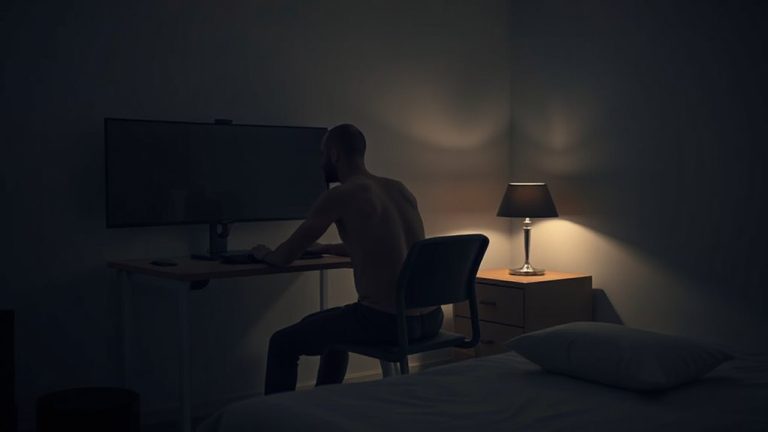
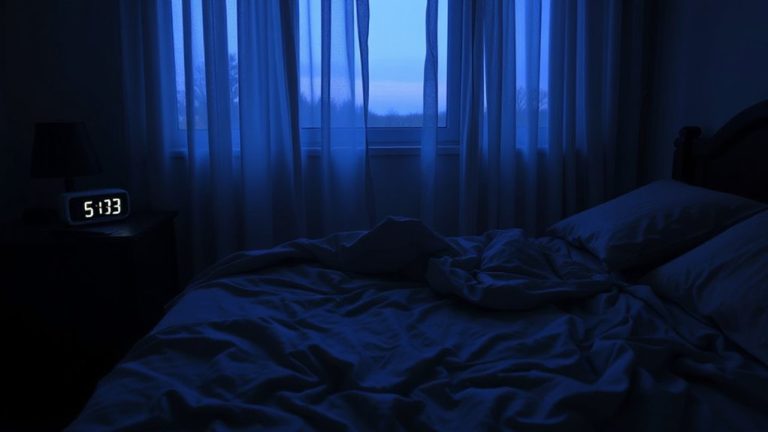
The Effect of Social Isolation on Shift Work Sleep Disorder
Social isolation makes shift work sleep disorder worse by increasing emotional fatigue and delaying sleep onset. Without regular social interactions, your body’s internal clock weaken, reducing sleep quality. Loneliness also affects focus and mood, compounding the challenge of resting during daytime hours. Maintaining simple, consistent social routines-even brief conversations or shared meals-can support circadian alignment. You’ll find practical strategies to strengthen sleep amidst night shifts by exploring deeper into the topic.
Notable Insights
- Social isolation exacerbates shift work sleep disorder by increasing emotional fatigue and delaying sleep onset.
- Loneliness disrupts circadian rhythms, reducing the brain’s ability to wind down for rest.
- Lack of social interaction diminishes circadian entrainment, weakening the body’s internal clock alignment.
- Isolated shift workers experience higher rates of mood disturbances and cognitive decline.
- Regular social routines help stabilize sleep patterns despite irregular work hours.
How Shift Work Triggers Sleep Problems
Why does working nights leave you feeling so drained, even after a full eight hours of sleep? The answer lies in circadian misalignment-your body’s internal clock still expects sleep at night and alertness during the day. When you work overnight, you fight this natural rhythm, weakening sleep quality. Light exposure at night also causes melatonin suppression, reducing the hormone that signals it’s time to rest. This double disruption makes it harder to fall and stay asleep during the day. Even with effort, your sleep might feel lighter or less restorative. Managing this means prioritizing dark, quiet, cool sleeping environments and consistent off-shift schedules. Some consider melatonin supplements or blackout curtains, which can help support sleep timing. Always check with a healthcare provider before starting sleep aids, and look for products with clear labeling, trial periods, and safety certifications for best results.
Why Loneliness Makes SWSD Worse
How does being cut off from others affect your sleep when you’re already struggling with night shifts? Loneliness worsens shift work sleep disorder (SWSD) by deepening emotional fatigue, making it harder to unwind after a shift. Without social contact, your mind stays alert longer, delaying sleep onset. Over time, this isolation can lead to cognitive decline, weakening focus and memory-critical skills for safety and performance at work. You may notice your mood dipping, your reactions slowing, or your ability to concentrate slipping. These are signs your mental health and sleep quality are linked. While sleep aids might help short-term, addressing isolation is key. Consider structured routines that include brief social interactions, even phone calls. Some find low-dose melatonin or light therapy helpful, especially with a doctor’s guidance. Warranties on sleep trackers can offer trial periods to monitor progress. Small, practical steps often support better long-term outcomes.
How Social Rhythms Reset Your Body Clock
Ever wonder what keeps your sleep schedule from drifting completely off track, even with irregular shifts? It’s likely social rhythms nudging your body clock back into place. When you eat, talk, or simply share time with others, you’re engaging in social synchronization-a subtle but powerful form of circadian entrainment. These daily social cues act like soft reset buttons for your internal clock, helping it stay aligned even when light exposure or work hours pull it in another direction. You don’t need constant interaction; even brief, regular contact-like a morning coffee with a coworker or a nightly call-can anchor your rhythm. Unlike light-based cues, social cues are less intense but more consistent, offering steady support. This is especially useful during night shifts or rotating schedules, where natural sunlight cues are limited. Your body listens to both light and connection, so maintaining social routines can ease the strain on your sleep system.
How to Build a Sleep-Supportive Routine
A well-structured routine can make a real difference when managing shift work sleep disorder, especially when your schedule conflicts with your body’s natural rhythm. You can improve rest by controlling blue light exposure and aligning caffeine timing with your shifts. Avoid screens an hour before bed to support melatonin release. Consider dimming lights at home to signal your brain that it’s time to wind down. Plan caffeine carefully-drink it early in your shift, not within five hours of sleep. Using the right skincare, such as a nourishing sleep eye cream, can also support the delicate eye area during irregular sleep cycles.
| Feeling | Before Routine | After Routine |
|---|---|---|
| Energy | Low, unpredictable | Steadier, more reliable |
| Mood | Irritable, strained | Calmer, more balanced |
| Focus | Foggy, scattered | Sharper, more consistent |
| Sleep Quality | Light, interrupted | Deeper, more restorative |
| Daily Stress | High, constant | Easier to manage |
Simple Sleep Habits for Night Shift Workers
You’ve already made progress by building a consistent routine that supports better sleep despite irregular hours. Now focus on your sleep environment-keep your bedroom cool, dark, and quiet using blackout curtains and white noise machines if needed. Avoid screens before bed; blue light can delay melatonin release. Nap timing matters: short naps (20–30 minutes) before a night shift can help, but long or late naps may disrupt nighttime sleep. Limit caffeine to the first half of your shift, and avoid it at least six hours before planned rest. Stick to your sleep schedule even on days off to maintain your body’s rhythm. Consider using sleep aids like melatonin only after consulting a doctor, and track your sleep patterns to assess what’s working. Small, consistent habits improve rest over time.
On a final note
You can manage shift work sleep disorder by aligning your routine with your body’s needs. Staying socially active-even on odd hours-helps regulate your internal clock. Simple habits like consistent sleep times, dark, quiet rooms, and limited screen use improve rest. Over-the-counter aids may help short-term, but check with a doctor first. Many come with trial periods or usage guidelines. Prioritize routines that support alertness and recovery, weighing benefits and side effects carefully.