The Role of Natural Sleep Aids in Adjusting to New Time Zones Without Medication
You can ease jet lag naturally by using light, diet, and herbal support to reset your body clock. Morning sunlight sharpens alertness, while dimming lights at night helps sleep. Eating light meals on your destination’s schedule supports digestion and energy. Valerian and passionflower may help you fall asleep faster without grogginess. Try these methods a few days before your trip, and you’ll find your rhythm adjusts more smoothly upon arrival.
Notable Insights
- Herbal remedies like valerian root and passionflower support natural sleep onset and improve sleep quality during time zone transitions.
- Light exposure at appropriate times helps reset the body’s internal clock without the need for medication.
- Staying hydrated and eating meals aligned with the destination’s schedule aids circadian rhythm adjustment.
- Pre-travel sleep schedule shifts of 15–30 minutes daily ease the transition to a new time zone.
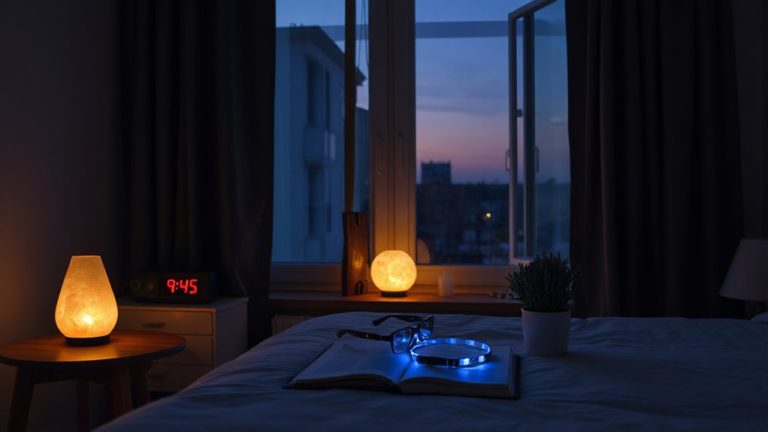
- Avoiding screens and using dim lighting before bed supports melatonin production for better sleep timing.
What Causes Jet Lag: And How to Fix It Fast
Why does stepping off a plane leave you exhausted, restless, or wide awake at odd hours? Because your body’s internal clock is out of sync with the new time zone-this is circadian disruption. When you travel quickly across time zones, your natural sleep-wake cycle gets thrown off, leading to travel fatigue and poor sleep quality. You might feel groggy during the day or alert at night. This happens even with short flights, but worsens with long-haul trips. Symptoms like irritability, trouble focusing, and digestive issues often follow. While jet lag is temporary, it can affect productivity and mood. Recognizing the signs early helps. Instead of reaching for medication, consider natural sleep aids-herbal teas, melatonin-rich foods, or relaxation routines. These support your body’s adjustment with minimal side effects, offering a gentler alternative for managing sleep timing and recovery as you adapt. Magnesium supplements, particularly those formulated for best magnesium supplements for anxiety and sleep, can also help regulate nervous system function and promote restful sleep during travel recovery.
Reset Your Body Clock With Light Exposure
Stepping off a flight and feeling out of sync isn’t just about tiredness-it’s your body reacting to a shift in your internal rhythm. You can reset it naturally by using light wisely. Morning sunlight tells your brain it’s time to be awake, so get outside within an hour of sunrise. Evening darkness signals sleep; dim lights and avoid screens as bedtime nears. This exposure helps synchronize your internal clock with the new time zone. For times when natural light isn’t accessible, using a top-rated light therapy lamp can effectively mimic sunrise and support circadian adjustment.
| Emotion | Experience without Light Control |
|---|---|
| Fatigue | Constant and deep |
| Alertness | Spotty and unreliable |
| Mood | Irritable, low |
| Sleep Quality | Light, broken |
| Focus | Blurry, struggling |
Use natural cues-morning sunlight and evening darkness-to guide your body smoothly into the local rhythm.
Eat These Foods to Naturally Fight Jet Lag
A well-chosen meal can be a quiet but effective tool when adjusting to a new time zone. You’ll want to eat foods that support steady energy and help reset your internal clock. Focus on light, balanced meals rich in protein, complex carbs, and fresh vegetables to support gut health, which plays a role in sleep regulation. Avoid heavy, greasy foods that disrupt digestion and make you feel sluggish. Staying mindful of hydration levels is key-drink water consistently, as dehydration worsens fatigue and mental fog. Opt for hydrating foods like cucumber, oranges, and celery. Eating smaller meals aligned with your destination’s meal schedule helps your body adapt faster. Timing matters: eating at the right local times signals your system to stay awake or prepare for sleep. Thoughtful food choices won’t replace a good sleep routine, but they can reduce jet lag’s impact when used wisely.
Herbal Remedies That Ease Jet Lag Sleep
Pairing smart eating habits with natural sleep support can make jet lag easier to manage, and herbal remedies offer a gentle way to encourage rest when your rhythm’s off. Valerian root helps ease the time it takes to fall asleep, with studies showing it may improve sleep quality over short-term use. You’ll typically take it 30 to 60 minutes before bed, often in capsule or tea form. Passionflower extract works well if you’re feeling restless, as it supports GABA activity in the brain, which calms nervous system function. Many users report better sleep continuity when using it alone or paired with valerian. Look for standardized extracts to guarantee consistent potency. While side effects are usually mild, starting with a low dose helps gauge your tolerance. Neither herb tends to cause morning grogginess, making them practical choices when adjusting sleep timing across time zones. Always check with your doctor if you’re on other medications. For those seeking non-herbal options, best natural sleep aids like melatonin and magnesium are also commonly used to support restful sleep.
Adjust Your Schedule Before You Fly
If you’re traveling across time zones, shifting your sleep schedule gradually in the days before your trip can ease the shift and reduce jet lag symptoms once you arrive. Starting your pre flight routines early helps your body adapt with less strain. Use gradual shifting-adjusting bedtime by 15 to 30 minutes daily-to align closer to your destination’s time zone.
| Days Before Trip | Time Adjustment (Minutes) |
|---|---|
| 4 | +30 (earlier or later) |
| 3 | +60 |
| 2 | +90 |
| 1 | +120 |
| Day of flight | Match destination time |
This method supports natural circadian alignment, improving sleep quality without medication. Planning your exposure to light and dark during this phase enhances results. You’ll likely feel less fatigue upon arrival, making your adjustment smoother and more comfortable.
Use Melatonin-Rich Habits to Sleep Better Abroad
You’ve already started syncing your body clock by shifting your sleep times before the flight, and now it’s time to work with your body’s natural chemistry to strengthen that adjustment. Melatonin-rich habits support your body’s internal clock without pills. Dim lights an hour before bed, avoid screens, and stick to consistent bedtime routines-these habits signal your brain to produce melatonin naturally. Keep your room cool and dark, and consider herbal tea like chamomile to gently encourage drowsiness. Good sleep hygiene means limiting caffeine after noon and avoiding heavy meals late. Exposure to morning light helps reset your rhythm daily. These practices improve sleep onset and quality, especially when traveling east or across multiple zones. They’re safe, free of side effects, and build long-term resilience against jet-related sleep disruption. Try them for a few days post-arrival to see what works best-consistency and timing matter most.
On a final note
You can ease jet lag by using natural sleep aids like timed light exposure and melatonin-rich habits, which help reset your body clock. Adjusting your schedule before travel, eating sleep-supportive foods, and trying herbal remedies may improve rest without medication. These methods work gradually, with few side effects. Consider your needs, travel length, and sensitivity when choosing strategies. Try one or two techniques first to see what fits your routine.