How Rotating Shifts Disrupt Circadian Rhythms in Shift Work Sleep Disorder
Your circadian rhythm relies on consistent sleep and wake times, but rotating shifts keep changing your schedule, so your body never fully adjusts. Night work exposes you to light that suppresses melatonin, delaying sleepiness, while daytime sunlight after shifts disrupts rest. This constant misalignment causes insomnia, fatigue, and poor sleep quality-common in Shift Work Sleep Disorder. Over time, it raises health risks like hypertension and diabetes. Smart sleep habits and light control can help, and there’s more to explore on managing these challenges effectively.
Notable Insights
- Rotating shifts prevent circadian rhythm stabilization by constantly altering sleep-wake schedules.
- Frequent schedule changes disrupt melatonin release, impairing sleep onset and wake timing.
- Inconsistent light exposure at night suppresses melatonin, delaying the body’s internal clock.
- Daytime sunlight after night shifts interferes with post-shift sleep and circadian alignment.
- Repeated circadian misalignment leads to insomnia, excessive sleepiness, and long-term health risks.
What Is Shift Work Sleep Disorder (SWSD)?

Ever wonder why working nights leaves you feeling so off? You’re likely dealing with Shift Work Sleep Disorder (SWSD). It happens when your job schedule overlaps with typical sleep hours, throwing your sleep patterns out of sync. Your body struggles to adjust, leaving you exhausted or unable to sleep when needed. Many people in rotating shifts face this-especially those with inconsistent start times. This constant shift mimics social jetlag, where your internal clock clashes with work-life demands. Symptoms include insomnia, excessive sleepiness, and trouble focusing. Over time, it can impact health and performance. Recognizing SWSD early helps you make informed choices about sleep aids, light exposure strategies, or possible schedule adjustments. Treatments vary, so tracking your sleep and consulting a professional can guide effective solutions. Trial periods with sleep hygiene changes often come first-no prescription needed. Warranties or guarantees don’t apply to health outcomes, but consistency improves results.
How Circadian Rhythms Control Sleep in Shift Workers

Why does your body resist sleep when you work nights or early mornings? Your circadian rhythms, governed by chronobiology mechanisms, expect wakefulness during daylight and rest at night. These internal cues rely heavily on melatonin regulation, which typically rises in darkness, signaling sleep. When you work overnight, light exposure suppresses melatonin, confusing your brain and delaying sleepiness. Even if you nap, the timing often mismatches your body’s natural peaks and dips in alertness. That’s why you might lie awake despite exhaustion. Understanding this helps you plan smarter sleep schedules, consider light management, or assess sleep aids that support, rather than fight, your rhythm. Products targeting melatonin regulation may help, especially with consistent use and medical guidance. Recognizing how chronobiology mechanisms shape sleep lets you make informed choices about timing, environment, and interventions without disrupting your health further.
Why Rotating Shifts Throw Off Your Body Clock?

Rotating shifts disrupt your body clock because they keep changing the signals your brain relies on to manage sleep and alertness. The constant shift changes cause melatonin suppression when you need it most and create work schedule instability, making it hard to establish a consistent sleep routine. Your body struggles to adapt, affecting sleep quality and daytime functioning.
| Shift Type | Sleep Risk | Melatonin Impact |
|---|---|---|
| Night Shift | High | Delayed release |
| Early Morning | Moderate | Suppressed |
| Late Evening | Low-Moderate | Mildly disrupted |
| Rotating | Very High | Unpredictable suppression |
This instability means your circadian rhythm resets repeatedly, preventing full adjustment. Over time, you may notice longer sleep latency or daytime fatigue. Recognizing these patterns helps you consider sleep aids or behavioral strategies with better timing and consistency.
How Light Affects Shift Work Sleep
How does light shape your ability to sleep when your work hours shift? Light exposure plays a key role in telling your body when to stay awake or rest. When you work nights, bright lights at the job keep you alert by triggering melatonin suppression, which is natural but can backfire later. Then, when you try to sleep during the day, sunlight floods in, again blocking melatonin-your brain thinks it’s time to wake up. This confusion disrupts your internal clock over time. Wearing blue-light-blocking glasses after your shift may help reduce this effect. Blackout curtains and eye masks also limit morning light exposure at home. Using dim, warm lights before bed can signal a wind-down phase. These tools don’t fix everything, but they support better sleep timing by respecting your body’s light sensitivity. For optimal results, consider wearing best blue light glasses designed to filter harmful wavelengths during sensitive times.
SWSD Symptoms: What to Watch For
What if your exhaustion, irritability, or trouble focusing weren’t just from a busy schedule but signs of something more specific? You might be experiencing Shift Work Sleep Disorder (SWSD). If you work nights or rotating shifts, watch for repeated insomnia episodes and excessive fatigue, even after rest. You may struggle to sleep during the day or stay alert on the job. These symptoms often persist for weeks and disrupt daily life. SWSD occurs when your internal clock conflicts with work hours, reducing sleep quality and duration. You might nap frequently yet feel unrested. Recognizing these signs early helps you decide whether to adjust routines, try sleep aids, or consult a specialist. Consider tracking sleep patterns and discussing options with a doctor. Some find relief with light therapy, melatonin, or prescribed treatments-always review trial use and warranty details when considering devices or supplements.
Health Risks of Long-Term Shift Work
Behind the curtain of irregular hours lies a growing body of evidence linking long-term shift work to serious health concerns. You face higher cardiovascular risks, as disrupted circadian rhythms affect blood pressure and heart rate over time. Night shifts, in particular, strain your body’s ability to regulate essential functions, increasing the chance of hypertension and heart disease. You’re also more prone to metabolic dysfunction, which can lead to insulin resistance, weight gain, and type 2 diabetes. These changes happen gradually, often without clear symptoms until risks compound. Your body expects consistency, and constant rotation confuses its natural timing. While you can’t always change your schedule, recognizing these long-term effects helps you make informed choices about sleep hygiene, medical checkups, and when to seek help. Monitoring your health closely may reduce harm and support better decisions down the line.
Smart Sleep Strategies for Shift Workers
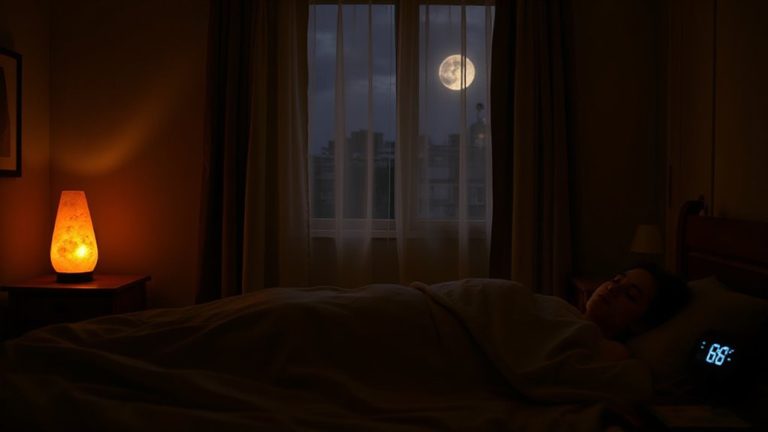
Even though your schedule shifts from day to night, you can still build a sleep routine that supports your health and alertness. Consistent sleep hygiene helps train your body to rest, no matter the time. Keep your bedroom dark, cool, and quiet, using blackout curtains and white noise if needed. Avoid screens an hour before bed, and try to follow a regular wind-down routine. Napping techniques can also boost alertness-take a 20- to 30-minute nap before a night shift, or a longer 90-minute nap if allowed. Avoid napping too close to your main sleep window. Limit caffeine and heavy meals before resting. Try using sleep aids like eye masks or melatonin supplements only after discussing them with a doctor. Test strategies gradually, track what works, and adjust based on your energy and sleep quality. For added noise control during daytime sleep, consider using sound-deadening ear plugs designed to block disruptive ambient sounds.
On a final note
You’ll feel better when you align sleep with your natural rhythm, even on rotating shifts. Use blackout curtains and avoid bright screens before bed to improve rest. A consistent sleep schedule, even on days off, helps stabilize your body clock. If sleep troubles persist, consult a doctor-some find relief with light therapy or short-term sleep aids. Try proven strategies first, track what works, and consider professional guidance when needed.