How To Choose The Right Nighttime Reading Material Without Disrupting Natural Sleep Patterns Or Circadian Rhythms
Choose books with calm themes like nature or daily routines, using poetic language and slow pacing to ease your mind. Skip anything with intense plots or emotional twists that might keep you alert. Stick to print books or e-ink readers to avoid blue light, which can disrupt your sleep cycle. Read at the same time each night to build a reliable rhythm. Pair this with soft lighting and quiet surroundings to signal your body it’s time to rest-consistency over a few weeks can make a noticeable difference, and there’s more to explore in shaping your ideal wind-down practice.
Notable Insights
- Choose calming themes like nature or mindfulness to promote relaxation and support emotional balance before sleep.
- Opt for books with slow pacing and poetic language to avoid overstimulating the mind and ease into drowsiness.
- Avoid action-packed or suspenseful content that can increase mental arousal and delay sleep onset.
- Use print books or e-ink devices to minimize blue light exposure and protect natural melatonin production.
- Read at a consistent time each night to reinforce circadian rhythms and strengthen the body’s sleep-wake cycle.
Pick Bedtime Books That Help You Wind Down
While winding down for bed, choosing a book that calms your mind can make a real difference in how quickly you drift off. You’ll want something with calming themes-like nature, mindfulness, or gentle daily routines-so your thoughts settle instead of race. Books written in soothing tones, such as poetic language or slow pacing, support relaxation without overstimulating your attention. Physical books or e-readers without blue light work best, since screens with backlights may interfere with melatonin release. Opt for paperback or softcover editions with matte pages to reduce glare. Try reading for 15 to 20 minutes to assess how your body responds; if you feel drowsier, you’ve likely found a good match. Titles focused on emotional balance or quiet reflection often perform well in sleep trials. There’s no warranty on improved sleep, but consistent use of the right material can support healthier patterns over time.
Skip Stories That Keep Your Mind Active
If you’re choosing a book to read before bed, it’s best to skip stories that spark intense thought or emotional tension, since they can interfere with your ability to relax. Avoid books with action packed plots or suspenseful twists, as these stimulate brain activity and delay sleep onset. Your body relies on calm shifts to prepare for rest, and thrilling narratives can disrupt circadian rhythms over time. Instead, opt for material that maintains a steady, predictable pace. This helps signal to your nervous system that it’s time to unwind. For people prone to sleep issues, like insomnia or delayed sleep phase, minimizing mental stimulation at night is especially helpful. You don’t need special tools or sleep aids-just mindful book choices. Try reading a few chapters of a low-stakes story, then assess how easily you fall asleep. Over a week or two, you’ll notice patterns. Consistency matters more than any single night’s result. You might also consider incorporating Best Sleep Meditation Guides to further support restful sleep.
Use Print or E-Ink for Nighttime Reading
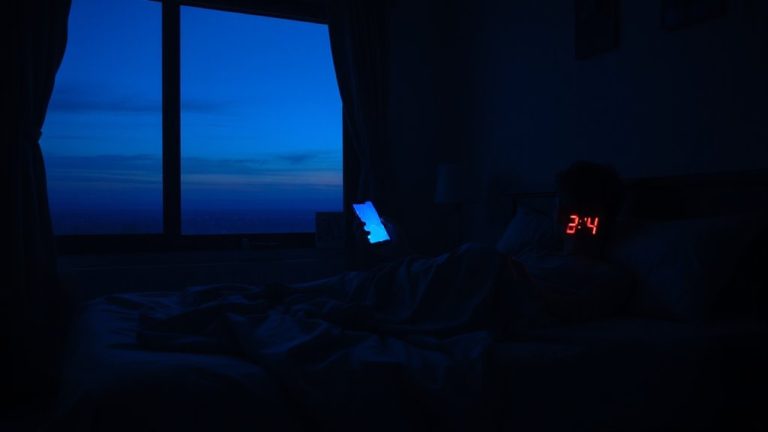
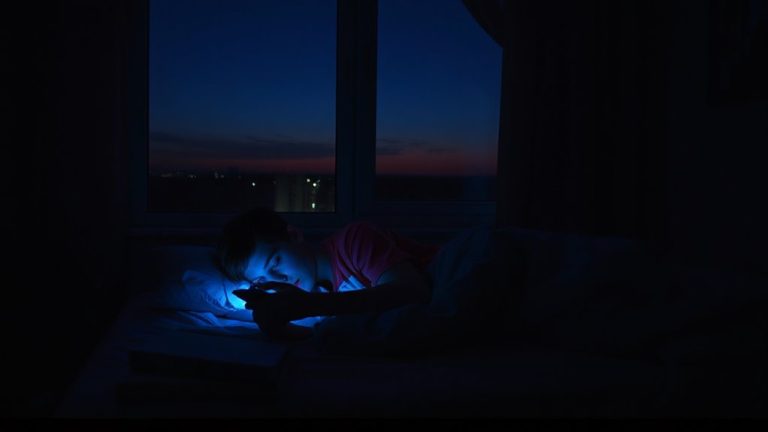
A printed book or e-ink reader is your best choice for nighttime reading because these options don’t emit blue light, which can interfere with melatonin production and delay sleep onset. Unlike tablets or smartphones, e-ink screens reflect light like paper, reducing eye strain and eliminating screen glare. That makes them easier on your eyes in low-light conditions. Blue light from backlit screens has been linked to disrupted circadian rhythms, so avoiding it before bed supports healthier sleep patterns. E-ink devices are lightweight, long-lasting on a single charge, and often come with adjustable front lighting that doesn’t emit blue light. Most offer warranty coverage and allow trials, so you can test comfort and readability. Print books, of course, require no power and naturally avoid all screen-related issues. Both options perform well for winding down, helping maintain consistent sleep quality without reliance on sleep aids or medical intervention.
Read at the Same Time Every Night
You’ll likely find it easier to fall asleep if you read at the same time every night, since your body responds well to routine and gradually learns to associate that period with winding down. Establishing consistent timing helps regulate your circadian rhythms, making it easier to drift off naturally. When you read at a fixed hour, your mind and body begin to expect this calm activity, which supports a stable reading habit. This doesn’t require perfect adherence-being within 30 minutes of your chosen time most days is effective. Consistent timing is especially helpful if you struggle with sleep onset, as it reduces the need for sleep aids by encouraging natural drowsiness. Over time, your reading habit becomes a signal for rest, not stimulation. Though results vary, most people notice improvements in sleep quality within a few weeks of maintaining this pattern. Trial it for at least 21 nights to assess its impact on your sleep routine.
Make Reading Part of Your Sleep Routine
Reading at a consistent time each night sets the stage, but folding that habit into your broader sleep routine strengthens its effect. Pair your reading with cozy lighting-soft, warm-toned lamps instead of overhead bulbs-to signal your brain it’s time to wind down. Combine this with a quiet environment, free from sudden noises or bright screens, to support smooth shifts into sleep. Use this time to disconnect from stimulating activities and let your body follow natural circadian cues. Over time, your mind will associate reading in this setting with rest, improving sleep onset and quality. If you struggle with sleep disorders, consult a specialist before relying on habits alone. Not all sleep aids replace good routines, but a well-structured one may reduce reliance on them. Try this approach for several nights to assess changes in your sleep patterns.
On a final note
Choose books that calm your mind, like gentle fiction or reflective nonfiction, and avoid suspenseful plots that spur alertness. Stick to print or e-ink devices to reduce blue light exposure. Read at a consistent time each night to strengthen your sleep rhythm. Over time, this habit supports natural melatonin release. If sleep problems persist, consider consulting a specialist to explore underlying causes or safe, evidence-backed aids.