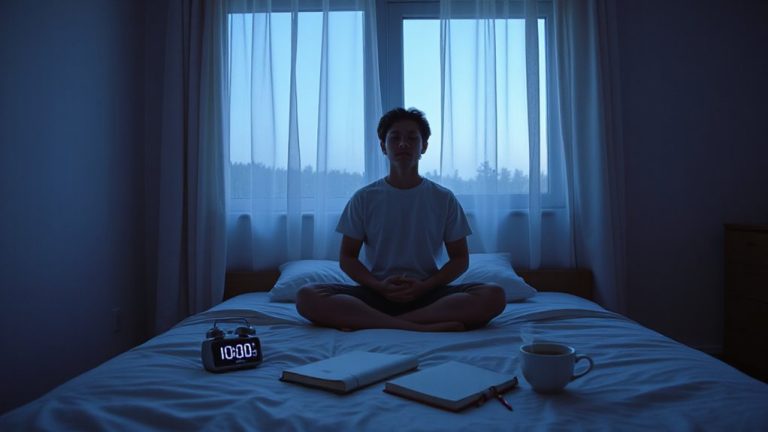
Managing Sleep Disorders During Menopause: What Women Should Know About Hormonal Changes Affecting Rest
Your sleep troubles during menopause are often tied to falling estrogen and progesterone, which disrupt temperature control, mood, and sleep cycles. Night sweats and hot flashes can wake you suddenly, while insomnia or sleep apnea may develop. Cooling bedding, a room around 65°F, and steady sleep habits help. Hormone therapy may reduce symptoms if started early, but isn’t for everyone. Other options like CBT, melatonin, or breathing exercises offer relief-you’ll find what works best with time and guidance.
Notable Insights
- Declining estrogen and progesterone disrupt sleep regulation, contributing to insomnia and nighttime awakenings.
- Night sweats, triggered by hot flashes, cause frequent interruptions in deep sleep and daytime fatigue.
- Hormonal changes increase sleep apnea risk due to reduced upper airway muscle tone.
- Cool sleep environments, consistent schedules, and stress reduction techniques improve sleep quality.
- Hormone therapy and cognitive behavioral therapy can effectively treat sleep disturbances in menopause.
Why Hormonal Swings Wreck Sleep During Menopause
While your body goes through hormonal shifts during menopause, falling estrogen and progesterone levels can directly disrupt sleep patterns you once relied on. These changes affect your brain’s regulation of sleep, often leading to trouble falling or staying asleep. Mood fluctuations and brain fog become more common as sleep quality drops, making daily focus and emotional balance harder to maintain. You might notice your concentration slipping by mid-morning, or feel irritable without a clear cause. Since hormones influence neurotransmitters involved in sleep and alertness, the imbalance can create a cycle that’s tough to break. Consider tracking your sleep patterns and symptoms for a few weeks before discussing them with your doctor. Over-the-counter sleep aids or melatonin supplements may help some women, but they’re not right for everyone-checking features, dosage, and possible side effects is important before use. A well-researched option includes trying Best Melatonin Picks based on expert guidance for adults seeking support.
Waking Up Soaked? How Night Sweats Sabotage Rest
You’re not imagining it-waking up drenched in sweat is a common complaint during menopause, and it’s doing more than just soaking your sheets. Night sweats, often linked to hot flashes, can trigger sudden spikes in body temperature, leading to frequent awakenings and significant sleep disruption. These episodes typically last from 30 seconds to several minutes and may leave you feeling chilled once the sweat evaporates. While they’re a natural part of hormonal change, their impact on sleep quality is real. Over time, repeated interruptions can reduce deep sleep stages, affecting energy and focus. Consider breathable, moisture-wicking sleepwear and keep your bedroom cool-around 65°F helps. Some women find relief with hormone therapy or non-hormonal prescriptions, which a doctor can discuss. Natural options like soy or black cohosh have mixed results, so trial periods with monitoring help assess effectiveness. Always review safety and long-term use with your healthcare provider. Upgrading to best bedding for night sweats can further improve comfort by enhancing airflow and wicking moisture away from the skin.
Why Insomnia and Sleep Apnea Spike in Menopause
Because hormonal shifts during menopause affect more than just temperature control, you’re more likely to face insomnia and sleep apnea now than before. Declining estrogen and progesterone disrupt your sleep cycle, making it harder to fall and stay asleep. Hot flashes often strike at night, causing sudden awakenings and making it tough to regain rest. These temperature surges, combined with mood fluctuations like anxiety or irritability, can keep your mind active when you need it to wind down. Sleep apnea risk rises too, as lower hormones may weaken upper airway muscles, increasing breathing interruptions. You might not realize it’s happening, but daytime fatigue and morning headaches can be clues. Recognizing these patterns helps you decide whether to track symptoms, discuss sleep studies with your doctor, or consider treatments that address root causes, not just surface issues.
Lifestyle Tweaks for Better Sleep During Menopause
What if better sleep started with small changes you could make today? Simple lifestyle tweaks can make a real difference during menopause. Try using cool bedding-like moisture-wicking sheets or a bamboo blend-since night sweats often disrupt rest. Keep your bedroom between 60–67°F, which helps regulate body temperature. Stress management is equally important; techniques like deep breathing, yoga, or journaling before bed may ease nighttime anxiety. Limit screen time and caffeine, especially in the afternoon, to protect your natural sleep cycle. Regular physical activity supports better sleep, but avoid intense workouts close to bedtime. Establishing a consistent sleep schedule helps your body adjust over time. These changes take little effort but can improve sleep quality markedly. There’s no one-size-fits-all fix, so consider trying one adjustment at a time to see what works best for you. Consider choosing a best lightweight blanket designed for breathability and temperature regulation to stay comfortable throughout the night.
When Hormone Therapy Helps (And When to Avoid It)
While hormone therapy isn’t a fix for every sleep issue during menopause, it can be effective if your sleep troubles stem from hot flashes or night sweats. If these symptoms wake you often, hormone therapy may improve sleep by reducing their frequency and intensity. It works best when started early in menopause, typically before age 60 or within 10 years of menopause onset. However, you should avoid it if you have a history of blood clot risks or heart disease concerns, as hormone therapy can increase these dangers. Your personal health history matters-factors like high blood pressure, smoking, or obesity may tilt the balance toward higher risk. Talk with your doctor to weigh benefits against possible complications. For some, the improvement in sleep and quality of life justifies careful use. For others, risks outweigh the gains.
Non-Hormonal Treatments That Truly Improve Menopause Sleep
How do you find better sleep during menopause without turning to hormones? Many women benefit from cognitive behavioral therapy (CBT) for insomnia, which helps reframe thoughts and behaviors around sleep. Studies show CBT can improve sleep quality and reduce nighttime awakenings. Pairing it with consistent sleep hygiene practices-like keeping a cool bedroom, avoiding screens before bed, and setting a regular sleep schedule-increases your chances of restful nights. Also consider non-hormonal supplements and lifestyle adjustments backed by clinical observation.
| Treatment | Key Features | Typical Trial Period |
|---|---|---|
| Cognitive Behavioral Therapy | Weekly sessions, structured modules | 6–8 weeks |
| Sleep Hygiene Practices | Daily routines, environment tweaks | Ongoing |
| Mindfulness Meditation | Reduces bedtime anxiety | 4–6 weeks |
| Melatonin Supplements | Regulates sleep-wake cycle | 2–4 weeks |
| Regular Exercise | Improves sleep depth | 6+ weeks |
On a final note
You can manage menopause-related sleep issues by understanding your options. Hormone therapy may help if night sweats disrupt your rest, but it’s not for everyone-talk to your doctor. Non-hormonal treatments like cognitive behavioral therapy, cooling bedding, or prescription sleep aids offer alternatives. Small lifestyle changes, like cooler rooms or regular sleep schedules, often improve sleep too. Try one solution at a time, track results, and adjust as needed.