Best Travel Sleep Accessories for Backpacking You’ll Actually Use
You’ll actually use travel sleep gear that balances weight, packability, and comfort. Inflatable pillows like the Hikenture or Sea to Summit models weigh under 4 ounces, pack small, and offer adjustable support with one-way valves. For insulation and cushioning, a pad with an R-value over 2.5, like the Klymit Inertia X1, keeps you warm and stable through the night. Sleeping bag liners such as the Frelaxy add hygiene and warmth without bulk. Many top picks have washable covers, durable fabrics, and come with warranties-giving you reliable options that match your sleep needs on the move. You’ll find the right mix of function and comfort fits your trip demands.
We are supported by our audience. When you purchase through links on our site, we may earn an affiliate commission, at no extra cost for you. Learn more. Last update on 19th July 2026 / Images from Amazon Product Advertising API.
Notable Insights
- Lightweight inflatable pillows like the Sea to Summit Aeros Press Ultra offer packability and comfort without adding bulk.
- Sleeping pads with built-in pumps and high R-values, such as the Big Agnes Dream Island 15, provide warmth and ease of use.
- Ultralight sleeping bag liners save space and add warmth or hygiene in shared or warm-weather sleep setups.
- Compact, compressible designs in pillows and pads ensure minimal pack space while maximizing sleep quality.
- Durable, puncture-resistant materials like 40D–75D nylon enhance longevity in rugged backpacking conditions.
Hikenture Ultralight Inflatable Camping Pillow

If you’re backpacking long distances or sleeping in tight spaces, the Hikenture Ultralight Inflatable Camping Pillow helps save weight and pack room without sacrificing support. I rely on its 4.7-inch ergonomic curve to comfortably cradle my neck, whether I’m sleeping on my back or side. The one-click valve lets me adjust firmness quickly, and the thickened TPU bladder holds air all night. Its soft, breathable cover is removable and washable, which keeps things hygienic. At just over five ounces, it packs down small and clips into my bag easily. I appreciate the 365-day guarantee-it makes trying it low-risk.
Best For: Backpackers and outdoor enthusiasts seeking a lightweight, compact pillow with reliable support and comfort for multi-position sleeping in tight spaces.
Pros:
- Ultra-lightweight design at just 5.64 ounces enhances portability for backpacking and travel
- Ergonomic curved shape and adjustable firmness provide neck and lumbar support for side and back sleepers
- Removable, washable cover and durable, air-tight TPU bladder ensure hygiene and long-term use
Cons:
- Hand wash only, which may be inconvenient for frequent users
- Inflatable design may feel less plush compared to traditional pillows
- One-click valve, while efficient, could be prone to wear over extended heavy use
Camping Sleeping Pad with Built-in Pump

I rely on a camping sleeping pad with a built-in pump when I need rest that balances comfort and efficiency, especially on extended backpacking trips where every ounce matters. The 4-inch air layer gives solid support, and the V-shape design cradles my hips and shoulders when I sleep on my side. I inflate it in 30 seconds using the foot pump-just step to open, lift to fill-and the valve holds air for over 24 hours. It weighs only 1.9 lbs, packs small, and fits in my side pocket. Made of 40D nylon, it resists punctures and handles rough terrain. I’ve used it in cold and hot weather-it insulates well and stays quiet. It supports up to 400 lbs, and I can link multiple pads for shared setups.
Best For: Backpackers and campers who prioritize lightweight, compact gear with quick inflation and reliable comfort in diverse outdoor conditions.
Pros:
- Ultralight at 1.9 lbs and packs down to 9.4×4.3 in, making it ideal for backpacking and tight storage
- Built-in foot pump inflates the pad in 30 seconds, significantly speeding up setup with minimal effort
- Durable 40D nylon construction resists punctures and abrasions while providing insulation in extreme temperatures
Cons:
- At 4 inches thick, it may be bulkier than ultralight minimalist pads preferred by some weight-focused hikers
- Limited color or size options may restrict personal preference or compatibility with smaller sleeping bags
- While the valve holds air for 24+ hours, long-term durability of the built-in pump mechanism may vary with heavy use
Accuratex Camping Pillow with Memory Foam
The Accuratex Camping Pillow with Memory Foam stands out for backpackers who value both comfort and packability without sacrificing sleep quality on the move. I’ve found it strikes a smart balance-its 5-inch thickness and 18×13-inch size support my neck well, whether I’m sleeping on my side or back. The gel-infused shredded memory foam adapts comfortably and helps regulate heat, which I appreciate on warmer nights. I like that the cotton cover feels soft and breathes well, and it zips off easily for machine washing. It packs down small with the included rope for attaching to my bag, though it’s slightly heavier at 1.52 pounds.
Best For: Backpackers and outdoor enthusiasts seeking a compact, comfortable, and washable camping pillow that offers memory foam support and temperature regulation.
Pros:
- Gel-infused shredded memory foam provides adaptive comfort and helps keep sleepers cool
- Removable 100% cotton cover is soft, breathable, and machine washable for easy cleaning
- Packs down small with an attachable rope for convenient carrying and versatility across travel environments
Cons:
- Slightly heavy at 1.52 pounds compared to ultralight camping pillow alternatives
- Rectangular shape may not suit users preferring contoured neck support
- Requires removing foam before washing, adding a step to the cleaning process
Ultralight Inflatable Sleeping Pad with Pillow
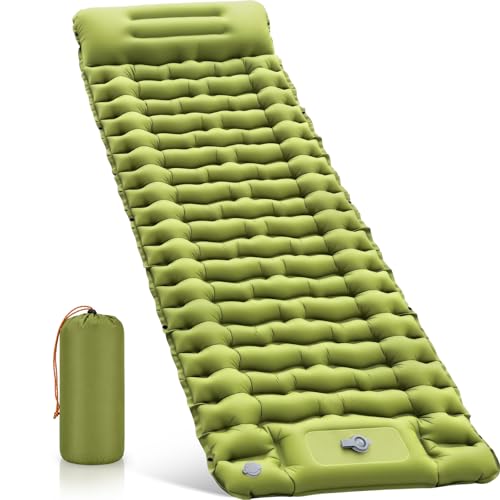
Backpacking through rugged terrain demands smart gear choices, and this ultralight inflatable sleeping pad with pillow stands out for travelers who value comfort without the weight. The wave-shaped air chamber molds to uneven ground, supporting your body evenly, while the built-in pillow aligns your neck and spine. I can inflate it fully in 50 seconds using the foot pump-no mouth breathing needed-and it deflates instantly. At just 1.5 lbs, it packs small and fits easily in my backpack. Durable 40D nylon with TPU resists punctures from rocks and twigs. I’ve used it in damp, rocky conditions, and it’s held up well. Two pads connect via snap-on sides to form a shared sleeping surface, which is ideal for couples or groups. It’s a reliable sleep solution where support, weight, and setup speed matter.
Best For: Backpackers and outdoor enthusiasts who prioritize lightweight, durable, and comfortable sleep solutions in rugged environments.
Pros:
- Wave-shaped air chamber and built-in pillow provide excellent body support and improved sleep quality
- Integrated foot pump allows for quick 50-second inflation and 1-second deflation, eliminating the need for mouth inflation
- Ultralight at 1.5 lbs and compact foldable design makes it ideal for backpacking, hiking, and van life
Cons:
- Higher price point compared to basic sleeping pads without built-in pillows
- Snap connectors may wear over time with frequent use for couples or group setups
- TPU coating, while durable, may be susceptible to degradation if stored improperly over long periods
Frelaxy Ultralight Sleeping Bag Liner

Light as a whisper and packing down smaller than a water bottle, the Frelaxy Ultralight Sleeping Bag Liner suits travelers who prioritize weight savings without sacrificing comfort. I’ve used it on backpacking trips and overnight buses, and its 196g–310g weight, depending on size, makes it easy to carry. Made of 100% polyester, it feels soft and breathes well, washing easily when needed. It fits inside sleeping bags or works alone in warm weather, adding warmth and hygiene. With no zipper but a pillow sleeve and storage bag included, it’s practical. Backed by a 1-year warranty, it’s a reliable, low-bulk sleep aid I keep ready.
Best For: Ultralight travelers and outdoor enthusiasts seeking a compact, low-weight sleep solution for backpacking, camping, or maintaining hygiene in shared sleeping environments.
Pros:
- Exceptionally lightweight (196g–310g) and packable, fitting into a space smaller than a water bottle
- Made of soft, breathable 100% polyester that is machine washable and quick-drying
- Doubles as a liner, travel sheet, or standalone sleep option in warm weather, with added pillow sleeve and storage bag
Cons:
- Lacks a zipper, which may reduce ease of entry and heat retention
- Polyester material, while durable, may not offer the same natural feel as cotton or silk
- Limited insulation, making it unsuitable for cold-weather use as a primary sleep system
Frelaxy Ultralight Sleeping Bag Liner

Need a sleep solution that keeps you comfortable without weighing down your pack? I’ve used the Frelaxy Ultralight Sleeping Bag Liner on trails and in sketchy hostels, and it’s reliable. It weighs as little as 196g, packs small, and cuts bulk in my backpack. The silky fabric feels soft on skin, breathes well, and dries fast-perfect for long trips. I appreciate the integrated pillow sleeve; it keeps my pillow in place and adds comfort. It works alone in warm weather or boosts warmth in a sleeping bag. Plus, it’s machine washable and holds up after repeated use, making hygiene easy on the road.
Best For: Travelers and outdoor enthusiasts seeking a lightweight, hygienic, and versatile sleep solution for backpacking, camping, or staying in hostels.
Pros:
- Exceptionally lightweight and compact, making it ideal for minimizing pack weight and space
- Soft, breathable fabric enhances comfort and provides a clean, skin-friendly sleep surface
- Doubles as a standalone sleeping bag in warm weather or adds warmth and hygiene as a liner
Cons:
- Not insulated, so it provides minimal warmth on its own in cold conditions
- Limited durability in extreme abrasion environments due to ultralight fabric
- Pillow sleeve may not accommodate larger travel pillows securely
DREAMCARE Memory Foam Camping Pillow (Red)

If you’re tackling long hikes with a heavy pack, every ounce counts-and the DREAMCARE Memory Foam Camping Pillow in red balances comfort and practicality without tipping the scale. At just 0.35 kg, it rolls into a compact, water-resistant bag that straps easily to your backpack. The hourglass shape supports your neck and shoulders, helping reduce strain whether you sleep on your back, side, or stomach. Premium memory foam with adjustable inserts lets me fine-tune firmness, while the soft microsuede cover feels cozy against my skin. It’s OEKO-TEX and CertiPUR certified, so I know it’s free from harmful chemicals. The removable cover is machine washable, which keeps things fresh after dusty trails. Available in five colors and two sizes, it’s a reliable choice for better sleep outdoors.
Best For: Outdoor enthusiasts and travelers seeking a lightweight, supportive, and easy-to-clean pillow that balances comfort and packability for backpacking, camping, and on-the-go adventures.
Pros:
- Lightweight and compact design with a water-resistant carrying bag for easy portability
- Ergonomic hourglass shape with adjustable memory foam provides excellent neck and shoulder support for all sleeping positions
- OEKO-TEX and CertiPUR certified, with a removable, machine-washable microsuede cover for safety and hygiene
Cons:
- Memory foam may retain heat in warm weather, potentially causing discomfort for hot sleepers
- Limited size options may not suit users preferring larger or more customizable pillows
- Bright red color (and other options) may show dirt more readily despite the washable cover
HIKEMAN Camping Memory Foam Pillow

The HIKEMAN Camping Memory Foam Pillow stands out for backpackers who prioritize both comfort and pack space, offering a balanced solution for those wrestling with neck strain on long trips. I appreciate its high-density memory foam, which keeps its shape and supports my neck without feeling too soft. At 38x25x10cm, it’s large enough for full neck and head support, yet compresses down to 25×12.5×12.5cm-easy to strap to my pack. Weighing just 430g, it doesn’t add much load. The removable, breathable cover is washable, which helps on multi-day trips. I’ve used it camping and at festivals, and it works well as a lumbar or neck pillow.
Best For: Backpackers and outdoor enthusiasts seeking a lightweight, compressible, and supportive pillow for neck and lumbar comfort during trips.
Pros:
- High-density memory foam retains shape and provides durable, firm neck support
- Compact when compressed and lightweight at 430g, ideal for packable comfort
- Removable, washable, and breathable cover enhances hygiene and convenience
Cons:
- Larger than some ultralight pillows, potentially taking more pack space when uncompressed
- Memory foam may retain heat in warm weather despite breathable fabric
- Not fully moldable for side sleepers seeking customized contouring
Accuracex Cotton Camping Pillow with Memory Foam
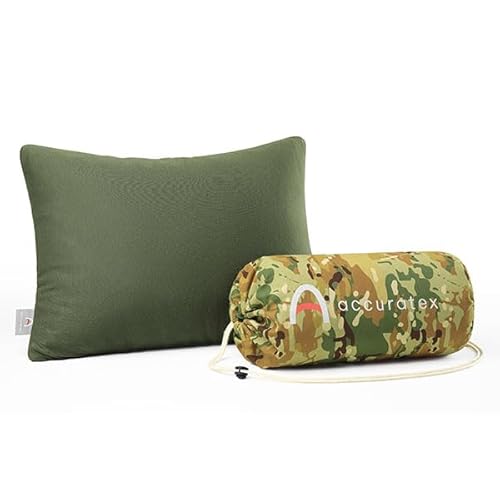
I’ve found the Accuracex Cotton Camping Pillow with Memory Foam works best for backpackers who prioritize both comfort and packability, especially those who run hot at night. Its 100% cotton jersey cover feels soft and breathes well, helping regulate temperature. Inside, gel-infused shredded memory foam offers support and compresses down to just 5×14.5 inches, fitting easily in my pack. It weighs only 1.47 pounds and comes with a storage bag and adjustable rope for flexible carrying. I use it as a sleep pillow, seat pad, or back support. The cover’s machine washable-just unzip and remove the filling.
Best For: Backpackers who prioritize comfort, breathability, and packability, especially those who sleep hot.
Pros:
- Soft, breathable 100% cotton jersey cover regulates temperature and is gentle on skin
- Gel-infused shredded memory foam provides support, compresses small (5×14.5 inches), and expands to full size (18L x 13W inches)
- Multi-functional design works as a sleeping pillow, seat cushion, or back support; machine-washable cover with removable filling
Cons:
- At 1.47 pounds, it may be slightly heavier than ultralight backpacking pillow alternatives
- Green color and plain pattern may not appeal to users seeking more visual variety
- Limited availability noted with a future release date (July 23, 2025), suggesting potential supply constraints
ACCURATEX Camping Pillow with Memory Foam

You’ll find the ACCURATEX Camping Pillow with Memory Foam especially suited if you’re a hot sleeper or need reliable neck and back support during travel, thanks to its gel-infused shredded memory foam core that stays cool and molds comfortably to your shape. I appreciate how the breathable 100% cotton jersey cover feels soft and washes easily-just unzip, toss it in the machine, and air dry. At 1.52 pounds, it’s lightweight enough to carry in my backpack or hang from a shoulder rope. Whether I’m camping, flying, or relaxing in a hammock, it supports my neck and expands quickly. It compresses small for storage, making it a practical, reusable option worth considering.
Best For: Hot sleepers and travelers needing versatile, comfortable neck and back support during camping, hiking, or long flights.
Pros:
- Features gel-infused shredded memory foam for cooling comfort and customizable firmness
- Made with a soft, breathable, 100% cotton jersey cover that’s removable and machine washable
- Lightweight and highly portable with an adjustable carry rope and compact storage when compressed
Cons:
- Slightly heavier than ultralight backpacking pillows at 1.52 pounds
- Memory foam may retain heat over time despite cooling gel, depending on environment
- Limited color options available, currently offered only in navy
Factors to Consider When Choosing Travel Sleep Accessories for Backpacking
You’ll want to take into account weight and packability since every ounce counts when you’re on the trail. Look for materials that balance durability with comfort, and don’t overlook how easy the item is to clean or whether it helps regulate temperature through the night. Your support and sleep quality depend on these features, so test options with a trial period if available.
Weight And Packability
Many of the best travel sleep accessories for backpacking weigh under a pound, making them easy to carry without adding strain on long hikes. You’ll want gear that packs down small-ideally to the size of a soda can-so it fits neatly in side pockets or tight spaces. Look for pieces that compress flat or roll tightly, like those with inflatable TPU bladders or shredded memory foam cores; they rebound well after being stuffed. Most ultralight options use thin but tough fabrics, like 40D nylon, to cut weight while resisting scratches and snags. Packed dimensions around 6.5 x 3.3 x 3.2 inches mean they won’t hog valuable room. When shopping, compare how much space and weight each item takes-every ounce and cubic inch counts on the trail. Choosing compact, lightweight sleep gear helps you move faster and sleep better, without overloading your pack or skimping on comfort.
Material And Durability
Strong materials make a real difference when your sleep gear faces daily packing, rough surfaces, and changing weather. You’ll want high-denier nylon, like 40D, since it resists punctures, tears, and abrasion while staying lightweight. TPU-coated fabrics add waterproof protection and strength, ideal for damp or rugged environments. If you choose items with polyester outer layers, you get breathable weaves that resist moisture, mildew, and long-term wear. Check for reinforced stitching or welded seams in inflatables-they prevent air leaks and hold up under pressure or friction. Also, pick materials rated for UV and temperature resistance so your gear won’t degrade in sun, cold, or shifting conditions. These features help your sleep accessories survive extended trips and harsh climates. You’re investing in reliability, minimizing mid-trip failures. When durability’s built in, your focus stays on rest, not repairs.
Comfort And Support
A well-designed sleep system starts with support that matches your body and sleep style. You’ll want ergonomic shapes-contoured or curved designs-that align your neck and spine, easing discomfort whether you sleep on your back or side. Memory foam molds to your body, offering pressure relief and steady support, especially on uneven ground. If you prefer customizable comfort, choose inflatable pillows or pads with adjustable firmness; they let you fine-tune support based on your weight or preferred sleeping position. Built-in pillows and lumbar support help maintain natural spinal alignment during long trips. Thickness matters too-4 to 5 inches cushions you from rocky terrain and adds insulation against cold ground. These features work together to improve rest without excess bulk, giving you restorative sleep that’s practical, reliable, and easy to adapt.
Ease Of Cleaning
When you’re weeks into a backpacking trip, keeping your sleep gear clean becomes just as important as comfort. Look for sleep accessories with removable, machine-washable covers so you can easily refresh them after heavy use. Choose models with side zippers or access points that let you remove filling before washing, helping preserve the integrity of the insert. Opt for quick-drying, moisture-resistant fabrics to prevent mildew and shorten drying time, especially in humid environments. Covers that are safe for spin-drying boost durability and reduce wear over time. Hypoallergenic and eco-friendly materials offer safer cleaning and minimize skin irritation across repeated trips. These features work together to maintain hygiene without sacrificing convenience. Prioritizing ease of cleaning means you’ll stay comfortable and healthy, no matter how long the trail gets.
Temperature Regulation
Since staying cool and comfortable affects both rest quality and recovery on the trail, choosing sleep accessories with smart temperature regulation matters more than you might think. Pick items made with gel-infused memory foam or breathable cotton-they wick moisture and help disperse heat, especially in warm climates. Look for fabric covers that let air flow; high breathability reduces trapped heat, keeping you steady across changing nighttime temps. Lightweight, open-cell foam cores boost air circulation inside pillows or liners, cutting overheating risks during long use. Synthetic fills and moisture-wicking layers dry fast, so you avoid that damp, clammy feel after sweating. Avoid dark or non-reflective materials-they absorb more heat. Instead, go for light-colored or heat-reflective fabrics to stay cooler in hot zones. These features work together to balance your body’s thermal needs without bulk.
Sleep Position Compatibility
Your sleep position plays a key role in how well you rest on the trail, so matching your gear to your natural posture matters. If you sleep on your side, go for thicker pillows or sleeping pads with built-in head support to keep your neck aligned with your spine. Back sleepers do best with moderate loft-enough to support the natural curve of your neck without raising your head too high. Stomach sleepers should pick thin, soft, or deflatable pillows to avoid neck strain and spinal twisting. Adjustable-firmness pillows let you tweak the loft, making them a flexible choice across positions. Contoured or ergonomic shapes cradle your neck and head, offering targeted support no matter how you sleep. Look for models with trial periods or warranties so you can test comfort without risk.
Versatile Functionality
A smart travel sleep accessory doesn’t just help you rest-it adapts to your needs across environments and activities. You’ll want items that pull double duty, like a pillow that supports your neck on planes and works as lumbar support while hiking. Look for adjustable firmness or compressibility so it packs small yet performs well in tents, hostels, or airport lounges. Designs that integrate with your existing gear-say, a sleeping bag liner with a built-in pillow sleeve-save space and boost comfort. Choose pieces that handle changing climates, offering breathability when it’s hot and layering capability when it’s cold. The best picks shift smoothly from sleeping to sitting or lounging without extra parts. That kind of versatility means fewer items to pack and more reliable performance wherever you land.
Frequently Asked Questions
Are These Accessories Suitable for Cold Weather Camping?
Yes, you can use these accessories in cold weather, but you’ll need to layer them smartly. A sleeping bag liner boosts warmth without adding bulk, and an insulated eye mask helps retain heat. Compact ear plugs won’t affect temperature. For best results, pair them with a cold-rated sleeping bag and pad. Most come with trial periods, so test them before committing. Check materials-fleece-lined options perform better in freezing temps.
Can I Use These on Airplane Flights?
you can use these on airplane flights, and they’ll serve you well. compact, lightweight, and designed for comfort in tight spaces, they adapt easily to flight conditions. the materials resist compression, so your neck support stays effective. most come with travel pouches and are airline-friendly. try them on short trips first-many brands offer trial periods. check warranty terms to guarantee coverage for frequent use. they’re practical for planes, not just trails.
Do Memory Foam Pillows Retain Odors?
Yes, memory foam pillows can retain odors, especially when new, due to off-gassing from manufacturing. You might notice a faint chemical smell at first, but it typically fades within a few days when aired out. Choosing ventilated or plant-based foams reduces this issue. Most brands allow returns if odors persist, so check warranty terms. Washing covers regularly helps prevent trapped sweat or mildew smells during travel.
Are Sleeping Bag Liners Machine Washable?
Yes, most sleeping bag liners are machine washable, but you’ll need to check the care label first. Silk liners require gentle cycles and mild detergent, while polyester and cotton blends handle regular washing better. You’ll want to air dry them to preserve fabric integrity. Machine washing keeps liners hygienic and fresh, extending their use across trips. Always follow manufacturer instructions to avoid shrinking or damage, and consider a liner’s washability when choosing one for long-term backpacking use.
How Do I Repair a Punctured Inflatable Pad?
You patch a punctured inflatable pad with a repair kit made for its material-usually included or sold separately. First, inflate the pad and find the leak by listening or submerging it. Dry the area, apply adhesive patch firmly, and let it cure overnight. Most brands offer warranties for unfixable damage. Test the repair before relying on it in the backcountry. Durable materials like TPU hold patches better than nylon. Always carry a backup plan, like a bivy or extra insulation.