Best Sleep Alignment Tools for a Perfect Night’s Rest
You align your spine best with tools designed for your specific sleep needs. Traction devices like the RESTCLOUD and Purify Life models use dense, supportive foam to ease neck and shoulder tension in short, controlled sessions. Positional trainers, including the Calma Clip and Sleep Apnea Vest, gently encourage side sleeping to reduce snoring and improve airflow. Most are lightweight, HSA-eligible, and non-invasive. Try models with adjustable support and washable covers for comfort and hygiene-each offers a different path to better rest.
We are supported by our audience. When you purchase through links on our site, we may earn an affiliate commission, at no extra cost for you. Learn more. Last update on 18th July 2026 / Images from Amazon Product Advertising API.
Notable Insights
- Cervical pillows with ergonomic curves support natural spine alignment during sleep for reduced neck pain.
- Positional sleep trainers promote side sleeping to minimize snoring and improve breathing patterns.
- Memory foam occipital release tools provide at-home traction for cervical spine and tension relief.
- Adjustable sleep position vests prevent back-rolling with built-in comfort barriers for uninterrupted sleep.
- Short daily use of cervical support devices helps correct posture and alleviate sleep-disrupting discomfort.
RESTCLOUD Neck and Shoulder Relaxer (Dark Blue)

If you’re dealing with neck stiffness, TMJ discomfort, or poor sleep from misaligned posture, the RESTCLOUD Neck and Shoulder Relaxer (Dark Blue) could be a practical choice for short-term neck relief. I’ve used it myself, and its dense polyurethane foam feels sturdy yet comfortable under my neck. The curved design fits naturally along my cervical spine, offering gentle traction when I lie on a yoga mat or floor. I stick to 10-minute sessions, never going past 30 minutes a day, since overuse can cause more harm than good. It’s portable, needs no setup, and helps stretch my neck vertically and horizontally. I notice less stiffness with consistent use, but I always stop if I feel pain, numbness, or dizziness. It’s not for sleeping on overnight, and I’d check with a healthcare provider first if you have existing neck issues.
Best For: People seeking short-term relief from neck stiffness, TMJ discomfort, or posture-related neck pain through gentle cervical traction.
Pros:
- Provides effective neck and shoulder relief with ergonomic, contour-matching design
- Made of sturdy, lightweight foam for portable and convenient use
- Delivers gentle traction to improve cervical alignment and reduce stiffness
Cons:
- Not suitable for overnight sleeping or long-duration use
- May cause discomfort or worsen symptoms if overused or used improperly
- Not recommended for individuals with pre-existing cervical conditions without medical consultation
RESTCLOUD Neck & Shoulder Relaxer (Black)

The RESTCLOUD Neck & Shoulder Relaxer (Black) stands out for anyone seeking gentle, at-home cervical support to improve spinal alignment and relieve everyday neck and shoulder tension. I use it on a firm floor or yoga mat, lying back so the curved polyurethane foam supports my neck just right. It helps stretch the spine, ease headaches and TMJ discomfort, and restore natural neck curvature with regular 10-minute sessions-never exceeding 30 minutes daily. It’s lightweight, portable, and requires no setup. I stop immediately if I feel pain or dizziness. I always consult a doctor first, especially with prior spinal issues.
Best For: Individuals seeking a non-invasive, portable solution for relieving neck and shoulder tension, improving spinal posture, and easing headaches or TMJ discomfort with gentle cervical traction at home.
Pros:
- Ergonomic design with polyurethane foam supports natural cervical alignment and provides effective spinal traction
- Lightweight and portable, ideal for use at home, outdoors, or while traveling with no assembly required
- Helps relieve neck pain, stiffness, and TMJ-related discomfort with recommended short daily sessions
Cons:
- Not suitable for individuals with severe cervical conditions without prior medical consultation
- Risk of discomfort or injury if used improperly or for longer than the recommended 30 minutes per day
- May cause initial mild discomfort, and is not intended for use as a sleeping pillow
Purify Life Occipital Release Tool
You’ll find the Purify Life Occipital Release Tool especially helpful if you’re dealing with tension headaches, TMJ discomfort, or neck and shoulder stiffness that interferes with sleep. I’ve used it daily, starting with just 1–2 minutes to let my muscles adjust, then gradually increasing to 10. Made with hypoallergenic memory foam and a washable cover, it’s safe and easy to maintain. Chiropractors and physical therapists recommend it for at-home cervical traction and myofascial release. While some feel a brief head-rush at first, most notice reduced tension over time. It’s HSA/FSA eligible, comes with clear instructions, and I can message support if I need help.
Best For: Individuals seeking drug-free, at-home relief from tension headaches, TMJ discomfort, and neck or shoulder stiffness.
Pros:
- Recommended by chiropractors and physical therapists for cervical traction and myofascial release
- Made with hypoallergenic memory foam and features a washable cover for safety and hygiene
- HSA/FSA eligible with clear instructions and accessible customer support
Cons:
- May cause temporary head-rush or discomfort for users with tight neck and shoulder muscles
- Requires gradual acclimation, starting with short 1–2 minute sessions
- Results may vary depending on individual condition and consistent use
RESTCLOUD Neck & Shoulder Relaxer (Blue)
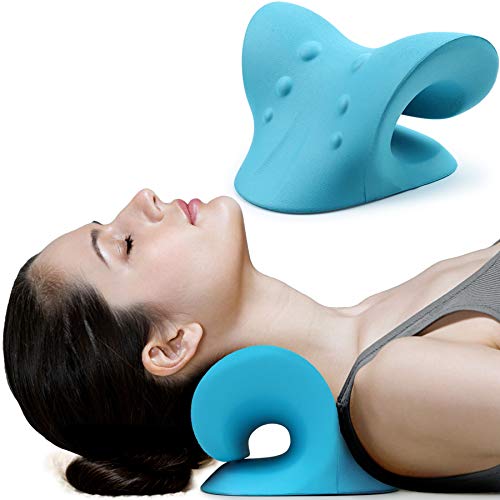
I find the RESTCLOUD Neck & Shoulder Relaxer (Blue) works best for people who spend long hours at a desk or often carry tension in their neck and shoulders, especially if poor posture has led to stiffness or mild cervical discomfort. Made of dense polyurethane foam, it’s sturdy yet comfortable, measuring 8.7 x 6.9 x 4.9 inches. I use it on a firm floor or mat, never as an all-night pillow. With the convex side up, I start with five-minute sessions, letting my neck gently stretch. It supports the C-curve of my spine, easing pressure over time. I adjust position slightly every few minutes and bend my knees for comfort. Most people adapt within a few days, though I stop if I feel pain or dizziness. It’s not for severe conditions, but it helps restore alignment when used carefully.
Best For: Individuals who spend long hours at a desk or suffer from neck and shoulder tension due to poor posture and mild cervical discomfort.
Pros:
- Ergonomic design supports natural cervical spine alignment and helps restore the neck’s C-curve
- Made of dense polyurethane foam for a sturdy yet comfortable experience during short relaxation sessions
- Offers dual traction modes (convex and concave) for customizable, progressive neck and shoulder relief
Cons:
- Not suitable for all-night sleep use or as a replacement for a regular pillow
- May cause mild discomfort during the initial 1–3 days of adaptation
- Should not be used by individuals with severe cervical conditions or those experiencing pain, numbness, or dizziness
Ball for Side Sleep Posture – Calma Clip v2
Looking for a simple, non-invasive way to shift from back sleeping to side sleeping? I’ve tried the Ball for Side Sleep Posture – Calma Clip v2 by Whole Nights, and it’s designed just for that. I clip it to the upper back of any shirt, with the plastic side out and foam against my skin, and it gently discourages rolling onto my back. It’s meant for people who snore in that position, not side or stomach sleepers. At first, I noticed the ball sometimes came loose overnight, but sticking with it nightly helped me settle into side sleeping naturally. It’s not a quick fix, but it’s a practical tool if you’re working to change sleep posture over time.
Best For: Back-sleeping snorers looking to transition to side sleeping to reduce snoring with a non-invasive, posture-training aid.
Pros:
- Encourages healthy side-sleeping habit formation over time
- Simple, portable design that works with any shirt
- Recommended by snore therapy experts as an effective positional aid
Cons:
- May detach during sleep in early use before habit develops
- Only effective for back sleepers; not suitable for side or stomach snorers
- Requires consistent nightly use-results aren’t immediate
WANYIDA Neck and Shoulder Relaxer pillow

One of the most practical cervical support tools for targeted neck and shoulder relief is the WANYIDA Neck and Shoulder Relaxer pillow, especially for individuals with stiff posture, chronic tension, or sedentary work routines. I’ve found it works by gently stretching the neck and realigning the cervical spine using a three-tier design based on real spinal models. Made from high-density EVA foam, it’s light at just 5 oz, fits anywhere, and lasts. I start with 2-minute sessions and add a minute daily-ideal for short-term therapy, not overnight sleep. Chiropractors recommend it, and it’s eligible for FSA/HSA funds, which helps if you’re considering cost.
Best For: Individuals with stiff posture, chronic neck and shoulder tension, or sedentary lifestyles seeking a portable, non-invasive therapy tool for cervical spine alignment and short-term relief.
Pros:
- Three-tier adjustable design tailored to various body types and spine models for personalized cervical support
- Made from durable, lightweight high-density EVA foam; portable and recommended by chiropractors and physical therapists
- FSA/HSA eligible, enhancing affordability for users seeking reimbursement through health spending accounts
Cons:
- Not suitable for full-night sleep, limiting use to short therapeutic sessions only
- Requires gradual acclimation with daily time increases, which may delay perceived effectiveness for some users
- Effectiveness may vary for individuals with severe cervical conditions or those needing more intensive medical intervention
Face Down Pillows for Massage & Recovery

A face down pillow is your best ally if you need safe, comfortable prone positioning for massage, recovery, or stomach sleeping. I use one to support my face without pressure on my nose or eyes, thanks to its contoured design and central face hole. The breathable material-over 60% airflow-lets me breathe easily during long sessions. It’s helped me sleep better, especially after surgery, and reduced facial compression. The removable, navy grey cover is soft, washable, and durable. I’ve used it on massage tables and in bed, and it’s held up well. If you need prone support, this is a practical, hygienic choice worth trying.
Best For: Individuals seeking safe, comfortable prone positioning during massages, post-surgery recovery, or stomach sleeping without facial pressure.
Pros:
- Ergonomic contoured design with face hole prevents pressure on eyes and nose
- Highly breathable material (60%+ airflow) ensures safe, unrestricted breathing
- Removable, washable navy grey cover enhances hygiene, comfort, and durability
Cons:
- May not suit side sleepers due to specialized prone design
- Limited color options with only navy grey available
- Specific use case limits versatility for general pillow use
Sleep Position Trainer for Apnea Snore Relief
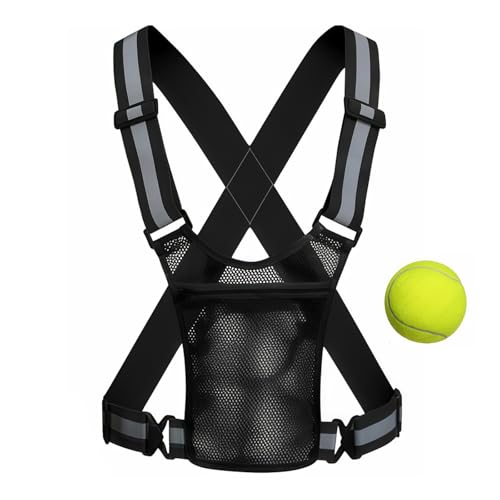
Who hasn’t woken up tired, knowing their sleep was broken by snoring or apnea episodes? I’ve found the Sleep Position Trainer helps by encouraging side sleeping, using a soft yet firm ball attached to an adjustable strap. It gently prevents me from rolling onto my back, reducing airway blockage. This non-invasive tool supports positional therapy, especially for those with positional sleep apnea. It’s lightweight, breathable, and comfortable for all-night wear, with no electronics or setup needed. The compact design works at home or while traveling. Simple and effective, it’s a practical option worth trying for better breathing and uninterrupted rest.
Best For: Individuals with positional sleep apnea or snoring issues who want a non-invasive, comfortable solution to encourage side sleeping and improve sleep quality.
Pros:
- Encourages side sleeping with a simple, effective strap-and-ball design to reduce snoring and airway obstruction
- Lightweight, breathable, and comfortable for all-night wear with no electronics or complicated setup
- Compact and travel-friendly, making it easy to use at home or on the go
Cons:
- May take time to adjust to wearing during sleep, especially for restless sleepers
- Effectiveness depends on consistent use and ability to adapt to positional changes
- Not suitable for non-positional sleep apnea or severe cases requiring medical intervention
Sleep Position Trainer for Side Sleeping
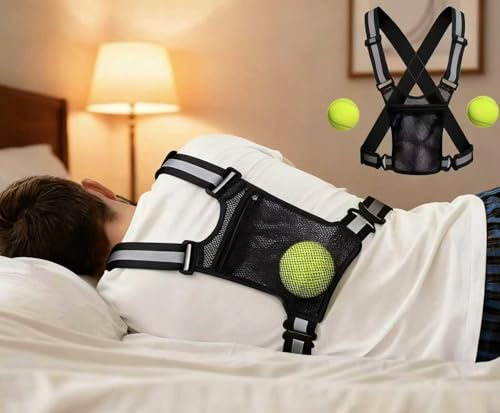
If you struggle with snoring or mild sleep apnea and tend to roll onto your back at night, this sleep position trainer is especially helpful for staying on your side-where breathing improves and airway obstruction drops. I use it nightly, and the soft and firm moderate balls gently train my body to stay on its side without feeling disruptive. Made from stretchy nylon, it adjusts easily to fit my torso and stays secure without squeezing too tight. At just 250 grams, it’s light enough to pack for trips and doesn’t add bulk under the sheets. I’ve noticed fewer snoring episodes and smoother breathing over time. It’s a simple, non-invasive tool that supports better sleep posture with consistent use, offering real help without complicated gear or setups.
Best For: Individuals who snore or have mild sleep apnea and need help maintaining a side-sleeping position to improve breathing and reduce airway obstruction.
Pros:
- Effectively encourages side sleeping using soft and firm moderate balls for natural positional training
- Lightweight (250g) and portable, making it ideal for both home and travel use
- Adjustable stretchy nylon design ensures a comfortable, secure fit for various body types
Cons:
- May feel uncomfortable for those unaccustomed to tactile feedback during sleep
- Not suitable for severe sleep apnea cases requiring medical intervention
- Requires consistent nightly use to see long-term posture improvement
Anti Snoring Sleep Apnea Vest

Since I started using the Anti Snoring Sleep Apnea Vest, I’ve noticed my breathing at night feels easier, especially because it stops me from rolling onto my back while I sleep. The built-in sleep ball gently encourages side sleeping, which helps reduce snoring and supports better airflow. It’s lightweight and adjustable, so it fits securely without feeling tight. I’ve used it at home and while traveling, and its compact design makes it convenient. Over time, I’ve found it trains my body to stay on my side. It’s backed by a no-questions-asked refund policy, which gives me confidence in trying it risk-free.
Best For: Individuals seeking a non-invasive solution to reduce snoring and support positional therapy for mild sleep apnea by encouraging side sleeping.
Pros:
- Effectively promotes side sleeping with a built-in sleep ball to reduce snoring and improve nighttime breathing
- Adjustable, lightweight design ensures comfort and a secure fit for various body sizes, suitable for home and travel
- Backed by a no-questions-asked refund policy, offering risk-free trial and customer confidence
Cons:
- May take time to adjust to the feel of wearing a vest during sleep
- Not a substitute for medical treatment in moderate to severe sleep apnea cases
- Effectiveness depends on consistent use and individual sleeping habits
Factors to Consider When Choosing Sleep Alignment Tools
You’ll want to match the tool to your intended use, whether it’s for back pain, snoring, or post-surgery support. Look for safe, breathable materials and a fit that stays comfortable all night, since long-term use demands durability and skin-friendly design. Check how long each product is meant to be worn and make sure it offers clear therapeutic benefits backed by trial periods or warranties.
Intended Use Purpose
When selecting a sleep alignment tool, start by identifying its primary purpose, as devices vary in function and design depending on the issue they address. Are you targeting spinal alignment, reducing snoring, or managing a condition like TMJ or sleep apnea? Pick a tool built for your specific need-some support cervical traction, while others aid occipital release or airway opening. Match it to your sleep position; side sleepers, for example, often benefit from tools that prevent neck strain and reduce supine-related breathing issues. Decide if you need short-term therapy or long-term posture training, since usage duration affects results. Look for adjustable features that let you progress safely over time, helping your body adapt without strain. Always confirm the device aligns with your condition and offers a way to ease into use-many include trial periods or customizable settings for smarter, individualized support.
Material Safety Quality
A well-made sleep alignment tool starts with safe, high-quality materials that support health without compromising comfort. You should choose products made with hypoallergenic materials to reduce the chance of skin irritation or allergies. Pick ones built with high-density, non-toxic foam tested for low emissions, so you aren’t exposed to harmful fumes over time. Make sure the outer cover is breathable and made from eco-friendly fabric to help air flow and prevent overheating. Always check that materials are free from phthalates, formaldehyde, and heavy metals, which can off-gas and harm your respiratory system. Look for models with removable, washable covers-this helps keep your tool clean and limits buildup of allergens, mold, or bacteria. These features work together to support both safety and hygiene, giving you a healthier sleep setup without extra risk.
Usage Duration Guidelines
Choosing the right sleep alignment tool involves more than just material safety and comfort-it also depends on how you use it over time. Start with just 1–5 minutes daily so your body can adjust gradually. You can increase use by 1–2 minutes each day, but most tools suggest not going past 10–20 minutes per session. Staying under 30 minutes total per day helps avoid muscle fatigue or worsening spinal issues. Some devices work better when you split use into several short sessions instead of one long one. This often boosts comfort and effectiveness. Most people need 1–3 days of daily use to adapt to the new alignment. Following these guidelines helps you get the most from your tool without overdoing it. Always check the manufacturer’s instructions, since recommendations vary by design and support level.
Comfort Fit Design
Though not all sleep alignment tools look the same, they should fit your body like a tailored solution, not a one-size-fits-all fix. You need a comfort fit design that contours precisely to your natural curves, offering targeted support for your cervical or lumbar spine without pressure points. Look for high-density or memory foam-it’s firm yet cushioned, adapting to your shape while holding up over time. Adjustable features let you tweak height, angle, or position to match your body and flexibility. An ergonomically shaped tool helps maintain a neutral spine, easing strain on muscles and joints. Choose breathable, hypoallergenic, and washable covers to stay comfortable and clean. These materials support consistent use without irritation. Test options with trial periods, and check warranties to guarantee long-term satisfaction.
Therapeutic Benefit Focus
When selecting a sleep alignment tool, keep your specific health goals in mind, because different designs deliver distinct therapeutic benefits. If you deal with neck pain or headaches, look for cervical traction devices that help restore your neck’s natural curve and ease TMJ or nerve-related discomfort. For posture support, choose tools with ergonomic contours that align the cervical or lumbar spine, especially when used on firm surfaces. If muscle tension or stiffness is a concern, opt for tools designed for myofascial or occipital release-they can ease cervicogenic headaches or sciatica symptoms. For snoring or mild sleep apnea, positional therapy devices help maintain a side-sleeping position to keep your airway open. Start with short sessions-just 1 to 5 minutes-and slowly increase as your body adjusts. This gradual approach helps you adapt safely while getting the most from your tool.
Professional Endorsement Value
Your search for effective sleep alignment tools gains credibility when guided by professional endorsement. Devices recommended by chiropractors or physical therapists often reflect clinical insight into spinal and postural health, meaning they support natural alignment. When a product is backed by specialists, it usually meets anatomical standards and promotes safe, non-invasive therapy. Many endorsed tools are tested for helping cervical misalignment, TMJ issues, or musculoskeletal pain. You’ll often find these included in rehabilitation plans, showing their trusted role in recovery. Plus, items with professional support are more likely eligible for HSA or FSA spending, thanks to recognized therapeutic value. Look for evidence of clinician testing or integration into treatment routines when comparing options. That detail can help you weigh long-term benefits over short-term comfort, guiding a smarter, health-focused choice without overpromising results.
Frequently Asked Questions
How Long Should I Use the Tool Each Night?
You should use the tool for 20 to 30 minutes each night, as most models recommend. You’ll get better results if you stick to a consistent routine. Some devices are safe for longer use, but always check the manufacturer’s guidelines. Start with shorter sessions to see how your body responds. Many tools come with a 30-day trial, so you can test effectiveness without risk.
Can I Use These Tools During Pregnancy?
Yes, you can use most sleep alignment tools during pregnancy, but you should check with your doctor first. Many pillows and supports are designed with safe, non-toxic materials and adjustable features that accommodate changing body shapes. Look for hypoallergenic covers and firm yet flexible support. Try options with a trial period so you can test comfort and effectiveness. Always follow product guidelines and medical advice to guarantee safety and proper spinal alignment while you sleep.
Are the Tools Safe for Children?
yes, most of these tools are safe for children, but you should always check age recommendations first. look for adjustable, hypoallergenic materials that support natural spine alignment. many brands offer trial periods, so you can test comfort and effectiveness. watch for any discomfort or changes in sleep patterns. consult your pediatrician if your child has existing health conditions. guarantee proper sizing-too firm or too soft might cause more strain than relief.
Do I Need to Replace the Tools Regularly?
You don’t need to replace sleep alignment tools often, but you should check them yearly for wear. Foam pillows lose support over time, usually lasting 1–2 years, while firmer options like memory foam or adjustable models last 3–5 years. If you notice sagging or poor alignment, it’s time to replace. Most quality tools come with trial periods or warranties, so test them to see what keeps your spine neutral. Replace only when performance drops.
Can I Travel With These Alignment Tools?
Yes, you can travel with these alignment tools-they’re designed to be portable and durable. Most are lightweight, compact, and made with travel-friendly materials like memory foam or flexible plastic. Some come with carrying cases for easy transport. They hold up well in luggage and adapt to different sleeping environments. Check warranty terms for damage coverage during travel, and try them at home first to confirm comfort and effectiveness before hitting the road.