Best Mattresses for Spinal Stenosis Relief and Comfort
You’ll want a mattress or topper that supports spinal alignment and reduces pressure on nerves. Models like the SyMax 4″ Cooling Foam Topper use gel-infused memory foam to contour without sinking too much, while Medacure’s bariatric mattresses offer firm, layered support for heavier individuals. Alternating air systems like the Drive Medical Med-Aire help prevent pressure sores with adjustable firmness. Many include warranties or trial periods, so you can test comfort over time-and see which one truly works for your needs.
We are supported by our audience. When you purchase through links on our site, we may earn an affiliate commission, at no extra cost for you. Learn more. Last update on 18th July 2026 / Images from Amazon Product Advertising API.
Notable Insights
- Medium-firm mattresses provide optimal spinal alignment by balancing support and cushioning for spinal stenosis relief.
- Zoned support targets narrow vertebrae areas, enhancing spinal stability and reducing nerve compression during sleep.
- Memory foam toppers contour to the body, relieving pressure on hips and shoulders while maintaining proper spine alignment.
- Alternating air pressure systems dynamically adjust to reduce pressure points and support immobile users with spinal stenosis.
- Strong edge support aids mobility, allowing safer transitions in and out of bed for individuals with stiffness or limited movement.
SyMax Queen Mattress Topper 4″ Cooling Foam

If you’re dealing with spinal stenosis and need targeted pressure relief without overheating, the SyMax Queen Mattress Topper 4″ Cooling Foam stands out as a solid choice for many sleepers. I’ve found its 4-inch gel-infused memory foam contours closely to the body, easing pressure points while supporting spinal alignment. The cooling gel and soft, cool-touch fabric help manage heat, which I appreciate during warmer nights. It stays in place with secure straps and features a zippered, removable cover that’s easy to clean. It expands fully in 24–72 hours and comes with a 10-year warranty plus lifetime customer support, giving me confidence in its long-term use.
Best For: Individuals with spinal stenosis or joint pain seeking pressure relief and cooling comfort in a supportive, medium-firm mattress topper.
Pros:
- Contours closely to the body with 4 inches of gel-infused memory foam for targeted pressure point relief
- Features cooling gel infusion and a soft, cool-touch fabric cover to regulate temperature and prevent overheating
- Includes secure straps, a removable zippered cover for easy cleaning, and comes with a 10-year warranty and lifetime support
Cons:
- May require 24–72 hours to fully expand, depending on room temperature
- Memory foam may retain odors temporarily upon unboxing
- Medium-firm feel may not suit those preferring a plush or very soft sleeping surface
SyMax Queen Mattress Topper (3 Inch, Gel Infused)
I find the SyMax Queen Mattress Topper (3 Inch, Gel Infused) works well for adults with spinal stenosis who sleep on a firm mattress and need a pressure-relieving layer without sinking too deeply. It uses medium-soft gel-infused memory foam that contours to your body while supporting spinal alignment. The cooling cover wicks moisture and improves airflow, helping regulate temperature. At 3 inches thick, it adds comfort without excessive sink. The removable, washable cover has a zipper and resists tearing. It’s not waterproof, but it’s easy to maintain with spot cleaning. It expands within 72 hours and comes with a 10-year warranty. CertiPUR-US certified, it’s safe and durable for long-term use.
Best For: Adults with spinal stenosis who need a pressure-relieving, medium-soft layer to improve comfort on a firm mattress while maintaining spinal alignment.
Pros:
- Medium-soft 3-inch gel-infused memory foam provides contouring support without excessive sink, ideal for pain relief and spinal alignment
- Removable, washable cooling cover with zipper enhances temperature regulation and ease of maintenance
- CertiPUR-US certified and backed by a 10-year warranty for safety, durability, and long-term use
Cons:
- Not waterproof, making it vulnerable to liquid damage without additional protection
- May take up to 72 hours to fully expand after unboxing, requiring patience before use
- Fabric blend (polyester and polyethylene) may not be as breathable as natural fibers for some users
SyMax Twin XL Gel Memory Foam Topper
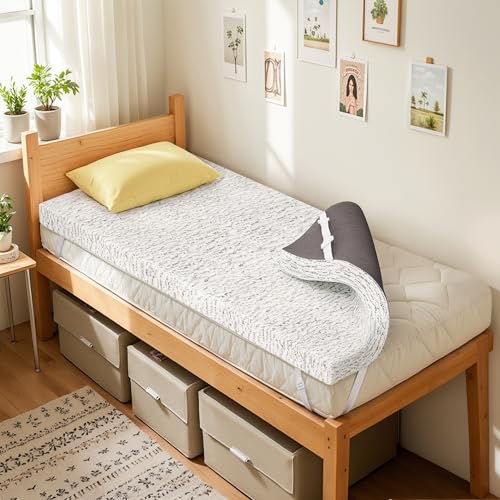
The SyMax Twin XL Gel Memory Foam Topper works best for people with spinal stenosis who sleep on a firm mattress that lacks pressure relief, especially side sleepers needing extra cushioning for the hips and shoulders. I find it adds 4 inches of gel-infused foam that contours to your body while drawing heat away, thanks to cooling agents and a moisture-wicking cover. It fits tightly on twin XL beds and helps extend your mattress’s life. The zip-off cover is machine washable, and the CertiPUR-US certified foam meets safety standards. It comes with a 10-year warranty and expands within 72 hours after unboxing.
Best For: Side sleepers with spinal stenosis or those on overly firm mattresses needing pressure relief and cooling comfort.
Pros:
- Adds 4 inches of gel-infused memory foam for enhanced cushioning and heat dissipation
- Features a removable, machine-washable cover with moisture-wicking and cooling technology
- Certified by CertiPUR-US and backed by a 10-year warranty for safety and durability
Cons:
- May take up to 72 hours to fully expand after unboxing
- Not water resistant, limiting protection against spills or accidents
- At 17.6 pounds, it may be heavy to move or adjust frequently
Medacure Bariatric Foam Hospital Mattress (80″x42″x6″)
A solid choice for heavier or taller individuals managing spinal stenosis, the Medacure Bariatric Foam Hospital Mattress offers targeted support and pressure relief where it’s needed most. I’ve found its three layers of high-density visco elastic and viscose elastic foam evenly distribute weight, reducing pressure points that can worsen pain. The 80″x42″x6″ size gives extra room, while convoluted foam boosts airflow and minimizes heat buildup. Its 70-denier nylon cover resists moisture and stays in place thanks to a non-skid bottom. I can remove the zippered cover easily for cleaning-ideal for long-term care or home use.
Best For: Heavier or taller individuals, especially those managing spinal stenosis or in need of bariatric support, seeking pressure relief and durability in home or care settings.
Pros:
- Combines three layers of high-density memory and viscose elastic foam for superior pressure redistribution and comfort
- Convoluted foam design enhances airflow, reduces heat buildup, and supports spinal alignment
- Durable 70-denier removable, zippered nylon cover with non-skid bottom for safety, stability, and easy cleaning
Cons:
- At 6 inches thick, may not provide sufficient support for patients requiring advanced pressure ulcer prevention
- Foam may soften over time under constant use, potentially reducing long-term firmness
- Higher profile size (80″x42″) may not fit all standard hospital bed frames without adjustment
Vaunn Medical Cloud Air Mattress Topper

Looking for relief while sleeping due to spinal stenosis? I’ve tried the Vaunn Medical Cloud Air Mattress Topper, and it uses Air-Lift Technology with 130 air cells that inflate and deflate in a wave pattern to reduce pressure and improve circulation. It’s designed for long-term bed use, helping prevent sores while keeping the surface cool. The whisper-quiet pump runs 24/7, offers adjustable firmness, and works with standard twin beds. Made from medical-grade vinyl, it’s durable, waterproof, and easy to clean. It supports up to 300 lbs and stays securely in place with anchor flaps. Setup’s simple, thanks to clear instructions and intuitive controls.
Best For: Individuals seeking therapeutic relief from pressure points, poor circulation, or spinal discomfort during prolonged bed rest, including those with conditions like spinal stenosis or bed sores.
Pros:
- Utilizes Advanced Sleep Wave Therapy with 130 air cells to continuously relieve pressure, enhance blood flow, and maintain a cool sleep surface
- Features a whisper-quiet pump with adjustable firmness settings for personalized comfort and 24/7 operation
- Constructed with durable, medical-grade waterproof vinyl and secure anchor flaps for hygiene, stability, and ease of use
Cons:
- Limited to standard twin bed sizes, which may not suit all users or bed types
- Requires continuous power (110V outlet), making it unsuitable for portable or off-grid use
- Maximum weight capacity of 300 lbs may not accommodate all users
Medacure Pressure Relief Hospital Mattress (76″x36″x6″)
When spine health is a priority, this mattress stands out for those managing spinal stenosis, especially if you need firm, consistent support combined with pressure relief. I’ve found its three-layer high-density memory foam offers solid spinal alignment while the convoluted top layer helps distribute pressure evenly. It’s designed to reduce bed sores, which matters if you’re less mobile. The 70-denier nylon cover is waterproof, removable, and easy to clean-great for long-term care at home. It fits standard hospital and home beds, and since it expands right after unboxing, you can use it immediately. While firm, the foam still cushions sensitive areas, making it practical for side sleepers or heavier individuals needing structure without sacrificing comfort.
Best For: Individuals seeking firm spinal support with pressure-relieving comfort, especially those managing spinal stenosis, limited mobility, or needing a durable, easy-to-clean solution for home or long-term care.
Pros:
- Three-layer high-density memory foam provides excellent spinal alignment and pressure redistribution
- Waterproof, removable 70-denier nylon cover with non-skid bottom for safety and easy maintenance
- Rapid decompression after unboxing allows immediate use in home, senior, or bariatric care settings
Cons:
- May feel too firm for individuals preferring plush or soft mattress surfaces
- 6-inch thickness offers support but may not suffice for high-risk pressure ulcer patients
- Convoluting on foam may wear over time with frequent cleaning or heavy use
Vive Alternating Air Pressure Mattress Pad

If you’re dealing with prolonged immobility or recovering from surgery related to spinal stenosis, the Vive Alternating Air Pressure Mattress Pad can offer targeted support that helps reduce the risk of bed sores. It evenly distributes your weight and cycles air through its chambers to relieve pressure points, which aids healing and comfort. The ultra-quiet pump runs smoothly without disturbing your sleep, and you can adjust the firmness with a simple dial for a personalized feel. A foam frame adds stability and keeps the pad from shifting. It’s durable and designed for long-term use, backed by a 1-year pump warranty and a 60-day guarantee on the pad.
Best For: Individuals with prolonged immobility or recovering from spinal surgery who need pressure relief and bed sore prevention.
Pros:
- Effectively reduces pressure points with alternating air chambers to help prevent bed sores
- Ultra-quiet pump ensures peaceful operation for home or hospital use
- Adjustable firmness settings and durable foam frame for customized comfort and stability
Cons:
- Limited warranty coverage with only 60 days for the pad component
- May require an adjustment period for users sensitive to air movement
- Replacement parts or repairs could be costly after warranty expires
Medacure Bariatric Foam Hospital Mattress (80″x48″)
The Medacure Bariatric Foam Hospital Mattress (80″x48″) stands out as a strong option for individuals with spinal stenosis who also need extra support due to bariatric needs or limited mobility, since its three-layer design combines high-density viscoelastic memory foam with convoluted foam to evenly distribute weight and reduce pressure points. I find it especially useful for older adults or those with limited movement, as it helps prevent pressure ulcers while supporting spinal alignment. Its 70 denier waterproof cover resists spills, wipes clean, and stays in place thanks to a non-skid bottom. The mattress is ready to use right after unboxing and fits standard hospital or home care frames, offering practical comfort without overheating.
Best For: Individuals with bariatric needs, limited mobility, or spinal stenosis who require pressure relief, spinal alignment, and durable, easy-to-clean support in home or clinical settings.
Pros:
- Three-layer foam construction provides excellent pressure redistribution and spinal support
- Waterproof, removable 70 denier nylon cover with non-skid bottom for safety and infection control
- Ready to use immediately with no setup required and fits standard hospital and home care frames
Cons:
- May retain heat despite convoluted foam design aimed at improving airflow
- 80″x48″ size may not fit all standard bed frames without adjustment
- Not intended for high-risk patients requiring advanced pressure ulcer prevention systems
Vaunn Medical Cloud Air Mattress Topper
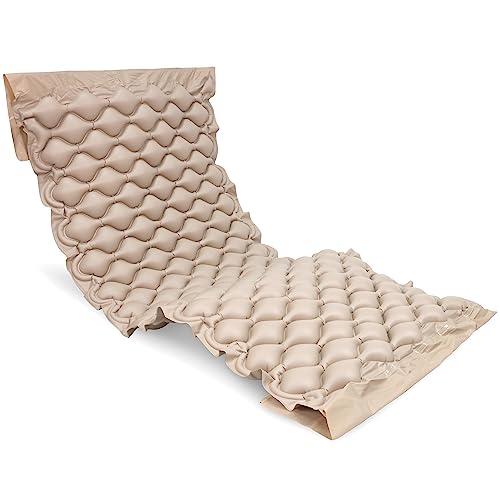
You’ll find the Vaunn Medical Cloud Air Mattress Topper best suits individuals managing spinal stenosis who also face risks like pressure ulcers or need extra support during prolonged bed rest. I use 130 air cells with alternating inflation to reduce pressure points and promote circulation. My medical-grade vinyl construction is waterproof, heat-sealed, and supports up to 300 lbs. I fit most twin mattresses, connect to standard outlets, and operate quietly with Sleep Wave Therapy for muscle relaxation. I don’t include a pump but work with most U.S. systems. I’m reusable, hand-wash only, and designed for long-term care-ideal if you need pressure relief without sacrificing comfort.
Best For: Individuals with spinal stenosis or pressure ulcer risks who need therapeutic support and pressure relief during extended bed rest.
Pros:
- Utilizes 130 alternating air cells with Sleep Wave Therapy to enhance circulation and reduce pressure points
- Made with durable, waterproof, medical-grade vinyl that’s antimicrobial, hypoallergenic, and supports up to 300 lbs
- Quiet operation and reusable design ideal for long-term care on most twin-size mattresses
Cons:
- Does not include pump-requires separate purchase and compatible U.S. 110V system
- Hand wash only, which may limit ease of cleaning for some users
- Replacement pad only, may not fit non-standard or oversized mattresses securely
Drive Medical Med-Aire Low Air Loss Mattress

Though not designed specifically for spinal stenosis, I find the Drive Medical Med-Aire Low Air Loss Mattress best suits those needing advanced pressure relief and skin protection, especially if I’m managing prolonged immobility or fragile skin. It uses 20 replaceable 8-inch air bladders to evenly distribute pressure while the low air loss system reduces heat and moisture. The removable, fluid-resistant cover breathes well and minimizes friction. I can adjust cycle times and firmness, and the system switches back to alternating pressure after 2 hours in static mode. It supports up to 450 pounds and includes alarms to monitor performance, making it reliable for long-term use.
Best For: Individuals needing advanced pressure relief and skin protection, particularly those with prolonged immobility or fragile skin.
Pros:
- Provides effective pressure redistribution with 20 replaceable 8-inch air bladders and alternating pressure modes
- Low air loss and breathable, fluid-resistant cover help manage moisture and reduce skin breakdown
- Adjustable cycle times, comfort settings, and auto-return feature enhance user comfort and safety
Cons:
- Not specifically designed for spinal stenosis, limiting targeted support for that condition
- Requires continuous power to maintain therapeutic functions
- May be too high off the bed surface for some patients, affecting transfer safety
Factors to Consider When Choosing a Mattress for Stenosis
You’ll want a mattress that supports your spine while easing pressure on sensitive areas, especially if you’re dealing with spinal stenosis. Look for models offering strong support, cooling materials to manage heat, and adjustable firmness so you can fine-tune the feel. Features like zoned support and responsive foams help maintain alignment, and a solid trial or warranty can make testing your options less risky.
Support Level Needs
When choosing a mattress for spinal stenosis, support level plays a key role in how well your spine stays aligned through the night. You’ll want something medium-firm to firm, as it helps reduce nerve compression by keeping your back in a neutral position. A quality mattress shouldn’t let your lower back sag, which can worsen pain. Look for models with zoned support-these add extra reinforcement along the spine, especially where vertebrae are narrow. Materials like memory foam can help, but they should contour without letting you sink too deeply. You need a balance: enough give to fit your shape, but enough push-back to keep you supported. Strong edge support also matters, since it makes getting in and out of bed easier when movement is stiff or limited.
Pressure Point Relief
A well-chosen mattress can make a real difference in how your body feels each morning, especially when you’re managing spinal stenosis. Pressure point relief helps ease strain on compressed nerves by spreading your weight evenly as you sleep. You’ll want a mattress with adaptive materials like memory foam, since they mold to your shape and reduce pressure on sensitive spots like your lower back and hips. Layered designs that pair a soft, responsive top with a supportive base offer cushioning without sacrificing stability. Some advanced models even use alternating air cells or dynamic surfaces to adjust automatically, which is helpful if you stay in one position for long periods. These features don’t just feel good-they’re built to support your body’s actual needs, easing nerve-related discomfort through smarter design. Look for models with long trial periods so you can test this relief safely at home.
Spinal Alignment Benefits
While managing spinal stenosis, maintaining proper spinal alignment during sleep isn’t just helpful-it’s essential for reducing nerve compression and easing discomfort. You need a mattress that supports your spine’s natural curve, keeping your cervical, thoracic, and lumbar regions balanced. This reduces foraminal narrowing and lessens pressure on nerve roots, which can decrease radiating pain. Studies show medium-firm mattresses offer the best balance-soft enough to cushion joints, but firm enough to prevent sinking that misaligns your spine. Look for contoured support that cradles your body’s shape without forcing an unnatural position. Consistent alignment means fewer nighttime disruptions and less pain when you wake. A well-aligned spine moves more easily, improving mobility and rest. Choose models with proven support layers and consider trial periods to test alignment over time.
Material Cooling Properties
Proper spinal alignment sets the foundation for comfortable sleep, but staying cool throughout the night also plays a key role in managing spinal stenosis symptoms. You’ll want a mattress that actively dissipates heat. Look for gel-infused memory foam-it pulls heat away from your body and keeps the surface from getting too warm. Phase change materials (PCMs) adjust to temperature shifts, absorbing heat when you’re hot and releasing it when you cool down. Open-cell foam boosts airflow, so heat doesn’t get trapped in the layers. Mattresses with moisture-wicking covers made from polyester and polyethylene blends draw sweat off your skin and dry fast. Convolution patterns, like egg-crate foam, increase air movement between you and the mattress, helping disperse warmth. These features work together to maintain a steady, cooler sleep environment-important if pain or medication affects your body temperature control.
Firmness Customization Options
Since spinal stenosis affects how your spine aligns during sleep, you’ll want a mattress that lets you fine-tune firmness to match your body’s needs. You can adjust support on each side with dual-firmness models, which is ideal if you share the bed and need different feels. Air chamber systems let you change firmness with a remote, offering up to 100 levels so you can respond to shifting pain or sleep positions. Dual-layer or zoned support targets areas like your lower back, helping keep your spine aligned and reduce nerve pressure. Split king setups let both sleepers customize firmness independently, so one person’s needs don’t compromise the other’s comfort. These features give you control over how your body is supported, making it easier to find a position that reduces stenosis symptoms night after night.
Ease Of Movement
Smooth movement during the night starts with a mattress that responds to your body, not fights it. You need a bed that supports easy shifting without trapping you. A medium-firm to firm feel often works best, offering the structure you need to roll over with less effort. Look for materials like latex or high-density foam-they contour just enough but snap back quickly when you move. That fast recovery reduces strain during position changes. Strong edge support is a must; it gives you a stable base when sitting or getting in and out of bed. Hybrid or foam models with reinforced edges help you feel secure. Low-motion transfer means your movements aren’t disrupted by bounce or instability. These features work together so you can adjust comfortably, night after night, without fighting your mattress.
Frequently Asked Questions
Can I Use a Mattress Topper With an Adjustable Bed?
Yes, you can use a mattress topper with an adjustable bed, as long as it’s flexible enough to bend at the joints without slipping. Look for toppers made from memory foam or latex since they conform well and won’t shift easily. Avoid thick, rigid models that might crease or bunch when the bed moves. Make sure the topper isn’t so deep that it restricts the bed’s range of motion or affects remote function.
Are These Toppers Safe for Side Sleepers With Stenosis?
Yes, you can safely use a mattress topper with an adjustable bed. Look for ones made of memory foam or latex that offer pressure relief and maintain alignment. These materials conform to your body, easing side-sleeping strain on joints and nerves. Choose a topper under 3 inches to avoid slipping or bunching. Most quality toppers work well with adjustable bases and come with warranties, so test one to see how it supports your comfort.
How Often Should I Replace a Foam Mattress Topper?
You should replace a foam mattress topper every 3 to 5 years, depending on use and quality. Heavy nightly use or lower-density foams wear out faster, losing support and comfort. High-density memory foam lasts longer but still compresses over time. You’ll notice sagging, lumps, or reduced pain relief. Check manufacturer guidelines-some offer warranties up to 5 years. Replace it when it no longer keeps your spine aligned or feels less cushioned.
Do Cooling Gel Toppers Lose Effectiveness Over Time?
Yes, cooling gel toppers do lose effectiveness over time. The gel breaks down with prolonged use and heat exposure, reducing its ability to draw heat away from your body. You’ll notice less temperature regulation after 1–3 years, depending on density and quality. Higher-density foams tend to last longer. Check warranty terms-some brands cover performance degradation. For lasting comfort, consider pairing with breathable bedding and monitoring sleep temperature changes regularly.
Can I Wash the Cover of the Vaunn Cloud Air Topper?
Yes, you can wash the cover of the Vaunn Cloud Air topper-it’s removable and machine washable. You’ll want to use cold water and a gentle cycle, then air dry or tumble dry on low heat to prevent shrinking or damage. Regular cleaning helps maintain freshness and performance. Just unzip the cover carefully and avoid bleach or harsh detergents. Doing this prolongs the topper’s comfort and hygiene, supporting long-term sleep quality.