Best Comforters for Allergies That Keep You Comfortable All Night
Choose a comforter with a tightly woven, hypoallergenic shell of 2 microns or smaller to block dust mites, pollen, and pet dander effectively. Look for sealed zippered encasements and third-party certifications for proven allergen protection. Opt for moisture-wicking, breathable fabrics like bamboo-derived viscose or 100% polyester microfiber to stay cool and dry. Models with box stitching prevent fill shift, while machine-washable designs simplify care. Consider fill type, breathability, and warranty to match your sleep needs-more details await.
We are supported by our audience. When you purchase through links on our site, we may earn an affiliate commission, at no extra cost for you. Learn more. Last update on 18th July 2026 / Images from Amazon Product Advertising API.
Notable Insights
- Choose comforters with allergen barrier weaving and 2–10 micron pores to block dust mites, pollen, and pet dander effectively.
- Opt for hypoallergenic, Oeko-Tex 100 certified fabrics free from harmful chemicals and irritants for safer sleep.
- Select models with sealed zippered encasements and BugShield zippers to prevent allergen infiltration and bedbugs.
- Prioritize moisture-wicking, breathable materials like bamboo viscose to regulate temperature and reduce mold risk.
- Look for box-stitched construction and corner tabs to prevent fill shifting and ensure lasting comfort and even warmth.
SERTA Down Alternative Comforter King/Cal King
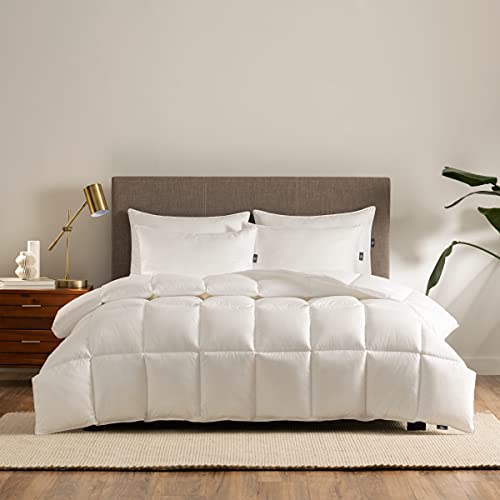
If you’re someone who deals with dust mite allergies or sensitivities to down, the SERTA Down Alternative Comforter in King or California King could be a solid choice, thanks to its Allergen Barrier Weaving and hypoallergenic treatments that actively block common irritants. I find it helps maintain a fresh, clean sleep environment, especially since it resists odors and wicks moisture. It’s made of 100% polyester microfiber with a 300 thread count twill weave, so it’s soft, durable, and holds up well after washing. At 110” x 96”, it fits large beds comfortably and works year-round, staying fluffy without overheating. Four corner loops keep it stable inside a duvet, and it’s machine washable-just use cold water and low heat to preserve it.
Best For: People with dust mite allergies or sensitivities to down who want a hypoallergenic, year-round comforter that stays fresh and fluffy.
Pros:
- Hypoallergenic treatments and Allergen Barrier Weaving help block allergens, dust mites, and odors
- Made with durable, soft 100% polyester microfiber that retains quality after repeated washing
- Features four corner loops for secure duvet cover attachment and even comforter positioning
Cons:
- Synthetic polyester material may not breathe as well as natural down for hot sleepers
- Extra fluffiness might feel too bulky for those who prefer lightweight bedding
- Requires careful washing (cold, low heat) to maintain loft and longevity, not ideal for top-loading machines
SERTA Down Alternative Comforter Full/Queen
The SERTA Down Alternative Comforter in Full/Queen size is a solid choice for anyone with allergies who wants reliable, year-round comfort. Measuring 92” x 96”, it fits most Full and Queen beds snugly while maintaining breathability in all seasons. I appreciate that it’s made from 100% polyester microfiber with a 300 thread count twill weave-this keeps it soft, durable, and moisture-wicking. The hypoallergenic treatment and allergen-blocking weave help reduce dust mite exposure, which matters if you’re sensitive. Four corner loops hold it securely in a duvet, and it’s machine washable without losing softness.
Best For: Allergy sufferers and year-round sleepers seeking a hypoallergenic, durable, and low-maintenance comforter that offers consistent comfort across seasons.
Pros:
- Hypoallergenic treatment and allergen-blocking weave help reduce exposure to dust mites and allergens
- Four built-in corner loops keep the comforter securely in place inside a duvet cover
- Machine washable and retains softness after repeated washing, ensuring long-lasting comfort
Cons:
- Made of 100% polyester, which may not appeal to those preferring natural fibers
- Lightweight design may not provide enough warmth for cold winter sleepers
- Requires a large front-loading washer and dryer for optimal care, which not all users may have
Olive + Crate Bamboo Cooling Comforter King

I sleep hot and wake up sneezing less with the Olive + Crate Bamboo Cooling Comforter King, especially since I have dust allergies and need bedding that won’t trap irritants. The 100% viscose-from-bamboo cover feels cool and resists moisture, while the fill-40% bamboo viscose, 60% recycled polyester-is hypoallergenic and doesn’t clump. Box stitching keeps the fill evenly distributed, and corner loops help it stay put on my duvet insert. It’s lightweight, breathable, and holds up well after washing, staying soft without pilling. I appreciate that it’s Oeko-Tex 100 certified, so I know it’s free from harmful chemicals, making it a reliable choice for sensitive sleepers.
Best For: Hot sleepers with allergies who want a cooling, hypoallergenic, and eco-conscious comforter that’s soft, durable, and easy to care for.
Pros:
- Made with a 100% viscose-from-bamboo cover that is naturally cooling, moisture-wicking, and gentle on sensitive skin
- Hypoallergenic and Oeko-Tex 100 certified, ensuring it’s free from harmful chemicals and safe for allergy sufferers
- Durable construction with box stitching, corner loops, and a non-clumping fill that stays soft and evenly distributed after repeated washing
Cons:
- Some may find the lightweight warmth less suitable for very cold climates or winter months
- Requires gentle washing and low tumble drying to maintain fabric integrity and softness
- Higher price point compared to conventional down alternative comforters without eco-certifications
Utopia Bedding Duvet Insert Queen

You’ll find the Utopia Bedding Duvet Insert Queen a solid pick if you’re sensitive to allergens and need a reliable, low-maintenance sleep essential. I’ve used it for months, and its 100% polyester microfiber resists dust mites while staying breathable. The box-stitched design keeps the siliconized fiberfill evenly distributed, and the four corner tabs prevent shifting inside your duvet cover. It’s warm enough for winter but works year-round, including spring and fall. I toss it in the washer on cold, no problem, and skip the dryer heat to avoid damage. Lightweight at just over five pounds, it’s durable, affordable, and earns its 4.5-star rating.
Best For: Allergy sufferers and budget-conscious shoppers seeking a low-maintenance, year-round duvet insert.
Pros:
- Hypoallergenic 100% polyester microfiber resists dust mites and is breathable
- Box-stitched design with corner tabs keeps fill evenly distributed and prevents shifting
- Machine washable and durable for long-term use across all seasons
Cons:
- Lacks the plushness and loft of premium down fills
- May retain slight odors after washing due to synthetic materials
- Not suitable for high-heat drying, limiting drying options
TEXARTIST Premium Queen Comforter with Corner Tabs

A solid choice for allergy sufferers who want a lightweight, breathable comforter without sacrificing warmth is the TEXARTIST Premium Queen Comforter with Corner Tabs. I use 100% polyester fabric and a whole piece 4D spiral fiberfill that resists clumping while staying soft and warm. My baffle box stitching keeps the fill evenly distributed, and I won’t shift or flatten over time. I come with eight corner tabs to secure me inside a duvet cover, so I stay in place. I’m machine washable in cold water and safe to tumble dry on low. I don’t shrink or fade if you follow the care instructions. I work well year-round and fit standard beds.
Best For: People seeking a hypoallergenic, lightweight, and durable all-season comforter that resists clumping and stays in place with corner tabs.
Pros:
- Hypoallergenic down alternative fill is ideal for allergy sufferers
- Baffle box stitching and 4D spiral fiber prevent clumping and ensure even warmth
- Includes 8 corner tabs for secure duvet cover attachment and is machine washable
Cons:
- Made of 100% polyester, which may not appeal to those preferring natural fabrics
- May require a large-capacity dryer to avoid potential shrinkage during drying
- Solid white color may show stains more easily over time
National Allergy Cotton Duvet Protector Full/Queen

This duvet protector suits sleepers seeking effective allergen defense without sacrificing comfort. I rely on its 100% cotton construction, with a 300-thread-count weave that feels soft and breathes well, while blocking particles as small as 2.6 microns. The BugShield Zipper System fully seals my comforter, using a double zipper and fabric shield to stop dust mites and allergens from sneaking in. It’s lightweight, quiet, and doesn’t crinkle. I toss it in the washer regularly, and it holds up great over time. National Allergy backs it with a lifetime warranty, which gives me confidence in its durability and long-term protection for better sleep hygiene.
Best For: Individuals seeking a breathable, hypoallergenic duvet protector that provides complete allergen and dust mite protection without compromising comfort.
Pros:
- Made from 100% cotton with a 300-thread-count for softness, breathability, and durability
- Features the BugShield Zipper System for full encasement, effectively blocking particles as small as 2.6 microns
- Machine washable with a lifetime warranty, ensuring long-term use and easy maintenance
Cons:
- May fit snugly on thicker comforters due to encasement design
- Higher price point compared to basic duvet covers
- Available only in standard Full/Queen size, limiting options for custom bedding
Serta Queen Comforter 100% Cotton Duvet Insert
For those managing allergies without sacrificing comfort, the Serta Queen Comforter 100% Cotton Duvet Insert stands out with its hypoallergenic fill processed through FreshLoft technology, making it a solid choice for sensitive sleepers. I’ve found its 90% goose feather and 10% down blend offers medium warmth, ideal across seasons. The 100% cotton cover breathes well and resists noise, while the sewn-through box design keeps fill evenly distributed, eliminating cold spots. It has four corner loops for attaching to a cover and a durable self-piped edge to prevent leakage. Though it’s dry-clean only, its OEKO-TEX-certified fill is odorless and safe. Weighing 8 pounds, it delivers balanced loft without heaviness.
Best For: Allergy-sensitive sleepers seeking a breathable, hypoallergenic, and seasonally versatile duvet insert with a soft cotton cover and balanced warmth.
Pros:
- Hypoallergenic fill processed with FreshLoft technology and OEKO-TEX certified for safety and odor-free performance
- 100% cotton cover with 233-thread count offers breathability, softness, and noiseless comfort
- Sewn-through box construction and corner loops prevent fill shifting and ensure secure fit inside a duvet cover
Cons:
- Dry clean only, which increases long-term maintenance cost and limits cleaning convenience
- Contains feather and down, which may not suit vegan or non-animal product preferences
- Heavier at 8 pounds, which may feel too substantial for those who prefer lightweight bedding
Mission: Allergy Dust Mite-Proof Comforter (Twin)

If you’re highly sensitive to dust mites or pet dander, the Mission: Allergy Dust Mite-Proof Comforter (Twin) blocks 100% of allergens thanks to its medical-grade, third-party-verified microfiber shell with a 2-micron pore size, so you get protection without sacrificing breathability. I trust its tightly woven, 100% polyester microfiber shell-it’s certified bedbug-proof and tested by Indoor Biotechnologies. The DreamFill inside feels light and downy, with 60% less fill for cooler sleep. Its diamond-quilted design keeps filling evenly spread. Made in the USA, it needs no extra encasing. Unlike basic “hypoallergenic” labels, this one truly blocks allergen buildup, a fact noted by The New York Times and Health magazine.
Best For: People with severe dust mite or pet dander allergies who need a medical-grade, fully protective, and breathable comforter.
Pros:
- Blocks 100% of dust mite and pet dander allergens with a 2-micron pore size, third-party tested by Indoor Biotechnologies
- Certified bedbug-proof and made with a silky-soft, tightly woven 100% polyester microfiber shell that requires no additional encasing
- Lightweight DreamFill with 60% less fill for cooler sleep, diamond-quilted design to prevent shifting, and breathable, water-repellent fabric
Cons:
- Higher price point compared to standard hypoallergenic comforters due to medical-grade certification and testing
- Limited color options (White, Natural, Blue-Gray), which may not suit all bedroom decors
- Twin size only, making it less suitable for users seeking larger sizes or coordinated bedding sets
Serta Goose Feathers Down Comforter Queen

Serta’s Goose Feathers Down Comforter Queen suits sleepers seeking a soft, breathable design with reliable warmth distribution, especially those sensitive to dust or irritants thanks to its 100% cotton cover. I like that it’s filled with 90% white goose feather fiber and 10% down, offering balanced loft and warmth without overheating. The sewn-through construction keeps fill evenly spread, reducing cold spots. With 8 corner loops, it stays secured in a duvet cover, minimizing shifting. I recommend the Medium Warmth for year-round use, especially if you run hot. It arrives compressed, so I let mine fluff up overnight. Dry cleaning works best, though a quick tumble on low heat helps revive loft.
Best For: Sleepers who prefer a soft, breathable, and evenly insulated down comforter with hypoallergenic cotton fabric and versatile warmth options.
Pros:
- Features a 100% cotton cover that’s skin-friendly and resistant to allergens
- Balanced 90% goose feather and 10% down fill provides consistent loft and warmth without overheating
- Sewn-through construction and corner loops prevent fill shifting and secure fit in duvet covers
Cons:
- Dry cleaning recommended, which may be inconvenient or costly over time
- Requires time to regain loft after being vacuum-packed upon arrival
- Medium Warmth may not be sufficient for very cold climates despite all-season claims
SERTA Hypoallergenic Comforter Set (Full/Queen)

This comforter set stands out for those prioritizing clean sleep, especially if allergies or sensitivities affect rest. I appreciate how the hypoallergenic treatment actively inhibits odor and allergen growth, making it a smart choice for sensitive sleepers. Made from soft, durable polyester microfiber, it resists stains and wrinkles while holding up well over time. The set includes one 90 x 90-inch comforter and two 20 x 26-inch pillow shams, fitting full or queen beds neatly. It’s machine washable-just wash cold and tumble dry low-so upkeep is simple. I’ve found it works well not just in bedrooms, but on couches or during travel, offering consistent, low-maintenance comfort.
Best For: Allergy-sensitive individuals seeking a clean, low-maintenance bedding option that offers soft comfort and durability.
Pros:
- Hypoallergenic and stain-resistant treatment helps inhibit allergens and odors
- Made from durable, soft polyester microfiber that resists wrinkles
- Machine washable and easy to care for, suitable for everyday use or travel
Cons:
- Limited size options, only fits full/queen beds
- Solid white color may show stains over time despite stain resistance
- Polyester material may not be as breathable as natural fibers for hot sleepers
Factors to Consider When Choosing a Comforter for Allergies
You’ll want to choose a comforter made with hypoallergenic materials that reduce irritation if you’re sensitive to common allergens. Look for designs with allergen barrier technology and dust mite resistance, since these features help block triggers that can disrupt your sleep. A good option also wicks moisture and allows for easy care, so it stays clean and effective over time.
Hypoallergenic Material Benefits
While not all comforters are created equal when it comes to allergy relief, choosing one made from hypoallergenic materials can make a meaningful difference in reducing nighttime symptoms. You’ll benefit from tightly woven fabrics with pores as small as 2.6 microns that block dust mites and pet dander. Materials like 100% polyester microfiber or bamboo-derived viscose resist mold, mildew, and odor-causing bacteria, helping keep your sleep environment cleaner. Many hypoallergenic down alternatives use non-clumping synthetic fills that stay hygienic after repeated washing. Some include anti-allergen treatments that actively suppress dust mite growth in the fill and shell. Look for Oeko-Tex 100 certification to guarantee the materials are free from harmful substances that could trigger sensitivities. These features work together to support better breathing and fewer allergic reactions, giving you a more restful, uninterrupted night’s sleep without constant irritation.
Allergen Barrier Technology
Tightly woven fabrics with pore sizes as small as 2 microns form the foundation of allergen barrier technology, creating a strong defense against dust mites, pollen, and pet dander that can disturb your sleep. You’ll want materials tested and certified to block 100% of common allergens, ensuring reliable, medical-grade protection. Look for water vapor-permeable barriers that let your comforter breathe while still keeping irritants out. Pairing this weave with a hypoallergenic filling stops allergens from building up inside. Fully sealed zippered encasements, especially those with auto-locking zippers and fabric-covered seals, close off any entry points. These features work together to create a continuous shield, making your bedding safer and easier to manage if allergies affect your rest. Check for trial periods or warranties that let you test the comforter’s performance over time.
Dust Mite Resistance
Since dust mites are a common trigger for allergies, choosing a comforter that actively resists their presence makes a meaningful difference in sleep quality. Look for fabrics with pores of 10 microns or smaller-they block mites physically. Tightly woven materials, especially those with thread counts at 300 or higher, limit allergen passage and improve protection. Allergen barrier weaving adds a breathable micro-layer that keeps mites out without trapping heat. For real assurance, pick comforters with third-party certifications that prove 100% allergen blockage in lab tests. Remember, “hypoallergenic” only means the fill won’t cause allergies-it doesn’t stop mites from living in the fabric. True resistance needs full encasement or dense construction. These features help you stay comfortable and reduce nighttime symptoms, supporting better sleep continuity and healthier rest over time.
Moisture Wicking Properties
Keeping your sleeping environment dry plays a key role in reducing allergy triggers, building on the protection a dust mite-resistant cover offers. You’ll want a comforter with moisture-wicking properties, as these fabrics pull sweat away from your body and speed up evaporation. This helps keep the sleeping surface dry and limits humidity buildup inside the comforter, discouraging mold and mildew growth. Breathable, moisture-wicking materials also support better thermal regulation, so you’re less likely to overheat or sweat excessively at night. Since damp conditions attract dust mites, keeping moisture low reduces allergen spread. Look for comforters made with engineered fibers or special weaves that boost airflow and move moisture efficiently. These high-performance fabrics maintain dryness without sacrificing comfort. Choosing one improves sleep hygiene and supports a consistently fresh, allergen-reduced bed climate night after night.
Easy Care Maintenance
When choosing a comforter that won’t aggravate allergies, how easily you can clean it matters just as much as its fabric or fill. You’ll want one labeled machine washable in cold water on a gentle cycle, so you can remove allergens without risking fiber damage. Tumble drying on low heat helps maintain loft and prevents moisture buildup, which can encourage dust mites and mold. Pick materials like tightly woven microfiber or bamboo-derived viscose since they stay soft and hold their shape after repeated washes. Avoid any labeled dry clean only-it’s less convenient and adds long-term cost. Instead, go for washable comforters with quick-drying, moisture-wicking properties to reduce humidity in the bedding. These features keep conditions less welcoming to allergens while making routine care simple. Easy maintenance means fewer missed cleanings and more consistent protection night after night.
Certified Safe Fabrics
Look for comforters made with fabrics certified by Oeko-Tex Standard 100, as they’re independently tested to guarantee no harmful chemicals remain in the material, giving you peace of mind with every breath. You’ll also want to choose materials with hypoallergenic certification, which means they’re processed to resist dust mites, mold, and pet dander. Tightly woven fabrics with pores at 2.6 microns or smaller block common allergens effectively. Third-party labs like Indoor Biotechnologies test these barriers, so you know the claims are backed by science. If you’re sensitive, go for products with the asthma & allergy friendly® mark-they meet strict standards for allergen resistance, breathability, and cleaning ease. These certifications don’t just sound impressive; they guarantee the fabric performs as promised. You’re not just buying comfort-you’re investing in cleaner sleep, breath by breath, night after night.
Sealed Encasement Design
You’ve already considered fabrics tested and certified for safety, but how those materials are constructed matters just as much. A sealed encasement design with a zippered closure creates a complete barrier, keeping allergens, dust mites, and their byproducts out-and in. Look for encasements with pores at 2.6 microns or smaller; they block irritants while still allowing airflow so you don’t overheat. Fully encasing the comforter means no gaps for allergens to sneak through, giving you uninterrupted protection all night. Some models use advanced zippers with auto-locking features or fabric shields to seal potential openings and maintain resistance. Tightly woven seams also reduce moisture buildup, which helps prevent mold and dust mites. This construction doesn’t just block- it breathes, balances, and lasts. Check if the brand offers a trial or warranty so you can test long-term comfort with confidence.
Frequently Asked Questions
Can I Wash These Comforters in a Regular Washing Machine?
Yes, you can wash these comforters in a regular washing machine, but check the care label first. Most are machine-washable with mild detergent on a gentle cycle. Use cool water and avoid bleach or fabric softeners to protect the hypoallergenic filling. Balance the load to prevent clumping, then tumble dry low with clean tennis balls to restore fluff. Some require professional cleaning, so confirm specifics. Always follow the warranty guidelines to maintain coverage during home laundering.
Are These Comforters Safe for Pets on the Bed?
Yes, you can safely let pets on these comforters. They’re made with tightly woven, allergen-resistant fabric that holds up to pet hair and dander without trapping odors. Most models have durable, machine-washable shells that survive frequent cleaning, even with pet accidents. A few come with stain-resistant coatings, but check care labels-some need gentle cycles. Pair them with a washable protector to extend lifespan. Warranties often cover manufacturing flaws, not pet damage, so inspect policies before relying on coverage.
Do Any of These Comforters Have a Strong Chemical Smell?
You might notice a slight odor when you first unpack some hypoallergenic comforters, especially those treated for dust mite resistance or made with synthetic fibers. That smell usually fades within a day or two after airing out. Look for OEKO-TEX certified options-they’re tested for harmful chemicals and typically have little to no off-gassing. If you’re sensitive, choose down alternative fills with natural coatings, and always check return policies in case the scent lingers longer than expected.
How Often Should I Replace an Allergy-Friendly Comforter?
You should replace your allergy-friendly comforter every 3 to 5 years, depending on wear and care. Even with regular washing, fibers break down and allergens can accumulate over time. Hypoallergenic fabrics and tightly woven shells help block allergens but lose effectiveness with prolonged use. Check for clumping, thinning, or lingering odors-these signal it’s time to replace. Look for models with trial periods or warranties so you can test comfort and durability risk-free.
Will These Comforters Make Me Sweat During Hot Weather?
You won’t automatically sweat in hot weather-many allergy-friendly comforters use breathable, moisture-wicking fabrics like cotton, bamboo, or TENCEL. They’re often filled with lightweight, hypoallergenic synthetics or down alternatives that allow airflow. Look for models labeled “cooling” or “temperature-regulating.” Check if the comforter has a loose weave or baffle-box construction to prevent heat buildup. Most brands offer trials, so test it in summer to confirm comfort.