Best Baby Sleep Noise-Canceling Solutions Parents Trust
You can trust baby sleep noise-canceling solutions like Alpine Muffy and Dreamegg for safe, effective sound reduction. These earmuffs cut noise by up to 25 dB, use hypoallergenic, BPA-free materials, and fit snugly without pressure on delicate heads. The Dreamegg sound machine offers 21 calming sounds, USB-C charging, and portability. Most include carrying cases and fit infants 0–36 months. With CE, ANSI, and CPC certifications, they balance safety and performance-knowing more helps you choose the best fit for your child’s needs.
We are supported by our audience. When you purchase through links on our site, we may earn an affiliate commission, at no extra cost for you. Learn more. Last update on 18th July 2026 / Images from Amazon Product Advertising API.
Notable Insights
- Look for baby earmuffs with 23–25 dB noise reduction to safely muffle disruptive sleep noises without blocking essential sounds.
- Choose hypoallergenic, BPA-free materials and soft padding to ensure comfort and safety for infant-sensitive skin.
- Opt for lightweight, adjustable designs that fit securely without pressure on the fontanelle during sleep.
- Trusted models like Alpine Muffy and Yoofoss meet CE and ANSI standards, offering reliable, certified hearing protection.
- Pair noise-canceling earmuffs with portable sound machines featuring lullabies and white noise for optimal sleep environments.
Alpine Muffy Baby Ear Protection (Green)
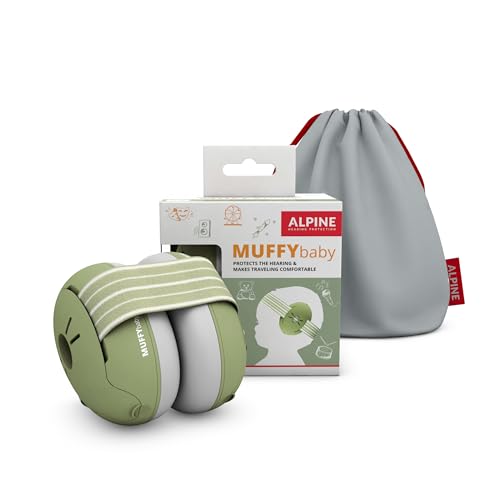
When loud environments threaten my baby’s sleep, the Alpine Muffy Baby Ear Protection (Green) becomes my go-to solution, especially for infants under 18 months who need gentle yet effective hearing protection. It reduces noise by 23 dB SNR, meeting both CE and ANSI standards, so I know it’s safe around fireworks or on planes. The soft, non-compressive headband won’t press on my baby’s fontanelle, and it’s free of BPA, silicone, and hard parts. Made with hypoallergenic ABS, PVC, and PU, it’s comfortable and easy to adjust for heads up to 17.5 inches.
Best For: Parents seeking safe, comfortable, and effective noise reduction for infants under 18 months, especially during travel or loud events.
Pros:
- Reduces noise by 23 dB SNR and meets both CE and ANSI safety standards for reliable hearing protection
- Soft, non-compressive headband designed to avoid pressure on the fontanelle, with hypoallergenic, BPA- and silicone-free materials
- Adjustable fit for head circumferences up to 17.5 inches, suitable for infants up to 4 years with easy portability via included carrying pouch
Cons:
- May not fit older children or those with larger head sizes beyond 4 years
- PVC and PU padding, while soft, may raise durability concerns with extended daily use
- Higher price point compared to basic infant ear muffs without the same certification standards
Alpine Muffy Baby Noise Reduction Earmuffs (Black)

If you’re looking for a reliable way to protect your baby’s hearing during noisy travel or events, the Alpine Muffy Baby Noise Reduction Earmuffs (Black) stand out as a smart, safety-focused choice. I trust these because they offer 23 dB SNR noise reduction, certified under both US and EU standards. The multi-layered foam and soft padding reduce sound effectively while staying gentle on delicate ears. Made without BPA or silicone, they use hypoallergenic materials that won’t irritate sensitive skin. The soft headband avoids pressure on the fontanelle, which matters for infants under 18 months. It’s adjustable, slips securely in place, and comes with a carrying pouch for trips.
Best For: Parents seeking safe, comfortable, and certified hearing protection for infants under 18 months during noisy travel or loud events.
Pros:
- Offers 23 dB SNR noise reduction certified under both US (ANSI) and EU (CE) standards for reliable hearing protection
- Made with hypoallergenic, BPA- and silicone-free materials and a soft headband that avoids pressure on the fontanelle for infant safety
- Lightweight, adjustable design with anti-slip fit and included carrying pouch for easy portability and use during travel
Cons:
- Limited size adjustability may not fit older toddlers or larger heads as babies grow beyond 18 months
- Foam padding, while soft, may retain heat during prolonged use in warm environments
- Higher price point compared to non-certified infant earmuff alternatives on the market
Baby Earmuffs Noise Cancelling Headphones (25dB NRR)

One pair of baby earmuffs stands out for parents who frequently travel or attend loud events with infants under 36 months-these noise-canceling headphones deliver a reliable 25dB NRR, substantially lowering sound exposure from airplane engines, fireworks, and crowded venues. I’ve found they help reduce auditory stress, which in turn supports better sleep during trips. Made with safe, BPA-free materials like ABS and PU, they include soft ear pads and a three-position headband that adjusts comfortably without pressing on soft spots. Lightweight and foldable, they fit easily into a travel bag. The included storage case makes them convenient for on-the-go use, and their CE and CPC certification confirms safety compliance.
Best For: Parents who frequently travel or attend loud events with infants aged 0–36 months and need reliable hearing protection and noise reduction.
Pros:
- Provides effective 25dB NRR noise reduction, ideal for protecting infants’ hearing in loud environments like airplanes and fireworks
- Made with safe, BPA-free materials and features a soft, adjustable headband that avoids pressure on the fontanel
- Lightweight, foldable design with included storage bag enhances portability and travel convenience
Cons:
- Limited headband adjustability beyond three positions may not fit all infant head sizes perfectly
- Ear cups may feel bulky on smaller babies, especially under 6 months
- Noise reduction is passive (not active electronic cancellation), so very high-frequency sounds may still penetrate
Baby Noise Cancelling Headphones (Blue)
These blue BBTKCARE Baby Noise Cancelling Headphones are a solid choice if you’re looking for reliable hearing protection for your infant during noisy outings or nap times. They reduce noise by up to 23 dB, which helps shield delicate ears from loud sounds like airplanes or fireworks. The soft, padded design covers ears fully with zero pressure, and the adjustable headband guarantees a secure, lightweight fit-just 1.76 ounces. Made from BPA-free, silicone-free materials, they’re safe and certified for both US and EU standards. At 5.4 x 2.75 x 6 inches, they’re easy to pack. With a 4.6-star rating from over 16,000 reviews and Amazon’s 30-day return, trying them is low-risk.
Best For: Parents seeking safe, lightweight, and portable noise protection for infants aged 3 months to 3 years during loud events or travel.
Pros:
- Reduces noise by up to 23 dB, providing effective hearing protection for infants in loud environments
- Soft, zero-pressure padded design with adjustable headband ensures comfort and secure fit for delicate ears
- Lightweight (1.76 oz) and compact (5.4 x 2.75 x 6 in) for easy portability and travel, with safety certifications for US and EU standards
Cons:
- May not fit securely on babies with larger heads due to limited headband adjustability
- No active noise cancellation technology, relies solely on passive noise reduction
- Some users may find the design less durable with extended heavy use
Dreamegg Portable Noise Machine with 21 Soothing Sounds

The Dreamegg Portable Noise Machine with 21 Soothing Sounds is a strong choice for parents who need reliable, on-the-go sleep support for their baby-especially if nighttime quiet or consistent naps are hard to maintain. I use it at home and while traveling because the 1800mAh rechargeable battery lasts all night, and it fits easily on a stroller or nightstand. With 21 sounds-from white noise to lullabies-it helps my baby relax faster and sleep longer. I set the timer and volume to match our routine, and the child lock keeps settings safe. It’s also helped me unwind after long days. The neutral design blends anywhere, and the memory function saves time.
Best For: Parents and caregivers seeking a portable, reliable sound machine to help babies and adults fall and stay asleep in various environments.
Pros:
- Long-lasting 1800mAh rechargeable battery supports full-night and nap-time use without recharging
- 21 soothing sound options including white noise, lullabies, and nature sounds for personalized sleep support
- Compact, cordless design with child lock, timer, and memory function for convenience and safety
Cons:
- Sound options, while varied, may lack advanced customization for audiophiles or clinical sound therapy needs
- No built-in AC adapter-relies solely on USB-C charging for power replenishment
- Lanyard attachment may not be secure enough for active toddlers or rough travel conditions
Alpine Muffy Baby Ear Protection (Blue)

I know how tough it is to help a baby sleep through noisy environments, especially when you’re trying to protect their developing hearing. The Alpine Muffy Baby Ear Protection (Blue) offers 23 dB SNR noise reduction, is CE and ANSI certified, and limits harmful noise exposure. Designed in the Netherlands, it features a soft, adjustable headband that avoids pressure on the fontanelle, fitting heads from 17.5 inches. Made with hypoallergenic, BPA-free materials, it’s comfortable for newborns up to age 4. The ABS, PVC, and PU padding guarantee secure, irritation-free wear. It includes a carry pouch for easy portability and works well during travel, events, or daily use.
Best For: Parents seeking safe, certified hearing protection for infants and toddlers up to age 4 in noisy environments.
Pros:
- Provides 23 dB SNR noise reduction, CE and ANSI certified for proven hearing protection
- Soft, adjustable headband designed to avoid pressure on the fontanelle, ideal for newborns and young children
- Made with hypoallergenic, BPA-free materials and includes a portable carry pouch for convenience
Cons:
- May not fit older children or those with larger head sizes beyond the 17.5-inch minimum circumference
- Limited color options within the baby-specific line
- Foam padding may require careful cleaning to maintain longevity and hygiene
Magicteam White Noise Machine with 20 Soothing Sounds
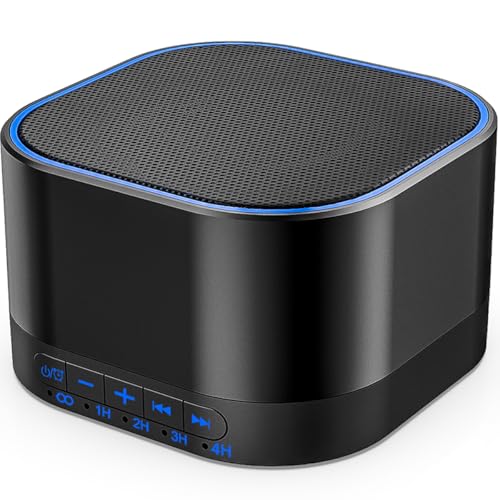
I’ve found the Magicteam White Noise Machine works especially well for parents seeking a reliable sleep aid for infants, thanks to its 20 non-looping natural sounds that play seamlessly through the night. I use the rain and white noise options most-they mimic steady rhythms that help my baby settle quickly. With 32 volume levels and a sleep timer that lasts up to four hours-or runs continuously-it’s easy to tailor settings for naps or bedtime. It’s compact enough to travel with and works plugged in via USB or AC adapter. The unit remembers your last settings and carries safety certifications, so I feel confident using it long-term.
Best For: Parents and caregivers seeking a safe, portable, and customizable sleep aid for infants and young children.
Pros:
- Offers 20 non-looping natural sounds including white noise, rain, and ocean to effectively soothe babies and promote uninterrupted sleep
- Features 32-level volume control and flexible timer options (1–4 hours or continuous play) for tailored sleep routines
- Compact, travel-friendly design with dual power options (USB or AC) and safety certifications (FCC, CE, RoHS)
Cons:
- Lacks Bluetooth or app connectivity for remote control or sound updates
- No built-in battery, limiting portability when away from a power source
- Sound output may be too soft for larger rooms or noisy environments
Baby Ear Protection Noise Reduction Earmuffs Yellow

Looking for a reliable baby sleep noise-canceling solution that works during travel or loud events? I’ve found the Baby Ear Protection Noise Reduction Earmuffs in yellow (model BB8817) especially helpful. They offer a 23 dB noise reduction, ideal for blocking airplane, train, or fireworks noise without electronics or batteries. The soft padding and zero-pressure fit keep my baby comfortable, while the adjustable headband guarantees a secure hold. Made from BPA-free, silicone-free materials, they’re safe for sensitive skin. At just 6.7 ounces, they’re lightweight and easy to pack. Certified in the US and EU, with a solid 4.6-star average from over 16,000 reviews, they’re returnable on Amazon-making trial simple and low-risk.
Best For: Parents seeking a safe, portable, and effective noise-reduction solution for infants aged 3–36 months during loud events or travel.
Pros:
- Provides 23 dB noise reduction, ideal for blocking airplane, fireworks, and train noise
- Lightweight (6.7 oz), portable, and features an adjustable headband for a secure, comfortable fit
- Made from BPA-free, silicone-free materials and certified safe for infants in the US and EU
Cons:
- Not designed for children over 36 months, limiting long-term use
- Effectiveness may vary in extremely loud environments exceeding 23 dB reduction capacity
- Some users may find the yellow color less gender-neutral compared to other options
Yoofoss Baby Ear Muffs Noise Protection

The Yoofoss Baby Ear Muffs Noise Protection is an ideal choice for parents seeking reliable hearing safety for infants exposed to loud environments, especially during travel or outdoor events. I’ve found these earmuffs offer a solid 25dB noise reduction, filtering harmful sounds while letting in enough background noise so my baby stays aware but undisturbed. The soft cushions and pressure-free headband protect delicate skulls, and the spacious cups fully cover tiny ears without squeezing. Made from durable ABS and free of BPA or silicone, they’re safe and long-lasting. The adjustable Velcro fit stays secure, and the included pouch makes them easy to carry. I use them on planes, at fireworks, and even during naps near noisy settings-my baby sleeps better, and I worry less.
Best For: Parents seeking safe, effective, and portable noise protection for infants aged 0–36 months in loud environments like travel, concerts, or fireworks.
Pros:
- Provides 25dB noise reduction while allowing awareness of ambient sounds
- Soft, pressure-free design with spacious ear cups for infant comfort and safety
- Durable ABS construction, free from BPA and silicone, with convenient carrying pouch
Cons:
- May not fit securely on babies with very small or irregular head sizes
- Artificial leather covering may retain heat during prolonged use
- Velcro closure could wear over time with frequent adjustments
Hatch Rest Baby Sound Machine (2nd Gen)

A solid choice for parents seeking an all-in-one sleep aid that grows with their child, the Hatch Rest Baby Sound Machine (2nd Gen) blends a sound machine, night light, and sleep trainer into a single compact device. I rely on its Wi-Fi connectivity to adjust sounds and dim the light from my phone, even mid-sleep routine. It supports healthy habits with customizable white noise, music, and stories, plus time-to-rise alerts that teach independence. The touch controls offer quick access, and the portable design fits most rooms. While it requires a cord and safe placement away from moisture, its proven track record-backed by tens of thousands of reviews-and 30-day return policy make it a practical, well-tested option for long-term use.
Best For: Parents seeking a versatile, long-term sleep solution that grows with their child from infancy through toddlerhood and beyond.
Pros:
- Combines sound machine, night light, sleep trainer, and alarm clock in one intuitive, app-controlled device
- Supports independent sleep with customizable light and sound routines, including time-to-rise alerts
- Highly rated with tens of thousands of positive reviews and a 30-day return policy for risk-free trial
Cons:
- Requires constant power via cord, limiting placement and portability without an outlet
- Full functionality depends on Wi-Fi and a smartphone app, which may not suit all households
- Some advanced features require a paid Hatch+ subscription after the trial period ends
Factors to Consider When Choosing Baby Sleep Noise Cancellation
You’ll want to check the noise reduction level so it’s strong enough to block distractions but not so loud it’s unsafe. Make sure the product has safety certifications, uses non-toxic materials, and fits your baby’s age and size for comfort and security. A well-designed option should combine soft, breathable materials with a secure fit, letting you test it confidently, especially if returns or warranties are offered.
Noise Reduction Level
When choosing noise-canceling solutions for your baby’s sleep, pay close attention to the noise reduction level-aim for products rated between 23 dB and 25 dB, as this range efficiently dampens loud, harmful sounds like traffic or thunder without silencing important background noise. A 23 dB SNR lowers ambient noise by about 23 decibels, making it easier to compare protection across products. This level brings sounds over 85 dB, like airplanes or fireworks, down to under 70 dB-safe for your baby’s sensitive ears. Avoid higher ratings, since cutting too much noise can create an unnaturally quiet space that might startle your baby or affect how they respond to everyday sounds over time. Balanced attenuation supports healthy auditory development while still offering protection. Look for gear tested to ANSI or CE standards so you know the rating’s accurate and reliable. Choosing the right level means safer, more natural sleep.
Safety Certifications
Beyond noise reduction levels, the safety certifications of a product play a key role in guaranteeing your baby’s well-being during sleep. You should look for items certified to meet ANSI or CE standards, as they’ve been tested for both noise performance and safe materials. Choose products free from BPA, phthalates, and harmful silicones to reduce health risks from long-term exposure. Make sure the design avoids sharp or hard parts by checking mechanical safety evaluations. Confirm compliance with FCC, RoHS, or CPC regulations to guarantee electrical and environmental safety. Pick items made with hypoallergenic materials, especially if your baby has sensitive skin, to lower the chance of irritation. These certifications don’t just check boxes-they give you clear, tested proof that the product meets strict safety benchmarks. You’ll rest easier knowing what your baby uses has passed rigorous, independent review.
Age And Fit
A well-fitting pair of infant earmuffs makes a meaningful difference in both comfort and noise reduction during sleep. Choose models designed specifically for babies under 18 months, with soft, non-compressive headbands that avoid pressure on the delicate fontanelle. You’ll want an adjustable headband supporting head circumferences up to at least 17.5 inches, ensuring a secure fit as your baby grows from newborn to toddler. Pick lightweight designs-under 7 ounces-to prevent strain and support natural head positioning during long wear. Look for anti-slip features and secure closures that stay in place without pressing too hard on sensitive skull areas. Make sure the ear cups fully cover your baby’s ears without squeezing, creating a proper seal for consistent noise reduction across varying head sizes. A good fit means both safety and better sleep.
Material Safety
Look for baby sleep noise-canceling products made from safe, certified materials that protect your infant’s health without sacrificing comfort. Choose options made without BPA or silicone to reduce chemical exposure that could affect your baby’s development. Pick hypoallergenic, non-toxic fabrics certified free from irritants, especially since delicate skin stays in long contact with the product. Use items with soft, sustainable padding that lowers allergy risks and supports gentle, safe use. Check that both outer covers and inner foams avoid endocrine disruptors and meet strict US and EU safety standards. Avoid PVC unless labeled phthalate-free-some plasticizers in regular PVC can harm infants. You’ll want full material transparency, so review product labels and safety reports before deciding. Many trusted brands offer trial periods or warranties, so test for safety and performance. Making informed material choices helps guarantee your baby’s sleep aid is as clean and safe as possible.
Comfort Design
Comfort starts with design-especially when it comes to baby sleep noise-canceling products that must balance gentle support with effective sound reduction. You’ll want soft, non-compressive headbands that protect your infant’s fontanelle, especially under 18 months. Look for adjustable, anti-slip bands that fit heads up to 17.5 inches, supporting use from infancy through age four. Hypoallergenic padding, made from materials like PU and PVC, provides a snug yet irritation-free seal around the ears. Lightweight models, some under 2 ounces, reduce strain during naps or travel. Ergonomic ear cups fully cover ears without pressure, ensuring comfort and strong noise attenuation. A zero-pressure fit helps maintain seal and effectiveness without squeezing. These features let your baby wear them longer without fuss. Always check fit often as your child grows-proper design means comfort and function work together quietly.
Portability Features
When space and movement matter, how a noise-canceling solution travels becomes just as important as how it fits. You’ll want compact, foldable designs that slip easily into diaper bags or suitcases, often with a carrying pouch to keep things organized. Look for models under 6 ounces-they’re light enough not to weigh down your gear but still durable. USB-C rechargeable batteries, typically around 1800mAh, give you hours of cordless use, ideal during flights or outages. Many units include lanyards or loops, so you can securely attach them to strollers, car seats, or luggage for hands-free convenience. Their small size-usually under 4 inches-means they fit in tight spaces and stay protected. These features together balance portability and performance, making it easier to maintain your baby’s sleep routine anywhere.
Frequently Asked Questions
Can Newborns Wear Noise-Canceling Earmuffs Safely?
Yes, newborns can wear noise-canceling earmuffs safely if designed for infants. You’ll want soft, lightweight materials with even pressure distribution to avoid discomfort. Make sure the fit stays secure but loose enough to allow natural head movement. Check for safety certifications and avoid prolonged use. Always supervise during wear. Many brands offer trial periods, so test them during short naps first.
How Often Should I Replace Baby Ear Protection?
You should replace baby ear protection every 12 to 18 months, or sooner if you notice worn padding, loose headbands, or cracked shells. Regular use weakens materials over time, reducing noise reduction. Check seals and fit monthly-if earmuffs don’t sit flush, they’re less effective. Most brands offer trial periods or limited warranties, so test them early. Replace immediately after drops or damage. Proper care extends life, but safety depends on consistent performance, not just appearance.
Are Noise Machines Safe for Infant Hearing?
Yes, noise machines are safe for infant hearing when used correctly. You keep them at least seven feet from the crib and set the volume under 50 decibels. Many trusted models include automatic timers and volume limiters to prevent overexposure. Always choose units tested for infant safety, and test different sounds to see what helps your baby sleep best. Regular monitoring guarantees long-term safe use.
Do Baby Earmuffs Work for Airplane Travel?
Yes, baby earmuffs work well for airplane travel. They’re lightweight, with soft ear cups that fit snugly over tiny ears. You clip them onto the carrier or stroller, and they reduce engine noise by 20–30 decibels. Most meet ASTM safety standards and use non-toxic materials. Brands like Baby Banz offer UPF 50+ coverage and adjustable headbands. Try them before flying-some babies adjust quickly, others don’t. Many come with trial periods or warranties, so test them at home first.
Can White Noise Machines Cause Dependency in Babies?
You might worry white noise machines cause dependency, but they don’t harm development when used wisely. You can safely use them nightly, as babies often outgrow the need naturally. Opt for models with consistent volume, like 50–60 decibels, placed across the room. Use timers or fade-out features to reduce reliance. Most come with trial periods, so you can test what works without risk.