Why Waking Up During Light Sleep Feels Easier Than Deep Sleep
You feel groggier when waking from deep sleep because your brain is in a restorative state with slow wave activity, making it harder to shift into alertness. In contrast, light sleep involves quicker brain waves and less physical recovery focus, so waking then feels smoother and more natural. Sleep cycles last about 90 minutes, and ending one during light sleep reduces sleep inertia. Timing your alarm to align with these lighter phases improves wake-up ease. Tools like sleep-tracking apps can help identify ideal wake windows based on your patterns, offering insights into when your body is most ready to rise.
Notable Insights
- Waking during light sleep causes less grogginess because brain activity is closer to wakefulness.
- Light sleep allows partial responsiveness to stimuli, making transitions to alertness smoother and faster.
- Deep sleep features slow brain waves, and interruption leads to significant sleep inertia.
- Waking at the end of a 90-minute sleep cycle often coincides with light sleep, aiding easier arousal.
- Sleep-tracking apps can detect light sleep phases and trigger alarms for optimal wake-up times.
Why Do You Feel Groggy When You Wake Up?
Even if you’ve gotten enough hours of sleep, waking up during deep sleep can leave you feeling groggy because your brain hasn’t fully shifted to wakefulness. That grogginess you feel? It’s called sleep inertia, a temporary state where your cognitive and motor functions are impaired. It usually lasts 15 to 30 minutes but can linger longer if you’re sleep-deprived or experience circadian disruption. This misalignment between your internal body clock and your sleep schedule often happens with shift work, jet lag, or irregular sleep times. To minimize sleep inertia, try waking during lighter sleep stages-some sleep trackers can help estimate ideal wake times. Though sleep aids may seem helpful, they can sometimes deepen sleep too much, worsening inertia. Instead, focus on consistent sleep schedules and gradual light exposure in the morning. These tools support a smoother shift to alertness without dependency. For more precision, consider using one of the best sleep trackers designed to monitor sleep cycles and optimize wake-up timing. best sleep trackers
What Happens in Light Sleep vs. Deep Sleep
While your body cycles through different sleep stages each night, light sleep and deep sleep play distinct roles in how rested you feel. In light grind, your brain activity slows slightly, and you remain somewhat responsive to noise or movement, making it easier to wake up. This phase, part of the broader sleep architecture, helps your body shift smoothly into deeper rest. Deep sleep, in contrast, features much slower brain activity and is critical for physical recovery and immune function. During this phase, it’s harder to wake you, and disruptions often cause grogginess. Understanding your sleep architecture helps explain why waking during light sleep feels gentler. Monitoring patterns can guide choices about sleep aids or routines, especially if you suspect a sleep disorder. Devices that track brain activity may offer insights, but always consider accuracy, comfort, and trial options before deciding.
How Sleep Cycles Determine Your Best Wake-Up Time
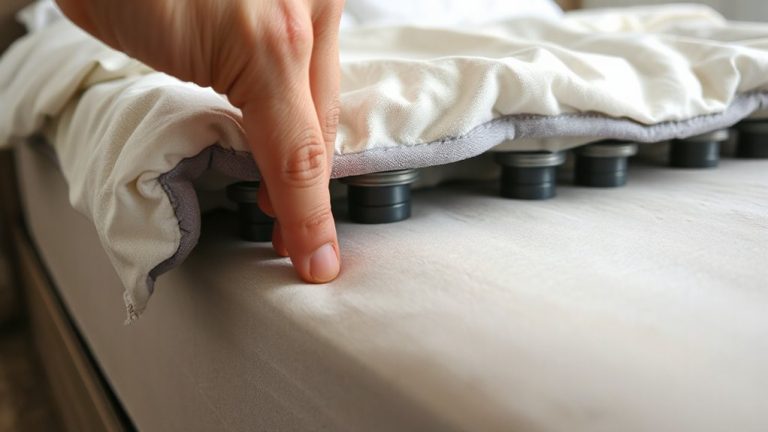
A full night’s sleep unfolds in cycles, each lasting about 90 minutes and moving through light sleep, deep sleep, and REM. Your sleep architecture shapes how you feel when waking, as ending a cycle during light sleep often feels smoother than being jolted from deep stages. Each person’s pattern shifts slightly, guided by their circadian influence-the internal clock tied to light, habits, and environment. This rhythm helps regulate when you feel sleepy and alert, affecting your ideal bedtime and wake time. To find your best wake-up moment, track your sleep cycles over a few nights using a wearable or app that estimates stages. Aim to rise at the end of a cycle, not during deep or REM phases. Matching your alarm to your natural rhythm improves alertness and supports long-term consistency without relying on sleep aids. A well-chosen best mattress design can further enhance sleep quality by supporting healthy spinal alignment throughout these cycles.
When to Set Your Alarm for Light Sleep
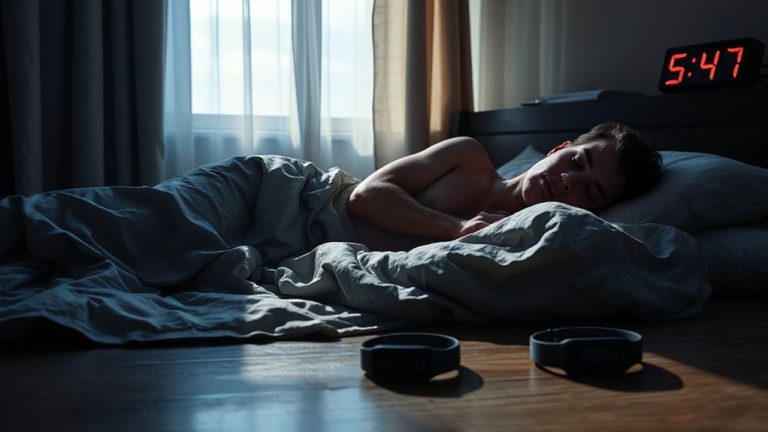
If you want to wake up feeling more refreshed, timing your alarm to align with a light sleep phase can make a noticeable difference. Your sleep cycles repeat every 90 minutes, and waking during light sleep reduces morning inertia-the groggy, disoriented feeling after abrupt awakening. To optimize sleep timing, count backward in 90-minute intervals from your desired wake-up time to find ideal bedtimes. For example, if you rise at 7:00 a.m., falling asleep at 11:30 p.m. or 1:00 a.m. could position you to wake in light sleep. Consistency matters, so maintain a regular sleep schedule to help your body adapt. While individual patterns vary, tracking your natural wake times over a week can reveal personal rhythms. Avoid forcing sleep or relying on aids unless needed, and consider how lifestyle affects sleep depth. Adjustments may take days, but improved sleep timing often leads to smoother mornings. For even better results, consider using a smart alarm clock with sleep-tracking features that wakes you during best sleep-optimizing alarm clocks.
Try These Sleep Apps to Wake Up Energized
You’ve already learned how timing your alarm to match lighter sleep stages can reduce grogginess and improve how you feel upon waking. Now, sleep tracking apps can help you act on that knowledge. Apps like Sleep Cycle and AutoSleep use motion detection or wearable integration to monitor your sleep patterns and identify lighter phases. They rely on smart alarms, which wake you during those ideal windows-typically 30 minutes before your set time-so you rise feeling more refreshed. Most offer detailed sleep analysis, trends over time, and integration with health platforms. Some require a subscription, but many include free trials so you can test performance. Compatibility with your phone or smartwatch matters, so check before committing. While results vary based on how consistently you use them, these tools give practical support for better mornings.
On a final note
You’ll wake feeling fresher if your alarm catches you in light sleep, when brain activity is closer to being awake. Sleep cycles repeat every 90 minutes, so timing your alarm to end a cycle helps. Apps that track movement can guess your sleep stage and wake you in a light phase, reducing grogginess. Look for ones with sleep-phase estimates, a gentle alarm ramp, and a free trial to test performance before buying.