Using Stimulus Control Therapy to Rebuild Healthy Sleep Associations
You use stimulus control therapy to rebuild healthy sleep associations by retraining your brain to link the bed with sleep, not stress or wakefulness. Go to bed only when sleepy, and if you can’t fall asleep within 15–20 minutes, get up and do something quiet until drowsy. Avoid screens and worrying in bed. Stick to consistent wake times, even on weekends. This method strengthens your body’s sleep cues over time, improving sleep efficiency without pills or devices. Success builds with repetition, and deeper insights follow.
Notable Insights
- Use your bed only for sleep and intimacy to strengthen the mental association between bed and rest.
- Leave the bedroom after 15–20 minutes of wakefulness to break the habit of lying awake in bed.
- Return to bed only when sleepy to reinforce the bed-sleep connection.
- Maintain consistent wake and sleep times daily to regulate your circadian rhythm.
- Avoid screens and stimulating activities when awake at night to reduce arousal.
What Is Stimulus Control Therapy for Insomnia?
Think of your bedroom as a cue-for sleep, not stress. Stimulus control therapy helps rebuild that link by aligning your behavior with healthy sleep hygiene. You’re taught to use bed only for sleep and intimacy, not scrolling or worrying. If you can’t sleep within 20 minutes, you leave the bedroom until you feel drowsy. This strengthens your brain’s association between bed and actual sleep. Over time, it supports your natural circadian rhythm by reducing disruptions. Unlike sleep aids, which may mask issues, this method targets root causes-without chemicals or dependency risks. It’s evidence-based, often used in cognitive behavioral therapy for insomnia (CBT-I). You might see improvements in 2–3 weeks. No special tools are needed, just consistency. While results vary, many find it effective when other strategies fail. It’s a low-risk, structured approach worth trying before turning to medications.
Why Your Brain Now Associates Bed With Worry
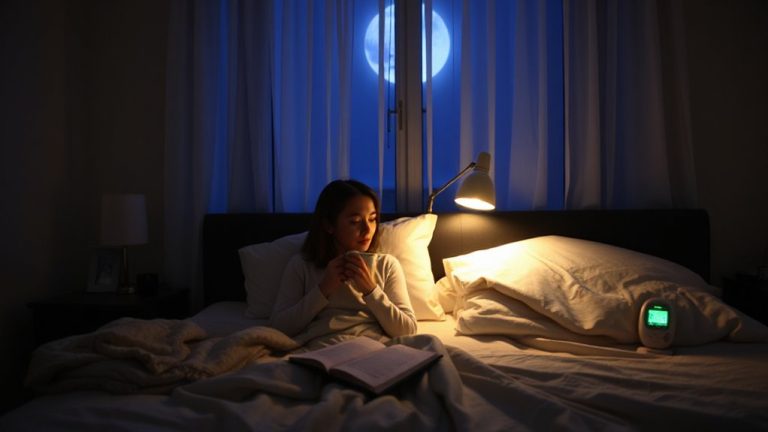
How did your bed become a hot spot for worry instead of rest? Over time, lying in bed while stressed trains your brain to link the bed with emotional arousal instead of sleep. Each time you stay in bed awake, your mind sinks into cognitive rumination-replaying past events or fearing tomorrow-keeping your body alert. You might check the clock, plan the next day, or scroll on your phone, all deepening the mental link between bed and alertness. This pattern reinforces insomnia, making it harder to fall asleep even when tired. Your nervous system stays activated, mistaking bedtime for a time to think, not rest. Without intervention, this cycle becomes automatic, disrupting sleep onset and quality. Recognizing this learned response is the first step toward changing it. Your bed can become a cue for calm again-but only if you break the association with worry and retrain your mind’s expectations.
How Stimulus Control Retrains Your Sleep Habits
You’ve likely spent nights lying awake, your mind racing while your body stays tense, and over time, your bed has begun to feel less like a place for rest and more like a spot where worries take over. Stimulus control helps retrain that habit by linking your bed only with sleep, not frustration. You’ll go to bed only when sleepy, and if you can’t sleep, you’ll leave your sleep environment and do something quiet until drowsy. This strengthens the mental connection between bed and rest. Consistent sleep and wake times also reset your internal clock. Using relaxation techniques like deep breathing or gentle stretching can ease tension before bed. Over time, these steps help your body expect sleep in the right setting. It might feel slow at first, but improvements come with practice, and no special tools or sleep aids are required.
What to Do When You Can’t Fall Asleep?
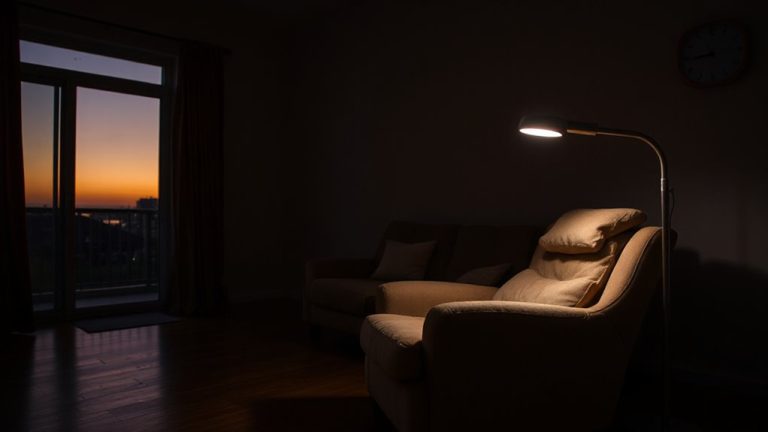
Why does lying in bed longer make sleep harder, not easier? Because your brain starts associating the bed with wakefulness, not rest. If you’re not asleep after 15–20 minutes, get out of bed. Move to another room with low lighting and do a quiet, calming activity-like reading or focusing on mental relaxation-until you feel drowsy. Avoid screens, which disrupt your sleep environment. Then, return to bed only when sleepy. This strengthens the link between bed and actual sleep, not frustration. Keep the room cool, dark, and quiet when you return, supporting a consistent sleep environment. Don’t worry about losing time; restlessness is less harmful than struggling to force sleep. Repeating this builds better sleep patterns naturally. It’s not about perfection-it’s about consistency. Your body learns cues over time, leading to improved mental relaxation and longer, more restful sleep without relying on sleep aids.
Mistakes That Ruin Sleep Conditioning
A single lapse in routine can weaken the progress you’ve made with sleep conditioning, especially if repeated. Using your bed for activities other than sleep builds weak associations, making it harder to wind down. Bright bedroom lighting tricks your brain into thinking it’s daytime, disrupting melatonin release and delaying drowsiness. Keep the room dim before bed to support natural sleep signals. Inconsistent mental rituals-like changing how or when you relax-confuse your internal clock. Stick to a steady pre-sleep routine: reading, gentle stretching, or quiet reflection. Avoid screens, stressful talks, or problem-solving in bed. If you lie awake more than 20 minutes, get up and do something quiet until drowsy. Repeating this strengthens bed-sleep links. Consistency matters most-each choice shapes your sleep environment, affecting how quickly and deeply you drift off.
How Long Stimulus Control Takes to Work
Improvements from stimulus control therapy don’t always show up overnight, but most people start noticing stronger sleep signals within a few weeks of consistent practice. Your sleep timeline may vary, but sticking to the rules-like leaving bed when awake and maintaining a fixed wake time-builds better sleep drive over time. Therapy duration typically ranges from two to six weeks before significant changes occur, though some see shifts in as little as ten days. Progress isn’t always linear, so minor setbacks don’t mean failure. You’re retraining your brain’s association with the bed, which takes repetition and patience. Don’t rush to add sleep aids unless necessary, since the therapy itself strengthens natural sleep patterns. Track your nightly habits to spot trends and adjust as needed. Consistency is the clearest predictor of success within this method’s sleep timeline.
Can You Break the 2 A.M. Wakefulness Cycle?
What if your 2 a.m. wakefulness isn’t just bad luck, but a pattern your body has learned? Your circadian rhythm might be misaligned, making you alert during hours meant for rest. Over time, your brain can link your sleep environment with wakefulness instead of rest, especially if you’re staying in bed, scrolling or stressing. Stimulus control therapy helps retrain that association. You get out of bed when you can’t sleep, go to another dimly lit room, and return only when drowsy. This strengthens the bed-as-sleep cue. Keeping a consistent wake-up time also stabilizes your circadian rhythm. Avoid naps and light exposure at night to support the shift. It might take a few weeks, but many see changes within 10–14 days. You don’t need special tools-just patience and consistency. Track your patterns, and adjust as needed.
On a final note
You’ll start retraining your sleep habits by linking bed only with sleep, not worry or wakefulness. If you can’t sleep, get up after 20 minutes and return when drowsy. Stick to the routine daily, even on weekends. It may take 2–6 weeks to see results. Avoid screens and daytime naps. This method works best when followed consistently, without extra sleep aids interfering. Give it a fair trial before making changes.