Loosely Tuck Sheets Around Ankles: Better Airflow & Movement
Tucking your sheets loosely around your ankles lets your legs move freely and helps heat escape, so you stay cooler and shift more comfortably through the night. It reduces pressure on joints, supports better circulation, and works well if you have swelling or stiffness. Use breathable fabrics like cotton, bamboo, or TENCEL™ for best results. Avoid pulling the fabric too tight-keep it relaxed to prevent bunching. You’ll find how small adjustments can make a noticeable difference in your sleep comfort.
Notable Insights
- Loosely tucked sheets allow unrestricted foot and ankle movement during sleep, promoting natural limb shifting.
- This method enhances airflow around the lower limbs, aiding heat dispersion and preventing overheating.
- Reduced fabric constriction supports better circulation, helping to minimize swelling and joint pressure.
- Breathable fabrics like cotton, bamboo, or TENCEL™ improve cooling and comfort when sheets are loosely tucked.
- Avoid over-tightening or skipping corner folds to maintain sheet stability and maximize movement and ventilation benefits.
How to Tuck Sheets Loosely Around Your Ankles
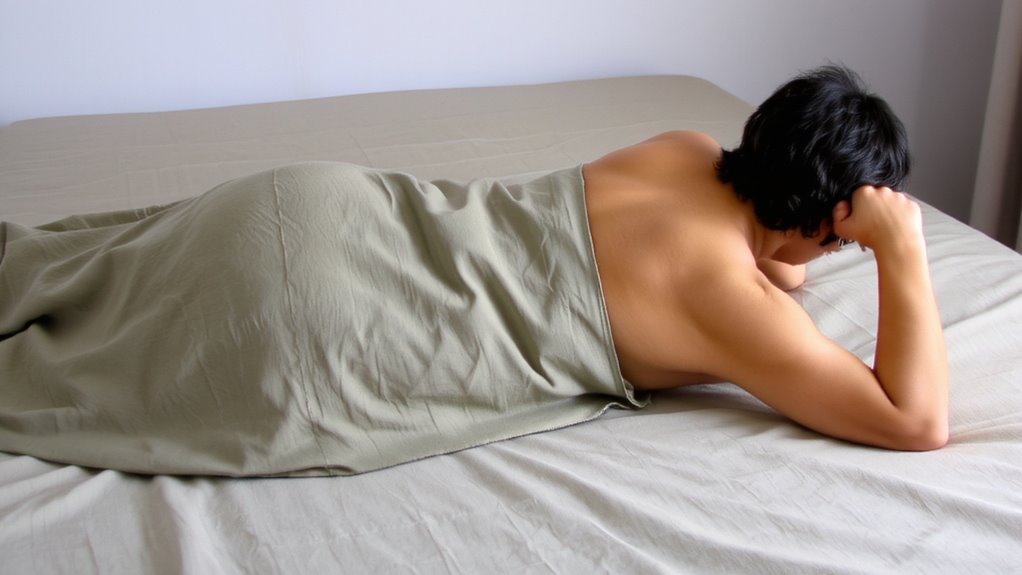
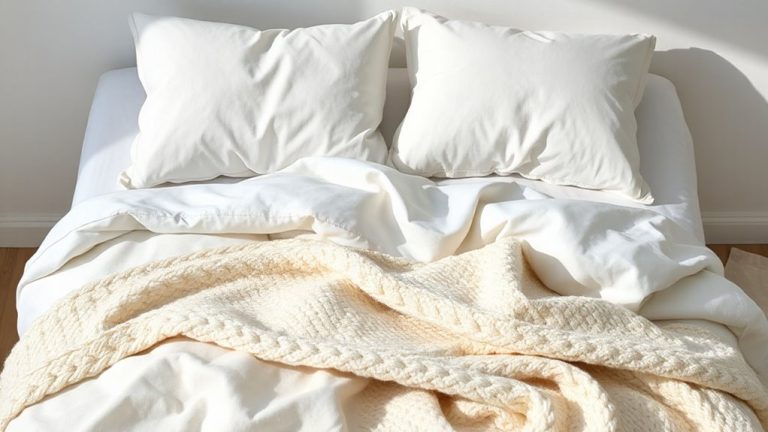
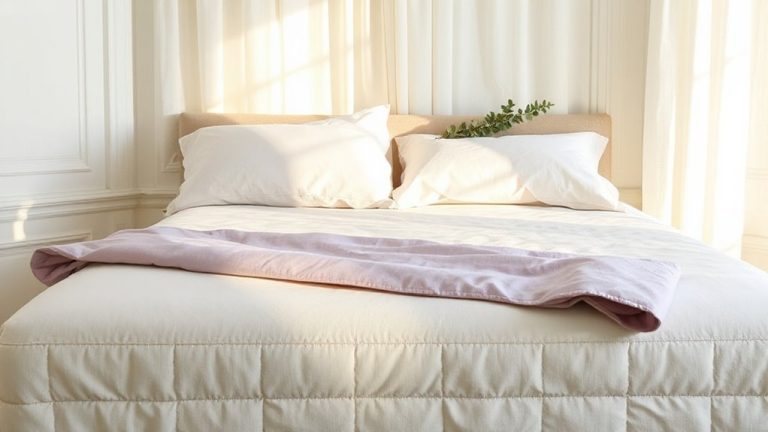
A loosely tucked sheet around your ankles can make a real difference in how freely you move during sleep, especially if you tend to kick or shift positions through the night. To achieve this, start by laying the sheet flat and positioning it just below your calves, leaving several inches of slack near your feet. Gently fold the edge of the sheet over itself-don’t tuck tightly-allowing room for natural ankle flexibility. This loose tuck supports unrestricted foot movement and enhances nighttime comfort without sacrificing warmth. You’ll notice less resistance when rolling or stretching, which may reduce disturbances if you have mild sleep disruption related to movement. Test this method over a few nights; some people prefer adding a lightweight blanket on top for layering flexibility. There’s no special gear required, just attention to fabric drape and tension. With consistent trial, you might find improved ease in motion and overall rest quality.
Why a Loose Ankle Tuck Keeps You Cooler at Night
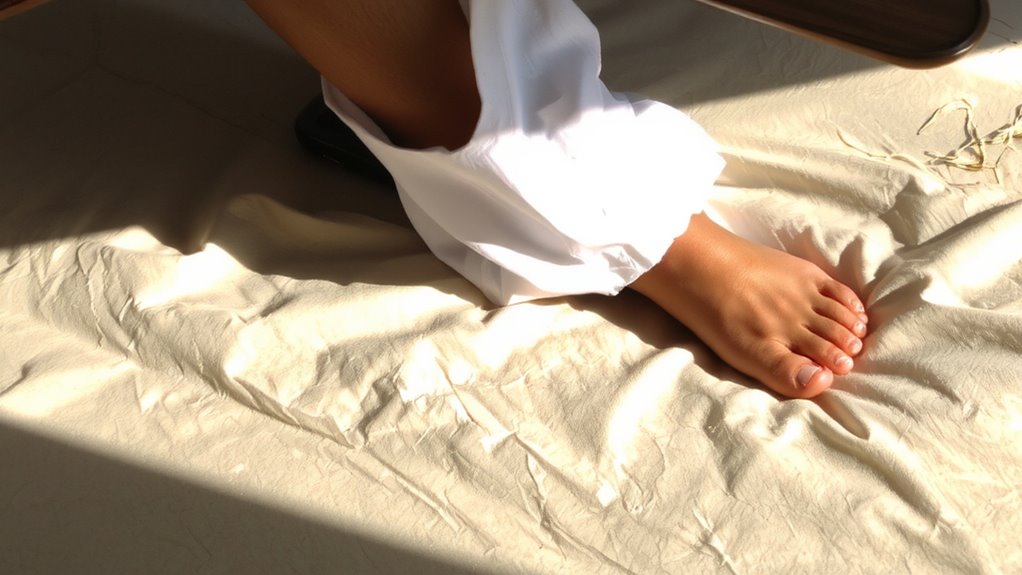
You’re already giving your ankles room to move with a loose tuck, and that small shift does more than improve comfort-it also helps regulate your body temperature through the night. By allowing subtle shifts in position, the looser fabric promotes better airflow regulation around your lower limbs. This increased circulation lets body heat dispersion happen more efficiently, preventing hot spots that can disrupt sleep. Your feet and ankles naturally release warmth, and without tight fabric trapping it, that heat escapes steadily. Breathable bedding materials work even better when combined with this method, enhancing overall thermal balance. If you tend to sleep hot or deal with night sweats, this simple adjustment supports cooler rest without needing extra cooling gadgets. It’s a low-cost, no-risk change that complements temperature-sensitive sleep systems. Try it for a few nights-you might find it improves your sleep continuity, especially in warmer months or rooms. Incorporating natural relaxation techniques like taking calm supplements can further enhance sleep quality by reducing nighttime anxiety.
How This Trick Helps With Pain, Swelling, or Limited Mobility
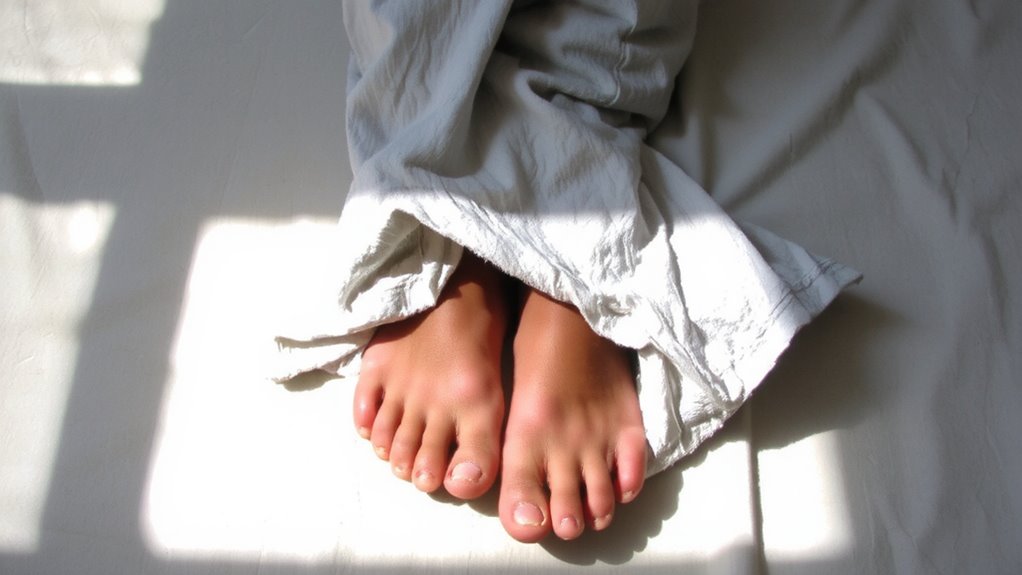
Loose tucking at the foot of the bed eases pressure on joints and muscles, giving you more room to shift without resistance. This simple adjustment supports improved circulation by preventing constriction around the ankles and lower limbs. When sheets aren’t pulled tight, you experience reduced pressure that can otherwise worsen discomfort, especially if you have arthritis, neuropathy, or limited mobility. Without tight fabric binding your feet, movement during sleep becomes easier, minimizing nighttime stiffness and soreness. Swelling in the legs or feet may also lessen, since unrestricted blood and lymph flow help manage fluid buildup. You might not notice dramatic changes overnight, but trying loose tucking for several nights can reveal subtle benefits. It’s a low-risk, no-cost strategy worth testing, especially if you use mobility aids or deal with chronic pain. No special tools or fabrics are needed-just a mindful tweak to how you make your bed. For even better results, consider using best sheets that stay in place to maintain comfort without compromising mobility.
Best Breathable Sheet Fabrics for Loose Tucking
Breathability starts with fabric choice, and cotton, bamboo, and TENCEL™ stand out for loose tucking. You’ll want natural or engineered fibers that support moisture wicking and steady temperature regulation throughout the night. Cotton is soft, widely available, and allows air to circulate, but it holds moisture longer than bamboo or TENCEL™. Bamboo fabric pulls sweat away from the skin quickly and resists odors, making it ideal if you tend to overheat. TENCEL™ offers excellent moisture wicking and a silky feel while balancing humidity levels for consistent temperature regulation. These fabrics come in various thread counts and weaves-percale is crisp and light, while sateen adds smoothness without trapping heat. Many brands offer trial periods, so you can test comfort and performance. Look for OEKO-TEX® certification to guarantee safe, breathable materials. Try samples if possible, since personal sensitivity affects results. A supportive sleep setup also includes proper neck alignment, which can be enhanced with the right neck pillow for recliners.
Avoid These Common Loose Tuck Mistakes
While aiming for comfort, skipping a secure corner fold can undo the benefits of loose tucking, leaving sheets prone to slipping during the night. You might think a tighter fold helps, but that leads to tight tuck risks like restricted circulation and overheating, counteracting cooling goals. Avoid improper sheet alignment-pulling fabric too high or crooked across the ankles can bunch during sleep, limiting limb movement. Instead, align the sheet edge just below your feet and fold loosely upward, securing only the corner under the mattress. This keeps airflow steady and reduces friction. Use breathable fabric you’ve already tested for comfort and durability. Most quality sheets come with trial periods, so test tucking methods over several nights. Watch how the material holds up after washing, since wrinkling or shrinking can worsen alignment. Small adjustments reduce errors without sacrificing ease or temperature control.
When (and When Not) to Use the Loose Ankle Method
How do you know when the loose ankle method is right for your sleep routine? You’ll want to evaluate your comfort, movement needs, and health factors. If you tend to overheat or shift your legs frequently, this method can help maintain airflow and reduce overheating, especially in warm climates or seasons. The loose tuck allows natural ankle positioning, which supports easier limb movement during sleep. This can be helpful if you experience restlessness or light tossing and turning. Those with circulatory concerns may appreciate the circulation benefits of reduced pressure around the lower legs. However, if you kick off covers easily or sleep very deeply, the loose sheet might become a nuisance. It’s also less ideal if your bedding tends to unravel easily. Try it for a few nights to assess changes in comfort and temperature regulation. It’s a simple adjustment with minimal risk, offering subtle but meaningful improvements for some.
On a final note
You might find that tucking sheets loosely around your ankles improves airflow and reduces nighttime discomfort, especially if you overheat or have mobility concerns. This simple adjustment works best with breathable fabrics like cotton or linen. It’s worth trying if you’re adjusting sleep positions or managing swelling. Consider your sleep environment and needs, then test the method for a few nights. Most bedding allows easy trial, with no special tools or costs involved.