The Role of Melatonin in Initiating the First Sleep Cycle
Melatonin signals your body to start winding down as night falls, helping you shift into the first sleep cycle. It rises in response to darkness, aligning your internal clock with the natural day-night rhythm. This hormone also lowers your core temperature by 1–2°F, promoting drowsiness. Evening light-especially from screens-can delay its release, disrupting sleep timing. You can support healthy melatonin levels through dim lighting, smart food choices, and consistent routines. More helpful strategies follow.
Notable Insights
- Melatonin signals the body to transition into sleep mode, initiating the first phase of the sleep cycle.
- Rising melatonin levels in the evening promote drowsiness and prepare the body for sleep onset.
- The pineal gland releases melatonin in response to darkness, aligning sleep initiation with natural night cycles.
- Melatonin helps lower core body temperature, supporting the physiological changes needed for sleep entry.
- Screen-induced light exposure can delay melatonin release, disrupting the timing of the first sleep cycle.
How Melatonin Starts Your Sleep Cycle
While your body’s internal clock sets the pace for when you feel tired, melatonin is the hormone that signals it’s time to shift into sleep mode. As darkness falls, melatonin levels rise, easing you into the first phase of sleep architecture by promoting drowsiness and lowering body temperature. This release supports circadian alignment, helping match your sleep schedule with natural day-night cycles. When this rhythm’s disrupted-like from irregular sleep times or screen exposure-your melatonin timing can shift, making it harder to fall asleep. Over-the-counter melatonin supplements may help reset timing, especially if you have jet lag or shift work disorder. Doses between 0.5 to 3 mg are often effective; higher isn’t always better. Look for products with third-party testing and clear labeling. Short-term use is generally safe, but long-term effects aren’t fully known. Talk to a doctor if sleep problems persist-you might need evaluation for underlying disorders. For travelers seeking reliable options, best travel melatonin picks can make a meaningful difference in adjusting to new time zones.
How Light Regulates Melatonin Release
When daylight fades, your eyes detect the change through specialized cells in the retina that signal the brain’s pineal gland to begin melatonin production. This release follows your circadian rhythm, the internal clock regulating sleep and wakefulness over 24 hours. Exposure to bright light, especially blue light from screens, delays melatonin output by confusing the pineal gland into thinking it’s still daytime. To support healthy melatonin release, dim lights and limit screen use an hour before bed. Consistent bedtime routines strengthen circadian rhythm over time. If you struggle with sleep onset, consider trying dim red lighting at night, as it’s less disruptive to the pineal gland. Some find melatonin supplements helpful, but results vary. Always consult a healthcare provider to discuss underlying causes, potential interactions, and whether supplements align with your sleep needs and health profile. For optimal light control, consider installing best blackout curtains to create a sleep-conducive environment.
How Melatonin Lowers Body Temperature to Initiate Sleep
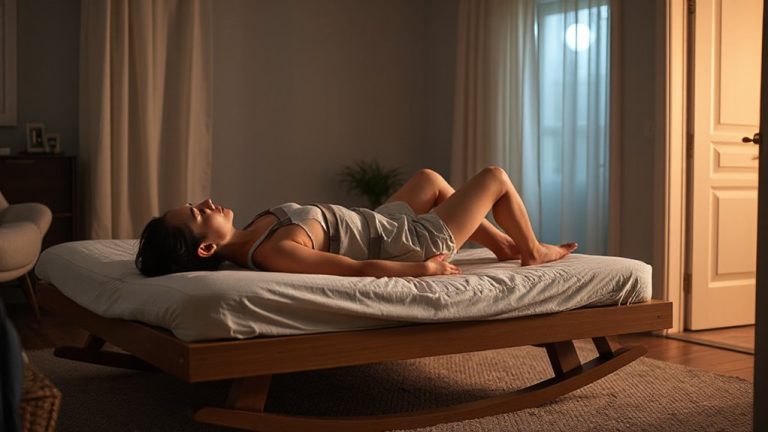
As your body prepares for sleep, melatonin plays a key role in cooling your core temperature, which helps signal that it’s time to rest. This drop, usually about 1–2°F, supports thermogenic regulation by reducing heat production and boosting heat loss through the skin. You’ll notice this as warmer hands and feet-your body’s way of releasing warmth. Melatonin’s timing aligns with your internal clock, reinforcing circadian coupling so temperature shifts match natural sleep onset. This coordination matters if you struggle with falling asleep or have irregular patterns. Supporting this process naturally-like keeping your bedroom cool or wearing light sleepwear-can improve sleep initiation. Some sleep aids target temperature pathways, though results vary. Consider trying temperature-regulating bedding or wearable tech that monitors changes. These options let you observe how your body responds and adjust as needed. For enhanced comfort, consider investing in best sleep temperature regulators to support your body’s natural cooling process.
How Screens Delay Melatonin Release
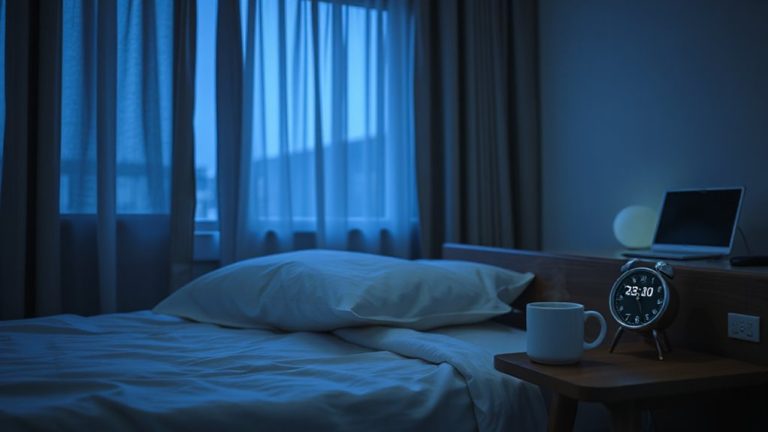
Because your brain responds to light like a natural clock, exposure to screens at night can push back the moment melatonin starts flowing, making it harder to feel sleepy at your usual time. Blue light exposure from phones, tablets, and computers is especially effective at suppressing melatonin because it mimics daylight. This tricks your brain into thinking it’s still daytime, delaying the signal to sleep. Over time, this contributes to circadian rhythm disruption, which can affect both sleep quality and timing. You might find it harder to fall asleep or wake up refreshed. Even short evening screen sessions can shift your internal clock by an hour or more. If you use devices late, consider apps that reduce blue light or wear lenses that filter it. These changes may help maintain a more natural melatonin release, supporting better sleep onset without relying on sleep aids.
How to Boost Melatonin Naturally
Ever wonder why some evenings feel easier than others when trying to fall asleep? Your melatonin levels might be the reason. You can support natural melatonin production by adjusting daily habits. Regular physical activity, especially in the morning or afternoon, helps regulate your sleep-wake cycle. But avoid intense workouts close to bedtime, as they may delay drowsiness. Dietary sources like tart cherries, walnuts, and oats contain small amounts of melatonin or support its production. Try having a light evening snack with these foods if you’re hungry before bed. Exposure to natural light during the day also strengthens your body’s rhythm. While supplements exist, starting with lifestyle choices often offers a gentler, sustainable path. There’s no one-size-fits-all solution, but combining physical activity and melatonin-supportive dietary sources may improve sleep quality over time.
On a final note
You’ll sleep better when you understand how melatonin guides your body into rest. It rises with darkness, cools your core temperature, and starts your first sleep cycle. Bright screens delay this signal, so dimming lights and avoiding phones helps. Natural boosts like consistent bedtimes and limited evening light work well. If you try supplements, choose reputable brands with clear dosing and short-term use in mind.