Innerspring Mattress Firmness Break-In Period: What to Expect
Your innerspring mattress may feel firm at first, but it’s designed to break in over 30 to 60 days with regular use. As the coils and comfort layers settle, you’ll notice gradual softening and better pressure relief while support stays intact. Mild off-gassing and slight noise are normal but fade quickly. Rotate it every few months and sleep on it consistently for even wear. If firmness or indentations deeper than 1.5 inches remain after two months, check the warranty. You’ll get a clearer sense of long-term comfort soon.
Notable Insights
- Innerspring mattresses typically soften over a 30 to 60-day break-in period with consistent use.
- Initial firmness and minor off-gassing odors are normal and should diminish within days.
- Coils and foam layers gradually conform to your body shape, improving comfort and support.
- Body impressions under 1.5 inches are expected and usually don’t indicate mattress failure.
- Rotate the mattress every few months to promote even wear and extend its lifespan.
What’s a Mattress Break-In Period?
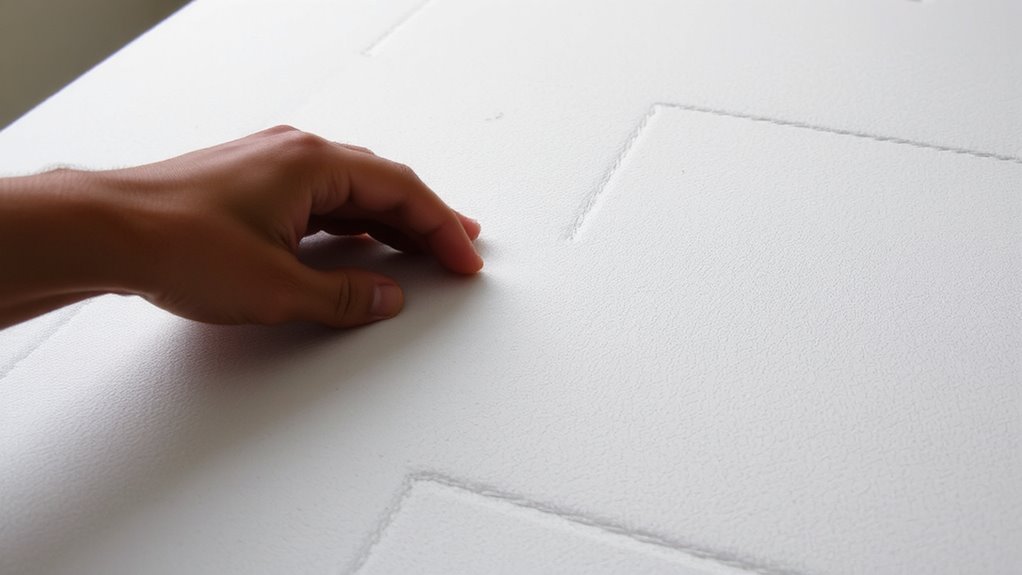
Ever wonder why your new innerspring mattress feels stiffer than expected? That’s normal-your mattress is going through a break-in period. During the first few weeks, the coils, foam layers, and fabrics settle with use, gradually softening for better comfort and support. Your initial impressions might include a firm feel and even a slight mattress odor, both common with new bedding. The smell usually fades within days, especially with good airflow. This adjustment phase doesn’t mean something’s wrong; it’s part of how innerspring mattresses adapt to your body. Most manufacturers suggest sleeping on it consistently for 30 to 60 days to accurately assess comfort. Use this time to evaluate support, pressure relief, and temperature control. Many brands offer sleep trials, so take advantage of warranties and return policies if it doesn’t improve.
How Do You Know It’s Breaking In Normally?
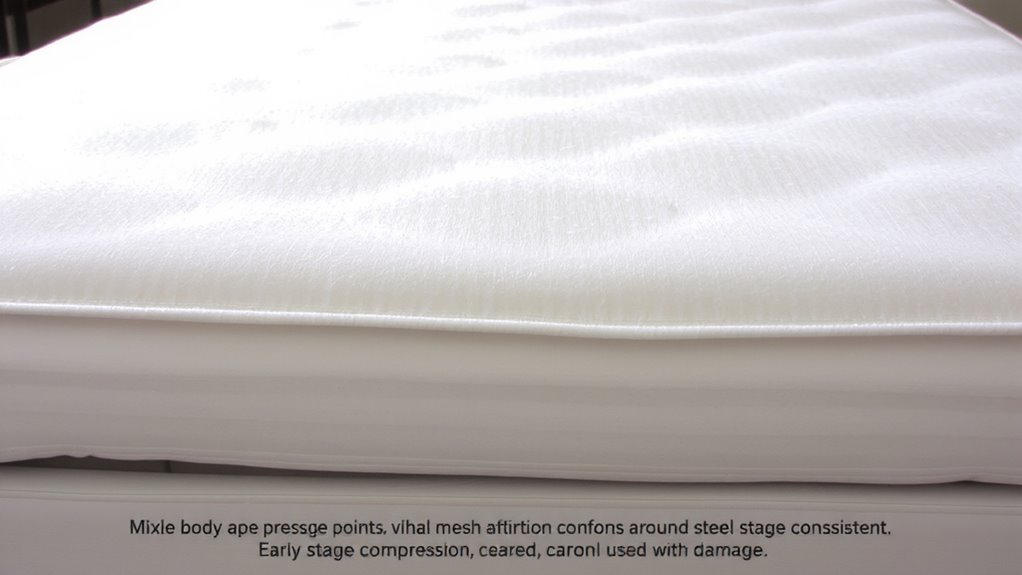
You might notice your innerspring mattress feeling a bit stiff at first, but that’s exactly what the break-in period is meant to address. Over time, you’ll start to see a clear comfort progression as the coils and foam layers adapt to your body’s weight and shape. What once felt firm may soften slightly, offering better pressure relief without losing support. Look for firmness consistency across the surface-no sudden dips or uneven spots. If your sleep feels more restful and you’re waking with less stiffness, those are good signs the mattress is breaking in normally. Minor noise from the springs early on is typical, but it should decrease. Avoid drastic changes like sagging, which aren’t part of normal break-in. Most warranties don’t cover indentations under 1.5 inches, so monitor depth if changes occur. Trust gradual improvements, not overnight transformations.
How Long to Break In an Innerspring Mattress?
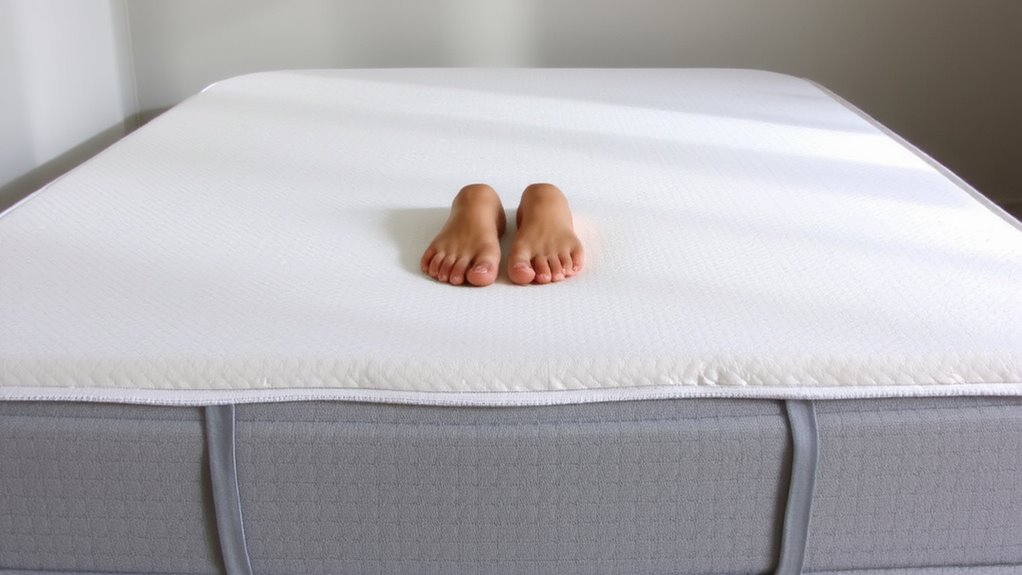
How long should you expect to adjust before your innerspring mattress feels just right? Most people find it takes about 30 to 60 days to fully break in. During this time, the coils and comfort layers settle with your body weight, adapting to your sleep posture. You might notice a slight body impression forming, which is normal if it’s under 1.5 inches and not causing discomfort. To guarantee even wear and help the process, follow the manufacturer’s guidelines for mattress rotation-usually every 3 to 6 months. This prevents uneven softening and supports consistent support. The break-in period varies based on build, usage, and body weight, so give it time. Most warranties don’t cover body impressions beyond a certain depth, so proper rotation helps protect your investment while allowing the mattress to stabilize for better long-term comfort.
Can You Speed Up the Break-In Process?
While regular rotation helps even out wear over time, some users wonder if there’s a way to shorten the 30 to 60-day adjustment period. Though the process varies by construction, a few safe techniques may encourage faster adaptation. Heat application can soften upholstery layers slightly, letting springs and foam settle more quickly. Targeted compression-like sitting gently on firmer spots-can also help compressed areas adjust faster. However, avoid aggressive attempts, as they may damage coils or void warranties. Here’s what you can try:
| Method | Effectiveness | Risk Level |
|---|---|---|
| Heat application | Moderate | Low |
| Targeted compression | Moderate | Low |
| Rotating frequently | High | None |
| Sleeping consistently | High | None |
Consistent use remains the safest, most effective approach.
When Should You Worry About Firmness Changes?
Is the mattress still feeling too firm or sinking in odd places after 60 days? That’s when you should start watching for signs of deeper issues. While some softening is normal during the break-in period, persistent discomfort or visible shape changes may point to sagging concerns. If you notice a dip deeper than 1.5 inches that doesn’t rebound, it could be a permanent indentation. This kind of wear often affects support and may interfere with sleep quality over time. Check your warranty-many manufacturers cover indentations beyond that threshold. Consider your sleep position: pressure points from side sleeping can accelerate wear. If alignment feels off or pain increases, evaluate whether the issue is the mattress or a potential sleep aid mismatch. Permanent indentation and sagging concerns don’t always mean replacement, but they do signal it’s time to review performance and warranty options closely. Choosing the right best sheets for split king can also help maintain mattress integrity by reducing friction and wear.
On a final note
You might notice your innerspring mattress softening slightly in the first few weeks as the comfort layers and coils settle. This break-in period normally takes 30 to 60 days, during which minor body impressions are expected and usually harmless. If significant sagging or persistent discomfort occurs before the warranty’s 90- to 120-day mark, contact the manufacturer. Most brands offer sleep trials, so use that time to test firmness and support.