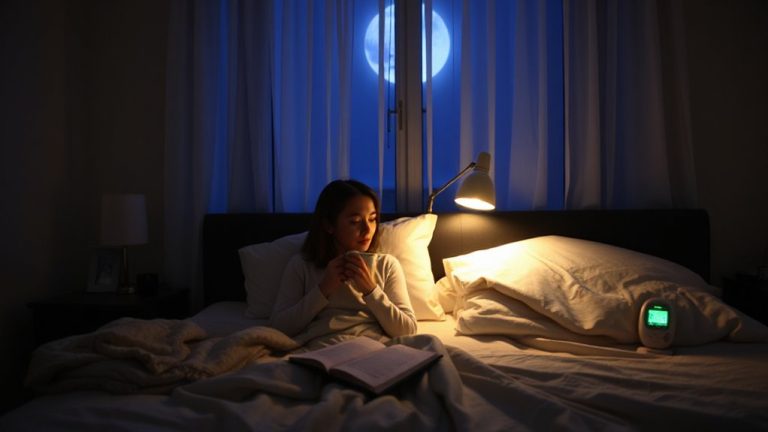
Why Delayed Sleep Phase Disorder Patients Benefit From Later Work Shifts
You benefit from later work shifts because your internal clock delays sleep onset to the early morning hours, making early wake-ups unrealistic without chronic sleep loss. Aligning your schedule with this rhythm improves alertness, reduces fatigue, and supports mental health. Early shifts force misalignment, while delayed starts match your natural productivity peaks. Consistent timing enhances focus and mood. Better alignment means less reliance on sleep aids-and more sustainable energy. There’s more to discover about optimizing your daily rhythm.
Notable Insights
- Later work shifts align with the natural delayed sleep onset of DSPD patients, improving sleep consistency and duration.
- Synchronizing work schedules with internal circadian rhythms enhances alertness and cognitive performance during work hours.
- Avoiding forced early wake-ups reduces chronic sleep loss and daytime fatigue common in DSPD individuals.
- Later shifts minimize social jetlag, decreasing physiological stress and supporting better mental health.
- Flexible start times improve adherence to treatment, reduce reliance on sleep aids, and boost long-term productivity.
What Is Delayed Sleep Phase Disorder (DSPD)?
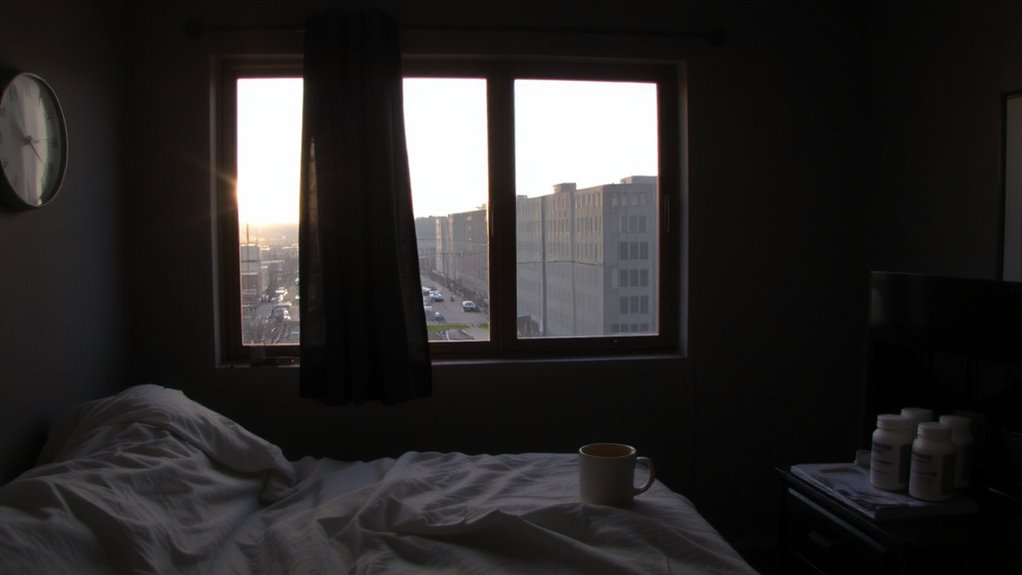
While your internal body clock usually aligns with the rising and setting of the sun, in delayed sleep phase disorder (DSPD), that rhythm shifts later-often by several hours. Your circadian rhythm, which regulates when you feel sleepy or alert, runs out of sync with typical day-night cycles. This means your natural sleep onset happens much later at night, sometimes past midnight or even in the early morning hours. You’re not choosing to stay up-you simply can’t fall asleep earlier, even when tired. Waking up on time for school or work becomes difficult, leading to chronic sleep loss. DSPD isn’t laziness or poor habits; it’s a recognized circadian rhythm disorder. Diagnosis often involves sleep logs or actigraphy to track your pattern. Treatments like light therapy, melatonin, or behavioral changes may help adjust your internal clock-but results vary.
How Later Work Hours Improve Sleep and Alertness for DSPD

| Work Start Time | Sleep Onset (Typical) | Alertness Level |
|---|---|---|
| 9:00 AM | 1:00 AM | Low to Medium |
| 11:00 AM | 12:00 AM | Medium |
| 2:00 PM | 1:00 AM (natural) | High |
This pattern supports more consistent rest and clearer thinking. You’ll likely need fewer sleep aids and feel more in control of your time.
Why Early Shifts Don’t Work for DSPD Patients?
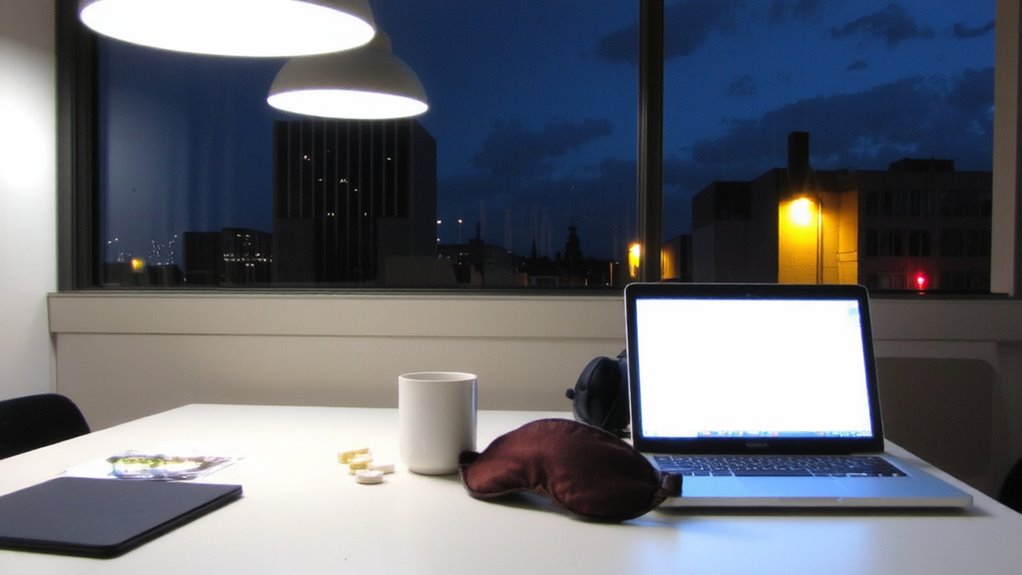
Later work hours align better with your natural sleep rhythm if you have Delayed Sleep Phase Disorder, but early shifts go against this pattern in ways that can disrupt both rest and daily performance. You’re likely to face circadian misalignment, meaning your body’s internal clock conflicts with work demands, making it hard to fall asleep early or wake up alert. This mismatch often leads to chronic sleep loss and daytime fatigue. What you experience isn’t just poor time management-it’s social jetlag, similar to living in one time zone while working in another. You may struggle to focus, feel irritable, or rely on caffeine or sleep aids just to function. While some use light therapy or melatonin to adjust, these don’t always override your natural rhythm. Trying to adapt to early shifts can reduce sleep quality long-term, making schedule alignment a practical health consideration.
Better Mental Health Through Sleep-Aligned Schedules
If you live with Delayed Sleep Phase Disorder, syncing your schedule with your natural sleep rhythm can make a real difference in how you feel mentally from day to day. When you align work and sleep times with your body’s actual clock, you reduce the strain that forced early wake-ups create. This alignment often decreases symptoms linked to chronic insomnia, since you’re not fighting your internal timing nightly. Better sleep consistency supports clearer thinking and steadier mood regulation, which can improve daily functioning. You may find less irritability and sharper focus when your sleep is uninterrupted and occurs during your biological night. Though shifting schedules isn’t always easy, prioritizing a routine that matches your natural cycle can lead to long-term mental health benefits. Consider tracking your sleep patterns for a few weeks to identify your ideal window. That data can guide realistic changes without relying on sleep aids.
Workplace Accommodations That Help DSPD Employees Thrive
What if your most productive hours don’t begin until noon? For you with Delayed Sleep Phase Disorder, rigid 9-to-5 schedules can undermine performance and well-being. Flexible scheduling allows you to align work with your natural rhythm, starting later and thriving in evening hours when focus peaks. Employers who offer adjusted start times often see better engagement and fewer absences. Workplace lighting also plays a key role-exposure to bright, blue-enriched light in your late-morning or afternoon can help regulate circadian timing over time. Dim lighting in shared spaces during early hours supports smoother shifts for night-oriented employees. These adjustments aren’t privileges; they’re practical tools that improve output and mental resilience. You don’t have to choose between health and productivity-thoughtful accommodations let both coexist. Trying small changes, even temporarily, helps you assess what works best.
On a final note
You might feel more alert and sleep better when your work hours match your natural rhythm. If you have delayed sleep phase disorder, later shifts can support healthier sleep patterns, reducing fatigue and improving focus. Aligning work with your internal clock helps mental health, too. Talk to your employer about accommodations, and consider sleep aids only after consulting a doctor. Small changes, like light therapy or consistent routines, can make a difference over time-try adjustments gradually and track what works.