The Connection Between Nighttime Anxiety and Increased Muscle Guarding During Sleep
You feel anxious at night, and your body reacts by tensing muscles without you realizing it. Stress hormones like cortisol spike, keeping your nervous system alert and triggering muscle guarding-a holdover from fight-or-flight responses. This tension often shows up as jaw clenching, shoulder tightness, or soreness when you wake. Poor sleep posture or lack of support can make it worse. These physical signs suggest your mind and body aren’t fully shutting down. Relief strategies exist, and knowing more could help you choose the right one for your situation.
Notable Insights
- Nighttime anxiety triggers cognitive rumination, increasing mental alertness and activating the body’s stress response during sleep.
- Persistent anxiety elevates cortisol and adrenaline, promoting muscle tension through sustained fight-or-flight activation.
- Subconscious fear responses cause muscle guarding, as the body prepares for perceived threats even during rest.
- Bruxism and jaw clenching are physical signs of nocturnal muscle guarding linked to unresolved mental stress.
- Poor sleep posture and inadequate support exacerbate muscle tension, worsening the physical impact of nighttime anxiety.
What Is Nighttime Anxiety and How Does It Disrupt Sleep?

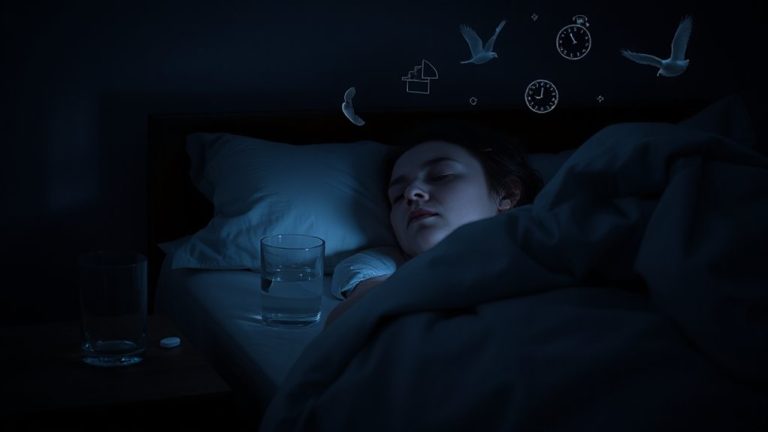
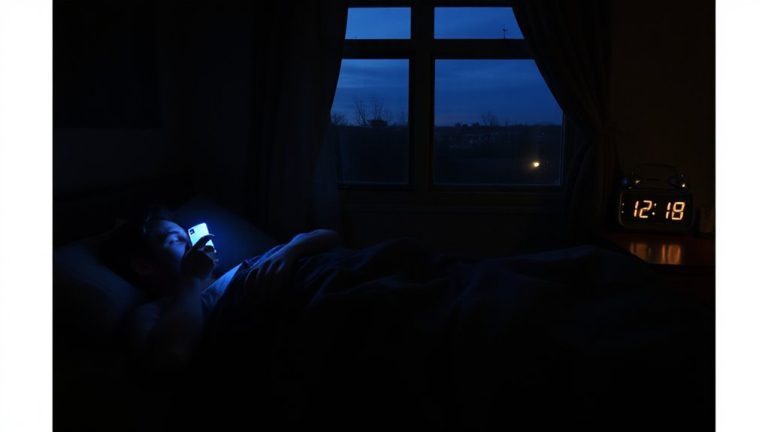
What makes it so hard to quiet your mind when you’re trying to fall asleep? Nighttime anxiety often keeps you stuck in cognitive rumination, where thoughts loop endlessly, replaying past worries or predicting future problems. This mental overactivity can lead to emotional flooding, overwhelming your calm with sudden surges of stress. Unlike daytime anxiety, nighttime anxiety hits when distractions fade, making it harder to shift focus. Your body stays alert, not relaxed, delaying sleep onset. This pattern disrupts sleep architecture, reducing deep and REM stages. Over time, poor sleep quality may worsen mood and focus. Devices like white noise machines or weighted blankets can help, but addressing thought patterns with cognitive behavioral strategies often offers longer-term relief. Some sleep aids may reduce initial anxiety but check their trial periods and possible dependency risks. Understanding your triggers helps choose effective, sustainable solutions.
Why Nighttime Anxiety Triggers Muscle Tension
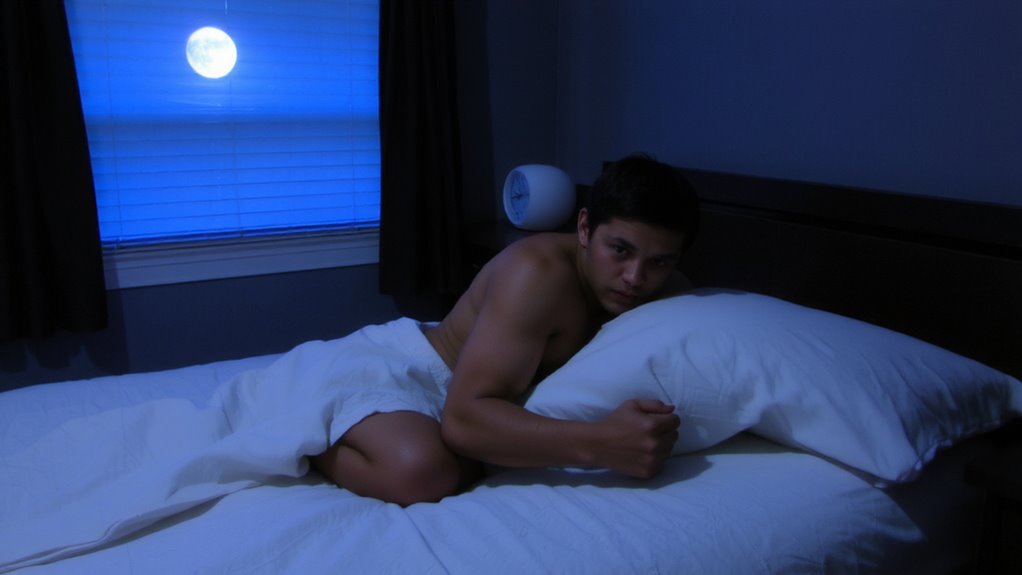
Your mind isn’t the only thing that stays active when nighttime anxiety sets in-your muscles often tighten in response, even if you’re not aware of it. This tension stems from neurological hyperactivity, where your nervous system remains switched on, preparing your body for perceived threats. That state fuels a subconscious fear response, triggering muscle guarding as if you’re bracing for danger. Even in sleep, your brain may replay stressors, keeping muscles partially engaged. This cycle can affect sleep quality, leading to stiffness or fatigue. Understanding this link helps you consider targeted solutions-like relaxation techniques before bed or evaluating sleep aids that support nervous system calming. Look for options with clear instructions, trial periods, or warranties so you can assess effectiveness safely. Recognizing how anxiety shapes physical responses empowers better sleep decisions without oversimplifying the challenge.
7 Signs You’re Clenching Muscles While You Sleep
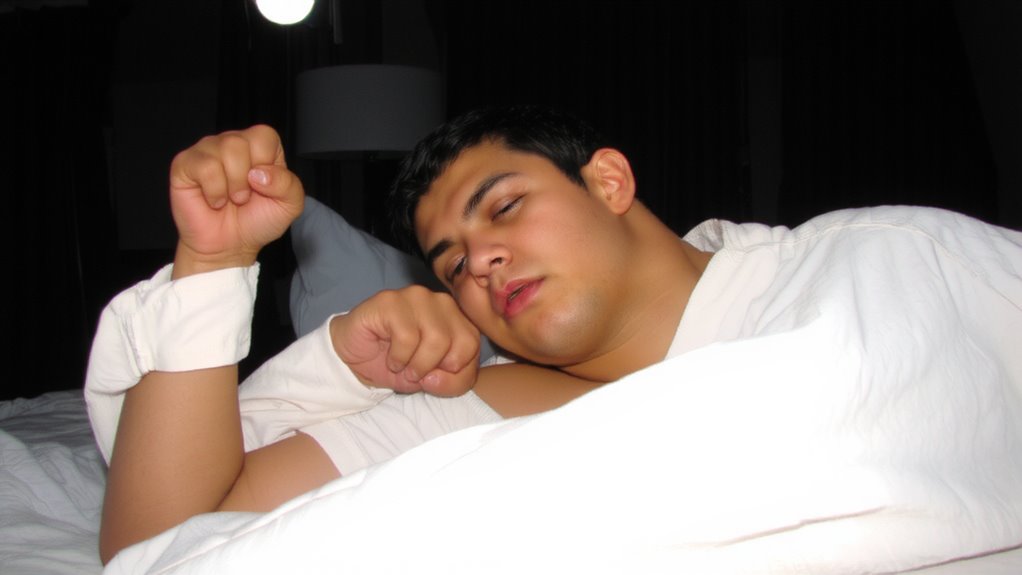
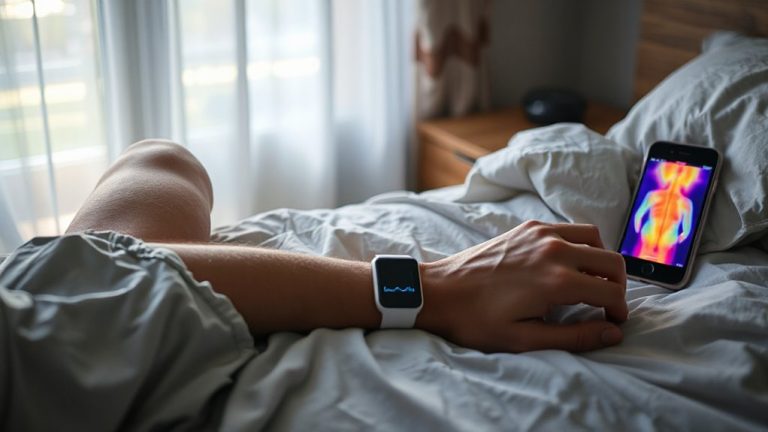
How do you know if your body’s tensing up while you sleep? You might wake with jaw pain or dull headaches-common signs of nighttime bruxism. Bruxism awareness helps you notice these clues early, especially if you grind your teeth unconsciously. Your sleep posture can also reveal issues; waking stiff or sore may mean your body’s guarding muscles due to poor alignment. You may not feel it happening, but partners might hear grinding sounds. Watch for worn tooth surfaces or indentations on your tongue-subtle but telling. If your pillow flattens too quickly, it might not support your neck properly, worsening tension. Consider trying a contoured cervical pillow or a dentist-approved night guard. Many come with trial periods, so test what works. Tracking these signs helps decide if lifestyle changes or sleep aids are worth exploring. For reliable protection, consider some of the best night guards for snoring and grinding.
How Stress Hormones Keep Muscles Tense at Night
Even when you’re physically at rest, your body might still be reacting to stress long after the day ends, and that can keep your muscles tensed through the night. When you’re anxious, your body may release cortisol spikes and adrenaline surges, even during sleep. These stress hormones prepare your body for action, tightening muscles as if you’re still facing a threat. That constant tension can interfere with restful sleep and may worsen over time. Monitoring signs like stiffness or soreness can help you identify hormone-related muscle guarding. Consider evaluating sleep habits, stress management, or speaking with a healthcare provider about solutions. Some sleep aids or relaxation techniques may help lower cortisol spikes and reduce adrenaline surges, supporting better muscle relaxation. Look for methods with proven performance, clear instructions, and strong warranty or trial options to test effectiveness safely.
The Vicious Cycle of Anxiety and Poor Sleep
Why does anxiety seem to grow stronger at night, just when you’re trying to rest? It’s because quiet moments make worries louder, and your body responds by staying alert. This alertness increases muscle guarding, making rest harder. Poor sleep then fuels more anxiety the next day, creating a cycle. Your sleep environment plays a key role-cool, dark, and quiet spaces support relaxation. Simple breathing techniques, like slow diaphragmatic breaths, can reduce nervous system activation. These methods don’t require tools or prescriptions, just consistent practice. Over time, they help signal safety to your brain. While sleep aids exist, they vary in effectiveness and may have side effects or dependency risks. Non-drug strategies often offer lasting benefits without withdrawal concerns. Improving sleep hygiene and using breathing techniques nightly may reduce reliance on medications. Consider trying small adjustments first, as even minor changes in routine or environment can shift the balance toward better sleep and lower anxiety over time.
5 Science-Backed Ways to Relax Your Body and Mind
You’ve likely noticed how nighttime anxiety tightens your muscles and keeps your mind racing, making rest feel out of reach. Breathing techniques can help signal your nervous system to calm down. Try inhaling slowly through your nose for four counts, holding for four, and exhaling through your mouth for six. This simple method lowers heart rate and reduces muscle tension. Progressive relaxation works well, too-tense one muscle group at a time, like your feet or shoulders, then release. Move upward through your body, noticing the difference between tension and relaxation. These methods are backed by research and require no tools, making them easy to try nightly. They’re free, carry no side effects, and can be adjusted to fit your comfort. While they don’t replace medical treatment, they offer a practical first step toward better sleep. Give them a consistent two-week trial to assess their effect. Some travelers also find relief by using targeted best sleep aids for jet lag, which may support relaxation when circadian rhythms are disrupted.
When to See a Doctor for Nighttime Anxiety and Tension
How do you know when nighttime anxiety and muscle tension go beyond what self-help strategies can manage? If you’ve tried relaxation techniques, sleep hygiene, and stress management without improvement, it might be time to see a doctor. Persistent symptoms like chronic insomnia-trouble falling or staying asleep for weeks-can signal a deeper issue. When physical exhaustion sets in despite adequate rest attempts, your body may be stuck in constant muscle guarding, affecting recovery. You might notice stiffness, soreness, or waking unrefreshed. A healthcare provider can assess for conditions like sleep disorders, anxiety disorders, or neurological patterns contributing to tension. They may recommend therapy, medication, or sleep studies. Early consultation helps identify effective treatments, including behavioral strategies or sleep aids, so you can find relief and improve long-term sleep quality safely.
On a final note
You might not realize how often nighttime anxiety tightens your muscles while you sleep, but recognizing the signs-like jaw clenching or morning stiffness-can guide smarter choices. Simple, science-backed methods such as breathing exercises or progressive muscle relaxation may help reduce tension. If symptoms persist, consider consulting a doctor to explore underlying causes or safe support options, including therapy or short-term sleep aids, so you can make informed, practical decisions about your rest and recovery.