Herbal Sleep Stack: Magnesium Glycinate, Reishi & Apigenin Doses
You can create a herbal sleep stack using magnesium glycinate (200–400 mg), reishi mushroom extract (1–1.5 g), and apigenin (50 mg) to support relaxation and sleep onset. These ingredients work together through calming neurotransmitters, reducing cortisol, and promoting muscle relaxation. They’re non-habit forming and best taken 30–60 minutes before bed. Consistent use improves results, and many brands offer trials to test effectiveness-there’s more to contemplate when tailoring the right balance for your routine.
Notable Insights
- Combine magnesium glycinate, reishi mushroom extract, and apigenin for synergistic sleep support.
- Use 200–400 mg magnesium glycinate 30–60 minutes before bed to calm the nervous system.
- Take 1–1.5 grams of reishi extract daily to help regulate cortisol and improve sleep quality over time.
- Include 50 mg apigenin from standardized chamomile extract to enhance GABA activity and sleep onset.
- Maintain consistent timing and dosing nightly for optimal results, with effects building over several weeks.
What Is a Herbal Sleep Stack?
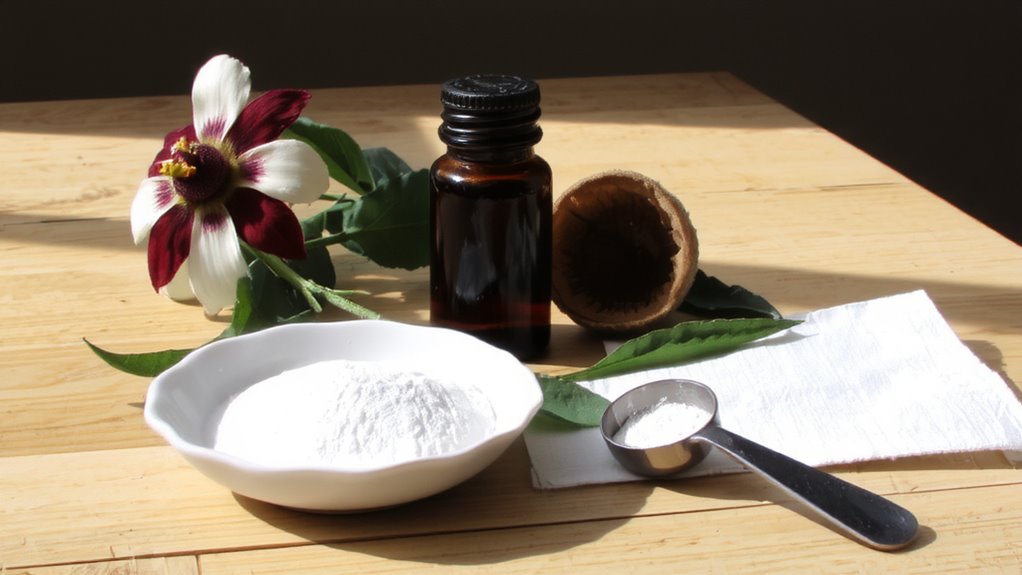
A herbal sleep stack is a blend of natural plant-based ingredients designed to support relaxation and improve sleep quality. You use it to encourage rest without pharmaceuticals, relying instead on herbal synergy-the way certain botanicals enhance each other’s effects when combined. These formulas often include compounds known for natural sedation, like valerian, passionflower, or apigenin, working together to gently ease your mind and body into sleep. Performance varies based on ingredient ratios and your personal chemistry, so trying different blends helps you find the right fit. Most brands offer trial periods or money-back guarantees, letting you test effectiveness safely. While not a cure for clinical sleep disorders, a well-constructed stack may help manage mild insomnia or occasional sleeplessness. You should review the full ingredient list and consult a healthcare provider if you’re on other medications. With patience and informed choices, you can find a natural path to better rest. For those exploring effective options, top-rated products often feature synergistic blends backed by a buying guide to help match ingredients with individual needs.
Magnesium for Sleep: How It Calms Your Nervous System

Think of magnesium as your body’s natural dimmer switch for stress and overactivation. It supports nervous system relaxation by regulating neurotransmitters that quiet overactive brain signals. When your nerves stay agitated at night, magnesium helps restore balance, making it easier to shift into rest. It also promotes muscle tension reduction, easing physical tightness that can interfere with sleep onset. Many people don’t get enough from diet alone, so supplementing can fill the gap. Forms like glycinate are well-absorbed and gentle on the stomach. While it won’t cure clinical sleep disorders, it may improve sleep quality for those with mild difficulty winding down. Start with a low dose to assess tolerance, and pair it with consistent bedtime habits. You can find magnesium supplements with transparency about sourcing and third-party testing-look for those to verify quality. For brain health, consider best magnesium supplements that are specifically formulated to support cognitive function and neurological well-being.
Reishi and Sleep: Ancient Mushroom, Modern Rest Benefits

Why might an ancient mushroom be gaining attention in modern sleep routines? You’re likely exploring natural sleep supports, and reishi offers subtle but meaningful benefits. This adaptogenic mushroom has been used for centuries to support relaxation and spiritual grounding, helping ease the shift into rest. Research suggests reishi promotes balanced cortisol levels, which may improve sleep onset and quality. It also contributes to immune modulation, supporting overall wellness-a key factor when addressing chronic sleep challenges. Unlike harsh sedatives, reishi works gently, making it suitable for nightly use. You’ll typically find it in tincture or powdered extract form, with effects building over consistent use. While results vary, many report calmer nights after a few weeks. Consider pairing it with other science-backed ingredients, but start low and monitor your response. Reishi isn’t a quick fix, but it can be a steady part of your sleep strategy. Optimal sleep comfort can be enhanced by using breathable bedding, such as best bed sheets for temperature regulation and support.
Apigenin: Chamomile’s Natural Sleep Aid
You’ve likely sipped chamomile tea before bed, but the real sleep-promoting compound behind its calming effect is apigenin, a plant flavonoid gaining attention for its gentle action on the brain’s GABA receptors. Apigenin helps quiet neural activity, which may support falling asleep faster and improving sleep continuity. While tea offers some apigenin, chamomile extraction methods in supplements deliver more consistent doses. Look for standardized extracts that list apigenin content per serving-this guarantees you’re getting a reliable amount. You’ll sometimes see other flavonoids included alongside it, promoting flavonoid synergy that may enhance overall calming effects. Since responses vary, start with a lower dose to assess tolerance. Apigenin is non-habit forming and generally well-tolerated, making it a practical option if you’re cautious about stronger sleep aids. It works best when combined with good sleep hygiene.
How These Ingredients Work Together
While each herbal ingredient can support sleep on its own, they often work better together by targeting different aspects of the sleep cycle. You’ll get stronger results thanks to their synergistic effects across key biochemical pathways. Magnesium calms nerve activity, Reishi supports relaxation and stress response, and Apigenin gently enhances GABA activity-each playing a distinct role. Combining them balances onset, depth, and quality of sleep without over-reliance on any single mechanism.
| Ingredient | Role in Sleep Support | Pathway Involved |
|---|---|---|
| Magnesium | Nervous system regulation | NMDA & GABA receptors |
| Reishi | Stress resilience | HPA axis modulation |
| Apigenin | Sleep initiation | GABA-A receptor binding |
| Magnesium + Reishi | Sustained calm | Reduced cortisol output |
| All three | Synergistic sleep support | Combined GABA & nervous control |
Best Dosage and Timing for Sleep Support
How do you get the most out of your herbal sleep stack? Start with the best timing-take your blend about 30 to 60 minutes before bed so each ingredient has time to work. Magnesium, usually effective at 200–400 mg, helps relax muscles and calm your nervous system. Reishi mushroom, in doses of 1–1.5 grams, supports deeper sleep over time, but it works best with steady use. Apigenin, often taken at 50 mg, promotes relaxation and is most effective when sourced from chamomile extract. For consistent results, focus on dosage consistency-take the same amount nightly to help your body adjust. Unlike fast-acting sleep aids, this stack builds effectiveness over weeks. There’s no instant fix, but with patience and routine, you’re more likely to see improvements in both sleep quality and onset. Always check with a healthcare provider before starting new supplements.
On a final note
You can combine magnesium, reishi, and apigenin to support calm sleep naturally. Magnesium helps relax your nervous system, reishi may ease stress over time, and apigenin promotes drowsiness safely. Together, they work on different levels to improve sleep quality. Take them 30–60 minutes before bed, follow label dosing, and allow a few weeks to assess results. Check with your doctor if you have conditions or use medications.