Circadian Rhythm Disorders: Identifying Symptoms and Seeking Effective Treatment Options
Your circadian rhythm can fall out of sync due to irregular sleep schedules, nighttime screen use, or shift work, especially if you’re genetically prone. You might feel alert at night and exhausted in the morning, even after enough sleep. Light exposure plays a key role-morning sunlight helps reset your clock, while evening blue light delays melatonin and worsens misalignment. Treatments like timed light therapy, consistent bedtimes, and short-term melatonin can help recalibrate your rhythm, improving sleep quality and daytime focus. Options vary, and the right approach often depends on your daily routine and symptoms.
Notable Insights
- Delayed Sleep Phase Disorder causes trouble falling asleep before 2 a.m., often starting in adolescence due to genetic factors.
- Shift work and irregular light exposure disrupt the body’s internal clock, leading to sleep and alertness issues.
- Common signs include nighttime alertness, morning exhaustion, and difficulty aligning sleep with typical daily schedules.
- Morning light therapy and consistent sleep routines help recalibrate circadian rhythms and improve sleep-wake timing.
- Timed melatonin supplements, reduced evening blue light, and behavioral therapy support effective circadian rhythm management.
Why Your Body Clock Might Be Out of Sync
While your body naturally follows a 24-hour cycle, things like irregular sleep schedules, too much screen time at night, or shift work can throw your internal clock off track. Your risk increases if you have a genetic predisposition to circadian sensitivity, making you more vulnerable to environmental disruption. Exposure to bright lights at night or too little natural light during the day can deepen the misalignment. These factors affect how well your body produces melatonin and regulates sleep-wake timing. Even small, consistent changes-like limiting screens before bed or sticking to a regular wake time-can improve rhythm stability. Monitoring your patterns helps identify whether adjustments or professional evaluation are needed. Many find relief through structured routines rather than immediate reliance on sleep aids. Over time, aligning habits with your biology supports better long-term sleep health.
Delayed Sleep Phase and Other Common Disorders
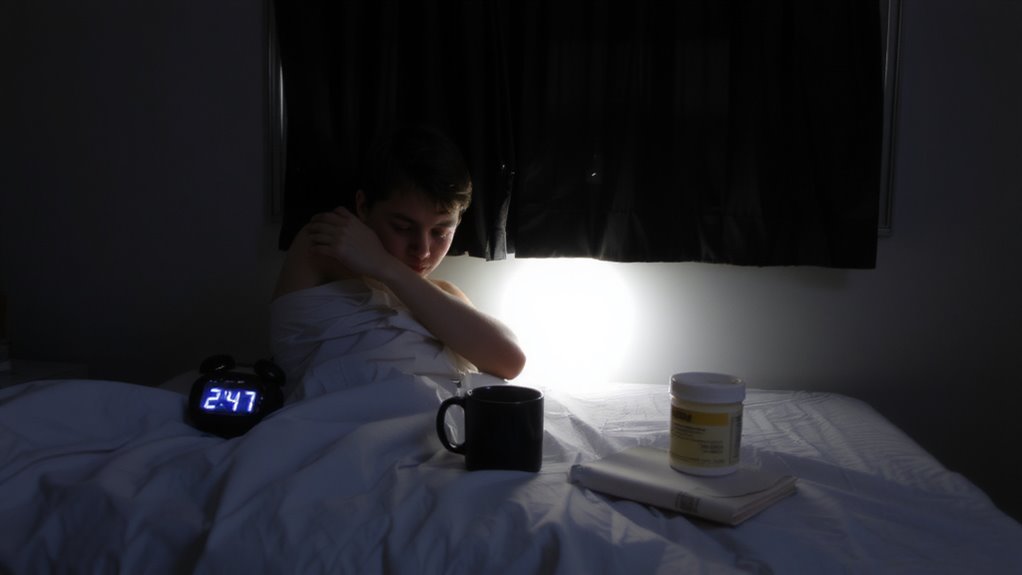
What if you’re not just a night owl, but stuck in a sleep schedule that feels impossible to shift? Delayed Sleep Phase Disorder often begins in teens due to teen genetics, pushing your natural sleep time later-sometimes hours past normal. You might struggle to fall asleep before 2 a.m., even when tired. Then, waking for work or school feels nearly impossible. Shift work disorder affects those on irregular work shifts, disrupting your body’s timing over time. Both conditions misalign your internal clock with daily demands. Treatments include light therapy in the morning, consistent sleep routines, and sometimes melatonin taken at specific times. Behavioral therapy and sleep hygiene adjustments also play a role. It’s not just about willpower-it’s about recalibrating your rhythm with science-backed tools. Trial periods with light devices or supplements can help you track what works, often with minimal side effects. For some, using melatonin gummies can support timing adjustments, and selecting the best melatonin gummies may enhance effectiveness and compliance.
Signs Your Circadian Rhythm Is Off
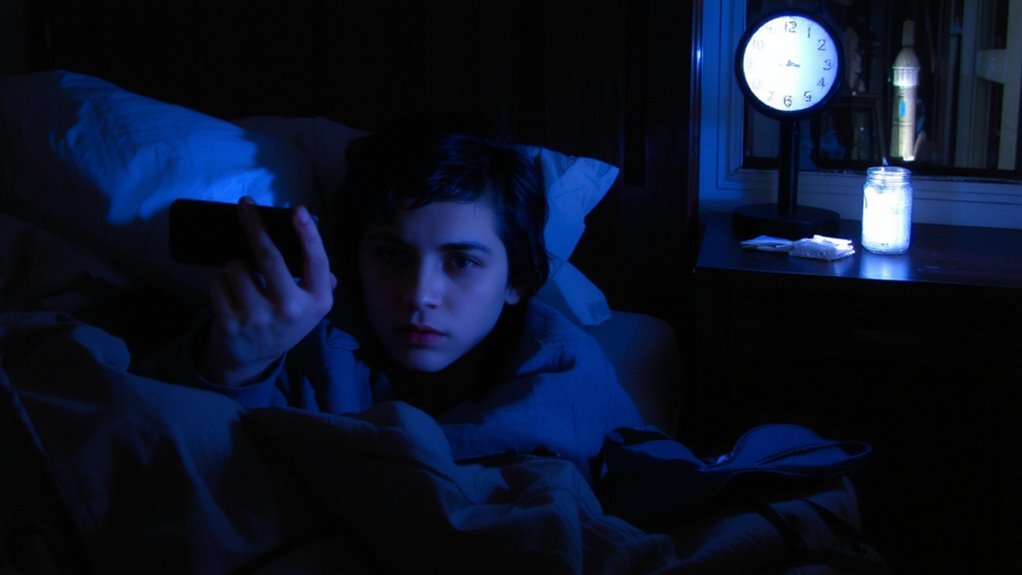
You might already know your sleep schedule feels out of sync, especially if you’ve struggled to fall asleep at a typical hour or drag through mornings no matter how many hours you log. You may feel alert at night but exhausted during the day, and find it tough to stick to social or work-related times for sleeping. Jet lag can cause temporary disruptions, especially after crossing time zones, while shift work often leads to ongoing misalignment because your body’s natural rhythm fights against late-night hours or early mornings. You might notice poor concentration, mood changes, or lowered energy. These signs suggest your internal clock is off. Recognizing them helps you decide whether to explore sleep aids, adjust routines, or consult a specialist. Simple tracking, like noting sleep times and energy levels, can reveal patterns worth addressing.
How Light and Lifestyle Affect Your Internal Clock
Why does stepping outside in the morning sunlight make you feel more awake? Because natural light signals your brain to suppress melatonin and reset your internal clock. Your daily light exposure and night habits play a major role in keeping your rhythm steady. Blue light from screens can delay melatonin release, especially at night, making it harder to fall asleep. Staying up late, irregular sleep times, or skipping morning light disrupts your cycle over time. Small changes in lifestyle help realign your rhythm naturally.
| Routine Change | Effect on Clock | Ease of Use |
|---|---|---|
| Morning sunlight | Resets daily rhythm | Easy |
| Reduce blue light at night | Helps sleep onset | Moderate |
| Consistent bedtime | Stabilizes sleep pattern | Easy |
| Avoid late meals | Improves sleep quality | Moderate |
| Limit screen time | Supports natural melatonin | Moderate |
How Doctors Diagnose Circadian Rhythm Issues?
How do doctors pinpoint the root of your sleep troubles when your internal clock seems off? They start by reviewing your sleep history, daily routine, and any patterns you’ve noticed. You’ll likely keep a sleep diary for one to two weeks or wear a wrist monitor that tracks activity and light exposure. Doctors consider your genetic predisposition, especially if family members have similar issues. A neurological assessment helps rule out other conditions affecting your brain’s sleep-wake control. They may also order blood tests or sleep studies to check for underlying problems. All this info helps them determine if your circadian rhythm is out of sync and why. Accuracy matters, so being honest and detailed helps. The goal isn’t a quick fix but a clear picture of your internal clock’s behavior over time. That way, the next steps make sense for your body and lifestyle.
Light Therapy, Medication, and Other Treatments
What if adjusting your internal clock could start with something as simple as light? Light therapy uses bright light, especially blue light, to reset your circadian rhythm. You sit near a light box each morning, signaling your brain that it’s time to wake up. It’s most effective when used consistently at the same time daily. Melatonin supplements can also help, especially if taken a few hours before bedtime to mimic natural hormone release. These supplements are generally safe for short-term use, but dosing varies, so it’s best to consult your doctor. Some people combine light therapy with melatonin for better timing alignment. Medications like tasimelteon are prescribed for specific disorders, such as non-24-hour sleep-wake disorder. Treatment success often depends on consistency, timing, and matching the method to your specific circadian issue. For optimal results, choosing a high-quality device such as one of the best sleep therapy lights can enhance the effectiveness of your treatment.
How to Reset Your Sleep-Wake Cycle
Can a few small, daily adjustments truly make it easier to fall asleep and wake up at consistent times? Yes, improving your sleep hygiene and sticking to regular activity scheduling can help reset your sleep-wake cycle. Start by setting a fixed wake-up time, even on weekends. Expose yourself to bright light in the morning and reduce screen use at night. Keep your bedroom cool, dark, and quiet. Avoid caffeine and heavy meals in the evening. Plan daily activities like exercise and meals at consistent times-this strengthens your body’s internal clock. Gradually shift your bedtime earlier or later in 15-minute steps if needed. These methods work best when combined and followed consistently. While results vary, many notice improvements within a few weeks. Always consult a healthcare provider if sleep problems persist.
On a final note
You might feel off because your body clock is misaligned. Recognizing symptoms like trouble falling asleep or waking up helps pinpoint issues like delayed sleep phase. Light exposure, routines, and sometimes medication influence your rhythm. Doctors may suggest light therapy or melatonin after tracking your patterns. Resetting your cycle often involves consistent sleep times and controlled light. Trial periods and warranties on devices like light boxes can help test solutions safely and effectively.