Exploring The Role Of Indoor Plants In Improving Air Quality And Promoting Better Sleep
You can boost bedroom air quality by placing plants like snake or spider plant nearby, since they absorb carbon dioxide and release oxygen at night. These plants filter pollutants, potentially easing breathing and reducing sleep disruptions. Position them within 3–6 feet of your bed for best results, using well-draining pots to avoid mold. While they complement healthy sleep habits, they don’t replace medical aids. Choosing the right plant and care routine makes a noticeable difference over time-further benefits unfold with thoughtful setup.
Notable Insights
- Some indoor plants use CAM photosynthesis to release oxygen and purify air at night, improving bedroom air quality.
- Snake plants, peace lilies, aloe vera, spider plants, and English ivy are top choices for nighttime air purification in bedrooms.
- Releasing oxygen at night may support easier breathing, reduce congestion, and contribute to more restful sleep.
- Placing air-purifying plants within 3–6 feet of the bed maximizes access to clean, oxygen-rich air during sleep.
- Avoid overwatering and poor drainage to prevent mold, root rot, and decreased air purification efficiency.
How Indoor Plants Clean the Air at Night
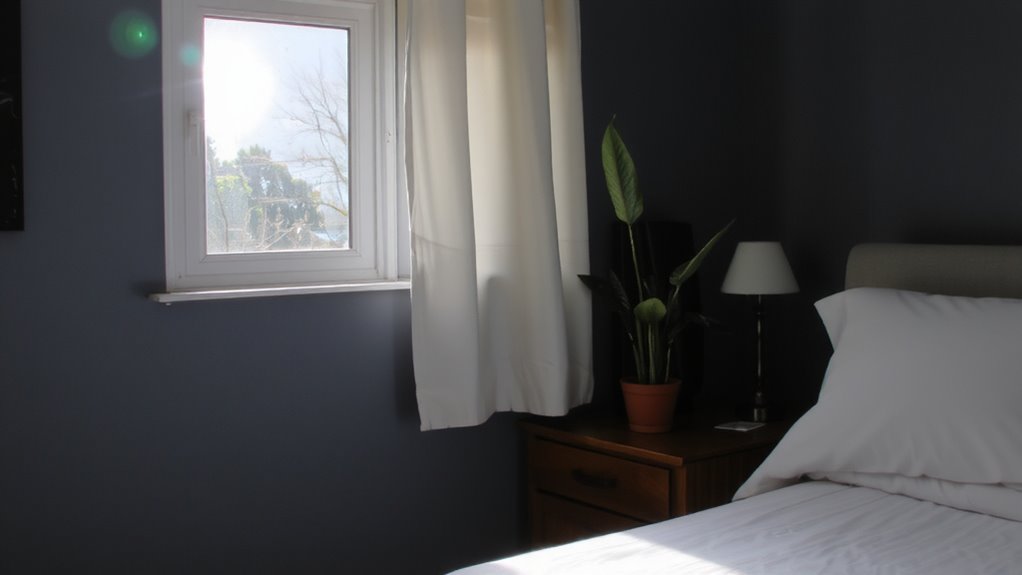
Have you ever wondered how something as simple as a houseplant might help you breathe easier at night? Some indoor plants continue gas exchange after dark, absorbing carbon dioxide and releasing oxygen during their unique respiration cycle. Unlike most plants that only photosynthesize during daylight, certain varieties perform nighttime gas exchange through a process called CAM (Crassulacean Acid Metabolism). This means they purify air when you’re sleeping, potentially supporting better sleep quality. You’re not just adding greenery-you’re introducing a natural element that works with your bedroom’s ecosystem. While they won’t replace medical sleep aids or treat sleep disorders, their quiet, steady respiration cycle may complement healthier breathing patterns. Consider them a gentle addition, not a cure. For best results, pair them with proper ventilation and evidence-based sleep hygiene. Their performance varies by species, care, and room conditions-so trial and observation are key.
Top 5 Air-Purifying Plants for Better Sleep
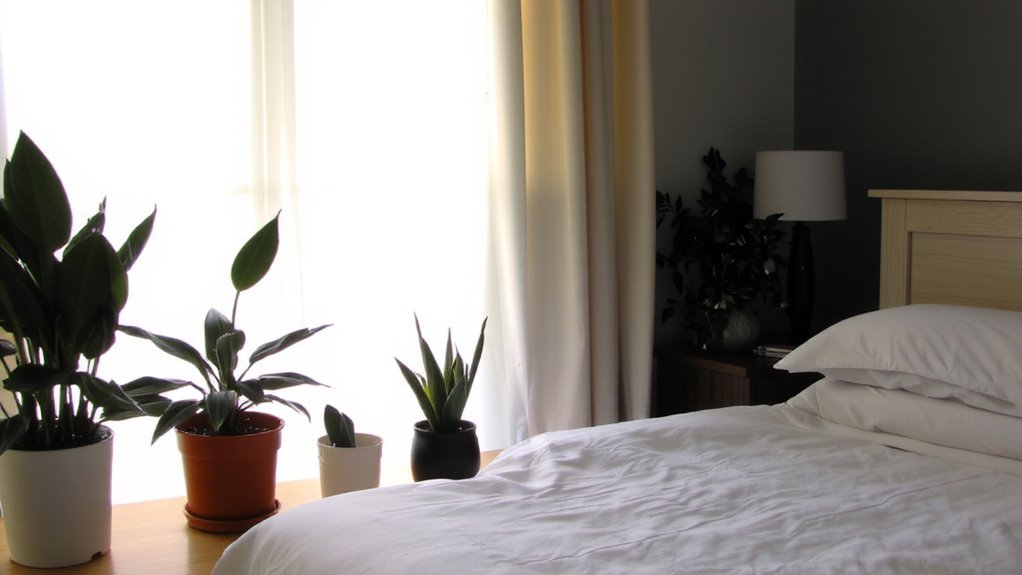
A well-chosen bedroom plant can make a quiet but meaningful difference in how you breathe at night. These five air-purifying plants are proven performers, each suited to common sleeping environments. Consider your room’s sunlight needs and check plant toxicity if you have pets or small children. Most thrive in indirect light and require minimal care.
| Plant | Sunlight Needs, Plant Toxicity |
|---|---|
| Snake Plant | Low light, Toxic if ingested |
| Peace Lily | Medium indirect, Toxic to pets |
| Aloe Vera | Bright, indirect, Mildly toxic |
| Spider Plant | Bright, indirect, Non-toxic |
| English Ivy | Moderate, indirect, Toxic if eaten |
Choose based on your space and household. All help filter indoor air, supporting clearer breathing through the night. No single plant replaces medical sleep aids, but they complement healthy bedroom habits when used wisely.
How Air-Purifying Plants Improve Sleep Quality
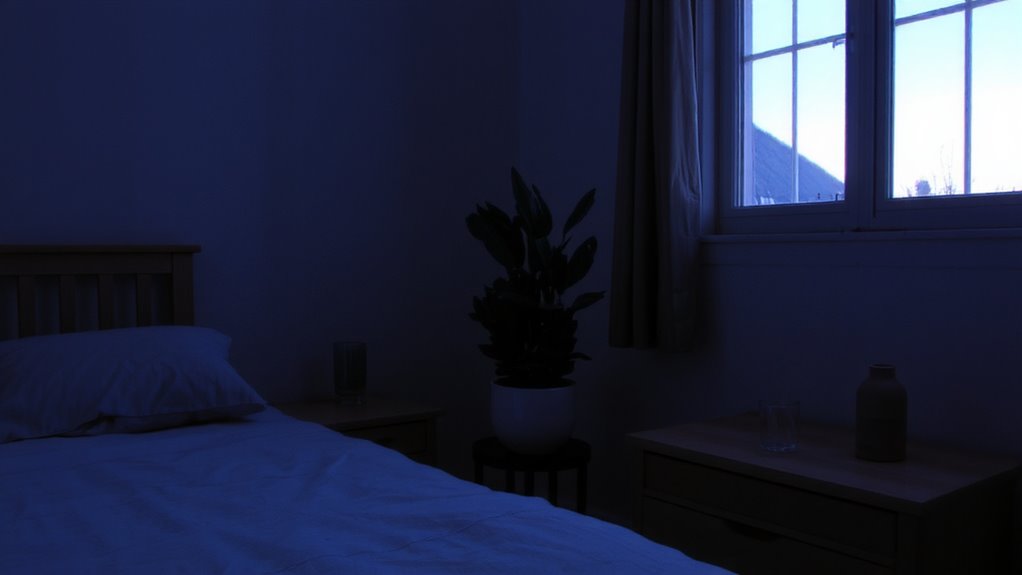
While you’re asleep, certain indoor plants quietly work to improve the air quality in your bedroom, which may support more restful breathing and better sleep over time. These plants absorb common pollutants and release oxygen, helping maintain balanced indoor air. Better air quality can reduce nighttime irritations, such as congestion or dry throat, which might otherwise disrupt your sleep cycles. Consistent, uninterrupted sleep cycles are essential for feeling refreshed. Your plant placement matters-keeping air-purifying plants within a few feet of your bed allows for more efficient air exchange without obstructing movement or airflow. Just make sure not to overcrowd surfaces, as proper spacing supports plant health and air circulation. While no plant replaces medical sleep aids or treats sleep disorders directly, they can be a helpful part of a broader, evidence-based approach to better sleep hygiene.
Best Spots for Air-Purifying Plants in Your Bedroom
Near your nightstand or just a few feet from the bed is usually the most effective spot for air-purifying plants, since that placement lets you benefit from cleaner air without blocking movement or creating clutter. Good plant placement supports airflow and guarantees your bedroom layout stays functional. Placing a plant on a shelf, dresser, or corner table works well if it’s within three to six feet of where you sleep. This range helps you breathe purified air while avoiding overcrowding. Consider traffic patterns and don’t block access to windows or doors. Tall, narrow spaces often suit slender plants like snake or ZZ varieties. If your bedroom layout is compact, hanging planters or wall-mounted pots save floor space. Always check light levels in your chosen spot-matching them to the plant’s needs guarantees consistent performance. Thoughtful placement improves both air quality and sleep comfort over time.
Mistakes That Weaken Air-Purifying Plants’ Effects
You’ve likely placed your air-purifying plants close to your sleeping area to maximize airflow and ease of care, but even well-positioned plants can underperform if common mistakes go unchecked. Overwatering roots is one of the most frequent issues, leading to root rot and weakened health, which reduces a plant’s ability to filter indoor air effectively. When roots sit in soggy soil, they can’t absorb oxygen properly, impairing overall function. Poor drainage worsens this problem-pots without drainage holes trap excess water, creating stagnant conditions that invite mold and bacteria. These issues don’t just harm the plant; they can affect air quality, potentially aggravating allergies or sleep disturbances. To maintain peak performance, guarantee pots have proper drainage and let soil dry slightly between waterings. Healthy plants support cleaner air, which may help create a calmer sleeping environment, especially for those sensitive to airborne irritants.
On a final note
You can improve your sleep environment by placing air-purifying plants like snake or spider plants in your bedroom, where they filter toxins and refresh indoor air. These plants work best in well-lit, stable spaces away from drafts. While results vary, consistent care boosts their performance. Consider them a natural option among sleep aids, and try them alongside other proven methods if you face sleep issues-many thrive with minimal effort and come with grow guarantees.