How to Identify and Manage Stress-Induced Acute Insomnia in Adults
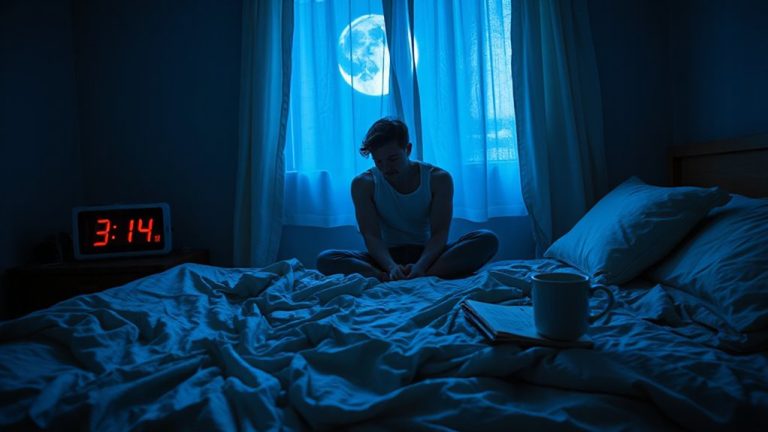
You might have stress-induced acute insomnia if you can’t fall asleep despite feeling tired, wake up often, or lie awake for over 20 minutes more than three nights a week. This short-term insomnia often follows stress, racing thoughts, or cortisol spikes. To manage it, try breathing exercises, a fixed sleep schedule, and a screen-free wind-down routine. These drug-free methods support rest without side effects, and tracking your sleep helps spot patterns. If sleep problems last beyond a few weeks, further evaluation offers clearer answers.
Notable Insights
- Acute stress triggers temporary insomnia through cortisol spikes and racing thoughts, often lasting days to weeks.
- Delayed sleep onset, frequent awakenings, and lying awake over 20 minutes are early signs of stress-induced insomnia.
- Practice breathing exercises and mindfulness regularly to calm the mind and improve sleep resilience.
- Reset your sleep schedule by maintaining consistent bed and wake times, even on weekends.
- Track sleep patterns and seek professional help if insomnia persists beyond a few weeks.
What Triggers Stress-Induced Acute Insomnia?
Why does your mind race just when you’re ready to sleep? When stress hits, your body responds with cortisol spikes, activating your nervous system even as you try to rest. These hormonal surges fuel racing thoughts, making it hard to shut off mental chatter about work, relationships, or responsibilities. Acute stress-like a looming deadline or sudden life change-often triggers this short-term insomnia. Your brain stays alert, mistaking emotional pressure for physical danger. This reaction is temporary for most, usually lasting days to weeks. Recognizing cortisol spikes and racing thoughts helps you decide whether to adjust sleep habits or consider short-term support. Options like relaxation techniques or over-the-counter sleep aids may help, but check with a doctor if symptoms persist. Some aids offer a 30-day trial, letting you assess effectiveness. Watch how your body responds, and prioritize consistency in bedtime routines. A supportive sleep environment, including a comfortable hybrid mattress, can also improve rest during stressful periods.
Spot The Early Signs Of Stress-Induced Insomnia
What if you could catch sleep troubles before they fully take hold? Recognizing early signs of stress-induced insomnia helps you respond before it worsens. You might notice delayed sleep onset, even when tired, or frequent nighttime awakenings that disrupt rest. These patterns often start subtly, tied to stressful days or anxious thoughts. Pay attention if you’re lying awake more than 20 minutes or waking up and struggling to return to sleep. Here’s what to watch for:
| Symptom | Frequency to Note |
|---|---|
| Delayed sleep onset | More than 3 nights/week |
| Nighttime awakenings | 2+ times per night |
| Restless sleep | Ongoing for 1–2 weeks |
Catch these signs early, and consider tracking sleep patterns for a clearer picture. This helps guide choices about lifestyle tweaks, sleep aids, or professional support. Using noise-masking options can also improve sleep quality by reducing disruptive environmental sounds.
Calm Your Mind When Stress Keeps You Awake
When racing thoughts keep you pinned to the pillow, how do you shift from worry to rest? Start with simple breathing exercises-inhale slowly through your nose for four counts, hold for four, then exhale through your mouth for six. This calms your nervous system and signals safety to your brain. Pair this with mindfulness techniques like body scans or focused attention on the present moment, which help break cycles of rumination. You don’t need special tools-just a quiet space and a few minutes. These methods work best when practiced consistently, not just when insomnia strikes. They’re drug-free, carry no side effects, and fit easily into a nightly routine. Unlike sleep aids, they support long-term resilience without dependency. While results may take time, most people notice improvements within a couple of weeks. Give them an honest trial-adjust timing and duration to suit your needs.
Reset Your Sleep Schedule After Stress
You’ve already started calming your mind with breathing and mindfulness, and those tools can keep supporting you as you now adjust your sleep schedule. To reset your rhythm, begin by setting a consistent bedtime and wake time-even on weekends. This strengthens your body’s internal clock. Pair this with solid sleep hygiene: keep your room cool, dark, and quiet, and avoid screens 30–60 minutes before bed. Build a relaxing bedtime routine, like reading or light stretching, to signal your body it’s time to wind down. If you can’t sleep after 20 minutes, get up and do something calm until drowsiness returns. Avoid long naps, especially late in the day. Over time, these adjustments help realign your sleep pattern safely and effectively.
Daily Habits To Reduce Stress And Sleep Better
Small changes each day can make a big difference in how you handle stress and sleep at night. Incorporate simple routines that support relaxation and consistency. Start with breathing exercises each evening-they help calm your nervous system and prepare your mind for sleep. Track your patterns using a sleep journal to identify what works. A highly rated best sleep journals option can make tracking more effective and insightful. Below are three habits to try:
| Habit | How to Practice | Benefit |
|---|---|---|
| Breathing exercises | 5-minute slow inhale-hold-exhale | Reduces heart rate, eases tension |
| Sleep journal | Record bedtime, wake time, mood | Reveals patterns affecting sleep |
| Wind-down routine | Dim lights, avoid screens | Signals body it’s time to rest |
Be patient when trying these. Results build over time.
When To See A Doctor For Stress And Insomnia
Could it be time to reach out for professional help if sleep still eludes you, even after trying daily habits like breathing exercises, keeping a sleep journal, or setting a consistent wind-down routine? If stress and insomnia last more than a few weeks, they might point to underlying sleep disorders or mental health concerns. You’re not alone-many adults face similar struggles. A doctor can assess your symptoms, rule out medical causes, and discuss treatment options, from cognitive behavioral therapy to short-term sleep aids. These treatments often work better than over-the-counter solutions and come with guidance on use, side effects, and how long to try them. Some have trial periods or warranties, so you can evaluate effectiveness safely. Addressing both stress and sleep improves daily function and long-term well-being. When self-help isn’t enough, getting support isn’t a setback-it’s a practical step toward better sleep and improved mental health.
On a final note
You now recognize how stress can briefly disrupt sleep and what steps help. Simple changes-like relaxing routines, consistent bedtimes, and reducing daily stress-often restore rest. Over-the-counter aids may offer short-term relief, but check with a doctor if sleep problems last beyond a few weeks or affect daily function. Consider therapy or sleep studies if issues continue. Most cases improve with time and small, steady adjustments. Keep track of your patterns to make informed choices.