The Role of Sleep Cycle Regularity in Reducing Panic Attacks
When you keep a regular sleep schedule, your circadian rhythm stays in sync, helping reduce panic attack risk. Consistent bed and wake times support melatonin release, improve emotional regulation, and lower nervous system sensitivity. Irregular sleep can increase neural hypersensitivity and stress reactivity, making panic more likely. Good sleep hygiene-like avoiding screens and caffeine late-boosts nightly recovery, while morning light exposure strengthens your internal clock’s stability. A steady routine doesn’t fix everything, but it sets a stronger baseline for managing anxiety-you’ll learn how small shifts add up over time.
Notable Insights
- Consistent sleep cycles stabilize the circadian rhythm, reducing nervous system hypersensitivity linked to panic attacks.
- Regular bedtimes enhance deep sleep, supporting neural recalibration and emotional regulation.
- Sleep routine predictability signals safety, lowering baseline stress and panic vulnerability.
- Morning light exposure helps synchronize the internal clock, improving sleep quality and emotional stability.
- Avoiding circadian disruptions like late-night screen use reduces melatonin suppression and sleep-related anxiety.
Why Inconsistent Sleep Worsens Panic Attacks
While your body can adapt to small changes in sleep timing, inconsistent sleep patterns-like going to bed and waking up at vastly different times each day-can disrupt your internal clock and heighten your sensitivity to stress. When your schedule shifts often, you’re more likely to experience sleep deprivation, which impairs emotional regulation and increases neural hypersensitivity. This overactive brain response can amplify fear signals, making panic attacks more likely. Regular sleep supports stable mood and clearer thinking. If you struggle with consistency, consider setting fixed bed and wake times-even on weekends. Sleep aids may help short-term, but check with a provider to rule out underlying disorders. Look for options with clear instructions, trial periods, or medical oversight to balance benefits and risks. Prioritizing sleep regularity isn’t a cure, but it’s a practical step toward reducing vulnerability.
How Circadian Rhythm Affects Panic Attacks
What if your body’s internal clock was quietly shaping your risk for panic attacks? Your circadian rhythm influences key factors like light exposure and melatonin levels, both tied to emotional regulation. When you’re exposed to bright light late at night, especially from screens, your brain delays melatonin release, disrupting sleep onset. This shift can desynchronize your internal clock, increasing nervous system sensitivity. Over time, irregular rhythms may heighten your vulnerability to panic episodes. Morning light exposure, in contrast, helps reset your cycle, supporting stable melatonin levels at night. Devices like light therapy lamps or sleep trackers can aid in monitoring and adjusting your rhythm. Some people benefit from melatonin supplements, though timing and dosage matter-typically 0.5 to 3 mg, taken 1–2 hours before bed. Look for third-party tested products with clear labeling. Using a best sleep therapy light can enhance morning light exposure and support circadian realignment.
Why Regular Bedtimes Calm Your Nervous System
When your bedtime shifts too much from night to night, it keeps your nervous system on edge, making it harder to manage stress and more likely to react strongly to small triggers. A steady bedtime supports neural recalibration, helping your brain reset emotional responses during deep sleep. This routine strengthens stress buffering, so your body handles anxiety more effectively. Over time, consistency signals safety, lowering baseline alertness.
| Factor | With Irregular Sleep | With Regular Sleep |
|---|---|---|
| Neural recalibration | Disrupted, slower recovery | Enhanced, consistent repair |
| Stress buffering | Weak, overactive responses | Stronger, balanced reactions |
| Nightly recovery | Fragmented, less restorative | Smooth, more complete |
You don’t need perfect sleep every night-just a predictable window. This stability helps your body anticipate rest, easing the shift into recovery mode. Choosing consistency supports long-term nervous system health without needing sleep aids.
Steps to Create a Panic-Reducing Sleep Routine
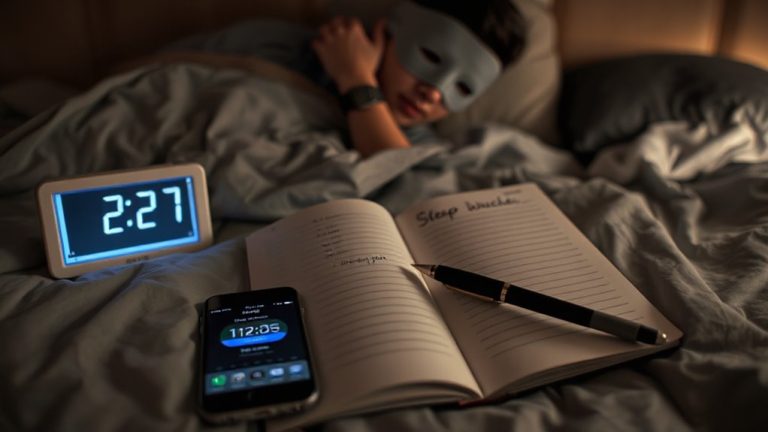
If you’re dealing with panic attacks, setting up a steady sleep routine can make a real difference in how your body handles stress overnight. Start by improving your sleep hygiene-keep your bedroom cool, dark, and quiet, and avoid screens at least 30 minutes before bed. Consistent bedtime rituals signal your brain that it’s time to wind down; try reading, gentle stretching, or deep breathing. Aim to go to bed and wake up at the same time every day, even on weekends. Limit caffeine after noon and avoid heavy meals close to bedtime. If you struggle to fall asleep, consider tracking your patterns with a sleep journal. Over-the-counter sleep aids may help occasionally, but check with your doctor, especially if used long-term. Choose methods that fit your lifestyle and allow room for adjustments. Consistency and small, sustainable changes often work best. A highly effective way to monitor progress is by using one of the best sleep journals for better rest, which can provide insights into patterns affecting your anxiety and sleep quality through best sleep journals.
Morning Habits That Stabilize Your Sleep
You’ll find that starting your day the right way helps lock in a steady sleep cycle, especially when you’re managing panic attacks. First, get sunlight exposure within 30 minutes of waking-this resets your internal clock and strengthens circadian rhythm over time. Open curtains or step outside; even on cloudy days, natural light has enough intensity to make a difference. Pair this with consistent wake times, even on weekends, to reinforce your body’s sleep-wake pattern. Also, support your system by improving hydration habits-drink a glass of water soon after rising. Dehydration can disrupt sleep quality later, so steady intake throughout the morning helps maintain balance. Avoid heavy caffeine right away, as it may increase anxiety for some. These habits don’t require special tools or products, just daily commitment. Over weeks, they support deeper, more reliable sleep and may reduce nighttime awakenings linked to panic.
When to Seek Help for Sleep and Panic Attacks?
A steady morning routine can go a long way in supporting your sleep cycle, but there are times when habits alone aren’t enough, especially if panic attacks keep disrupting your rest. If you notice ongoing trouble falling asleep, frequent nighttime awakenings, or intense anxiety at bedtime, it might signal underlying sleep disorders. Consider a mental health evaluation if panic attacks occur weekly or worsen over time. Below are signs to help you decide when to reach out:
| Symptom | When to Act |
|---|---|
| Nightly insomnia | After 2 weeks |
| Panic attacks at night | After 3 episodes |
| Daytime fatigue | When affecting work |
| Mood swings | If lasting 10+ days |
| Racing thoughts | When unresponsive to routines |
Don’t wait-early support improves outcomes. Professional guidance can clarify whether medication, therapy, or sleep aids might help.
Can Fixing Sleep Stop Panic Before It Starts?
Could better sleep actually keep panic at bay before it takes hold? Yes, improving your sleep hygiene may help prevent panic from starting. When you follow a consistent sleep schedule, limit screen time before bed, and create a calming routine, your brain gets a chance to reset. This supports neural plasticity-the brain’s ability to adapt and rewire stress responses over time. Poor sleep disrupts emotional regulation, making panic more likely. But by strengthening sleep quality and timing, you give your nervous system tools to stay balanced. Consider trying natural fixes like blackout curtains or white noise machines before turning to sleep aids. Many over-the-counter options come with side effects or short-term relief. If problems persist, talk to a doctor about possible sleep disorders. A proper diagnosis can guide safer, longer-lasting solutions. A high-quality blackout curtains option can significantly reduce light pollution in your bedroom, enhancing melatonin production and supporting deeper, more restorative sleep.
On a final note
A steady sleep schedule helps regulate your body’s stress response, making panic less likely. When your circadian rhythm stays consistent, your nervous system stays calmer. Simple habits like fixed bedtimes and morning light exposure improve sleep quality over time. If panic or insomnia persist, talk to a professional-treatments and evidence-backed sleep aids exist. Always weigh benefits, side effects, and warranty or trial options before trying supplements or devices.