Temperature-Sensitive Memory Foam in Cold Climates: Does It Work?
Cold temps make regular memory foam stiff and slow to respond, but temperature-sensitive foam adapts quickly to your body heat, so you get consistent comfort and pressure relief. It stays pliable in winter, supports spinal alignment, and reduces tossing. Look for breathable covers, open-cell structures, or gel infusions that balance warmth and airflow. These models often come with sleep trials and 10-year warranties, helping you choose with confidence-there’s more to learn about staying comfortable all night.
Notable Insights
- Temperature-sensitive foam maintains softness in cold climates by adapting quickly to body heat.
- It reduces nighttime tossing by providing consistent pressure relief, even in cool rooms.
- Enhanced elasticity in cold conditions ensures comfortable contouring for side sleepers.
- Breathable materials and open-cell structures prevent heat loss and improve sleep comfort.
- Studies show users fall asleep faster and experience fewer awakenings in winter.
Why Cold Weather Makes Memory Foam Uncomfortable
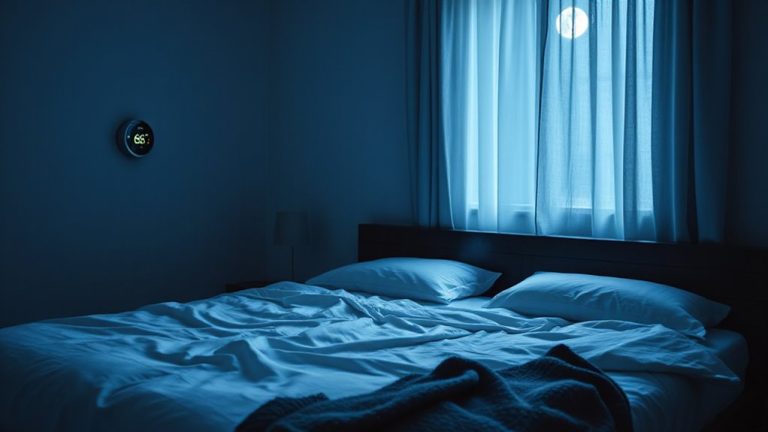
When the temperature drops, you might notice your memory foam mattress feels firmer and less responsive, and that’s because most memory foam slows down in colder environments. The drop in heat increases material stiffness, making the foam less pliable and slower to contour to your body. This can reduce pressure relief, especially for side sleepers needing cushioning at the shoulders and hips. Alongside this, airflow reduction in dense memory foam layers traps cooler air, worsening the firm, unyielding feel. You may experience discomfort or more frequent tossing and turning, potentially disrupting sleep cycles. If you live in a cold climate or keep your bedroom cool, these traits are worth considering when choosing a mattress. Some models include open-cell structures or gel infusions to improve performance. Review trial periods and warranties to test suitability.
How Temperature-Sensitive Foam Stays Soft in the Cold
Even though the air gets colder, temperature-sensitive memory foam maintains its softness by using specially engineered materials that respond less to temperature drops. You’ll notice it still contours to your body because its material elasticity is designed to stay consistent, even in cooler rooms. This means less stiffness under pressure and more reliable support throughout the night. The foam achieves this through enhanced thermal regulation, allowing it to absorb and retain your body heat more efficiently. As a result, it softens quickly when you lie down, adapting without delay. Many models come with breathable covers that aid this process, improving overall comfort. If you live in a cold climate, look for foams tested for consistent performance below 65°F. Most brands offer trial periods and extended warranties, so you can test responsiveness over time. These features help you make informed choices about long-term sleep support.
The Science Behind Cold-Adaptive Memory Foam
You’ve seen how temperature-sensitive memory foam keeps its cushioning feel in cooler rooms, but what actually makes that possible comes down to the material’s molecular design. Engineers tweak the foam’s structure so it undergoes a controlled phase change at lower temperatures, staying pliable instead of stiffening. This shift helps maintain consistent material density, even when your bedroom dips below 60°F. The balance between softness and support stays intact, adapting subtly to your body heat without losing shape. You get steady pressure relief, especially around shoulders and hips, without sinking too deeply. These foams often come with longer trial periods, letting you test comfort over several winter months. Look for models with warranties of at least 10 years, as durability reflects stable material performance. Choosing one means weighing consistent responsiveness against potential warmth retention. It’s not a cure, but it can improve comfort for those sensitive to firm surfaces in cold settings.
Proven Sleep Benefits in Winter: Backed by Research
Several studies have shown that temperature-sensitive memory foam can improve sleep quality during colder months, especially for people who feel discomfort on traditional mattresses in cool rooms. You’ll likely notice reduced tossing as the foam adapts to your body heat, contouring closely and supporting pressure points more effectively at lower temperatures. This responsive shaping also promotes improved circulation by aligning your spine and reducing pressure on joints. Research tracking indicates users report falling asleep faster and experiencing fewer nighttime awakenings in winter conditions. The material’s ability to soften in response to body warmth helps maintain consistent comfort without overheating. Trials from major manufacturers often include 100-night sleep guarantees, letting you test performance in colder environments risk-free. Look for certifications like CertiPUR-US to guarantee material safety and durability. These evidence-backed improvements make temperature-sensitive foam a practical choice for winter sleep challenges.
Best Features in Cold-Climate Memory Foam Mattresses
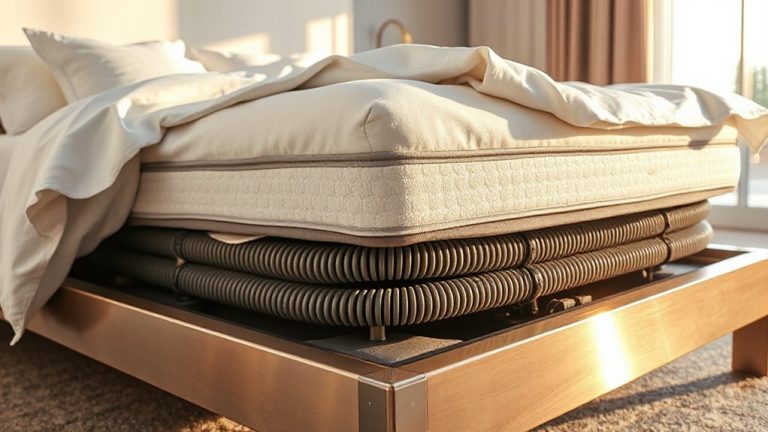
When choosing a mattress for colder environments, look for memory foam that warms quickly to your body heat, so it contours effectively without feeling too firm at first touch. This responsiveness supports consistent pressure relief, especially around hips and shoulders, which helps reduce nighttime tossing. You’ll also want foam with strong motion isolation-this minimizes how much movement transfers across the bed, a big plus if you share the mattress. Many cold-climate models use open-cell structures or gel infusions to balance warmth without trapping heat. Consider a mattress with a breathable cover and dense support layers for durability. Check warranty terms-at least 10 years is standard-and see if the brand offers a sleep trial. These features together support better spinal alignment and uninterrupted rest, important if you’re managing sleep issues. Choosing wisely means balancing comfort, performance, and long-term value.
Pair Your Foam With Warmth-Boosting Bedding
While your temperature-sensitive memory foam adjusts to body heat over time, pairing it with the right bedding can speed up warmth retention and improve comfort, especially in cooler rooms. Heated blankets provide steady, adjustable warmth the moment you get into bed, helping offset the foam’s initial cool feel. Look for models with auto-shutoff and multiple heat settings for safety and customization. Thermal pajamas add a lightweight layer that traps body heat without restricting movement, enhancing warmth before the foam fully responds to your temperature. Together, these supports help maintain a stable sleep microclimate. Cotton blends in pajamas offer breathability, while flannel or fleece in bedding adds insulation. Using these aids doesn’t alter the mattress but improves early-night comfort. Many brands offer trial periods, so test combinations risk-free. This approach supports deeper sleep onset, especially useful if you’re sensitive to cold or managing circadian disruptions. For optimal results, consider integrating one of the best electric blankets recommended for cozy, consistent warmth.
On a final note
You’ll find memory foam beds vary in cold rooms, but cold-adaptive models stay soft by adjusting to body heat and using open-cell structures. These foams balance support and comfort, helping reduce pressure points and improve sleep continuity in winter. Look for mattresses with gel infusions or phase-change materials, breathable covers, and at least a 10-year warranty. Test options with sleep trials, since individual needs differ, especially if you have joint pain or circulatory concerns.