The Impact of Noise-Canceling Devices on Sleep Stage Duration
Noise-canceling devices can help you sleep more soundly by reducing outside sounds that disrupt deep and REM sleep. They use active tech to cancel sudden noises or passive design like soft seals to block noise. This support may let you stay in restorative stages longer. Lightweight, comfortable models work well for side sleepers and nightly use. Many brands offer trial periods, so you can test fit and effectiveness. Check features like battery life and washable pads to find the best match for your routine. You’ll discover how small upgrades can make a noticeable difference over time.
Notable Insights
- Noise-canceling devices help preserve deep sleep by reducing disruptions during slow-wave sleep stages.
- These devices support longer REM periods by minimizing auditory interruptions that fragment sleep cycles.
- Active noise cancellation uses opposing sound waves to neutralize environmental noise and protect sleep architecture.
- Passive noise isolation through ear padding and seal can enhance sleep stage continuity and duration.
- Improved sleep quality with noise-canceling technology is most effective when combined with good sleep hygiene.
What Are Sleep Stages: and How Does Noise Affect Them?
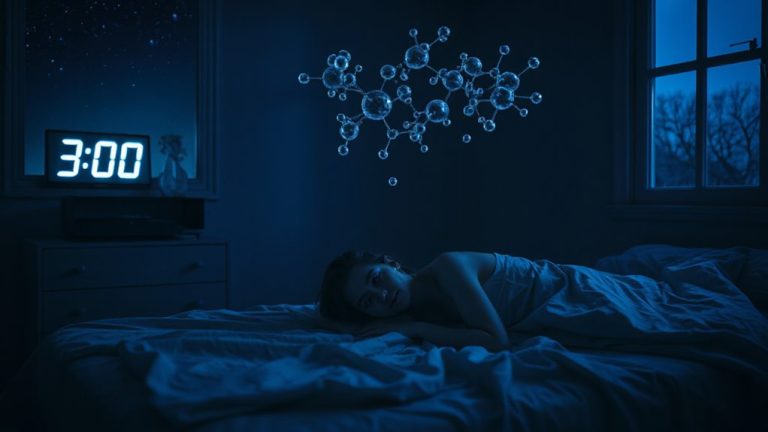
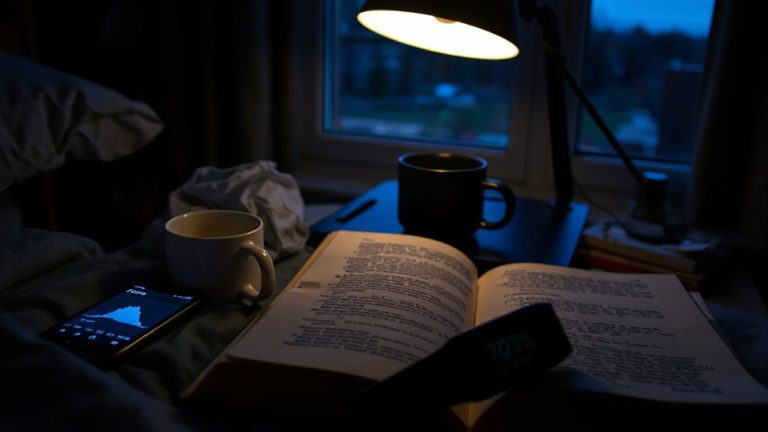
Ever wonder why you wake up feeling unrested even after spending hours in bed? Your sleep quality isn’t just about time-it’s tied to your sleep architecture. You cycle through stages: light, deep, and REM, each essential for restoration. Disruptions, like sudden noises, trigger auditory stimulation that can shift or fragment these stages. Even if you don’t fully wake, your brain responds, reducing deep sleep and messing up the cycle. Environmental sounds-traffic, snoring, loud neighbors-can prevent you from reaching restorative phases. Monitoring your sleep patterns helps identify these breaks. Some trackers detail sleep architecture, showing when disruptions occur. While not all interventions are equal, understanding how sound affects your stages helps you make informed choices. You might consider evaluating quieter sleep environments or testing low-risk aids, checking return policies to guarantee suitability. Small changes can support more consistent, undisturbed rest. Effective solutions include using the best noise-cancelling earplugs for sleep, such as best noise-cancelling earplugs, which can significantly reduce environmental sound interference.
Can Noise-Canceling Tech Help You Sleep Better?
How much could blocking out nighttime noise actually improve your sleep? Noise-canceling tech may support better rest by protecting your sleep hygiene. When background sounds like traffic or snoring are reduced, your brain isn’t jolted as often, helping you stay in restful cycles longer. This stability supports your circadian rhythm, which relies on consistent, uninterrupted sleep patterns. Over-ear headphones with built-in noise cancellation or white noise apps paired with earbuds are common options. Look for lightweight designs with breathable materials if you’re sensitive to pressure. Many devices offer trial periods, so you can test comfort and performance. While they don’t cure sleep disorders, they can be a practical part of a broader strategy. Consider using them alongside routine bedtimes and screen limits. Results vary, but for some, the drop in disruptions makes falling and staying asleep easier. For those seeking alternatives, best sleep ear plugs offer a discreet and effective solution for minimizing sound disturbances.
Can Noise-Canceling Devices Increase Deep Sleep?
Blocking out nighttime noise can help you stay asleep longer, but its effect on deep sleep-the most restorative phase-depends on how consistently your sleep cycles run without interruption. You might find that noise-canceling devices support deeper sleep by reducing disturbances that pull you out of slow-wave stages. Some models now include brainwave entrainment features, using soft sound pulses to align your brainwaves with deep sleep patterns, though results vary by individual. When combined with solid sleep hygiene-like keeping a regular bedtime and limiting screen time-these devices can enhance overall sleep quality. While they don’t guarantee longer deep sleep for everyone, consistent use in a quiet, dark room improves the odds. Look for models with adjustable settings, comfortable fit, and trial periods so you can test effectiveness without risk. A good night’s rest may also involve minimizing light exposure, making a quality travel eye mask a valuable addition to your sleep toolkit.
Do Noise-Canceling Devices Improve REM Sleep?
Could cutting out nighttime noise actually help you reach more REM sleep, the stage tied to dreaming and mental restoration? When outside sounds are blocked, your brain chemistry can stabilize, making it easier to stay in REM longer. Noise-canceling devices reduce disruptions that might otherwise pull you out of this delicate phase. This consistent environment may support stronger dream intensity, since uninterrupted REM often leads to more vivid dreams. These devices use active or passive tech to filter sound, fitting comfortably over or in your ears. Look for models with soft materials and adjustable settings so you can find what works nightly. Most offer trial periods, letting you test them without risk. While results vary, especially if you have sleep apnea or other disorders, many users report feeling more mentally refreshed. Try one for a few weeks to see how it affects your REM patterns and overall rest.
What Do Studies Say About Noise-Canceling and Sleep Quality?
Why might your sleep feel deeper when outside noise fades? Studies suggest noise-canceling devices can improve perceived sleep quality by reducing disruptive sounds, letting you fall asleep faster and stay in restorative stages longer. You’ll want to evaluate device comfort, though-bulky designs might press on your ears or shift at night, interrupting rest. While these devices typically pose low risk for hearing damage, extended volume use before sleep could strain your ears over time. Look for models with soft, breathable materials and low-profile builds, especially if you’re a side sleeper. Some include trial periods, so you can test comfort and performance risk-free. Research shows benefits, but results vary by individual sleep patterns and environmental noise levels. Choosing the right fit means balancing effectiveness with long-term wearability and safety-key for consistent, undisturbed rest.
How Do Noise-Canceling Headphones Block Disruptive Sounds?
How exactly do your headphones manage to silence the world around you? They use two main methods: active noise cancellation and passive isolation. Active noise tech works by detecting incoming sound waves with built-in mics, then producing opposing waves that cancel out background noise-especially low-frequency sounds like AC hums or traffic. This happens in real time, making your environment quieter instantly. Passive isolation relies on physical design-earcup padding, headband pressure, and ear seal-to block sound naturally. Most noise-canceling headphones combine both for better results. When choosing a pair for sleep, look for soft materials and a low-profile design so they don’t press too hard on your head when lying down. Many brands offer trial periods, so test comfort before committing. While they won’t block every sound, consistent results make them worth considering.
On a final note
Noise-canceling devices may help you sleep better by reducing disruptive sounds, potentially increasing deep and REM sleep. They work by blocking environmental noise, which can improve overall sleep quality. While studies show mixed results, many users report improved rest. Consider features like comfort, fit, and battery life when choosing a device. Look for models with trial periods or warranties to test effectiveness. If you have a sleep disorder, consult a specialist before relying on tech alone.