The Role of Behavioral Experiments in Testing Sleep-Related Safety Behaviors
You use bedtime rituals and sleep aids to feel in control, but they can worsen insomnia over time by making your mind depend on them. Behavioral experiments help you test whether these habits actually improve sleep. By changing one behavior-like adjusting your bedtime-and tracking results, you see what really works. This method offers clear, personal evidence. You’ll learn how small, informed changes build better sleep patterns naturally. There’s more to discover about refining your approach based on what your own sleep data shows.
Notable Insights
- Behavioral experiments test whether sleep-related safety behaviors truly improve rest or increase anxiety.
- They challenge unhelpful beliefs, like needing exactly eight hours of uninterrupted sleep.
- By modifying one habit at a time, individuals observe its real impact on sleep quality.
- Experiments weaken reliance on rituals by replacing them with evidence-based practices.
- Data from sleep journals or trackers help identify which behaviors support or hinder natural sleep.
What Are Sleep-Related Safety Behaviors?
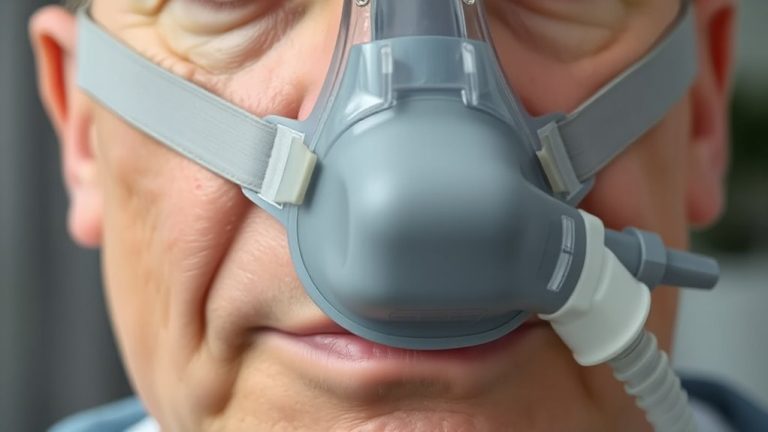
A safety behavior is a mental or physical act you use to feel more control over sleep, especially when worry or discomfort gets in the way. You might adjust your sleep environment repeatedly, checking the temperature, noise, or lighting to feel “just right.” Or you could rely heavily on strict bedtime rituals, like reading the same book or drinking herbal tea, believing they’re necessary for sleep to come. These actions seem helpful because they offer short-term comfort. They don’t fix the underlying issue, though. Over time, your mind may start to depend on them, linking sleep success to the ritual instead of natural tiredness. Recognizing these patterns helps you understand how choices around environment and routine shape your sleep expectations. You don’t need to eliminate them right away, but observing their role gives you clearer insight when deciding which habits support rest-and which might be holding you back. Some parents find that incorporating baby sleep solutions can reduce reliance on nighttime rituals by addressing core discomforts like teething.
Why Common Sleep Habits Make Insomnia Worse
Why do some of the very habits meant to help you sleep actually keep you awake? Many common routines increase sleep anxiety instead of reducing it. When you spend too much time in bed hoping to sleep, your brain starts associating the bed with wakefulness, not rest. This fuels cognitive distortions-like believing you must get eight hours or the next day will be ruined. These unhelpful thoughts heighten stress, making real sleep harder. Sticking to a strict pre-bed ritual or using sleep aids too often can backfire by reinforcing fear of normal sleep variations. Over time, these behaviors feel necessary but weaken your natural sleep drive. You’re training your body to rely on crutches instead of regulating itself. The result? More frustration, less rest. Recognizing how these habits worsen insomnia is the first step toward healthier, more flexible sleep patterns backed by evidence, not fear.
Do Your Sleep Beliefs Hold Up? Testing Them With Experiments?
How confident are you that your current sleep beliefs actually lead to better rest? Many people follow routines based on sleep myths, like thinking dream analysis reveals hidden causes of insomnia or that strict sleep schedules cure chronic sleep issues. But not all widely held ideas stand up to real-world testing. Behavioral experiments help you check whether your beliefs-like needing eight straight hours or avoiding screens forever-actually improve sleep. Instead of assuming, you test them. You might find that occasional screen use doesn’t hurt your rest, or that tracking dreams doesn’t change sleep quality. These experiments offer clear feedback about what works for you. They’re practical, low-risk, and built on observation, not assumptions. By challenging unproven beliefs, you can adjust habits with confidence. It’s not about abandoning routines-it’s about making informed choices that support better rest over time.
Run a Sleep Behavioral Experiment: Step by Step
You’ve likely questioned whether your sleep habits truly help or just follow common myths, and now you can test them with a structured approach. Start by choosing one behavior-like sleep scheduling or dream journaling-and define a clear prediction. Track your current pattern for three nights, then change just one element. Record results daily to spot trends. Keep the test simple and consistent to get reliable data.
| Step | Action |
|---|---|
| 1 | Pick a habit to test (e.g., dream journaling before bed) |
| 2 | Record baseline sleep quality for 3 nights |
| 3 | Make one change, like adjusting sleep scheduling |
| 4 | Monitor effects over the next 5 nights |
This method helps you see what truly supports your sleep without guesswork.
Real-World Behavioral Experiments for Insomnia
Where do you start when sleepless nights become a pattern? You begin by testing small changes in your real-world routine. Try adjusting your bedtime routines-not too rigid, but consistent. Shift your sleep schedule by 15 minutes, then observe. Use sleep tracking to record when you fall asleep, wake, and how you feel. This data helps spot patterns without overreacting. Maybe you keep the lights low after dinner or skip screens an hour before bed-simple tweaks that test what supports your sleep. These aren’t fixes, just experiments. Test one change at a time, for at least three nights. Track the results quietly, without pressure. You’re gathering clues, not chasing perfection. Over time, you’ll see which habits make a difference. Sleep tracking and bedtime routines become tools-not rules. You stay in control, making informed choices about your sleep, without rushing to conclusions or relying on sleep aids too soon.
What Your Sleep Data Really Means
Why do those numbers on your sleep tracker matter? They’re not just stats-they can help you understand your sleep patterns, but only if you see them clearly. Sleep tracking accuracy varies by device, and while newer models capture more details like movement and heart rate, they’re not medical-grade. You might think a low deep sleep score means poor rest, but that’s a common data interpretation myth. Your body may still feel refreshed even if the tracker says otherwise. Don’t panic over a single night’s data; trends over time matter more. Use the information to spot patterns, not diagnose disorders. If you’re tired despite good data-or well-rested despite bad numbers-trust your body. Use trackers as tools, not truths, and consult professionals if issues persist. They help guide questions, not replace expert evaluation.
Make It Stick: Building New Sleep Habits From Your Results
While your sleep data can highlight patterns, turning those insights into lasting habits means making thoughtful, consistent choices. Sleep journaling helps you track progress and identify what’s working. Paired with bedtime consistency, it builds a reliable routine that supports better rest over time. Use your findings to adjust behaviors gradually-small changes often stick better than overhauls. Review your notes weekly to stay on track and refine your approach. A effective tool for this process is tracking with one of the best sleep journals, which are designed to capture key factors influencing sleep quality.
On a final note
You now have tools to test your sleep habits and see what truly helps. Behavioral experiments let you check beliefs against real results, not guesses. You track changes, notice patterns, and make choices based on evidence. This method builds lasting habits, reduces reliance on quick fixes, and improves sleep naturally. Try one strategy at a time, give it a fair trial, and use your data to decide what to keep, adjust, or drop.