The Connection Between Sleep Cycle Efficiency and Immune Function
Poor sleep raises cortisol, weakening your immune response and increasing inflammation over time. Without enough deep sleep, your body produces fewer cytokines and antibodies, and T-cells don’t work as well. Chronic disruption, like from untreated apnea or shift work, further lowers defense. Over-the-counter aids don’t replace restorative sleep. Consistent bedtimes, screen limits, and morning light can improve sleep quality. Natural routines and proven treatments like CBT-I support lasting gains-you’ll find clearer ways to strengthen both sleep and immunity ahead.
Notable Insights
- Poor sleep efficiency elevates cortisol, weakening immune responses and increasing inflammation.
- Deep sleep enhances cytokine production, helping the body fight infections and inflammation.
- Chronic sleep disruption reduces T-cell effectiveness and lowers defense against pathogens.
- Efficient sleep supports immune memory, improving future pathogen recognition and response.
- Consistent, high-quality sleep strengthens overall immune resilience and reduces illness risk.
Why Poor Sleep Weakens Your Immune System
Sleep, that quiet foundation of daily health, takes a backseat when nights are short or restless-and your immune system pays the price. When you skimp on sleep, your body produces more stress hormones like cortisol, which dampen immune responses over time. These elevated levels contribute to chronic inflammation, a quiet but harmful state linked to long-term illness. Without enough rest, immune cells don’t coordinate as well, leaving you more vulnerable. You might not notice it at first, but repeated poor sleep wears down your body’s defenses. If you struggle nightly, consider evaluating sleep disorders like insomnia or apnea. Treatment options, including behavioral therapy or FDA-approved sleep aids, often come with trial periods and clear usage guidelines. Look for devices or programs with solid warranties and proven performance in improving sleep efficiency. Small, informed changes in sleep habits can reduce inflammation and balance stress hormones-supporting both rest and immunity. For those exploring natural support, trying best sleep supplements may enhance sleep quality when combined with healthy lifestyle changes.
How Deep Sleep Powers Infection Defense
While you’re in deep sleep, your body isn’t just resting-it’s actively strengthening your defenses against infections. Your immune system releases proteins called cytokines, some of which help fight inflammation and infection. This stage supports memory consolidation, helping immune cells “remember” pathogens for faster responses later. At the same time, cellular repair ramps up-tissues heal, muscles rebuild, and your body restores itself. Deep sleep also balances antibody production, making vaccines or prior illness more effective. If you’re choosing sleep aids or treatments for disorders like sleep apnea, look for options proven to increase deep sleep duration, such as CBT-I or FDA-cleared devices. Check product details on clinical trials and warranty length. Prioritizing deep sleep isn’t about quick fixes-it’s a consistent practice that supports long-term immune resilience through natural, nightly renewal.
What Happens When Sleep Disrupts Immunity
How does losing sleep weaken your body’s ability to fight illness? Chronic sleep deprivation stresses your system, reducing the production of cytokines needed to target infections. When you skimp on rest, even for a few nights, immune suppression follows, making you more vulnerable to colds, flu, and longer recovery times. Your T-cells, essential for destroying infected cells, become less effective without consistent, quality sleep. Shift workers or those with untreated sleep disorders like apnea face higher risks due to disrupted circadian rhythms. Over-the-counter sleep aids might help short-term but don’t replace deep, restorative rest. Prescription options exist, but consider discussing risks and trial periods with your doctor. Devices like CPAP machines can improve breathing and sleep quality when appropriate. Evaluating your sleep patterns, possible disorders, and treatment options can help you avoid long-term immune compromise.
Boost Sleep Cycle Efficiency Naturally
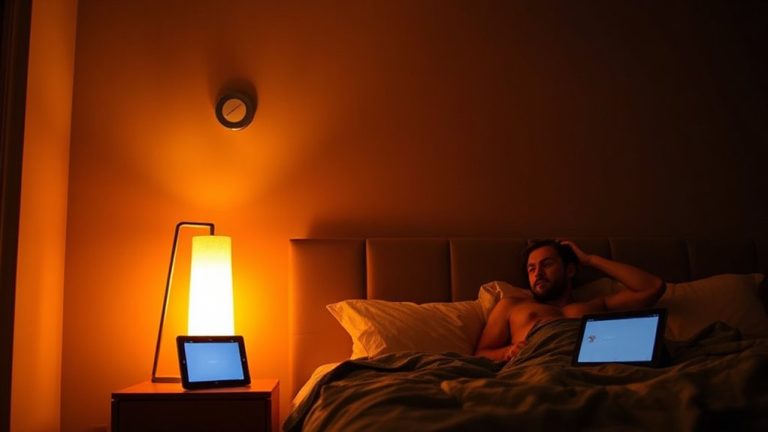
Though small changes can make a noticeable difference, improving your sleep cycle naturally starts with consistent routines that align with your body’s internal clock. You can support this by setting fixed bedtimes and wake times, even on weekends. Incorporate calming bedtime routines like reading or sipping herbal teas such as chamomile or valerian root, which may help ease your mind. Reduce screen exposure at least 30 minutes before bed to support melatonin production. Best sleep-inducing teas can further enhance relaxation and prepare your body for restful sleep. Below are effective natural strategies:
| Strategy | Benefit | Consideration |
|---|---|---|
| Herbal teas | May reduce anxiety, promote drowsiness | Some may interact with medications |
| Bedtime routines | Signal your brain it’s time to rest | Works best when consistent |
| Natural light exposure | Regulates circadian rhythm | Aim for morning light, not late evening |
Track Your Sleep to Support Immune Health
What if the key to better immune health lies in understanding your sleep patterns? You can start by using sleep tracking to monitor how long and how well you rest each night. Many devices now offer detailed insights into your sleep cycles, helping you spot disruptions that might affect your body’s defenses. When you pair sleep tracking with immune monitoring-like noting when you feel unwell-you begin to see connections between poor rest and lowered resilience. Consistent data helps you decide whether changes in routine, sleep aids, or seeking care for possible sleep disorders are worth trying. Look for trackers with accuracy, long battery life, and clear apps that display trends over time. Most come with trial periods or warranties, so test one for at least two weeks. This small step could support long-term immune function through smarter sleep choices. Upgrading your bedding can also enhance sleep quality, especially with best cool bed sheets designed to regulate temperature throughout the night.
On a final note
You can strengthen your immune health by improving sleep cycle efficiency. Prioritize consistent bedtimes and reduce screen exposure before rest. If disrupted sleep persists, track patterns using reliable sleep monitors to identify issues like apnea or insomnia. Consider non-drug approaches-cognitive behavioral therapy or improved sleep hygiene-before turning to aids. Some over-the-counter options exist, but review ingredients and consult a doctor, especially for long-term use. A well-timed, restful sleep cycle works quietly, yet powerfully, in your favor.