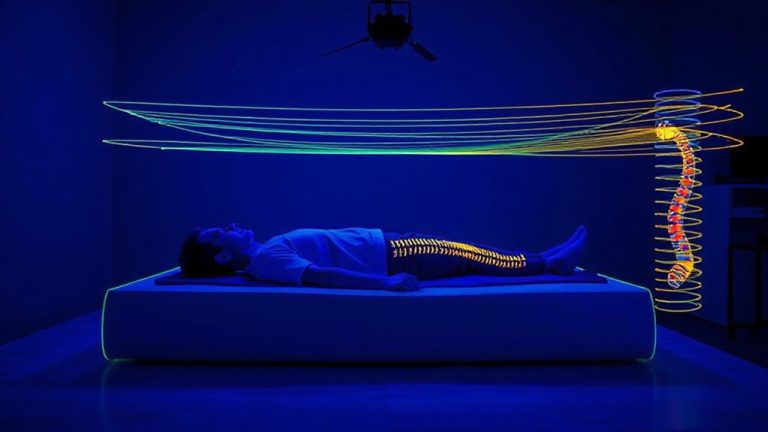
How Sleep Cycles Influence Your Energy Levels Throughout the Day
Your energy levels depend on completing full 90-minute sleep cycles, which include deep and REM sleep. Waking during light sleep boosts alertness, while disruption causes grogginess. Deep sleep restores physical energy and brain function, and REM sleep sharpens focus and mood. Missing cycles, especially REM, harms concentration. Aligning bedtime with natural rhythms improves daytime performance. Consistent sleep and wake times support long-term energy balance and mental clarity-understanding this pattern helps you make smarter choices about rest and recovery.
Notable Insights
- Sleep cycles of 90 minutes include deep and REM stages that restore physical and mental energy.
- Waking during light sleep at the end of a cycle reduces grogginess and boosts morning alertness.
- Missing full cycles, especially REM sleep, impairs focus, memory, and daytime cognitive performance.
- Consistent bedtimes aligned with sleep cycles support stable energy levels throughout the day.
- Deep sleep repairs the body and brain, directly influencing next-day physical energy and alertness.
Why You Crash Midday: And It’s Your Sleep Cycle
Why do you suddenly feel drained around 2 or 3 p.m., even after a full night’s sleep? It’s likely due to your body’s natural circadian rhythm, which regulates alertness and tiredness over a 24-hour cycle. Around midday, most people experience a mild energy dip, a built-in slowdown that happens regardless of lunch intake. This dip isn’t a sign of poor sleep hygiene but rather a normal part of human biology, often worsened by lack of light exposure or irregular sleep schedules. If the crash feels extreme, it may point to disrupted circadian timing or an underlying sleep disorder. Consider evaluating sleep consistency, room darkness, and screen use before bed. Some find benefit in short naps or caffeine timed before the dip, though effectiveness varies. Devices like light therapy lamps or sleep trackers can help fine-tune your rhythm. Always consult a professional if fatigue interferes with daily function. Tracking your sleep stages with a wearable can provide insights into rest quality, and using the best sleep-tracking smartwatches can help identify patterns affecting your energy.
How Sleep Cycles Work in 90-Minute Blocks
Most people cycle through sleep in roughly 90-minute blocks, and tracking these phases can help you wake up feeling more refreshed. Your sleep architecture-the pattern of REM and non-REM stages-follows this natural rhythm. Each cycle timing advances you deeper into restorative sleep, balancing light sleep, deep sleep, and REM. Over the night, you typically complete four to six of these 90-minute blocks. Understanding this structure helps you decide when to go to bed and when to rise, matching your sleep schedule to your body’s internal clock. If you’re considering sleep aids or adjusting routines, aligning with your natural cycle timing can support better results. Tracking tools may help reveal disruptions or irregularities in sleep architecture. This insight lets you make informed choices about habits, environment, or professional support. No need for drastic changes-small, consistent adjustments often improve sleep quality over time.
How Waking Up in the Right Sleep Cycle Beats Grogginess
While your body moves through 90-minute sleep cycles, timing your wake-up to align with lighter stages can make a noticeable difference in how alert you feel. Waking during deep sleep often leaves you groggy, but proper sleep timing helps you rise when your brain is already preparing to wake. Cycle alignment means planning your bedtime so you wake in a light sleep phase, not trapped in the fog of interrupted deep rest. For best results, work backward in 90-minute increments from your alarm time-say, 6:00 a.m. means falling asleep by 10:30 or midnight. Some sleep trackers estimate cycles using movement and sound, offering alarms within a target window to improve cycle alignment. While accuracy varies, consistent use helps identify patterns. There’s no guarantee, but over time, better sleep timing can reduce morning sluggishness. Experimenting with wake windows and tracking response gives you actionable insight without relying on sleep aids. Reliable tracking tools like sleep trackers without a subscription can support long-term pattern recognition through best sleep trackers.
Why Deep Vs. REM Sleep Impacts Your Energy Differently
Because your body relies on different sleep stages for distinct types of recovery, understanding how deep and REM sleep contribute to energy can help you make smarter choices about rest and recovery. Deep sleep is when your body repairs tissues, boosts immunity, and restores physical energy. During this stage, brain restoration happens slowly, clearing toxins and recharging neural function. Later in the night, REM sleep increases, supporting memory consolidation and emotional regulation. This stage refreshes mental energy, helping you wake up mentally sharp. If you’re cutting sleep short, you likely miss critical REM cycles, weakening focus and retention. Tracking your sleep patterns can reveal whether you’re getting enough of each stage. Some sleep aids or devices claim to enhance deep or REM sleep, but check for clinical backing and warranties before investing. Prioritizing full sleep cycles guarantees both physical and mental recharge.
Why REM Sleep Fuels Focus and Mood
When you reach REM sleep, your brain kicks into high gear, processing emotions and sharpening focus in ways that shape how you think and feel during the day. This stage supports neural recovery, helping your brain reset for clear thinking and balanced moods. Dream analysis often reveals emotional patterns tied to daily stress, showing how REM fine-tunes your mental state. Without enough REM, focus fades and emotions feel heavier.
| Emotion | With Enough REM | Without Enough REM |
|---|---|---|
| Focus | Sharp, steady | Scattered, weak |
| Mood | Calm, resilient | Irritable, tense |
| Energy | Renewed, alert | Dragging, flat |
Prioritizing sleep quality aids neural recovery and promotes consistent REM cycles. Consider tracking sleep patterns or discussing concerns with a specialist if focus or mood issues persist. Some find sleep aids helpful, but check for trial periods and consult medical advice to match solutions to your needs.
When to Sleep and Wake Based on Sleep Cycles
Most adults need about 7 to 9 hours of sleep per night, and timing your sleep around full 90-minute cycles can help you wake up feeling more refreshed. Each cycle includes light, deep, and REM sleep, so ending on a full cycle reduces grogginess. For better wake alignment, count backward in 90-minute blocks from your ideal wake time. If you need to rise at 6:30 a.m., aim to sleep by 10:00 or 11:30 p.m. Good sleep timing matches your natural rhythm and supports consistent energy. Small adjustments in bedtime can improve cycle completion and sleep quality over time. Consider using sleep trackers to observe patterns and evaluate changes. These tools don’t diagnose disorders but offer insights for personal trial. Some aids, like white noise machines or blackout curtains, may support timing goals. Prioritize consistency over perfection for sustainable results.
Sync Your Schedule for All-Day Energy and Focus
How can you maintain steady energy and focus from morning to night? Aligning your daily routine with your circadian rhythm helps you work with your body’s natural timing instead of against it. Your circadian rhythm regulates when you feel alert or sleepy, and recognizing your personal energy peaks lets you plan demanding tasks during high-focus windows. Most people experience peaks in the late morning and a dip in the early afternoon. Schedule important work then, not after lunch when alertness drops. Consistency matters-try to sleep, eat, and wake at the same times daily, even on weekends. If sleep problems persist, consider whether sleep disorders like insomnia or apnea could be affecting your rhythm. Sleep aids might help short-term, but check with a doctor to weigh benefits and risks. A well-timed schedule supports steady performance all day. For better sleep quality, consider trying best sleep aids that align with your body’s needs.
On a final note
You feel more alert when waking at the end of a 90-minute sleep cycle, especially after REM sleep, which supports focus and mood. Deep sleep restores energy, while REM sharpens thinking. To boost daytime performance, align sleep and wake times with full cycles-around 6 or 7.5 hours. Track patterns, consider sleep aids only if disruptions persist, and consult a professional for ongoing fatigue.