CPAP Pressure Settings for Seasonal Nasal Congestion: A Guide
Your CPAP pressure may need seasonal adjustment because nasal congestion from allergies or colds increases airway resistance, reducing sleep quality. Swollen passages make it harder for airflow to stay effective, even with consistent use. If you wake up tired, breathe through your mouth, or notice more mask leaks, your pressure might be off. Always consult your sleep specialist before making changes-they can review data or adjust settings safely. Proper timing and professional guidance guarantee your therapy stays effective year-round. There’s more to explore about optimizing your setup as seasons shift.
Notable Insights
- Seasonal nasal congestion from allergies or colds increases airway resistance, requiring CPAP pressure adjustments for effective therapy.
- Elevated pollen in spring and dry winter air can worsen congestion, impacting CPAP airflow and sleep quality.
- Signs like morning fatigue, mask leaks, or mouth breathing may indicate the need for seasonal CPAP pressure recalibration.
- Always consult a sleep specialist before adjusting CPAP settings; do not self-calibrate to avoid health risks.
- Schedule seasonal checkups, especially before spring and winter, to evaluate pressure needs and ensure optimal CPAP performance.
Why Nasal Congestion Gets Worse in Allergy and Cold Seasons
When pollen counts rise or cold viruses spread, your nasal passages often react by swelling and producing excess mucus, making breathing harder-especially at night. You’re likely more affected during allergy season, when a high pollen count triggers inflammation even if you’ve never had seasonal allergies before. Viral infections add to this, prolonging congestion and increasing airway resistance. These changes don’t just disrupt sleep onset-they reduce sleep quality by increasing nasal airflow resistance. You may notice more mouth breathing or awakenings, signs your airway isn’t staying open efficiently. This pattern often peaks in spring and winter, when allergies and viral infections overlap. While not a long-term fix, nasal saline rinses or antihistamines might help temporarily. Monitoring symptoms during these seasons helps you anticipate needs without overreacting. Recognizing the link between environmental triggers and congestion supports smarter decisions about sleep aids, including when to consult a provider. For immediate relief during peak congestion, consider using best nasal strips for easier breathing to mechanically open nasal passages and improve airflow.
How Congestion Changes Your CPAP Pressure Needs
Because your nasal passages swell and trap more mucus during congestion, your CPAP device may need to deliver higher pressure to keep your airway open. Increased nasal resistance makes it harder for air to flow through your nose, altering normal airflow dynamics. Your machine has to work harder to maintain effective ventilation, which can affect sleep quality if pressure settings aren’t adjusted. Higher resistance often means you’ll need a pressure increase to prevent airflow limitation, especially during allergy or cold seasons. Modern CPAP devices can sometimes adjust automatically, but fixed-pressure models may require manual recalibration. You might not realize how much congestion affects your therapy until you experience clearer breathing with optimized settings. Discussing seasonal pressure changes with your sleep specialist helps guarantee your treatment stays effective without over- or under-treatment. Regular check-ins support better long-term outcomes. Using Best Nasal Strips for Stuffy Nose Relief may help reduce nasal resistance and improve CPAP comfort during peak congestion periods.
Signs You Need a Seasonal CPAP Adjustment
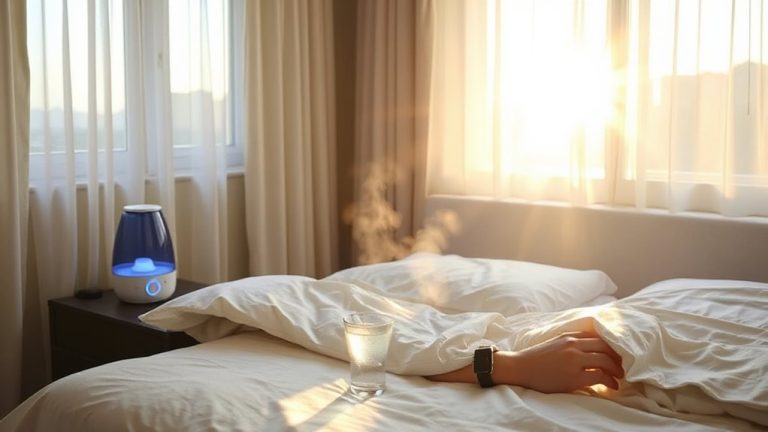
If you’ve noticed it’s harder to breathe through your nose during certain times of the year, your CPAP therapy might not be delivering enough pressure to keep your airway open. This can lower your sleep quality and make you feel tired even after a full night’s rest. You might also notice your mask fit isn’t as secure-maybe it’s leaking more or shifting at night. These changes often mean your current pressure settings aren’t matching your seasonal breathing needs. Using a Vicks humidifier can help reduce nasal congestion and improve airflow during colder, drier months.
| Symptom | Possible Cause | Impact on Therapy |
|---|---|---|
| Waking up tired | Reduced sleep quality | Less restorative sleep |
| Air leaks from mask | Poor mask fit | Disrupted airflow pressure |
| Mouth breathing | Nasal congestion | Dry mouth, inconsistent flow |
| Frequent awakenings | Pressure too low or high | Fragmented sleep patterns |
Check equipment performance and consult your provider if these signs persist.
How to Adjust CPAP Pressure Safely With Your Doctor
You’re not alone if seasonal shifts are making CPAP therapy feel less effective, especially when nasal congestion changes how you breathe at night. Don’t adjust your CPAP pressure on your own-safety and effectiveness depend on professional guidance. Instead, schedule a doctor consultation to review your symptoms, pressure needs, and comfort. Your doctor may recommend a sleep study or remote data review to fine-tune settings based on real usage patterns. Proper CPAP maintenance, like cleaning the mask and tubing regularly, also supports consistent airflow and treatment success. Adjusting pressure isn’t just about comfort-it’s about ensuring your airway stays open without over-pressurizing, which can cause discomfort or dryness. With your doctor’s help, you can make informed changes that match your body’s seasonal needs while keeping therapy effective and sustainable throughout the year.
When to Schedule a Sleep Apnea Checkup for Seasonal Changes
When do seasonal shifts start affecting your breathing at night? If you notice more snoring, dry mouth, or restless sleep as weather shifts occur, it might be time to check your CPAP settings. Rising pollen count in spring or cold, dry air in winter can increase nasal congestion, reducing airflow and treatment effectiveness. Don’t wait for symptoms to worsen-schedule a sleep apnea checkup just before peak allergy season or winter months.
| Season | Trigger | Recommended Action |
|---|---|---|
| Spring | High pollen count | Consult doctor for pressure adjustment |
| Summer | Humid weather shifts | Monitor mask seal and comfort |
| Fall | Cooler temps, allergens | Review symptoms with sleep specialist |
| Winter | Dry, cold air | Use heated humidifier, check airflow |
Regular checkups help match CPAP performance to your seasonal needs.
On a final note
You might need higher CPAP pressure during allergy or cold seasons due to nasal congestion. Watch for increased snoring, mask leaks, or dry mouth, as these can signal a need for adjustment. Don’t change settings on your own-talk to your doctor, who can review your sleep data and recommend safe, effective changes. Some devices auto-adjust, but a checkup guarantees your therapy stays effective. Always rely on professional guidance for seasonal shifts in symptoms.