Harnessing Binaural Beats Tuned to Theta Frequencies for Faster Transition Into Restorative Sleep States
You can fall asleep faster by listening to binaural beats in the theta range (4–8 Hz), which may help guide your brain into relaxed, sleep-ready states. Use stereo headphones at low volume for best results, ideally 20–30 minutes before bed. While research is mixed, some people find these beats reduce mental chatter and shorten sleep onset, especially with mild insomnia. It’s non-invasive, low-risk, and works best alongside a consistent routine. Over-ear headphones are more comfortable than in-ear buds for extended use. Results vary, and it’s not a substitute for medical treatment, but many find it a helpful addition to their wind-down practice-further insights reveal how to integrate them effectively into nightly habits.
Notable Insights
- Binaural beats in the theta range (4–8 Hz) may help synchronize brainwaves to promote drowsiness and faster sleep onset.
- Wearing stereo headphones 20–30 minutes before bed enables the brain to perceive the binaural effect and support relaxation.
- Theta-frequency binaural beats are most effective when used consistently as part of a calming pre-sleep routine.
- Use low-volume playback with soothing background sounds to enhance comfort and avoid auditory disruption.
- Over-ear headphones are recommended to prevent discomfort and avoid risks associated with falling asleep with in-ear buds.
How Binaural Beats Help You Fall Asleep Faster
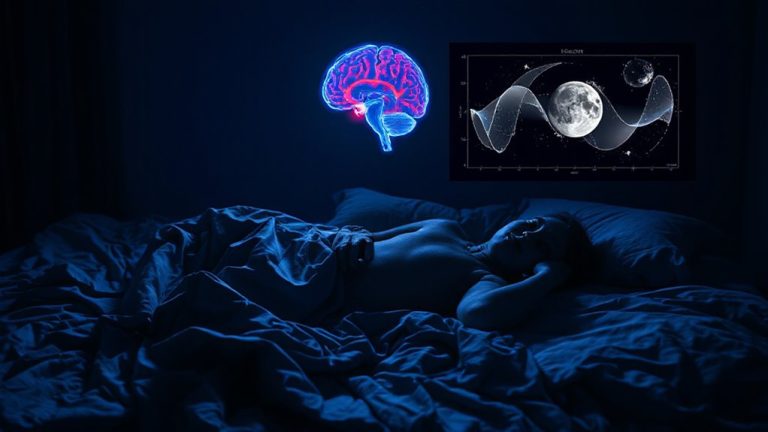
What if you could quiet your mind more easily at bedtime? Binaural beats might help. When you listen with headphones, each ear receives a slightly different tone, prompting your brain to perceive a third, rhythmic pulse. This process encourages brainwave entrainment, guiding your mind toward the frequency patterns linked to drowsiness. Auditory synchronization supports this shift, gently aligning your neural activity with sleep-ready rhythms. Studies suggest this method can shorten the time it takes to fall asleep, especially for people with mild insomnia. Units vary-some apps offer free trials, while premium versions include warranty-backed quality promises. Though not a cure-all, binaural beats are non-invasive and low-risk. For best results, use them consistently in a quiet space. Consider trying them alongside good sleep hygiene, not as a standalone fix. Performance depends on individual response, so monitor your results over a few weeks.
Use These Theta Frequencies for Deep Relaxation
Theta frequencies, ranging from 4 to 8 Hz, are tied to deep relaxation and the early stages of sleep, making them a practical choice for winding down. When you listen to binaural beats that produce theta waves, your brain may naturally align with this rhythm, easing the shift from wakefulness to rest. These frequencies support a calm mind, which can be helpful if you struggle to quiet thoughts at night. Many people find that theta wave sessions enhance deep meditation, improving mental clarity and emotional balance over time. For best results, use headphones and listen for 20–30 minutes in a quiet space. Look for high-quality audio tracks with steady tones and minimal distractions. Some apps offer free trials, so you can test effectiveness before committing. While not a guaranteed fix, theta binaural beats are a low-risk option worth trying if you’re exploring non-drug sleep aids.
Does Science Support Binaural Beats for Sleep?
You’ve probably heard how theta frequencies can help quiet your mind and ease the shift into sleep, but you might wonder whether there’s solid evidence behind these sound-based tools. Research on binaural beats shows mixed results, though some studies suggest they may support brainwave synchronization, guiding your mind toward sleep-friendly states. This effect likely works best when paired with consistent bedtime routines. Still, experts note the placebo effect could play a role-if you believe the sounds help, your perception of sleep quality might improve even without major physiological changes. While binaural beats aren’t a proven fix for sleep disorders, they’re low-risk and may complement other strategies. Not everyone responds the same way, so individual trials are key. There’s no warranty on results, but a short experiment could clarify whether they help you relax faster. Consider them a possible tool, not a standalone solution.
How to Use Binaural Beats Before Bed
While binaural beats may not work for everyone, using them before bed can be a simple and low-risk addition to your nighttime routine if you’re looking for ways to relax. Start by integrating them into your existing bedtime routines, playing them 20 to 30 minutes before sleep. Use stereo headphones, since binaural beats rely on delivering slightly different frequencies to each ear. Choose theta-frequency tracks-typically between 4 and 8 Hz-as they’re linked to drowsiness and light sleep. Keep the volume low to avoid stimulation. Stick with sessions for at least a week to assess effectiveness, since results may take time. Your audio preferences matter, so pick beats embedded in calming sounds like white noise or nature audio if pure tones feel distracting. There’s no universal solution, but experimenting helps you find what supports your sleep pattern. No special equipment is needed, and most apps or websites offer free trials, so test options before committing.
What to Avoid When Using Binaural Beats for Sleep
A sudden jolt of sound could snap you out of relaxation, so steer clear of high volume when playing binaural beats at bedtime. Keeping volume low supports ear safety and helps maintain a calm shift into sleep. You don’t need loud audio for the beats to work-just clear enough to perceive the difference between tones in each ear. Poor volume control can lead to discomfort or even long-term hearing risks, especially with nightly use. Avoid falling asleep with earbuds that press against your head or compromise comfort, as they may cause irritation or disrupt sleep over time. Over-ear headphones are often a safer, more comfortable choice. Don’t rely solely on binaural beats if you have a diagnosed sleep disorder-consider them a complementary aid. Always trial different settings to find what blends well with your sleep routine.
On a final note
You can use binaural beats at theta frequencies to help ease into sleep, especially if you struggle with falling asleep quickly. Studies show modest benefits, but results vary. For best results, listen with headphones, keep volume low, and pair with good sleep hygiene. It’s non-invasive, easy to try, and often free or low-cost. If sleep problems persist, consider talking to a doctor-this tool supports, but doesn’t replace, medical care.