How Doctors Differentiate Insomnia From Hypersomnia Disorders Clinically
Doctors check your sleep patterns and daily routines to tell if you have insomnia or hypersomnia. With insomnia, you struggle to fall or stay asleep, even with enough time in bed. Hypersomnia means you’re still sleepy after long sleep periods and nap frequently. A sleep diary helps track when you sleep, wake, and how you feel. They may rule out sleep apnea or narcolepsy with a sleep study. Getting the right diagnosis means better treatment choices for your specific condition, so keep tracking your symptoms-you’ll uncover more clues over time.
Notable Insights
- Doctors assess sleep onset latency, with insomnia involving over 30 minutes to fall asleep and hypersomnia featuring quick sleep onset despite excessive sleep.
- Sleep maintenance issues like frequent awakenings are common in insomnia, while hypersomnia involves prolonged sleep yet unrefreshing rest.
- Daytime fatigue and impaired focus occur in both, but hypersomnia is marked by persistent sleepiness despite long sleep duration.
- Sleep diaries over two weeks help identify patterns in sleep timing, duration, and quality to distinguish circadian or behavioral causes.
- Evaluation for comorbid conditions like sleep apnea or narcolepsy is critical, using sleep studies to detect breathing disruptions or REM abnormalities.
How Doctors Differentiate Insomnia and Hypersomnia
What if your sleep issues aren’t just about not getting enough rest, but the kind of rest you’re getting? Doctors look closely at your sleep environment and daily patterns to tell insomnia and hypersomnia apart. Your circadian rhythm, the body’s internal clock, plays a big role-shifts in this rhythm can mimic or worsen symptoms. A cluttered or noisy sleep environment may disrupt sleep quality, leading to insomnia-like effects, while hypersomnia often persists despite good conditions. Clinicians review when you fall asleep, how long you stay asleep, and how alert you feel during the day. They might suggest tracking sleep for a week or adjusting your bedtime routine. Tools like sleep diaries or light therapy help realign your circadian rhythm. Treatments depend on accurate diagnosis, so don’t skip a professional evaluation before trying sleep aids.
Key Symptoms: Insomnia vs Hypersomnia
You’ve probably noticed how your sleep habits affect your energy, focus, and mood throughout the day. With insomnia, you might struggle with sleep onset, lying awake for more than 30 minutes before falling asleep, or face sleep maintenance issues, waking up often and not getting restful sleep. You may feel tired, restless, or irritable during the day, despite spending enough time in bed. Hypersomnia, on the other hand, means you’re sleeping enough-or even too much-yet still feel excessively sleepy. You might take long naps that don’t refresh you or have difficulty waking fully. These symptoms aren’t just about time spent in bed; they reflect how well your sleep restores you. Recognizing these patterns helps clarify whether sleep onset and sleep maintenance are the core challenges. This distinction supports better decisions when considering treatments or seeking professional advice.
What Your Sleep History Tells Your Doctor
How often do you wake feeling refreshed-or do mornings still bring that heavy fog no amount of coffee seems to lift? Your sleep history gives your doctor essential clues. It reveals patterns tied to your sleep environment and daily routine, helping separate insomnia from hypersomnia. A well-documented history helps identify if poor sleep quality stems from habits, surroundings, or an underlying disorder. Changes in routine or bedroom setup may improve rest. For individuals disturbed by nighttime noise, using best sleep ear plugs can significantly enhance sleep quality by minimizing auditory disruptions.
| Sleep Issue | Sleep Environment Insight | Daily Routine Factor |
|---|---|---|
| Trouble falling asleep | Noisy or bright bedroom | Irregular bedtime |
| Waking often | Uncomfortable mattress | Evening screen use |
| Waking too early | Cool, quiet room | Stress or anxiety |
| Excessive daytime sleepiness | Consistent, dark space | Inconsistent wake time |
Using Sleep Diaries to Diagnose Your Condition
Why does your sleep pattern feel like a puzzle missing pieces? A sleep diary helps fill in the gaps. By recording your sleep tracking data-like when you lie down, fall asleep, and wake up-you give your doctor clear insights into your habits. Noting mood, caffeine use, and medications adds context. Most importantly, it reveals your bedtime consistency, or lack of it, which heavily influences sleep quality. You don’t need tech-just a notebook or app-to log details nightly for two weeks. This simple tool catches irregular rhythms that brief checkups miss. Doctors use it to tell apart insomnia from other sleep issues, guiding next steps. It’s low effort but high reward, helping you and your provider make informed choices. A sleep diary won’t fix everything overnight, but it’s a practical start toward understanding your sleep.
Could It Be Sleep Apnea or Narcolepsy Instead?
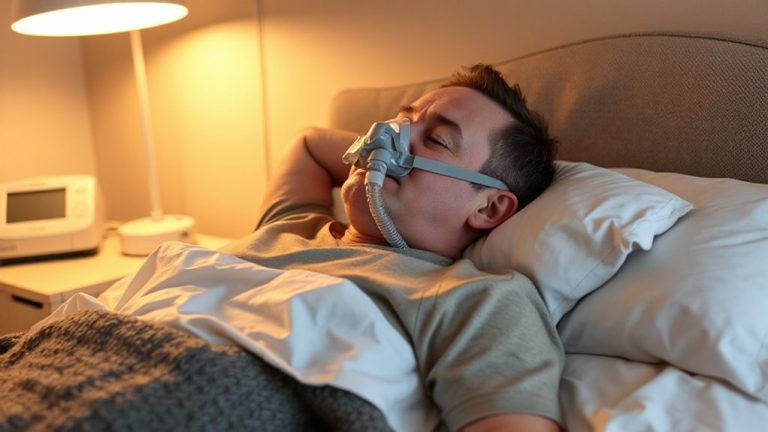
Sometimes, what seems like trouble falling or staying asleep might actually point to something else entirely-conditions like sleep apnea or narcolepsy that disrupt rest in different ways. If you’re tired despite long sleep hours, sleep apnea could be the culprit; it causes breathing interruptions that fragment your rest, often without your awareness. Loud snoring or gasping at night are red flags. Narcolepsy, on the other hand, involves excessive daytime sleepiness and sudden sleep attacks, even after a full night’s rest. It might also include cataplexy-sudden muscle weakness triggered by emotion. While insomnia keeps you from sleeping enough, narcolepsy disrupts sleep quality and timing. Both sleep apnea and narcolepsy require specific treatments: CPAP machines for apnea, and medication or lifestyle adjustments for narcolepsy. Recognizing your symptoms helps guide the right clinical path.
What a Sleep Study Reveals About Your Disorder
What exactly happens while you’re asleep-and how can it clarify the root of your fatigue? A sleep study monitors your brain waves, breathing, heart rate, and oxygen levels throughout the night. These measurements show whether your sleep cycles are disrupted or incomplete. Abnormal brain waves might reveal seizure activity or mismatched sleep stages, while low oxygen levels often point to breathing interruptions like sleep apnea. You might enter deep sleep but keep waking briefly, which you won’t remember but still prevents restorative rest. The study tracks how long you spend in each sleep phase, identifying if you fall asleep too quickly or enter REM abnormally fast-clues pointing to narcolepsy. This detailed picture helps determine whether hypersomnia, insomnia, or another disorder underlies your exhaustion. It’s not a one-night fix, but the data guides accurate next steps. Many insurance plans cover the test, and home versions are sometimes available with your doctor’s approval.
Why Correct Diagnosis Guides Effective Treatment
Since sleep disorders like insomnia and hypersomnia share similar symptoms but require very different approaches, getting the right diagnosis means your treatment can target the actual cause instead of just managing fatigue. If you have insomnia, your doctor might suggest cognitive behavioral therapy or short-term sleep aids, but if it’s hypersomnia, stimulant medications could be necessary. You’ll want to take into account medication side effects-some drugs cause dizziness or appetite changes, while others affect heart rate. Also, mental health comorbidities like depression or anxiety often appear with both conditions, so treatment plans that include therapy and sleep regulation work better long term. A proper diagnosis helps you avoid ineffective or even harmful options. It also guides safer use of sleep aids and supports better lifestyle adjustments. With the right label on your condition, your path to feeling rested becomes clearer, more direct, and tailored to your needs.
On a final note
You can track symptoms clearly by noting when you struggle-falling asleep, staying asleep, or feeling drowsy despite enough sleep. Sleep diaries help spot patterns over time, while a sleep study may rule out apnea or narcolepsy. Accurate diagnosis shapes treatment: insomnia often improves with behavioral changes, while hypersomnia may need medication. Discuss trial periods and side effects with your doctor. Warranties on devices like CPAP machines vary, so check coverage.