Using Wearable Biometrics to Monitor Nocturnal Micro-Arousals Linked to Subclinical Muscle Atrophy
Your wearable tracks heart rate variability, movement, and sweat during sleep to detect nocturnal micro-arousals-brief disruptions that fragment deep sleep. Over time, these can reduce growth hormone, increase cortisol, and quietly impair muscle repair. By spotting patterns like rising HRV disturbances or motion spikes, your device helps identify risks before symptoms show. Checking these trends nightly gives you early insight into sleep quality and long-term recovery, so you can adjust habits or seek expert guidance where needed.
Notable Insights
- Wearable devices detect nocturnal micro-arousals via heart rate variability, movement, and breathing pattern changes during sleep.
- Frequent micro-arousals disrupt deep sleep, impairing tissue repair and contributing to subclinical muscle atrophy over time.
- Chronic sleep fragmentation elevates cortisol and reduces growth hormone, negatively affecting muscle maintenance.
- Biometric indicators like reduced HRV and increased overnight movement signal atrophy risk from unresolved sleep disruptions.
- Consistent sleep hygiene and medical follow-up based on wearable data can mitigate micro-arousal impact on muscle health.
What Are Nocturnal Micro-Arousals? (And Why You Should Care?)
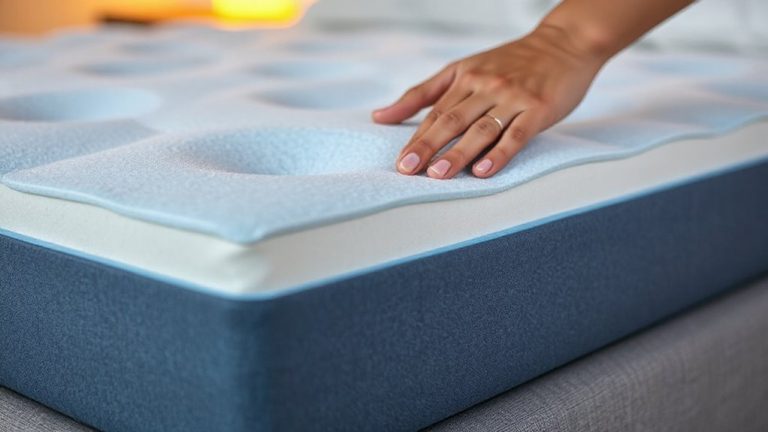
Ever wonder why you wake up tired even after a full night in bed? You might be experiencing nocturnal micro-arousals-brief shifts in sleep architecture that pull you toward wakefulness without full awareness. These moments disrupt deep sleep cycles and often go unnoticed, yet they weaken sleep quality over time. Linked to subtle neural activation in the brain, micro-arousals can stem from stress, environmental noise, or undiagnosed breathing irregularities. Though brief, they add up, affecting alertness and long-term energy. Recognizing their presence helps clarify why sleep duration alone doesn’t guarantee rest. Monitoring patterns lets you assess whether lifestyle changes or sleep aids might help. Devices tracking biometrics offer insight into these events, guiding choices about environment, routines, or professional follow-up. Understanding micro-arousals empowers better sleep decisions-without overstatement or unnecessary intervention. Non-wearable options like under-mattress sleep trackers provide accurate biometric data without the discomfort of worn devices.
How Wearables Catch Micro-Arousals During Sleep
While you’re asleep, wearable devices track subtle changes in your heart rate, movement, and breathing patterns to detect signs of micro-arousals, often before you’re even aware of them. These brief interruptions don’t always wake you fully, but they do disrupt your sleep architecture, shifting you from deep to lighter stages. Modern wearables use advanced sensors and algorithms for precise arousal detection, identifying patterns linked to these micro-events. By analyzing heart rate variability and respiratory rhythm, the devices distinguish true micro-arousals from normal nocturnal fluctuations. Most sync with smartphone apps, giving you a nightly breakdown of sleep stages and potential disturbances. Devices vary in accuracy, with medical-grade models offering more reliable data than consumer fitness trackers. Look for models with validated sleep staging, long battery life, and clear data export options. Many come with trial periods or warranties, letting you test their fit with your sleep routine. The best smartwatches for sleep also offer advanced fitness tracking features to support overall health monitoring.
The Surprising Link Between Sleep Fragmentation and Muscle Loss
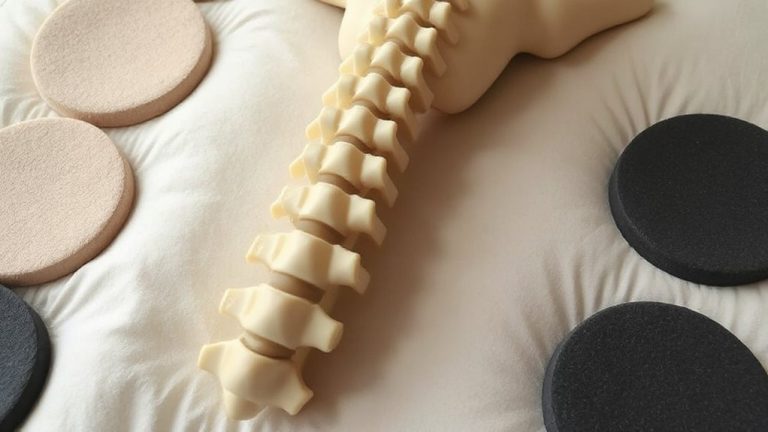
Though you might not feel fully awake, repeated micro-arousals throughout the night can lead to sleep fragmentation that quietly undermines muscle health. These disruptions alter your sleep architecture, reducing restorative deep sleep phases critical for tissue repair. Without enough recovery time, your body struggles to maintain muscle mass. Frequent interruptions also trigger hormonal imbalance, increasing cortisol and reducing growth hormone-both linked to muscle breakdown. Over time, even mild nightly disturbances may contribute to subclinical atrophy, especially if unaddressed.
| Factor | Effect on Muscle | Reversibility |
|---|---|---|
| Sleep fragmentation | Reduced repair | Moderate |
| Poor sleep architecture | Slowed recovery | High |
| Elevated cortisol | Increased breakdown | Moderate |
| Low growth hormone | Decreased synthesis | High |
| Chronic micro-arousals | Cumulative loss | Variable |
HRV, Movement, and Sweat: Biometrics That Predict Atrophy Risk
When your body experiences repeated micro-arousals at night, wearable biometrics can detect subtle signs of stress that might otherwise go unnoticed. Your heart rate variability (HRV) dips, movement spikes, and sweat output rises-each a clue tied to autonomic shifts that may signal atrophy risk over time. These biometrics feed into models where biomarker variability helps distinguish real trends from signal noise, ensuring accuracy. Devices with high sampling rates and calibrated sensors reduce false readings, so you’re not reacting to glitches. Look for wearables tested in sleep labs, ideally with trial periods and clear warranty terms. They should sync easily with apps that visualize trends across weeks. You won’t need the priciest model-just one with consistent performance, low signal noise, and proven tracking of HRV, motion, and electrodermal activity. Using that data, you can make informed choices about sleep hygiene or further evaluation.
From Data to Prevention: Acting on Early Sleep Warnings
You’ve seen how wearables track HRV, movement, and sweat to flag early signs of micro-arousals and possible long-term risks. Now it’s time to act. When your device shows repeated disruptions, small changes in sleep hygiene can make a difference-like sticking to a consistent bedtime or reducing screen time before bed. These aren’t drastic fixes, just steady adjustments. Consider how your lifestyle habits, like caffeine use or evening workouts, might be affecting your rest. Some wearables even suggest personalized tips based on your data trends. If problems continue, consult a sleep specialist to review patterns and discuss possible sleep aids. Many devices offer trial periods, so test features like comfort and accuracy over several nights. Warranties often cover malfunctions, giving you peace of mind. Focus on solutions that fit your routine, backed by real data, not guesswork. For improved sleep comfort, consider using a quiet tower fan to maintain a cool, consistent environment throughout the night.
On a final note
You can now spot micro-arousals early using wearables that track HRV, movement, and sweat. These signals may hint at sleep fragmentation linked to muscle loss over time. Devices with reliable sensors, solid battery life, and FDA-cleared algorithms offer trustworthy data, often backed by 1-year warranties. Try models with adjustable alerts and sleep staging for better insights. Use findings to adjust habits or consult a sleep specialist-small changes today might help protect your strength long-term.