How to Create a 24-Hour Light-Dark Schedule for Irregular Sleep-Wake Rhythm Disorder
Set the same wake-up time every day, even on weekends, to stabilize your internal clock. Right after waking, get bright light exposure-use sunlight or a 10,000-lux light box for 30 to 60 minutes. From 8 PM on, dim lights and block blue light with filters or amber glasses. Avoid screens an hour before bed. Make your bedroom completely dark with blackout curtains and sealed edges. Track your sleep and light habits daily for at least two weeks to see patterns and refine your plan. A steady routine builds clearer results over time.
Notable Insights
- Set a consistent wake-up time every day to anchor the body’s internal clock, even on weekends.
- Expose yourself to bright light immediately upon waking, using sunlight or a 10,000 lux light therapy box.
- Position light therapy device 16–24 inches away during morning activities for optimal circadian stimulation.
- Reduce blue light exposure starting at 8 PM using filters, amber glasses, and dim warm lighting.
- Make the bedroom completely dark with blackout curtains and seals to strengthen sleep-wake rhythm.
What Is Irregular Sleep-Wake Rhythm Disorder?
Ever wonder why you feel alert at odd times, or struggle to fall asleep when most people are winding down? You might be dealing with irregular sleep-wake rhythm disorder, a condition where your sleep happens in fragments across 24 hours rather than in one consolidated block. It’s often tied to neurological causes, like brain injuries, dementia, or developmental disorders, which disrupt normal sleep regulation. At the core is circadian misalignment-your body’s internal clock isn’t syncing with light-dark cues. Without clear signals, sleep timing becomes unpredictable. This disorder affects daily functioning but can be managed. Accurate diagnosis usually involves sleep logs or actigraphy over one to two weeks. While melatonin or light therapy may help, they’re most effective when guided by a sleep specialist. Treatment isn’t one-size-fits-all, so tracking patterns and consulting a provider helps determine what adjustments or supports suit your case. Using the right light bulbs for health can also support circadian alignment by mimicking natural daylight patterns.
Set the Same Wake-Up Time Every Day
Sticking to the same wake-up time every day is one of the most effective ways to strengthen your body’s internal clock, especially when dealing with irregular sleep patterns. Even on weekends, maintaining a consistent wake time helps regulate your sleep-wake cycle and improves overall sleep quality over time. You don’t need to get perfect sleep at first-just getting up at the same time daily builds daily routine alignment, which gradually stabilizes your rhythm. It works best when paired with light exposure soon after waking, though that’s a step to focus on next. Start with a realistic wake time based on your current habits, then stick to it without exception. This consistency signals your brain when the day begins, making it easier to fall asleep later. It’s a simple, no-cost strategy with strong support in sleep science. With regular practice, many notice improvements within a few weeks.
Use Morning Light to Reset Your Body Clock
When you’re exposed to bright light soon after waking, especially natural sunlight, your body clock gets a clear signal to end the night and start the day. This helps strengthen circadian entrainment, making your sleep-wake cycle more consistent. If morning sun isn’t available, light therapy boxes can be effective alternatives. Look for a device emitting 10,000 lux of cool-white fluorescent light, which most studies support. Use it within 30 to 60 minutes of waking, placing it about 16 to 24 inches from your face while you eat or read. Most models are designed for daily use and come with a 1- to 2-year warranty. Stick with the routine for at least one to two weeks to see improvements. Consistent morning light exposure supports long-term circadian alignment, especially when paired with a fixed wake time. For even greater consistency, consider using a wake-up light with dawn simulation technology to gradually prepare your body for waking.
Block Blue Light and Dim Lights by 8 PM
Though your body starts winding down in the evening, exposure to blue light from screens and bright indoor lighting can interfere with melatonin production, making it harder to fall asleep. By 8 PM, you should begin blocking blue light and dimming your environment to signal your brain that it’s time to prepare for rest. Blue light, especially from screen emission of phones, tablets, and TVs, suppresses natural sleep hormones more than other wavelengths. You can reduce this effect by using blue light filters or wearing amber-tinted glasses designed to block these emissions. Dimming overhead lights and switching to warm, low-wattage bulbs also helps. These changes support your circadian rhythm without requiring medication or sleep aids. Consistency strengthens results, so aim to follow this routine every night. Over time, your body will respond more reliably to these light cues.
Turn Off Screens One Hour Before Bed
Shutting down screens an hour before bed builds on the earlier shift to dimmer, warmer lighting by further protecting your natural sleep signals. Your screen habits directly affect melatonin production, making it harder to fall asleep if you’re exposed to bright displays late. Setting a digital curfew helps your brain shift into rest mode without abrupt light exposure. You don’t need to eliminate all devices, but turning off phones, tablets, computers, and TVs gives your circadian rhythm a clearer cue. Try replacing scrolling or streaming with low-light activities like reading a physical book or gentle stretching. Stick to the same digital curfew time each night, even on weekends, to reinforce consistency. Over time, this strengthens your body’s internal clock. It’s a simple, no-cost step that supports better sleep hygiene and can improve sleep quality without medication.
Make Your Bedroom Pitch Black
Even a small amount of light in your bedroom can interfere with melatonin production, so making the space as dark as possible is a key step in regulating your sleep cycle. Blackout curtains are one of the most effective tools for light sealing-they’re designed to block outside light and boost sleep quality. Look for curtains with a tight weave and a backing layer that prevents light leakage. Pair them with other light sealing methods like door draft stoppers or window film for full coverage. Here’s how common options compare:
| Solution | Blocks Light? |
|---|---|
| Regular curtains | No |
| Blackout curtains | Yes |
| Aluminum foil | Yes, but impractical |
Consistent use of blackout curtains can support a stable 24-hour rhythm. Many brands offer warranties, so test a few to find one that fits your windows snugly. For best results, choose curtains with light-blocking technology designed specifically to eliminate light gaps and enhance sleep hygiene.
Track Sleep Patterns and Adjust Your Routine
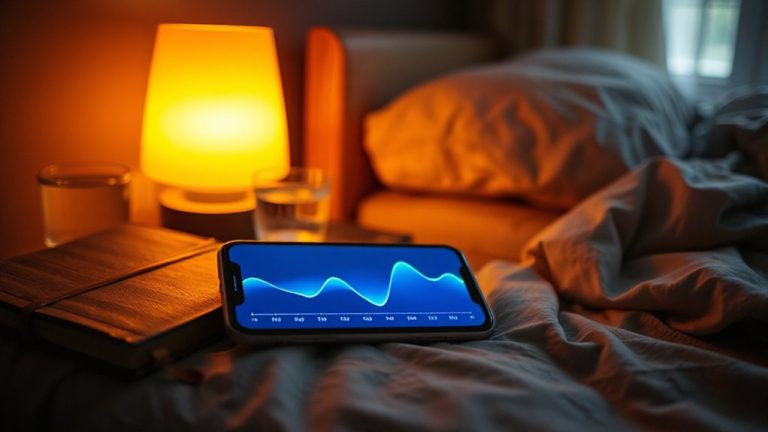
Now that your bedroom is set up to support a dark, sleep-friendly environment, the next step is learning how your body responds over time. Start tracking your rest and daily habits using a sleep diary and activity log. Write down when you fall asleep, wake up, and any nighttime awakenings. Note meals, caffeine, light exposure, and energy levels throughout the day. Doing this for at least two weeks helps reveal patterns in your sleep-wake rhythm. You’ll see what supports rest and what disrupts it. With this data, you can adjust wake-up times, light exposure, and bedtime routines more accurately. Small, steady changes based on real evidence often work better than sudden shifts. Review your logs weekly to gauge progress. Over time, the right mix of light, activity, and consistent timing can improve your sleep pattern naturally.
On a final note
You can manage irregular sleep-wake rhythm disorder by sticking to a consistent wake-up time, even on weekends. Use bright morning light to help reset your body clock and dim lights by 8 PM. Avoid screens an hour before bed, keep your bedroom completely dark, and track your sleep to fine-tune the routine. These steps support natural circadian rhythms and improve sleep quality over time.