Blue Light and Insomnia: How Screens Delay Melatonin & Sleep
You’re more likely to struggle with falling asleep if you use your phone or tablet late in the evening, because blue light from screens suppresses melatonin and shifts your internal clock. This disruption can delay sleep onset and increase insomnia risk over time. Using night mode, dimming brightness, or wearing blue light glasses may help support natural melatonin release. Simple changes like a screen-free hour before bed often improve sleep quality-trying them could reveal meaningful differences in how easily you fall and stay asleep.
Notable Insights
- Blue light from screens suppresses melatonin, delaying sleep onset and increasing insomnia risk.
- Evening exposure to blue light disrupts circadian rhythms by mimicking daytime light signals.
- Using blue light glasses may improve sleep quality by supporting natural melatonin production.
- Screen habits like late-night use are linked to higher rates of chronic insomnia.
- Enabling night mode, reducing brightness, and digital detox before bed can mitigate blue light effects.
What Is Blue Light and How Does It Affect Sleep?
While you’re winding down at night, chances are you’re also exposed to blue light without even realizing it. It’s emitted by phones, tablets, and LED screens-devices you likely use daily. This type of light is especially active in your environment because it mimics daylight, tricking your brain into staying alert. That leads to circadian disruption, shifting your internal clock and weakening your natural sleep-wake cycle. Over time, frequent exposure at night can harm your sleep hygiene, making it harder to fall and stay asleep. You don’t need to eliminate screen use, but adjusting brightness, using filters, or wearing blue-blocking glasses might help. Devices with night-mode settings reduce blue output automatically. Some carry trial periods, letting you test improvements in real-world use. Consider these features when choosing tools to support better rest. Small changes can make a measurable difference in how you sleep.
How Blue Light Suppresses Melatonin
Because your body relies on light cues to regulate hormone production, exposure to blue light at night can interfere with melatonin release-the hormone that signals it’s time to sleep. Your eyes contain specialized cells with high photoreceptor sensitivity to blue wavelengths, tricking your brain into thinking it’s still daytime. This leads to circadian misalignment, where your internal clock falls out of sync with natural sleep-wake cycles. Over time, this disruption may contribute to sleep difficulties without clear causes.
| Light Source | Blue Light Intensity | Melatonin Suppression Risk |
|---|---|---|
| LED Screen | High | High |
| Warm Bulb | Low | Low |
| Morning Sunlight | Very High | Necessary (daytime only) |
Reducing evening exposure supports natural melatonin timing, helping maintain consistent rest patterns and reducing reliance on sleep aids.
Are Your Screen Habits Causing Insomnia?
You’re probably already aware that blue light from screens can suppress melatonin, especially in the evening hours when your body expects darkness. If you’re scrolling late into the night, screen addiction might be disrupting your sleep more than you realize. Constant exposure delays sleep onset and reduces sleep quality, increasing the risk of insomnia. Many people find relief by adopting a digital detox routine-turning off devices at least an hour before bed. This simple habit helps your brain wind down naturally. Consider replacing screen time with reading or light stretching. Tracking your sleep patterns before and after a digital detox can reveal meaningful improvements. While no device replacement guarantees better rest, reducing screen time is a low-risk, cost-free step worth trying. It supports your body’s natural rhythm without relying on sleep aids or medical intervention. Give it a few nights-you might see real results.
Do Blue Light Glasses Actually Work for Better Sleep?
Could those blue light glasses really make a difference in how quickly you fall asleep or how well you rest? Research suggests they might help by filtering out blue light that can disrupt your circadian rhythm. Wearing them in the evening may support melatonin production, helping you wind down naturally. While not a guaranteed fix, some studies show users fall asleep faster and report better sleep quality. However, evidence on long term effects remains limited, and results can vary based on lens quality and usage consistency. They’re not a cure for serious sleep disorder risks, but they could be a helpful part of a broader sleep-friendly routine. Many brands offer lightweight frames, anti-glare coatings, and affordable trial periods. Consider testing a pair for a few weeks-especially if evening screen use is unavoidable.
Proven Ways to Reduce Evening Blue Light
Blue light glasses might help, but they’re just one piece of the puzzle when it comes to protecting your sleep from evening screen exposure. You can also use screen filters that reduce blue light output without distorting colors too much-many attach directly to devices and are easy to remove. Adjusting your device settings is another effective step; most smartphones and tablets now offer a night mode that shifts colors to warmer tones after sunset. These settings are built in, free, and simple to schedule. Some people find dimming screen brightness along with these changes improves comfort. While screen filters and device settings vary in performance, they’re accessible and require no extra cost. You can test them for a few nights to see how they affect your sleep. There’s no one-size-fits-all, but trying them helps you make informed choices about managing light before bed. For bedroom lighting, consider using best LED lights for bedrooms that emit warmer hues and minimize blue light exposure in the evening.
Build a Blue Light–Free Evening Routine
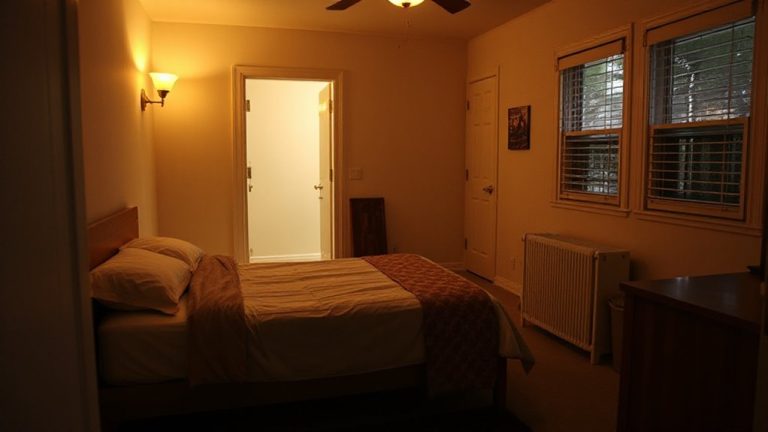
What if the key to better sleep starts long before you lie down? Building a blue light–free evening routine helps signal your body that it’s time to wind down. Start with a digital detox at least one hour before bed-turn off phones, tablets, and TVs to reduce exposure. Replace screen time with calming activities like reading a book or practicing light stretches. Dim the lights and use warm-colored bulbs to support natural melatonin release. Make your bedroom a sleep sanctuary: keep it cool, quiet, and free of glowing electronics. Consistency matters-stick to the same routine nightly, even on weekends. Over time, these small changes can improve sleep quality and reduce reliance on sleep aids. You don’t need drastic fixes, just mindful choices that support your body’s natural rhythms. Try it for a week and see how you feel.
On a final note
You can reduce blue light’s effect on sleep by adjusting screen use and trying blue light glasses, which may help some people fall asleep faster. Choose devices with night settings or use apps that limit blue light. Establish a screen-free routine with dim lighting and relaxing activities. Consider how changes affect your sleep over time, and look for products with trial periods to test what works best for you.