Biophilic Bedroom Design: Nature Elements for Better Sleep
You’ll sleep better when natural light and airflow regulate your circadian rhythm each morning. Open curtains early and keep windows slightly cracked for steady ventilation. Include plants like snake plant or peace lily-they clean air quietly and thrive in low light. Use linen sheets, wool blankets, and wood furniture to stay cool and comfortable. Choose earth tones to relax your senses. Position beds and nightstands to allow easy movement and access. Small, consistent changes can reduce reliance on sleep aids over time-discover how simple swaps create lasting improvements.
Notable Insights
- Incorporate natural materials like linen, wool, and wood to enhance comfort, breathability, and connection to nature in the bedroom.
- Use calming earth tones and natural light to reduce visual stress and support circadian rhythm regulation.
- Introduce low-maintenance, air-purifying plants such as snake plants or pothos near windows for improved air quality and tranquility.
- Maximize natural airflow and daylight with adjustable blinds and well-ventilated spaces to boost oxygen and alertness.
- Arrange furniture organically to promote movement flow, accessibility, and unobstructed access to light and nature views.
Why Biophilic Design Transforms Your Bedroom
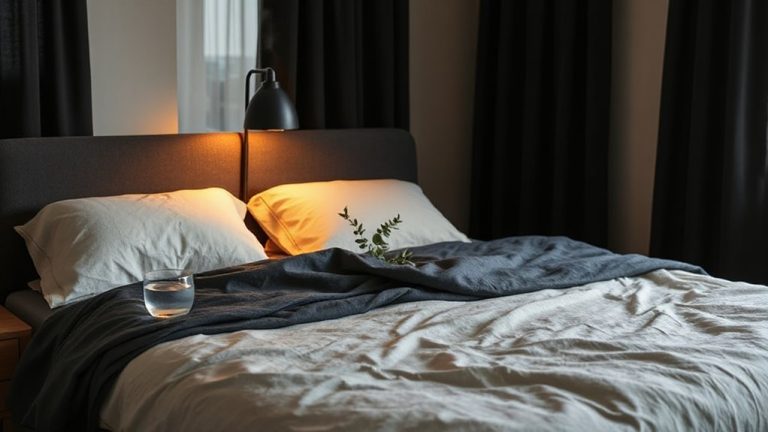
A growing number of sleep experts point to natural elements in bedroom design as a practical way to support better rest. You’re more likely to relax when your space includes biophilic features that engage your senses gently. Nature sounds, like soft rain or rustling leaves played through a sound machine, can mask disruptive noise and ease your mind into sleep. Sensory textures-think linen sheets, a wool blanket, or a woven rattan headboard-add subtle tactile variety that feels grounding without overstimulation. These materials often regulate temperature and moisture better than synthetics, improving comfort through the night. While not a standalone treatment for sleep disorders, biophilic changes can reduce reliance on sleep aids when used consistently. Many products come with trial periods, so you can test textures or sounds risk-free. It’s a low-cost, low-risk step toward better sleep hygiene, backed by sleep science. Blackout curtains paired with the right hardware can enhance this effect by creating a dark, calming environment, and choosing the best blackout curtain rods ensures a snug fit that blocks light effectively.
Let in Natural Light and Fresh Air
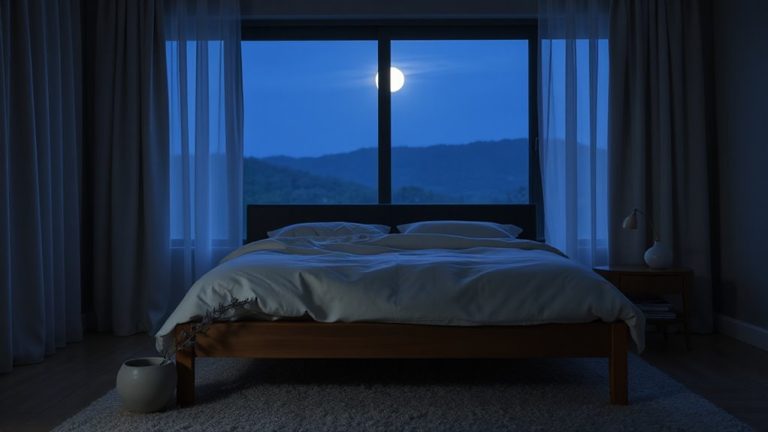
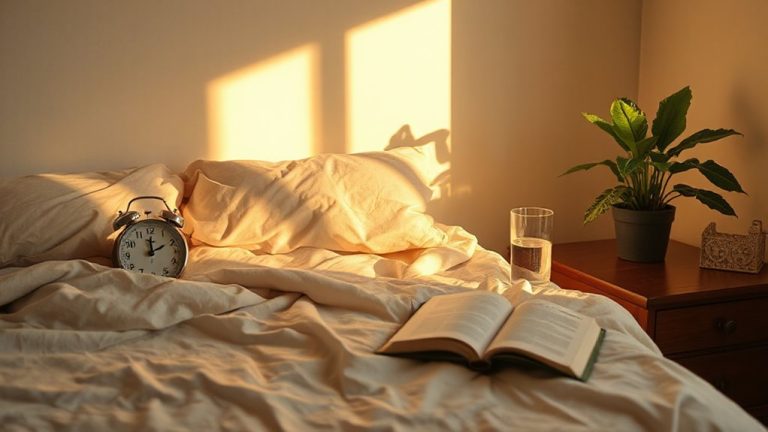
While your bedroom may feel cozier with blackout curtains and sealed windows, letting in natural light and fresh air each day can make a real difference in how easily you fall asleep and how rested you feel in the morning. Opening curtains or blinds during daylight helps regulate your circadian rhythm, so try to maximize sunlight exposure early in the day. Improved airflow also supports better oxygen levels and reduces stuffiness, which can disrupt sleep. To improve ventilation, crack a window when weather permits or use a low-speed vent system at consistent times. Simple changes like adjustable blinds or window placement can let you control light and airflow without sacrificing comfort. These strategies support natural sleep cycles and may reduce reliance on sleep aids. For best results, test adjustments gradually and track how you feel over a week.
Add Bedroom-Friendly Biophilic Plants
You’ve already made progress by letting natural light and fresh air shape your sleep environment, and now it’s time to bring in another element of nature that works quietly but effectively-bedroom-friendly biophilic plants. These plants support air purification, helping filter indoor pollutants and improve oxygen levels while you sleep. Opt for low-light, low-maintenance varieties like snake plants, peace lilies, or pothos, which thrive in bedroom conditions. Pay close attention to plant placement-keep them within view but away from direct airflow from vents or fans to avoid drying. Positioning near windows boosts light access without crowding sleep space. Most come with care instructions and root health guarantees, making trial easy. Their quiet presence can subtly enhance sleep quality by reinforcing a calm, nature-connected atmosphere. With proper placement and species selection, they’re a practical, science-supported addition to your sleep-supportive room design.
Choose Natural Materials and Calming Colors
Natural materials and calming colors work together to create a sleep environment that supports relaxation and reduces sensory stress. Choose bedding, flooring, and furniture made from natural fibers like cotton, linen, or wool-they breathe better and feel more comfortable against the skin. Incorporate wood textures in your bed frame or nightstand to add warmth and a subtle connection to nature. These organic surfaces tend to age well and often come with warranties reflecting durable construction. Pair them with earth tones like soft greens, warm beiges, or muted browns to ground the space and promote visual calm. These colors reflect natural light gently, reducing harsh contrasts that can overstimulate your senses before bed. You can test paint swatches at different times of day to see how they perform in your room’s lighting. Using these materials and hues doesn’t guarantee better sleep alone, but they can improve comfort and support healthier sleep habits over time.
Arrange Furniture for Organic Flow
The way your bedroom furniture is arranged shapes how easily energy and movement flow through the space, which can influence how calm and ready for sleep you feel at night. An organic arrangement means placing pieces so they follow natural movement patterns, avoiding sharp angles or cramped pathways. Keep your bed accessible on both sides, and position nightstands within easy reach to support nighttime routines without disruption. Align larger furniture like dressers and wardrobes along walls to maintain open floor space, promoting flow harmony. Avoid blocking windows or doors, as this can restrict both physical access and visual connection to nature. Letting air and light move freely helps regulate temperature and supports consistent sleep cycles. Try rearranging during low-light evening hours to identify obstructions or discomfort. Many find this simple shift improves rest quality-no special tools or purchases needed.
On a final note
You can improve your sleep by integrating biophilic design thoughtfully. Natural light, fresh air, and indoor plants like snake or peace lilies support relaxation and air quality. Choose bedding and furniture made from breathable, natural materials. Arrange your space for open, calm movement. Test changes gradually, noting sleep patterns. Many eco-products offer trial periods, letting you assess comfort and performance before committing fully.