Best Wool You Can Buy for Unbeatable Quality and Softness
You’ll find the softest, highest-quality wool in merino with a micron count between 17 and 21, like Desert Breeze or Evergreen-both sustainably sourced and gentle on skin. Opt for 60–70mm staple lengths and 6-ply construction for durability. Choose tightly woven virgin wool blankets for long-lasting use. Hand-wash in cool water with pH-balanced shampoo to maintain integrity. Each option balances softness, strength, and care-discover how fiber source and build affect performance.
We are supported by our audience. When you purchase through links on our site, we may earn an affiliate commission, at no extra cost for you. Learn more. Last update on 20th July 2026 / Images from Amazon Product Advertising API.
Notable Insights
- Choose merino wool with a micron count of 17–21 for exceptional softness and minimal itchiness.
- Opt for sustainably sourced, 100% merino wool with RWS or GOTS certification for ethical quality.
- Select fibers with 60–70mm staple length to ensure durability, smooth texture, and reduced breakage.
- Prefer 6-ply or tightly spun constructions for better strength, split resistance, and long-term wear.
- Hand wash in cool water with pH-balanced shampoo to maintain softness, shape, and fiber integrity.
Merino Wool Yarn 4ply (2 Ball)

If you’re looking for a wool that balances softness and performance without sacrificing durability, Merino Wool Yarn 4ply (2 Ball) stands out as a smart choice-especially if you knit for sensitive skin or make baby items. I use 100% natural Merino wool with 21-micron fibers, so it feels soft and won’t irritate. It retains heat 30% better than regular wool and stays fluffy after machine washing. Each 3.5 oz ball gives you about 320 yards, works with small needles or hooks, and five balls can make an adult sweater. I’m sold in two-ball sets by INNOCASHM, come in many colors, and are easy to care for-ideal for beginners and seasonal projects.
Best For: Crafters seeking a soft, durable, and machine-washable yarn ideal for baby garments, sensitive skin, and beginner-friendly knitting or crochet projects.
Pros:
- Made from 100% natural Merino wool with ultra-fine 21-micron fibers that are non-irritating and skin-friendly
- Retains heat 30% better than regular wool and maintains a fluffy texture after machine washing
- Suitable for a wide range of projects including sweaters, scarves, and socks, with vibrant color options and easy care
Cons:
- Slightly higher price point compared to acrylic or blended yarns
- Limited yardage per ball may require frequent joins in larger projects
- Low-twist construction, while soft, may be less durable under heavy abrasion
100% Merino Wool Yarn (Evergreen)

I choose 100% Extrafine Merino wool when softness and quality matter most, especially for projects worn close to the skin. This 3-ply yarn from Gisimo feels smooth and strong, with finely spun fibers that won’t itch. Each 50-gram ball gives you 82 yards, ideal for lightweight sweaters or scarves using 6mm knitting needles or 4mm hooks. The Evergreen shade adds a rich, natural pop of color. Merino regulates temperature and resists odors, so your finished pieces stay fresh. Hand wash in cool water and dry flat to preserve the fibers. It’s reliable for long-term use, with consistent thickness that keeps stitching even.
Best For: Crafters seeking a ultra-soft, high-quality merino wool yarn ideal for wearables and skin-sensitive projects.
Pros:
- Exceptionally soft and non-itchy, perfect for garments worn close to the skin
- Natural breathability, temperature regulation, and odor resistance for long-lasting wear
- 3-ply strength and consistent texture ensure smooth knitting and crochet performance
Cons:
- Hand wash only, requiring careful maintenance and flat drying
- Higher price point compared to blended or synthetic yarns
- Limited yardage per ball may require multiple units for larger projects
Wool Wonders Yarn 4-Pack (640Yds)

The Wool Wonders Yarn 4-Pack stands out for crafters who value a soft, durable blend without sacrificing warmth or stitch clarity. I’ve used its 30% Australian wool and 70% acrylic mix, and it offers solid stitch definition with a soft drape. The single-ply, roving-like texture works well for fall/winter garments and accessories. Each pack has 640 yards total, across four 160-yard skeins, ideal for medium worsted projects. I recommend US 7–9 needles or I–K hooks. It comes in 12 colors, including ombre and solids, and includes free baby pattern access via email. I appreciate the lifetime warranty and KnitPal community access-it makes trying new projects feel risk-free.
Best For: Knitters and crocheters seeking a soft, warm, and durable medium-weight yarn blend ideal for fall/winter garments, baby items, and textured projects with excellent stitch definition.
Pros:
- Soft, roving-like texture with a 30% Australian wool and 70% acrylic blend offers warmth, durability, and a natural drape
- Includes free access to baby blanket and accessory patterns via email, plus lifetime warranty and supportive KnitPal communities
- Versatile color range with 12 options including ombre multicolors and solids, well-suited for seasonal projects
Cons:
- Single-ply construction may be less durable than multi-ply yarns for high-wear items
- Acrylic content, while durable, may not appeal to those seeking 100% natural fibers
- Limited to medium/worsted weight projects, reducing suitability for finer or bulkier designs
100% Merino Wool Yarn (Green, 1 Ball)

Softness meets strength in this 100% extra fine Merino wool yarn, a go-to choice for crafters who want a smooth, gentle fiber that doesn’t sacrifice durability. I use it for its fine texture and natural breathability, which keeps projects comfortable and warm without itching. Each 50-gram ball gives me 127 yards, perfect for smaller items like scarves or hats. The 6-ply build resists splitting, so my stitches stay even and clean. I stick with 4 mm knitting needles or a 5 mm hook for best results. It’s hand wash only, under 30°C, and I always dry it flat to preserve shape. No bleach, no machine drying.
Best For: Crafters seeking a soft, durable, and breathable wool yarn ideal for wearable projects like scarves and hats.
Pros:
- Made from 100% extra fine merino wool for superior softness and comfort
- 6-ply construction resists splitting and ensures even, clean stitching
- Natural breathability and warmth make it perfect for cozy, non-itchy garments
Cons:
- Hand wash only, requiring careful maintenance and flat drying
- Not suitable for machine washing or drying, limiting convenience
- Limited length per ball (127 yards) may require multiple balls for larger projects
YarnArt Unique Imperial Merino Wool Yarn
Crafting with YarnArt Unique Imperial Merino Wool Yarn feels like wrapping your projects in a cloud, especially if you value both quality and gentle touch. I use 100% extra-fine merino wool, which is natural, breathable, and kind to sensitive skin. Each 50g skein gives you 109 yards, enough for lightweight garments or cozy accessories. It’s perfect for scarves, sweaters, baby clothes, and blankets-great for all-season wear. You’ll need to hand wash it, but the softness and color longevity are worth it. With a 4.5-star average and high durability, it’s a reliable choice for beginners and experts alike.
Best For: Crafters seeking a luxurious, soft, and skin-friendly merino wool yarn for sensitive-skin projects and all-season handmade garments.
Pros:
- Exceptionally soft 100% extra-fine merino wool ideal for baby clothes and accessories
- Vibrant, long-lasting colors with high durability and excellent stitch coverage
- Suitable for a wide range of knitting and crocheting projects, from scarves to sweaters
Cons:
- Requires hand washing, which may be inconvenient for some users
- Limited yardage per skein (109 yards) may necessitate multiple purchases for larger projects
- Premium quality comes at a higher price point compared to blended or acrylic yarns
The Laundress Wool & Cashmere Shampoo (31 Loads)

If you own luxury wool or cashmere pieces and want to keep them feeling soft and looking pristine, this detergent’s gentle, pH-balanced formula works quietly behind the scenes to clean without stripping fibers. I use it for hand washing sweaters and scarves, but it’s also safe for machine wash in cold water. The concentrated formula handles 31 loads, cuts down on dry cleaning, and extends garment life. With no enzymes or harsh chemicals, it’s kind to delicate fabrics like merino and mohair. A cedar-based scent, layered with bergamot and patchouli, leaves items fresh without overpowering. Just don’t soak beyond 30 minutes or tumble dry-lay flat to dry instead.
Best For: Luxury wool and cashmere owners seeking a gentle, effective at-home cleaning solution that preserves fabric softness and longevity.
Pros:
- Gentle, pH-balanced, enzyme-free formula safe for delicate natural fibers like cashmere, merino, and mohair
- Concentrated formula delivers 31 loads and reduces the need for dry cleaning, promoting sustainable garment care
- Elegant cedar-based fragrance with notes of bergamot and patchouli leaves items subtly fresh without overpowering
Cons:
- Not suitable for tumble drying-requires laying flat to dry, which may be inconvenient for some users
- Soaking beyond 30 minutes is not recommended, limiting deep-cleaning flexibility
- Higher price point typical of luxury brands may not suit budget-conscious consumers
Desert Breeze Merino Wool Roving (Nutmeg)

I’ve found Desert Breeze Merino Wool Roving (Nutmeg) works best for detail-focused artisans who value both quality and comfort in their materials-think of it as the go-to choice for fiber artists juggling precision and creativity. It’s 100% natural merino wool, sustainably sourced and processed in the UK using traditional methods, so the fibers stay clean and soft. With a fine 19–21 micron count and a long 60–70mm staple, it resists breakage and layers smoothly. I use it for needle felting, spinning, or wet-felted tapestries-it handles detail well. It comes in 1-ounce portions, reducing waste, and the rich Nutmeg shade blends easily with other tones.
Best For: Detail-focused fiber artists who prioritize high-quality, sustainable materials for precision crafts like needle felting, spinning, and wet felting.
Pros:
- 100% natural, sustainably sourced merino wool with a luxuriously soft texture
- Ultra-fine 19–21 micron fibers and long 60–70mm staple length for smooth, durable crafting
- Packaged in 1-ounce portions with an earthy Nutmeg hue that blends seamlessly in multi-color projects
Cons:
- Premium quality comes at a higher price point compared to blended or coarser wool rovings
- Limited availability of color options in smaller markets or regions
- May felt unintentionally if exposed to moisture or agitation during storage
Arcturus Bighorn 100% Virgin Wool Blanket

The Arcturus Bighorn 100% Virgin Wool Blanket stands out for anyone who values natural materials and steady warmth without excess weight-think of it as a quiet ally for cooler nights, whether you’re at home or off the grid. I’ve found it breathes well and regulates temperature, so I don’t wake up overheated. It’s made from pure, sustainably sourced wool, with no chemicals, which matters if you’re sensitive to synthetics. The weave is tight, resists pilling, and feels soft even after months of use. Available in king and queen sizes, it works as bedding or a camp blanket. Its classic look fits most spaces, and since it’s durable, I see it lasting years-maybe even becoming a keepsake.
Best For: Outdoor enthusiasts, eco-conscious buyers, and anyone seeking a durable, natural, and temperature-regulating blanket for year-round use.
Pros:
- Made from 100% virgin wool, sustainably sourced and free of chemicals, ideal for sensitive individuals
- Excellent thermal regulation and breathability, providing warmth without overheating
- Durable, tightly woven construction resists pilling and maintains a soft, plush feel over time
Cons:
- May require special care due to natural wool material, such as hand washing or dry cleaning
- Higher price point compared to synthetic or blended blankets
- Heavier than lightweight alternatives, which may not suit all preference types
Mayboos Wool Roving Yarn for Felting (Red)

You’ll find Mayboos Wool Roving Yarn for Felting (Red) works best if you’re a hands-on crafter who values softness, purity, and color consistency in your materials. I’ve used this 50g pack, sealed to prevent mixing, and it delivers vibrant, uniform color with no fading. Made from 100% natural wool, it’s soft, warm, and easy to felt or spin. It works seamlessly with needle and wet felting, weaving, or doll making. I’ve gifted it to friends, and they found it simple to use, even for beginners. The wool’s quality supports repeated handling, making it reliable for detailed or long-term projects.
Best For: Crafters who prioritize high-quality, consistent, and vibrant 100% natural wool for felting, spinning, or decorative projects.
Pros:
- Made from 100% natural wool, offering softness, warmth, and excellent felting performance
- Individually sealed 50g packs prevent color mixing and maintain freshness
- Suitable for a wide range of crafts including needle felting, wet felting, weaving, and doll making
Cons:
- Limited to one color per pack, requiring multiple purchases for multi-color projects
- May shed slightly during handling, common with loose roving fibers
- Higher price point compared to synthetic or blended felting wool options
Arcturus Bighorn Virgin Wool Blanket (King, Sage)
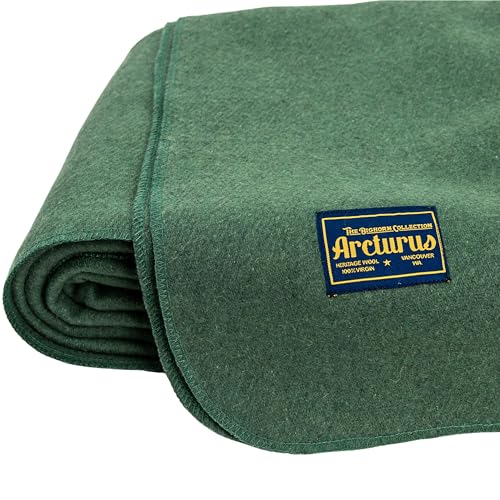
When I’m looking for a dependable, cozy weight of wool that balances softness with long-term durability, the Arcturus Bighorn Virgin Wool Blanket in sage stands out-especially for anyone who values natural materials and simple, functional design. I appreciate how its 100% virgin wool traps heat yet breathes, helping regulate temperature so I stay comfortable without waking up overheated. It’s heavyweight, yes, but not stifling-ideal for winter nights or cabin stays. Dry cleaning keeps it fresh, and the single-layer weave resists pilling over time. At 90×108 inches, it fits a king bed easily, and sage blends quietly with most rooms. This blanket supports restful sleep, naturally.
Best For: Outdoor enthusiasts and eco-conscious homeowners seeking a durable, natural wool blanket for year-round warmth and timeless style.
Pros:
- Made from 100% virgin wool for superior insulation, breathability, and temperature regulation
- Heavyweight yet comfortable single-layer weave resists pilling and supports long-term use
- Sustainably sourced, chemical-free material with a classic sage color that complements diverse decor
Cons:
- Requires dry cleaning only, limiting convenient at-home care options
- Higher weight may feel too warm for hot sleepers or summer use
- Premium pricing compared to synthetic or blended blankets
Factors to Consider When Choosing the Best Quality Wool
You’ll want to take into account the fiber’s source and origin, since sheep breed and region affect both softness and durability. Look at the micron count-lower numbers mean finer, gentler wool that’s less itchy against your skin. Ply, yarn weight, and color consistency also matter, as they influence warmth, strength, and how well the blanket fits your sleep environment over time.
Fiber Source And Origin
Though fiber softness often depends on breed and care, choosing wool from fine-fleece Merino sheep gives you a particularly smooth feel, thanks to fibers averaging 19–21 microns in diameter. You’ll find that origin matters just as much-wool from animals raised in temperate, low-stress climates tends to be more consistent and finer. When you select wool from farms that practice ethical animal husbandry and sustainable land management, you’re more likely to get cleaner, stronger fibers with better integrity. Look for sources that prioritize both animal welfare and environmental care, as these conditions support ideal fleece development. Staple length, usually between 60–70mm in high-quality wool, also contributes to durable, well-spinning yarns. You’ll benefit from longer fibers in bedding or sleepwear since they hold up better over time without pilling. Choosing thoughtfully means you get softness, comfort, and lasting quality in every use.
Micron Count And Softness
The softness of wool you choose plays a direct role in how well you sleep, especially if you’re sensitive to fabric texture or prone to nighttime discomfort. Micron count-measuring fiber diameter in microns-directly affects how soft wool feels. You’ll want fibers below 19 microns for ultra-fine softness, ideal against your skin. Merino wool, usually between 17 and 21.5 microns, feels smooth and won’t itch like coarser wools. Fibers above 25 microns can irritate, while those over 30 often feel prickly-better for coats or rugs than bedding. Even a 2–3 micron difference changes how the fabric feels, so check labels carefully. Lower micron wool offers better comfort if you have sensitive skin or sleep hot. It’s a measurable trait, not marketing-so choose based on actual numbers. This helps you make smarter picks for sleepwear, blankets, or bedding that support rest without irritation.
Ply Construction And Strength
While softness often takes center stage, how wool is spun into yarn also matters for long-term comfort and performance. You’ll find that multi-ply constructions, like 6-ply, offer greater strength and resist breakage, making them ideal for projects that need to last. If you’re working on detailed stitching, 3-ply yarns strike a smart balance-strong enough to hold up, yet smooth enough to handle without splitting. Single-ply, low-twist wools feel soft and fluffy under your fingers, but they wear down faster with friction. When you choose higher ply counts, you’re getting better stress distribution across strands, which reduces fiber fatigue during long crafting sessions. This resilience helps maintain the yarn’s shape and integrity over time. For durability without sacrificing too much softness, consider mid-to-high ply options. They perform well under tension and stand up to repeated use, giving you reliable results you can count on.
Yarn Weight And Gauge
You’ve seen how ply affects strength and softness, and now it’s time to think about how yarn weight and gauge shape your finished project. Yarn weight tells you the strand’s thickness, running from lace (about 1–2 mm) to bulky (over 6 mm). Lighter weights like 4ply, around 1.5 mm, work with small needles (2–3.5 mm) for fine stitch detail. Medium worsted or Aran weights, near 10 WPI, pair with 4.5–5.5 mm needles and give warmth plus structure. Gauge-your stitches and rows per inch-must match the pattern, or sizing and fabric density go off track. Wrong gauge can change drape, fit, and yardage, sometimes increasing needed wool by 20% or more. You’ll want to swatch first, adjust needle size as needed, and confirm your gauge before starting. It’s a small step that keeps your project on course.
Color Range And Consistency
How does your wool hold color across skeins? You’ll want consistent shades, especially when working on large projects. Wool with a stable micron count (like 19–21 microns) absorbs dye evenly, helping you avoid unwanted variations. Always check that your skeins come from the same dye lot-natural fibers can shift in tone between batches, even from the same brand. If you’re matching colors later, a broad, standardized palette makes it easier to find replacements. Solid colors usually give you more uniformity than variegated or ombre yarns, which are designed with intentional shifts. Roving and yarn processed under controlled conditions tend to hold color better, thanks to even dye penetration and less fiber stress. For reliable results, buy enough from one lot upfront or confirm future availability. It’s a small step that saves frustration later.
Processing Method And Texture
Consistency in color starts with how wool is processed, and that same process plays a big role in how the yarn feels and performs. You’ll notice softer textures when wool uses low-twist spinning, which keeps its natural bounce and creates a fluffy, delicate feel perfect for lightweight knits. If you prefer smooth, tangle-free yarn, look for anti-torsion treatments-they keep strands neat and consistent. For softness against your skin, choose finer fibers between 19–21 microns; higher counts often feel rougher. Long staple fibers (60–70mm) give you a denser, more even texture, ideal if you’re spinning or felting. Pay attention to ply too-3-ply or 4-ply yarns are lighter and flexible, while 6-ply offers a firmer, smoother finish with less fuzz. These details help you match texture to your project’s needs without overcomplicating your choice.
Care Requirements And Durability
While softness and texture matter, how you care for wool directly affects its lifespan and performance. You’ll want to hand wash most wool in cold water, up to 30°C (86°F), especially non-superwash types, to maintain fiber resilience and shape. If you prefer convenience, machine-washable wool has been treated with anti-torsion processes to resist felting and keep fibers intact. Always lay your wool flat to dry-this prevents stretching and keeps dimensions stable. Look for higher ply counts like 6-ply, since they boost strength and resist wear over time. Finer fibers, around 19–21 microns, feel gentle on skin and hold up well with proper care. While durable, wool needs your attention to stay in top condition. Small efforts in washing and drying go a long way in preserving quality, softness, and fit through regular use.
Sustainability And Ethical Sourcing
When choosing high-quality wool, paying attention to sustainability and ethical sourcing makes a real difference in both environmental impact and long-term value. You’ll want wool from farms using regenerative agriculture-it pulls carbon from the air, cuts erosion, and boosts biodiversity. Look for ethical practices: no mulesing, humane treatment, and certifications like RWS or GOTS. These guarantee animals are raised with care and pastures stay chemical-free, protecting water and soil. Wool labeled organic or sourced from grasslands with rotational grazing supports animal health and reduces carbon emissions. Traceability systems, like blockchain or farm-to-product labels, let you verify where your wool comes from and confirm it meets strict environmental and welfare standards. Choosing certified, transparently sourced wool means you’re investing in comfort that’s kind to the planet and its creatures.
Frequently Asked Questions
Can Merino Wool Be Machine Washed Safely?
Yes, you can machine wash merino wool safely if you use the right settings. You’ll want to turn the garment inside out, use a gentle cycle with cold water, and pick a mild, wool-safe detergent. Avoid bleach and fabric softeners-they damage fibers. Always skip the dryer; lay flat to dry instead. Doing this helps preserve softness, shape, and performance over time, so your merino pieces last longer and stay comfortable against your skin.
Is Merino Wool Suitable for Baby Clothing?
Yes, you can use merino wool for baby clothing because it’s soft, breathable, and regulates temperature well. You won’t have to worry about overheating or irritation since it wicks moisture and resists odors. The fibers are fine and gentle on sensitive skin, making it a practical choice for newborns. Just choose machine-washable blends and check garment labels to guarantee long-term softness and durability with regular care.
Does Merino Wool Shrink When Dried?
Yes, merino wool can shrink when dried with heat, so you’ll avoid the dryer to keep it safe. You’ll wash it in cool water on a gentle cycle and lay it flat to dry instead. The fibers are delicate to high temperatures but hold up well with care. You’ll find it keeps shape and softness longer when handled gently. Always check the garment’s care label for specifics.
How Do I Store Merino Wool Long-Term?
You store merino wool long-term by washing it first, using a gentle, wool-safe detergent and cool water. You dry it flat to maintain shape and prevent shrinkage. You place it in a breathable cotton bag or drawer, away from direct sunlight and moisture. You avoid plastic, which traps damp and invites mildew. You include natural cedar blocks to deter moths, but skip strong mothballs-they damage fibers and leave odor.
Is Merino Wool Hypoallergenic for Sensitive Skin?
Yes, you’ll find merino wool hypoallergenic for sensitive skin because it wicks moisture and resists odor-causing bacteria. Its fine fibers don’t irritate like coarser wools, and it regulates temperature to reduce sweat-related irritation. You can wear it next to your skin without itching for most people. Look for superfine (15.5–18.5 micron) grades, and wash it gently with pH-neutral soap. Try it first with a small garment to test your skin’s reaction.