Top-Rated Earplugs That Deliver Quiet You Can Trust
You can trust top-rated foam earplugs like Moldex, Howard Leight, and 3M for reliable 33dB noise reduction, ideal for sleep or loud environments. Soft, low-pressure foam guarantees comfort in small canals and all-night wear, while tapered or bell-shaped designs create a secure seal. Most are disposable and hygienic, with some offering corded options to reduce loss. Models like Moldex 6604 are PVC-free and skin-safe. Reusables like Alpine WorkSafe provide long-term value with proper care-options vary in fit, maintenance, and use, so trying a few helps match your needs.
We are supported by our audience. When you purchase through links on our site, we may earn an affiliate commission, at no extra cost for you. Learn more. Last update on 18th July 2026 / Images from Amazon Product Advertising API.
Notable Insights
- Top-rated foam earplugs like Moldex and 3M offer NRR 33dB or higher for maximum noise reduction.
- Soft, low-pressure foam and tapered designs ensure a secure, comfortable fit for all ear canals.
- Hypoallergenic, PVC-free materials and closed-cell foam enhance safety and hygiene.
- Individually sealed packaging and non-ferrous components support cleanliness and compliance in workplaces.
- Reusable high-fidelity models provide clear sound reduction for music and entertainment settings.
Moldex Foam Earplugs 200 Pairs NRR 33dB

If you’re looking for reliable, comfortable hearing protection that won’t irritate your ears-even after hours of wear-the Moldex Foam Earplugs are a solid choice, especially if you’re sensitive to pressure or have smaller ear canals. I find their soft, low-pressure foam molds gently, creating a snug seal without soreness. The tapered shape slides in easily and stays put, blocking up to 33dB of noise-ideal for light sleepers or noisy environments. Each pair is smooth, reducing irritation, and the distinctive swirls mean I’m getting authentic, USA-made quality. With 200 disposable pairs, I’ve got long-term use covered, though there’s no trial or warranty. They’re practical, effective, and simplify choosing quiet.
Best For: Individuals with sensitive ears or smaller ear canals who need comfortable, high-noise-reduction earplugs for extended wear or sleep.
Pros:
- Soft, low-pressure foam ensures comfort and reduces irritation during long-term use
- Tapered design allows for easy insertion and secure fit in small ear canals
- High NRR 33dB rating provides maximum noise reduction for effective hearing protection
Cons:
- No trial or warranty offered with purchase
- Disposable design means ongoing replacement is necessary
- Uncorded pairs may be easily misplaced after removal
Honeywell Howard Leight Foam Earplugs (100 Pairs)

I rely on Honeywell Howard Leight Foam Earplugs when I need serious noise reduction in loud environments, and their NRR of 33 makes them the strongest disposable option available. The bell shape fits smoothly into my ear canal, matching its contours to block more sound and resist backing out. I appreciate the smooth, closed-cell foam-it stays clean and doesn’t trap dirt, which helps keep my ears safe and healthy. They’re soft, so I can wear them for hours without discomfort. The cord lets me hang them around my neck when not in use, which keeps them handy. With 100 pairs, I’ve got plenty for long-term jobs in construction, manufacturing, or even noisy sleep settings.
Best For: Professionals in loud industrial environments like construction, manufacturing, and mining who need maximum noise reduction and reliable, hygienic hearing protection.
Pros:
- Highest noise reduction rating (NRR 33) among disposable foam earplugs for superior sound blocking
- Bell-shaped, soft foam design conforms to ear canal contours for a secure, comfortable fit during extended wear
- Corded design and closed-cell foam enhance convenience, hygiene, and ease of use
Cons:
- Cord may be cumbersome for users who prefer a minimalist design
- Foam material requires proper insertion technique to achieve optimal noise reduction
- Not reusable, limiting cost efficiency for frequent long-term use
3M Ear Plugs 200 Pairs NRR 33

These 3M Ear Plugs, with a Noise Reduction Rating (NRR) of 33 dB, are best suited for workers in loud industrial settings where consistent hearing protection is essential. I find their bell-shaped design makes them easy to insert and remove, while the soft foam expands gently in the ear canal for a snug, comfortable fit. They’re corded, so I can keep them around my neck between tasks, and each pair comes in its own poly bag for hygiene. I’ve used them during grinding, welding, and heavy equipment operation, and they consistently block high-decibel noise. They’re built for industrial use, not personal or sleep use, so they’re durable but not ideal for nighttime wear.
Best For: Workers in loud industrial environments who need reliable, high-noise attenuation during tasks like grinding, welding, and heavy equipment operation.
Pros:
- High Noise Reduction Rating (NRR) of 33 dB provides effective protection in extremely loud settings
- Bell-shaped design and soft foam ensure easy insertion, comfort, and a secure fit
- Corded design and individual poly bag packaging support hygiene and convenient access between uses
Cons:
- Designed for industrial use only, not suitable for personal or sleep use
- Cord may be cumbersome or snag during certain physical tasks
- Disposable nature means ongoing replacement is necessary, increasing long-term use costs
Moldex 6604 Sparkplugs Earplugs Uncorded, Box 200 Pairs

The Moldex 6604 Sparkplugs Earplugs are among the best choices for light sleepers or shift workers exposed to loud environments, thanks to their top-rated Noise Reduction Rating (NRR) of 33-the highest independently tested level available. I find their tapered shape makes insertion and removal easy, and they fit even very small ear canals comfortably. Made from extra-soft, low-pressure foam, they seal well without pressure, which helps during long shifts or overnight wear. They’re 100% PVC-free, so I trust they’re safer for regular use. Since they’re uncorded, I don’t have to worry about hygiene issues or snagging. With 200 pairs per box, I’ve got plenty for consistent use or sharing.
Best For: Light sleepers, shift workers, and individuals in loud environments needing maximum noise reduction with comfort and hygiene.
Pros:
- Highest independently tested Noise Reduction Rating (NRR) of 33 for superior sound attenuation
- Tapered design and extra-soft foam ensure easy insertion, comfort, and secure fit in small ear canals
- 100% PVC-free and uncorded for safer, more hygienic, and snag-free use
Cons:
- Foam material may degrade with repeated use, making them less suitable for extended reuse
- Uncorded design increases the risk of loss if not stored properly
- Some users may find the low-pressure seal less secure during physical activity
High Fidelity Reusable Concert Earplugs 24dB
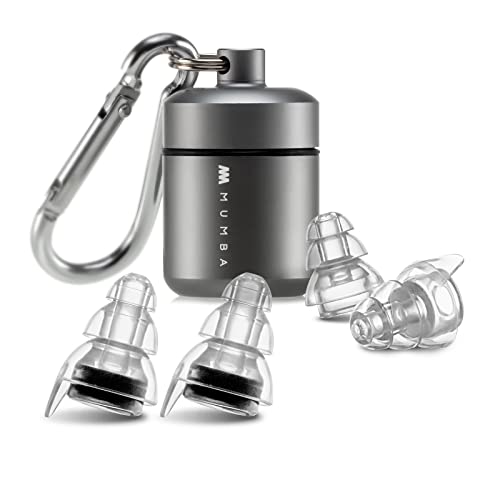
Music lovers who prioritize clear sound without sacrificing hearing protection will find these high-fidelity reusable concert earplugs a solid choice, especially if attending loud events like concerts or working as a performer. I’ve used them during gigs and loud shows, and the 24dB NRR filter cuts harmful noise while keeping music crisp. Unlike foam plugs, these don’t muffle sound. They’re made from soft silicone, fit comfortably, and the small pull tab makes removal easy. The low-profile design stays discreet. With two shell sizes, most people get a secure fit. I keep mine in the aluminum case, which clips to my bag-handy for regular use.
Best For: Music lovers, performers, and concertgoers who want hearing protection without compromising sound quality.
Pros:
- Effectively reduces noise by 24dB while preserving clear, high-fidelity audio
- Comfortable, soft silicone design with a discreet, low-profile fit
- Comes with two sizes and a durable aluminum case with carabiner for portability
Cons:
- May not fit perfectly for users with very small or unusually shaped ear canals
- Insertion requires proper placement to achieve optimal sound filtering
- Higher upfront cost compared to disposable foam earplugs
Howard Leight 32NRR Corded Earplugs Orange/Blue

I rely on Howard Leight 32NRR Corded Earplugs when I need strong, consistent noise reduction in demanding environments, and they’re especially well-suited for workers in food service, pharmaceuticals, or manufacturing where compliance and hygiene matter. The 33 NRR rating delivers reliable noise blocking, ideal for loud, continuous settings. A non-ferrous metal grommet allows automated detection at entry points, helping maintain safety protocols. I appreciate the bright orange and blue design-it makes visual checks easy throughout the day. The polycord keeps the earplugs off surfaces, cutting contamination risks and loss. Soft, self-adjusting foam fits comfortably, while the T-shape guarantees quick, secure handling during long shifts.
Best For: Workers in food service, pharmaceutical, and manufacturing environments needing reliable noise reduction, compliance tracking, and high hygiene standards.
Pros:
- High 33 NRR rating provides excellent noise attenuation in loud, industrial settings
- Non-ferrous metal grommet enables automated compliance detection upon entry
- Polycord design and bright orange/blue color ensure visibility, reduce contamination, and prevent loss
Cons:
- Corded design may be less comfortable for workers preferring cordless earplugs
- Foam material may degrade with prolonged exposure to oils or solvents
- Limited color options may not align with all company safety color codes
Moldex M6644 Extra-Soft Sparkplug Earplugs (250 per Dispenser) Orange

Since comfort and a reliable seal matter most for blocking disruptive noises during sleep, these Moldex M6644 Extra-Soft Sparkplug Earplugs deliver with a tapered, low-pressure foam design that fits gently in the ear canal without causing irritation. I appreciate their high NRR of 35, the highest independently tested for foam earplugs, which helps reduce loud or persistent sounds that disrupt sleep. Made from 100% PVC-free polyurethane foam, they’re soft, hygienic, and safe for sensitive skin. The bright orange color makes them easy to track in shared settings, and the 250-unit dispenser keeps them organized. They’re uncorded, smooth, and simple to insert, with a shape that seals well without pressure. A warranty is available through Moldex customer service, so you can try them with confidence.
Best For: Individuals seeking highly effective, comfortable earplugs for sleeping, studying, or use in noisy environments who value a soft, low-pressure fit and high noise reduction.
Pros:
- Highest independently tested NRR of 35 for superior noise reduction
- Extra-soft, low-pressure foam ensures comfort and a secure seal without irritation
- Tapered, smooth design allows for easy insertion and removal; bright colors aid in compliance and visibility
Cons:
- Uncorded design increases risk of loss if not stored properly
- Foam material is not reusable and must be discarded after use
- Some users may find the fit less effective if improper insertion technique is used
Alpine WorkSafe Reusable Earplugs 23dB with Cord

If you’re working around loud machinery or tackling noisy DIY projects, the Alpine WorkSafe Reusable Earplugs offer strong 23 dB SNR noise reduction while still letting you hear important sounds like alarms or warnings. I find they balance protection and awareness well. Their AlpineThermoShape material molds comfortably to my ears, staying secure all day without pressure. Made from hypoallergenic, silicone-free material, they’re safe for sensitive skin. They’re certified to meet both US and EU standards, so I trust their real-world performance. Designed in the Netherlands, they include a safety cord and are built to last-making them a practical choice for frequent use.
Best For: Professionals and DIY enthusiasts working in loud environments who need reliable hearing protection without completely blocking out important ambient sounds like alarms or communication.
Pros:
- Provides effective 23 dB SNR noise reduction while allowing awareness of critical sounds
- AlpineThermoShape material molds to the ear canal for a personalized, comfortable, and secure fit
- Hypoallergenic, silicone-free, and sustainably made with certified compliance to US and EU standards
Cons:
- Reusable design requires regular cleaning to maintain hygiene and performance
- The included safety cord may feel cumbersome or get in the way during certain tasks
- Higher upfront cost compared to disposable earplugs, though cost-effective over time
Factors to Consider When Choosing the Wirecutter Best Earplugs
You’ll want to check the noise reduction rating first, since blocking the right amount of sound matters for restful sleep. Make sure the earplugs feel comfortable and stay in place all night, especially if you sleep on your side or move around a lot. Look for soft, hypoallergenic materials and designs that are easy to insert and clean, so they’re safe and simple to use regularly.
Noise Reduction Rating
A higher Noise Reduction Rating (NRR) means greater sound dampening, with most top-performing earplugs offering 33 dB or more-ideal for blocking loud, continuous noise from traffic, snoring, or machinery. You’ll see the NRR listed on packaging, showing how many decibels the earplugs can theoretically reduce. Devices with 33 dB or higher are considered high-performance and are often used in loud work environments. Keep in mind that real-world effectiveness depends on proper insertion-your fit matters. Even top-rated earplugs may perform below their rated NRR if not worn correctly. For sharp impulse noises like gunshots or heavy impacts, consider both NRR and peak sound pressure limits. All earplugs must be tested and certified, so you can trust the labeled ratings. When choosing, balance NRR with your noise environment and usage needs.
Comfort And Fit
Comfort and fit play a crucial role in how well earplugs work over time, especially during sleep or long shifts. You’ll want a tapered or bell-shaped design, as it slips gently into the ear canal and creates a secure, low-pressure seal. Soft, low-pressure foam adapts to your ear’s shape, reducing irritation and making all-night wear more comfortable. Look for smooth outer surfaces-they minimize friction and help prevent canal irritation during insertion. Extra-soft or moldable materials expand slowly, giving you a custom fit without needing to push too hard. If you struggle with placement, choose earplugs with a contoured or T-shaped stem; they’re easier to handle and help you position them correctly every time. A proper fit doesn’t just feel better-it improves noise reduction consistency, making your quiet time more reliable.
Material Safety
Look for earplugs made from hypoallergenic, latex-free, and PVC-free materials to lower the chance of skin irritation or allergic reactions, especially during long-term wear. You’re better off choosing non-toxic, medical-grade silicone or polyurethane foam-they’re safer and gentler on sensitive skin. Closed-cell foam helps keep hygiene in check since it resists absorbing moisture and dirt. Steer clear of formaldehyde-releasing agents and phthalates, which can trigger irritation. Make sure the materials meet strict safety rules like EU REACH or U.S. FDA guidelines, so you know they’re checked for harmful substances. These choices matter most if you use earplugs nightly or have sensitive skin. Picking safer materials doesn’t guarantee comfort, but it does reduce health risks while supporting better, uninterrupted sleep.
Design For Insertion
When inserting earplugs regularly, especially before sleep, the design plays a key role in how well they fit and stay in place. You’ll find tapered shapes guide the plug smoothly into your ear canal, making placement easier and more accurate. Bell-shaped designs match your ear’s natural curve, helping form a consistent seal while reducing slippage. Smooth, closed-cell foam surfaces slide in with less friction, cutting down on discomfort or irritation. Low-pressure foam expands slowly after you insert it, so you don’t need to push hard-ideal for side sleepers or sensitive ears. If you struggle with grip, look for elongated pull tabs or T-shaped stems; they give you better control during placement and let you adjust with confidence. These features work together to support reliable noise reduction without discomfort, helping you find a fit that stays secure through the night.
Hygiene Considerations
A well-designed earplug not only fits smoothly but also stays clean and safe with regular use. You should toss disposable foam earplugs after each use to avoid bacterial buildup. If you choose corded ones, watch out-dirt from the cord can spread germs if it touches unclean surfaces between uses. Reusable models need regular cleaning with mild soap and water to prevent irritation and microbial growth. Pick ones made from closed-cell foam or smooth silicone, since those materials resist moisture and dirt better. Individually sealed packaging helps keep earplugs clean before first use, protecting them from dust and humidity. Hygiene affects both comfort and ear health, especially if you use earplugs nightly. Checking how easy they are to clean-and how often you must replace them-helps you balance convenience and safety without risking infection or irritation over time.
Durability And Reuse
Even though you’ll handle them often, well-made reusable earplugs hold up over time when built from resilient materials like silicone or thermoplastic elastomers. You’ll appreciate models designed to maintain their shape and seal after hundreds of insertions and removals. Look for washable options that resist deformation-consistent fit means reliable noise reduction night after night. Many come with protective cases, shielding them from damage and dirt when not in use, which helps extend their life. High-fidelity versions include advanced filters that stay clear of earwax and moisture, preserving both sound quality and performance. Since these earplugs are built to last, you won’t need frequent replacements, making them a practical choice. With proper care, they deliver steady comfort and quiet, supporting better sleep without added hassle. A longer lifespan also means you can test them over time to see how well they suit your routine.
Compliance Features
Though you may prioritize comfort and noise reduction, don’t overlook compliance features when selecting earplugs for consistent use in structured environments. You’ll want models with non-ferrous metal components that trigger detection in automated systems, ensuring accountability in regulated workplaces. Bright orange or dual-tone designs make it easy for supervisors to confirm proper use at a glance. Corded versions help you keep track of your earplugs, minimizing loss and reducing contamination risks. Look for smooth, closed-cell surfaces that resist dirt and are simple to clean-ideal for maintaining hygiene standards. Individually wrapped earplugs in poly bags stay sanitary until use, supporting strict safety protocols. These details aren’t just about rules-they help you use earplugs correctly every time, boosting long-term effectiveness without added effort.
Storage And Portability
You’ve already considered how compliance features support proper use in regulated settings, but don’t overlook how storage and portability affect convenience and consistent wear. If you carry earplugs daily, compact cases with carabiners make them easy to clip onto bags or belts. Corded designs let you hang them around your neck, cutting down on loss and easing access. For travel or shift work, durable cases protect against dirt and damage. Individually sealed poly bags keep single-use pairs clean and ready, especially useful in shared environments. Uncorded styles reduce contamination risks and work well when you need a quick, hygienic option. Dispensers with multiple pairs help organize supply in workplaces, ensuring visibility and easy access for teams. Weigh these details-your routine, setting, and reuse needs-to find a storage solution that keeps earplugs handy, clean, and ready when you need them.
Frequently Asked Questions
Can Earplugs Cause Ear Infections if Reused?
Yes, reusing earplugs can cause ear infections if you don’t clean them properly. Bacteria and dirt build up over time, especially with foam or silicone types. You should replace disposable plugs after a few uses and wash reusable ones daily with mild soap. Moisture retention increases infection risk, so let them dry fully. Some brands offer hypoallergenic materials and include cleaning guides. A good warranty or trial period lets you test options safely without wasting money.
Are Foam Earplugs Safe for Children?
Foam earplugs aren’t ideal for kids because they’re often too large for small ears and can be hard to insert correctly. You’ll find better results with kid-specific designs that fit smaller ear canals and use softer materials. Look for reusable silicone or moldable types made for children, as they’re safer and easier to handle. Always supervise use, and check for irritation. Try brands offering trial periods to test comfort and effectiveness without risk.
Do Earplugs Help With Snoring?
Yes, you can use earplugs to help reduce snoring sounds while you sleep. They work by blocking out noise, making it easier to fall and stay asleep. Most are made of soft foam or silicone, fitting snugly in your ear canal. Look for ones labeled for sleep-these are usually more comfortable for side sleeping. Try models with a noise reduction rating (NRR) of 25–33 dB. Many top brands offer trial periods, so test them to see how well they work for your needs.
Can I Wear Earplugs With Glasses?
Yes, you can wear earplugs with glasses, but the fit matters. Over-the-ear styles or bulky plugs might press against your glasses’ arms, causing discomfort or reducing seal. Slimmer, flexible foam or pre-molded silicone plugs often work better, slipping in without interfering. Try rolling foam plugs smaller before inserting. Some brands offer low-profile designs meant for glasses wearers. Test them at home first-many come with trial periods or warranties-so you can check comfort and noise reduction while wearing both.
How Do I Clean Reusable Earplugs?
You clean reusable earplugs by washing them gently with mild soap and warm water after each use. You rinse them well and let them air dry completely before storing. You avoid harsh chemicals or alcohol, which can damage the material. Most models last several weeks with proper care. You check the manufacturer’s guidelines for specific cleaning tips and replacement schedules to maintain hygiene and performance. You replace them if they lose shape or elasticity.