Best Ultralight Sleeping Bags for Weight-Conscious Adventurers
You’ll find ultralight sleeping bags like the ECOOPRO and Naturehike models weigh just 1.3 to 2.9 lbs, compress to under 12 inches, and use 650-fill down or synthetic insulation for warmth without bulk. Mummy shapes retain heat, while hydrophobic down and DWR shells resist moisture. Look for 20D fabrics, YKK zippers, and compression sacks to save space. Temperature ratings from 32°F to 59°F suit spring through fall. Most include a warranty, and some need pre-lofting-details that can shape your choice based on climate and pack size. Picking the right one depends on how you balance weight, warmth, and weather protection-and what comes next may help clarify your priorities.
We are supported by our audience. When you purchase through links on our site, we may earn an affiliate commission, at no extra cost for you. Learn more. Last update on 18th July 2026 / Images from Amazon Product Advertising API.
Notable Insights
- Ultralight sleeping bags weigh 1.3–2 pounds, with some models as light as 27 oz for minimal pack weight.
- Most compress to under 15 inches in length, fitting easily into small backpacks when using included compression sacks.
- 650-fill-power duck down offers excellent warmth-to-weight ratio, ideal for three-season backpacking.
- Mummy or semi-rectangular shapes reduce dead air space, improving thermal efficiency and reducing weight.
- Hydrophobic down and DWR-treated shells enhance moisture resistance, maintaining performance in damp conditions.
ECOOPRO Warm Weather Sleeping Bag
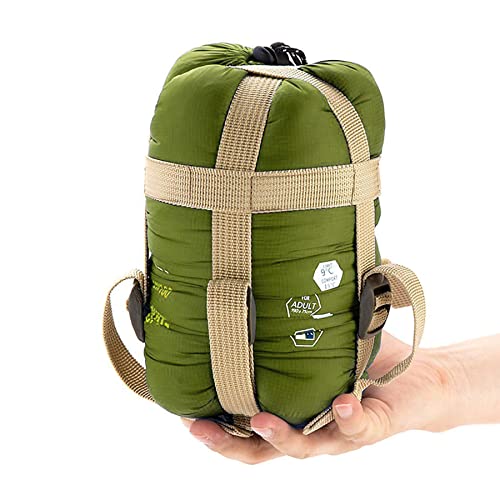
If you’re looking for a lightweight, reliable option for warm-weather adventures, the ECOOPRO Warm Weather Sleeping Bag stands out as a practical choice, especially if you prioritize portability and ease of packing. I’ve used it on hikes and campouts, and its 1.7-lb weight and 11-inch compressed size make it easy to carry. The nylon exterior resists water, while the polyester lining feels soft and breathes well. It fits one adult comfortably-or two kids-and works without a liner. I unzip it fully to use as a comforter. It keeps me comfortable between 55°F and 60°F. Customer support replies within 24 hours by email.
Best For: Outdoor enthusiasts seeking a lightweight, compact sleeping bag for warm-weather camping, backpacking, or hiking.
Pros:
- Lightweight at 1.7 lbs and compresses to just 11 inches, ideal for portability
- Waterproof nylon exterior and breathable polyester lining offer durability and comfort
- Doubles as a camping comforter and fits one adult or two children
Cons:
- Limited temperature range (55°F to 60°F), not suitable for cold weather
- Imported product may have longer shipping times
- No built-in liner, which some users may prefer for added comfort
Naturehike Ultralight Down Sleeping Bag 3-4 Season

I’ve found the Naturehike Ultralight Down Sleeping Bag to be a solid choice for backpackers and hikers who need warmth without added weight. It blends a mummy-style upper for heat retention with a slightly roomier footbox, giving you comfort without sacrificing efficiency. Rated to 33.8°F, it works well in cold weather, especially with its 650-fill-power duck down and YKK zipper. The 400T ripstop nylon shell is durable and water-resistant, and at just 1.67 lbs, it packs small-13.8” x 6.3”-thanks to the included compression sack. It’s backed by a one-year warranty, making it a dependable pick for backpacking, camping, or even hotel trips where space and weight matter.
Best For: Backpackers and hikers seeking a lightweight, compact, and warm sleeping bag for cold-weather adventures.
Pros:
- Ultralight at 1.67 lbs and packs down to 13.8” x 6.3” for excellent portability
- 650-fill-power duck down and 400T ripstop nylon provide reliable warmth and durability
- Hybrid mummy-envelope design offers heat retention and roomy footbox comfort
Cons:
- Lower temperature limit of 33.8°F may not suffice for extreme winter conditions
- Duck down requires careful maintenance to preserve insulation performance
- Limited color options available (currently black only)
Naturehike Ultralight Down Sleeping Bag

The Naturehike Ultralight Down Sleeping Bag suits backpackers and hikers who need warmth without added weight, especially those prioritizing pack space and comfort in cool conditions. I’ve found it balances mummy-style upper insulation with a roomier footbox, letting me move without losing heat. It weighs just 2 lbs and packs down to 13.8”, saving space in my pack. Made with 400T ripstop nylon and 650-fill RDS-certified duck down, it resists water and cold while staying ethical. The YKK zipper runs smoothly, and the included compression sack helps shrink its size. It’s comfortable around 40°F, ideal for spring to fall. A one-year warranty and responsive customer service back it, so trying it feels low-risk.
Best For: Backpackers and hikers seeking a lightweight, compact, and ethically made sleeping bag with reliable warmth for cool-weather adventures.
Pros:
- Ultralight at 2 lbs and packs down to 13.8”, maximizing pack space for long hikes
- Combines mummy-style upper insulation with a roomier footbox for comfort and heat retention
- Features durable 400T ripstop nylon, 650-fill RDS-certified down, and a smooth YKK zipper for quality performance
Cons:
- Limited warmth for sub-40°F conditions, not ideal for winter or extreme cold
- Duck down requires careful maintenance to preserve loft and insulation
- Some users may prefer a fully mummy design for maximum weight savings and thermal efficiency
Naturehike 0° Ultralight Down Sleeping Bag

You’ll find the Naturehike 0° Ultralight Down Sleeping Bag is especially well-suited for backpackers and hikers who need a dependable, lightweight option for cold-weather adventures. I’ve used it on multi-day treks, and its 650 fill power RDS-certified duck down delivers reliable warmth down to 29°F. The semi-rectangular mummy-envelope hybrid shape offers comfort without sacrificing heat retention, and the U-neck collar seals in warmth. Weighing just 2.9 lbs, it compresses small, fitting easily in my pack. I always let it loft overnight before use. Paired with a sleeping pad, it performs well in 0°C conditions. It comes with a storage sack and a 1-year warranty.
Best For: Backpackers and hikers seeking a lightweight, warm, and compressible sleeping bag for cold-weather adventures.
Pros:
- Lightweight at 2.9 lbs and highly compressible, ideal for packable outdoor use
- 650 fill power RDS-certified duck down provides reliable warmth down to 29°F
- Mummy-envelope hybrid design balances comfort and heat retention with a U-neck collar for added warmth
Cons:
- Duck down, while cost-effective, may offer slightly lower durability and loft compared to goose down
- Requires pre-lofting overnight for optimal performance, which may be inconvenient for some users
- Limited color and size options may not suit all preferences or body types
Wildcraft Travelite 5 Sleeping Bag – Black

Built for adventurers who prioritize warmth without the weight, the Wildcraft Travelite 5 Sleeping Bag – Black stands out as a reliable choice for backpackers, hikers, and outdoor travelers facing cold, unpredictable conditions. I find its ultra-warm insulation and water-resistant shell keep me dry and comfortable, even in damp weather. At just 1.76 pounds and packing down to 25 inches, it’s easy to carry without sacrificing space. The roomy fit and adjustable hood lock in heat, while the full-length zipper offers convenient access. Built to last, it handles rugged use well. With a 5-star rating and manufacturer warranty support, it’s a solid pick for reliable, all-season sleep in the wild.
Best For: Adventurers and outdoor enthusiasts seeking a lightweight, warm, and durable sleeping bag for cold, all-season backpacking, hiking, and camping trips.
Pros:
- Ultra-warm insulation and water-resistant shell provide reliable protection in cold and damp conditions
- Lightweight and compact design makes it ideal for backcountry travel and easy packing
- Roomy fit with an adjustable hood and full-length zipper enhances comfort and heat retention
Cons:
- Limited customer reviews (only 2) may raise questions about long-term durability for some buyers
- Black color may absorb more heat in direct sun, potentially increasing internal temperature
- No included storage sack mentioned, which could help with longevity and organization
ZOOOBELIVES Ultralight 32-50F Down Sleeping Bag
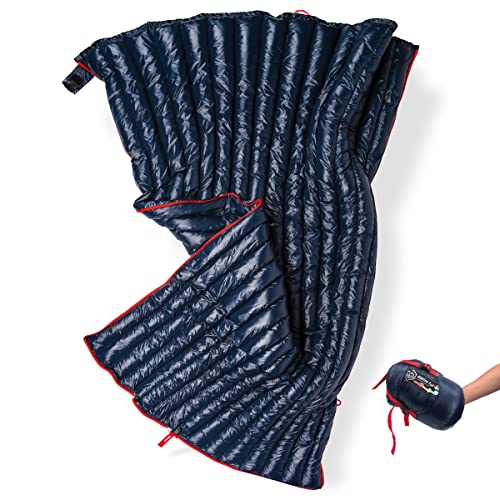
Lightweight hikers and warm-weather campers find this sleeping bag cuts pack weight without sacrificing comfort. I weigh just 27 ounces and compress down to 11 by 6.7 inches, so I slip easily into any pack. My 650-fill power hydrophobic duck down stays warm even in damp air, and my 20D nylon shell has a DWR finish to shrug off light moisture. I’m shaped slightly tapered but still give room to move, fitting users up to 79 inches tall. Two-way YKK zippers let you vent your feet, and you can zip me with another Alplive 400T to make a double bag. I come with a 100% satisfaction warranty.
Best For: Lightweight backpackers and warm-weather campers seeking a compact, comfortable sleeping bag with reliable insulation for three-season adventures.
Pros:
- Extremely lightweight at only 27 ounces, ideal for reducing pack weight
- Compresses down to 11 x 6.7 inches for excellent portability
- Hydrophobic 650-fill down and DWR-treated shell offer good moisture resistance
Cons:
- Limited temperature range makes it unsuitable for cold or winter conditions
- Duck down, while effective, is less thermally efficient than goose down
- Double size may be bulkier than needed for solo ultralight backpackers
OneTigris Bushcrafter Mummy Sleeping Bag

If you’re looking for a dependable three-season sleep solution that balances warmth, durability, and ease of care, the OneTigris Bushcrafter Mummy Sleeping Bag stands out for campers and hikers who prioritize practical performance over trail weight obsession. I find it warm enough for spring to fall nights, rated between 46.4°F and 59°F, thanks to its 7oz polycotton filling. The 300T pongee shell resists splashes, while the 190T lining feels smooth against skin. I appreciate the YKK zipper with anti-snag design and the drawstring hood for colder moments. It’s machine washable on delicate and dries quickly-ideal for frequent use. At 6.8ft long and 2.7ft wide, it fits most adults comfortably, stuffing into a 7.8” x 16.5” sack for easy packing.
Best For: Campers and hikers seeking a durable, easy-to-care-for three-season sleeping bag with reliable warmth for spring to fall use.
Pros:
- Durable 300T pongee shell offers splash resistance and long-term durability
- Machine washable and quick-drying for convenient maintenance after frequent outdoor use
- Comfortable fit for most adults with a roomy 6.8ft x 2.7ft design and compressible stuff sack for portability
Cons:
- Heavier than ultralight synthetic or down bags, making it less ideal for weight-conscious backpackers
- Limited warmth for cold weather use, not suitable for temperatures below 46.4°F (8°C)
- Polycotton filling may retain moisture more than high-end synthetic insulations in humid conditions
iClimb 3M Mummy Sleeping Bag
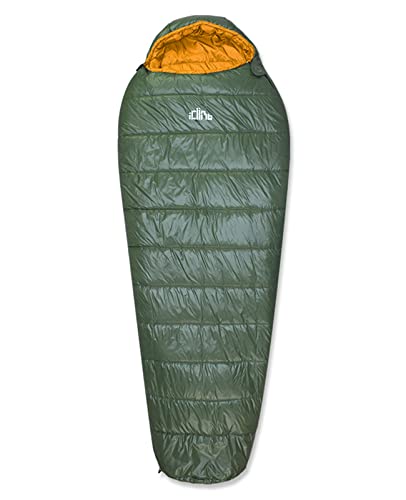
I’d choose the iClimb 3M Mummy Sleeping Bag if I needed reliable warmth and packability for three-season adventures, especially since its 3M Thinsulate insulation resists water absorption and retains heat even in damp conditions. It’s built with a 20D nylon shell and double-layer construction to prevent cold spots, while smooth baffles and a draft collar lock in warmth. The 3D footbox fits comfortably, and the internal pocket keeps small items handy. I appreciate the two-way YKK zipper with a Velcro guard-it’s durable and won’t snag. At 3 lbs and compressing to 9.8”, it’s great for ultralight trips. It’s machine washable with care, and the lifetime warranty covers defects.
Best For: Outdoor enthusiasts seeking a lightweight, warm, and packable sleeping bag for reliable three-season backpacking and camping in damp or cool conditions.
Pros:
- Lightweight at 3 lbs and highly compressible for ultralight backpacking and easy storage
- 3M Thinsulate insulation resists water absorption and maintains warmth in damp environments
- Durable 20D nylon shell with double-layer construction and thermal design minimizes cold spots
Cons:
- Machine washing requires strict care (front-loader, cold water, delicate cycle), limiting cleaning convenience
- Packed size may still be bulky for minimalist ultralight setups despite compression sack
- Limited temperature range makes it unsuitable for extreme winter or high-altitude mountaineering
Naturehike Ultralight 650 Fill Down Sleeping Bag

When every ounce counts on the trail, the Naturehike Ultralight 650 Fill Down Sleeping Bag stands out as a solid choice for backpackers and hikers who need reliable warmth without bulk. I’ve used it on three-season trips, and its 295g of 650-fill duck down traps heat well, staying comfortable down to 42.8°F. The 20D nylon shell resists wear and sheds light moisture, while the sewn channel baffles keep down evenly spread. A snug stowage collar and two-way YKK zipper reduce heat loss and snagging. At just 1.3 lbs and packing to 12 × 26 cm, it’s easy to carry and fits neatly in my pack.
Best For: Backpackers and hikers seeking a lightweight, packable sleeping bag with reliable three-season warmth and durability.
Pros:
- Ultralight at 1.3 lbs and compresses to a compact 12 × 26 cm size, ideal for minimizing pack weight and space
- 650-fill power duck down and sewn channel baffles provide consistent insulation and prevent cold spots
- Durable 20D nylon shell with water-repellent treatment and a two-way YKK zipper enhance performance and convenience
Cons:
- Comfort limit of 42.8°F may be insufficient for colder conditions or users sensitive to cold
- Duck down less water-resistant than synthetic insulation and may lose loft if exposed to moisture
- Limited sizing options, with only medium and large available, potentially restricting fit for some users
Ultralight Down Sleeping Bag 32-55F (MFH500)

The Ultralight Down Sleeping Bag 32-55F (MFH500) is built for hikers and backpackers who prioritize weight without sacrificing warmth, and its 500 grams of 650 fill power odorless down delivers a reliable shield against the cold. I’ve found its 20D 400T nylon shell keeps weight low-just 1.92 lbs-while resisting moisture and wind. The mummy shape fits snugly, reducing dead air space, and the cable-free baffle boxes keep down evenly distributed. A two-way foot zipper lets me vent heat without opening the main draft, and the glow-in-the-dark pull helps at night. It packs small, works down to 32°F, and I can layer it for extreme cold. With a 45-day return policy, trying it carries no risk.
Best For: Ultralight backpackers and outdoor enthusiasts seeking a warm, packable sleeping bag for three-season adventures.
Pros:
- Lightweight at 1.92 lbs with a compact packed size for easy transport
- 650 fill power down and baffle box construction ensure consistent warmth and prevent cold spots
- Features like glow-in-the-dark zipper pull, two-way foot zipper, and moisture-resistant shell enhance usability and comfort
Cons:
- Limited temperature range-may not be sufficient for sub-freezing conditions without layering
- Mummy shape may feel restrictive for those who prefer more room to move
- Higher price point compared to synthetic alternatives with similar temperature ratings
Factors to Consider When Choosing an Ultralight Sleeping Bag
You’ll want to take into account material durability and weight together, since lightweight fabrics save pack space but may wear faster over time. Think about temperature rating and insulation type-down offers great warmth for the weight, but synthetic keeps working even if it gets damp. Fit and shape matter too, as a snug mummy cut saves heat while a roomier bag improves comfort for restless sleepers.
Material Durability
A sleeping bag’s durability starts with smart material choices, and your best bet for long-term use lies in high-denier ripstop nylon-like 20D to 400T-which balances ultralight weight with solid resistance to tears and abrasion. You’ll want fabrics treated with a durable water-repellent (DWR) finish, since they resist moisture and slow down fabric breakdown over time. Look for YKK zippers-they’re less likely to snag and hold up better with repeated use. Reinforced stitching, like double or taped seams, adds strength at stress points without much added weight. If you’re choosing a down-filled bag, opt for baffle box or channel construction; it prevents down from shifting and reduces internal wear. These features work together to extend the life of your bag, ensuring it performs well across seasons and survives regular packing and unpacking without failing.
Weight And Packability
Choosing a sleeping bag that stands up to wear starts with smart fabric and construction choices, but once durability is covered, your focus shifts naturally to how much the bag weighs and how easily it packs down. Ultralight models typically weigh between 1.3 and 2 pounds, helping you cut pack weight on long trips. Most compress down to 11–15 inches in length and under 7 inches in diameter, fitting neatly into tight spaces. High fill-power down-650+-keeps weight low while offering great warmth and compression. Lightweight 20D or lower denier fabrics reduce both packed size and overall mass without sacrificing toughness. Many bags come with compression sacks, shrinking volume by up to half for easier carrying. These features work together to save space and effort on the trail, giving you a lighter, more manageable sleep system without compromising performance.
Temperature Rating
How cold does it really get on your trips? You’ll need to match your sleeping bag’s temperature rating to the lowest expected conditions. Most bags list comfort, limit, and extreme ratings based on ISO 23537 testing, so you can compare models fairly. The comfort rating is where you’ll stay warm as a typical sleeper; the limit rating is the edge of what most people can handle. A 32°F (0°C) or lower bag works for cold weather, while above 50°F (10°C) suits summer use. But real-world conditions-like your metabolism, wind, or a damp sleeping pad-can shift how warm you feel. No rating tells the full story, so check reviews and consider a bag with a 5–10°F buffer below your expected lows. Some brands offer trial periods, letting you test warmth before committing.
Shape And Fit
Space and warmth depend on shape, so pick a design that matches your sleep style and conditions. You’ll find mummy bags are snug, tapered from head to foot, and cut out extra space to trap heat-ideal when cold weather’s a concern. If you move a lot or sleep warm, an envelope-style rectangular bag gives you room to shift without restriction. Semi-rectangular models strike a balance, contouring the top half while letting your legs spread slightly. For best warmth, choose a bag only 4–6 inches longer than your height so heat stays in. Two-way zippers help, letting you vent your feet on warmer nights without unzipping everything. This small feature adds comfort on changing temperature nights. Try before you buy, especially if you’re tall or broad, since fit affects both warmth and ease.
Insulation Type
Your sleep warmth hinges on insulation type, and your choice comes down to balancing weight, weather resistance, and care. Down offers a high warmth-to-weight ratio, with fill powers from 550 to 900, making it ideal if you prioritize lightness and compression. It performs best in dry cold but loses efficiency when damp unless treated. Hydrophobic down resists moisture, dries 50% faster, and holds loft longer in humid conditions. You’ll need to keep it dry and fluff it regularly to prevent clumping. Synthetic insulation, like 3M Thinsulate, weighs more and packs bulkier, but keeps about 90% of its warmth when wet and absorbs less than 1% of its weight in water. It’s also easier to care for and usually cheaper. Though heavier, it’s a solid pick if you often camp in damp forests or rainy climates.
Water Resistance
A well-chosen ultralight sleeping bag balances protection and packability, and water resistance plays a key role in maintaining warmth when moisture is present. You’ll want a DWR-treated outer fabric-it sheds light rain and dew, keeping insulation dry longer. If you rely on down, hydrophobic treatments cut water absorption by up to 90%, helping retain loft and warmth in humid conditions. Look for 20D or higher ripstop nylon shells; they resist water better without adding much weight. Sealed seams and coated stitching further block moisture from seeping in through stitch holes. While synthetic insulation weighs more than down, it absorbs less water and dries faster, making it a dependable option in damp climates. These features help preserve thermal efficiency when weather turns, so you stay warm without needing extra gear.
Zippers And Closures
While choosing an ultralight sleeping bag, don’t overlook the zipper and closure system-these components affect comfort, ventilation, and ease of use in real-world conditions. You’ll want YKK zippers; they’re tough, run smoothly, and resist snagging even after heavy use. A two-way zipper lets you vent heat from the foot end and link bags if needed. Anti-snag designs with protective tape reduce friction, so the zipper won’t trap fabric during long trips. Side zipper placement-right or left-affects how easily you can get in and out, and a full-length zipper lets you open the bag completely for use as a blanket. Luminous pulls help you adjust the bag at night without fumbling for a light. These features improve function and reliability when weight matters. Pick based on how each closure element supports real sleep, not just specs.
Ventilation Options
If you run warm or face changing nighttime temperatures, smart ventilation options keep you comfortable without sacrificing warmth where you need it. Choose bags with two-way zippers so you can vent your feet while keeping the top closed and insulated. Foot boxes with zippered vents let you release heat without fully opening the bag, helping maintain steady core warmth. Look for offset or side zippers-they reduce heat loss along the seam while still giving airflow when unzipped partially. Zipper placement, whether on the left or right, affects how easily you can adjust ventilation based on your sleeping position. Hood drawcords and neck baffles let you fine-tune airflow around your face, dumping excess heat without losing too much warmth. These features work together to balance breathability and retention, giving you better temperature control throughout the night. Test adjustments beforehand to find what works best for your body and sleep style.
Frequently Asked Questions
Can I Use These Sleeping Bags in Extreme Cold?
you can’t use these sleeping bags safely in extreme cold-they’re built for efficiency, not severe conditions. their lightweight design trades some insulation for packability. most have temperature ratings above 20°f, so you’ll risk hypothermia below that. always check the tested limit, not the comfort rating. pair them with a proper sleeping pad for ground insulation. test in milder cold first and verify warranty covers performance issues before relying on them in serious weather.
Are These Sleeping Bags Machine Washable?
you can machine wash these sleeping bags, but you should use a front-loading washer on gentle with mild detergent. never use bleach or fabric softener-they damage insulation. always air dry on low or no heat to preserve fill loft. some models come with a warranty, though improper cleaning voids it. check the care tag first. if unsure, hand washing and line drying are safer. proper care keeps your bag lightweight and warm for years.
Do They Come With a Compression Sack?
Yes, they come with a compression sack, and you’ll find it helps reduce bulk fast. Just don’t store the bag compressed long-term-you’ll lose loft. The sack’s lightweight, packable, and clips shut securely, so you can adjust tightness based on space. Some models include a mesh storage sack, too, for safe keeping at home. Check the warranty, since proper care affects performance. Try the setup before your trip; it makes packing easier.
How Do I Store My Ultralight Sleeping Bag Long-Term?
You should store your ultralight sleeping bag loosely in a large cotton or mesh sack to preserve its loft and insulation. Never leave it compressed in a stuff sack long-term-it damages the fibers over time. Keep it in a cool, dry place away from direct sunlight and moisture. Regular airings help maintain performance. If you’re unsure, check the warranty-many brands recommend proper storage to keep coverage valid.
Are These Sleeping Bags Suitable for Backpacking With Pets?
You shouldn’t rely on ultralight sleeping bags alone for your pet during backpacking trips. These bags are designed for humans, not animals, and don’t provide the warmth or space pets need. Most lack durability against claws or movement. Instead, you’ll want a separate pet-rated sleep system-some adventurers use lightweight dog-specific pads or insulated pet shelters. Check manufacturer guidelines; few offer warranties for pet use. Test gear on short trips first to guarantee safety and comfort for your companion.