Best Sleep Support Cushions for Ultimate Comfort at Night
You’ll find relief with memory foam cushions that support your lower back, hips, and legs while you sleep. Contoured, high-density foam aligns your spine and resists flattening over time. Look for breathable, removable covers that stay cool and withstand washing. Dual-density designs balance soft comfort with firm support. Most expand in 24 hours and come with a warranty-trying one could reveal how small adjustments improve your rest.
We are supported by our audience. When you purchase through links on our site, we may earn an affiliate commission, at no extra cost for you. Learn more. Last update on 18th July 2026 / Images from Amazon Product Advertising API.
Notable Insights
- High-density memory foam cushions offer durable support, promote spinal alignment, and reduce back, hip, and joint pain overnight.
- Ergonomic contoured designs match the natural lumbar curve, enhancing comfort for side and back sleepers.
- Dual-height zones (3.74”–4.33”) provide personalized support, adapting to different sleep positions and torso sizes.
- Removable, breathable covers made of ice silk or 4D mesh wick heat and are machine washable for hygiene.
- CertiPUR-US and OEKO-TEX certified foams ensure safe, low-odor, eco-conscious materials for uninterrupted, healthy sleep.
ComfiLife Lumbar Support Pillow (White, Standard)

If you’re a side or back sleeper dealing with mild lower back discomfort, the ComfiLife Lumbar Support Pillow offers a practical way to maintain spinal alignment without rigidity. I use it nightly, and its medium-soft memory foam gently supports my lower back without feeling stiff. It’s 27.5 inches long, so I can place it under my waist or legs, depending on my comfort. The breathable, removable cover stays cool and I toss it in the wash weekly. While it’s not firm like a medical brace, it helps reduce strain, especially on softer mattresses. You might need a few nights to adjust placement. It works well for me, but your results may vary based on body size or sleep position.
Best For: Side and back sleepers seeking mild lower back support and improved spinal alignment during sleep.
Pros:
- Provides comfortable, medium-soft memory foam support ideal for reducing lower back strain
- Versatile use for lumbar, leg, or under-knee elevation to enhance comfort and circulation
- Features a breathable, removable, and machine-washable cover for easy cleaning and cooling
Cons:
- Not firm enough for those needing rigid orthopedic or medical-grade back support
- Effectiveness varies depending on body type, weight, and mattress firmness
- May require an adjustment period to find optimal positioning for personal comfort
Lumbar Support Pillow for Back Pain Relief

I rely on the lumbar support pillow when I need consistent, targeted relief from lower back pain during sleep, especially as someone who switches between side and back positions. It’s engineered with high-density memory foam that keeps its shape and supports proper spinal alignment without flattening over time. I use it behind my lower back, but it also works well under my knees or legs to reduce hip and joint pain. The breathable, machine-washable cover helps me stay cool and makes cleaning easy. Whether I’m lounging or sleeping, it improves posture and comfort, which helps me rest better night after night.
Best For: Individuals seeking consistent, ergonomic lumbar support during sleep to relieve lower back, hip, and joint pain, especially those who switch between side and back sleeping positions.
Pros:
- Engineered with high-density memory foam for durable, shape-retaining support and optimal spinal alignment
- Multi-functional use for lower back, under knees, or legs to alleviate various types of pain
- Features a soft, breathable, and machine-washable cover for comfort, hygiene, and easy maintenance
Cons:
- May be too firm for users preferring softer pillow textures
- Limited benefit for strict stomach sleepers due to lumbar elevation
- Not ideal for use in very warm environments despite breathable cover
Lumbar Support Pillow for Back Pain Relief
The Lumbar Support Pillow for Back Pain Relief is built for people who need consistent, targeted support and struggle with discomfort from poor spinal alignment. I use high-density memory foam that keeps its shape and supports proper posture all night. My ice silk cover cools on contact, wicks heat, and stays comfortable for hot sleepers-it’s also machine washable. I work behind your lower back, knees, or legs, whether you’re in bed, on the couch, or driving. I fit all body types and sleep positions, helping reduce pressure, ease hip and joint pain, and improve rest without forcing a specific feel. I’m built to last, resist flattening, and provide reliable support over time.
Best For: Individuals seeking consistent lower back support and relief from back, hip, or joint pain across various sleeping positions and seating environments.
Pros:
- Features cooling ice silk cover that regulates temperature and remains comfortable for hot sleepers
- Made with high-density memory foam for durable, long-lasting support and spinal alignment
- Versatile multi-position use for the lower back, knees, legs, or feet in bed, on the couch, or in the car
Cons:
- May feel too firm for users preferring a softer cushion feel
- Cooling effect may diminish over time with repeated washing
- Not specifically designed for targeted neck or upper back support
Ergonomic Memory Foam Lumbar Pillow (Blue)
A well-designed lumbar pillow makes all the difference when you’re dealing with long hours at a desk, chronic lower-back discomfort, or restless sleep from poor support. I rely on the Ergonomic Memory Foam Lumbar Pillow (Blue) because its high-density foam contour supports my spine just right, whether I’m at my desk, in the car, or in bed. The breathable mesh cover keeps me cool and comes off for easy cleaning. It straps securely in place and works everywhere-from wheelchairs to sofas. I let mine expand 24 hours after unpacking. It’s lightweight, portable, and backed by a warranty, with most users giving it solid ratings.
Best For: Individuals seeking reliable, portable lumbar support for long sitting periods, chronic back discomfort, or improved posture across chairs, cars, and beds.
Pros:
- Ergonomic design with high-density memory foam conforms to the spine for personalized, consistent support
- Removable, breathable 4D mesh cover allows airflow and easy machine washing
- Universal fit with adjustable strap for secure use on various seating types and portability across environments
Cons:
- Requires 12–24 hours to fully expand after unpacking, delaying immediate use
- Foam core is spot-clean only, limiting deep cleaning options
- Average customer rating of 4.2 stars based on only 30 reviews, indicating limited user feedback
C CUSHION LAB Deep Sleep Pillow
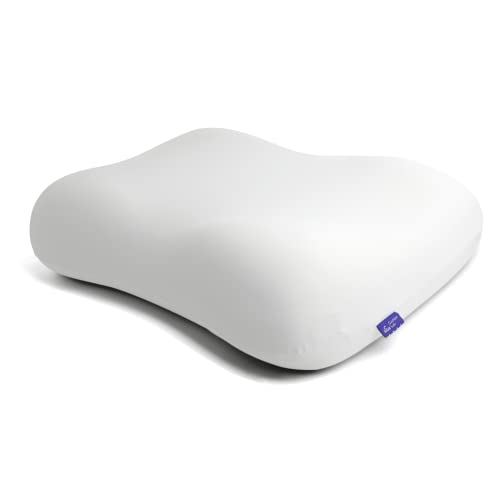
Whoever struggles with restless nights or waking up stiff should consider the C CUSHION LAB Deep Sleep Pillow, especially if side or back sleeping plays a key role in their routine. I’ve tested its dual-density memory foam, which cradles the head softly while firmly supporting the neck. The ergonomic design aligns my spine, and the breathable, washable cover stays cool. Made with CertiPUR-US foam and recycled materials, it’s durable and eco-conscious. I notice fewer morning wrinkles and less hair frizz, thanks to the smooth surface. It doesn’t sleep hot, shifts smoothly between positions, and comes with a trial, so testing it feels low-risk.
Best For: Side and back sleepers seeking pain-free, deep sleep with eco-conscious materials and skin and hair benefits.
Pros:
- Dual-density memory foam provides plush comfort and firm neck support for improved spinal alignment
- Ergonomic design enhances comfort for side and back sleeping with breathable, washable, and eco-friendly fabric
- Reduces morning wrinkles and hair frizz while preventing overheating during sleep
Cons:
- May feel too firm for stomach sleepers due to its orthopedic cervical contour
- Higher price point compared to standard memory foam pillows
- Initial off-gassing smell common with memory foam, though it dissipates quickly
Cozyhealth Memory Foam Lumbar Pillow (Dark Grey)
Looking for reliable lower back support that adapts to your sleep style without sacrificing comfort? I’ve found the Cozyhealth Memory Foam Lumbar Pillow helps maintain spinal alignment, thanks to its semi-circular shape that fills the gap between your lower back and the mattress. Made with high-density memory foam, it keeps its form over time and offers consistent support. It works well under my lower back, knees, or between my legs, depending on my position. The breathable, removable cover stays cool and is easy to wash. At 23.6 inches long and 3.15 inches high, it fits most beds, though firmer support may require a larger size.
Best For: Back and side sleepers seeking customizable, ergonomic lumbar support to improve spinal alignment and reduce lower back discomfort.
Pros:
- Ergonomic semi-circular design promotes natural spinal alignment and reduces strain on the lower back
- High-density memory foam provides durable, shape-retaining support for long-term use
- Breathable, removable, and washable cover enhances comfort and hygiene
Cons:
- Relatively low profile (3.15 inches high) may not provide enough lift for some users
- Naturally soft feel may not suit those preferring firm support without sizing up
- Limited color options available
Everlasting Comfort Memory Foam Knee Pillow
If you’re a side sleeper struggling with hip or lower back discomfort, the Everlasting Comfort Memory Foam Knee Pillow offers targeted support that keeps your spine aligned through the night. I’ve found its dual concave shape cradles both knees, reducing hip rotation and pressure on the lower back. Made from firm, high-density memory foam, it resists sinking and maintains support without overheating, thanks to breathable construction. A removable strap keeps it in place during movement, which helps with sciatica or post-op recovery. The cover is machine-washable, so hygiene stays simple. I use it not just for sleeping but also while lounging or during pregnancy. It’s a practical, reusable aid that supports better posture without replacing medical treatment.
Best For: Side sleepers seeking orthopedic support to alleviate hip, knee, or lower back pain during sleep.
Pros:
- Ergonomic dual concave design promotes proper spinal and hip alignment
- High-density memory foam provides lasting support without flattening
- Removable, washable cover and adjustable strap enhance comfort and hygiene
Cons:
- May feel too firm for users preferring soft pillow support
- Strap may feel restrictive for some sleepers
- Size may not suit individuals with shorter leg gaps between knees
Side Sleeper Pillow for Neck Pain Relief
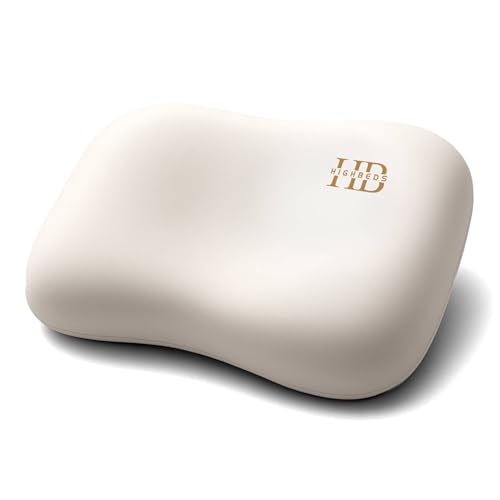
Why might this side sleeper pillow stand out if you’re dealing with persistent neck pain? It uses BASF high-resilience memory foam with a honeycomb structure for durable, responsive support. The golden-density core stays temperature-neutral and rebounds slowly, easing pressure. Dual-height zones (3.74” and 4.33”) fit side and back sleepers, aligning your spine without edge sag. I find the seamless design moves with me, no re-fluffing needed. The cooling ice silk cover wicks moisture, stays soft, and feels gentle on sensitive skin. It’s OEKO-TEX and CertiPUR certified-no toxins, no odor. Backed by a 5-year “Zero-Stress” Guarantee, it’s built to last.
Best For: Side and back sleepers seeking lasting neck pain relief with a durable, cool-to-touch memory foam pillow that supports spinal alignment and sensitive skin.
Pros:
- Engineered with high-resilience BASF memory foam and a golden-density core for consistent, temperature-neutral support and slow 3–7 second rebound
- Dual-height design (3.74” and 4.33”) accommodates both side and back sleepers while maintaining natural spinal alignment without edge sagging
- OEKO-TEX and CertiPUR certified free from toxins, odors, and irritants with a 5-year “Zero-Stress” Guarantee for long-term peace of mind
Cons:
- May feel too firm for those preferring plush, ultra-soft pillow textures
- Higher price point compared to standard memory foam pillows due to premium materials and certifications
- Cooling cover, while durable, is not removable or replaceable for separate washing
Lumbar Pillow Memory Foam Support Cushion
The Lumbar Pillow Memory Foam Support Cushion stands out for anyone dealing with lower back discomfort, especially if long hours at a desk or in the car leave your spine feeling out of alignment. I find its ergonomic design fits naturally against my lower back, supporting proper posture without feeling stiff. The high-density memory foam holds its shape well and resists flattening, even after weeks of use. Its 4D mesh cover is breathable, removable, and machine washable-making upkeep simple. At just under a pound, it’s easy to carry in the included storage bag, whether I’m traveling or moving between home and the office.
Best For: Individuals seeking reliable lower back support during prolonged sitting, especially office workers, drivers, and travelers experiencing back or hip pain.
Pros:
- Ergonomic design with high-density memory foam provides lasting spinal alignment and pressure relief
- Breathable, removable 4D mesh cover is machine washable for easy maintenance
- Lightweight and portable with a compact storage bag for use at home, in the car, or on the go
Cons:
- Limited color options available, currently offered only in black
- May be too firm for users preferring a softer cushion feel
- Semicircular shape might not fit all chair types perfectly
Wedge Pillow for Side Sleepers & Back Pain

I rely on this wedge pillow when I need consistent support as a side sleeper dealing with back pain, and it’s especially helpful for anyone prioritizing spinal alignment during rest. It eases pressure on my spine, improves breathing, and reduces snoring by keeping my body properly angled. The high-density foam holds its shape, even after months of use, and the removable cover is easy to wash. I’ve used it post-surgery and during recovery phases-it helps with turning, supports my back and legs, and lessens strain. It’s also useful if you’re pregnant or have limited mobility, offering stable, therapeutic positioning night after night.
Best For: Side sleepers seeking relief from back pain and those needing therapeutic support during recovery, pregnancy, or with limited mobility.
Pros:
- Provides consistent spinal alignment, reducing back pain and improving breathing for side sleepers
- Durable high-density foam maintains shape over time, with a removable, machine-washable cover for easy maintenance
- Versatile use for post-surgery recovery, pregnancy, and mobility challenges, offering stable, pressure-relieving support
Cons:
- May be too firm or bulky for users preferring a softer or more compact pillow
- Limited benefit for stomach sleepers due to angled design
- Higher price point compared to standard pillows, which may not suit all budgets
Factors to Consider When Choosing Sleep Support Cushions
You’ll want to check the foam density first-higher density usually means better support but can feel too firm if you’re not used to it. Look at the cover material too, since breathable fabrics like cotton or moisture-wicking blends help regulate temperature while the cushion’s shape should match your sleep position without forcing awkward posture. Don’t skip details like exact dimensions, ease of cleaning, or whether the brand offers a trial, because small differences in fit or maintenance can make a noticeable difference over time.
Foam Density And Support
Foam density plays a key role in how well a sleep support cushion holds up over time and how effectively it supports your body. If you choose high-density foam (3.5–5.5 pounds per cubic foot), you’ll get long-lasting support that resists sagging-ideal for therapeutic use. Foam above 4.0 pounds per cubic foot offers strong load-bearing performance, often used in orthopedic designs. Medium-density options (2.5–3.5) balance softness and support, giving you comfort without sinking too deeply. These usually last 3–5 years. Low-density foams (under 2.5) compress faster and may lose shape in 1–2 years, reducing support. While they feel plush at first, they wear out quicker. You’ll want to match density to your needs: heavier users or those needing alignment support should lean toward higher density. Always check product specs for density and warranty-they’re strong clues to durability.
Cover Material And Breathability
The support a sleep cushion offers starts with the foam, but how cool and comfortable you feel through the night hinges on the cover. If you tend to overheat, choose ice silk fabric-it feels cool to the touch and helps lower skin temperature fast. Breathable 4D mesh covers boost airflow, letting heat escape so you don’t wake up sweaty. Moisture-wicking materials pull sweat away from your body, keeping the surface dry. For hygiene, pick a removable, machine-washable cover to cut down on allergens and keep it fresh. Hypoallergenic fabrics resist dust mites and reduce irritation, making them ideal if you have sensitive skin or asthma. Soft, breathable covers don’t just feel better-they help regulate heat and support long-term comfort. These features work together to improve airflow, cleanliness, and temperature control, all of which affect your sleep quality.
Shape And Ergonomic Fit
While comfort often comes down to personal preference, the shape and ergonomic fit of a sleep support cushion play a measurable role in spinal alignment and long-term support. A semicircular or contoured shape matches your lower back’s natural curve, reducing lumbar pressure. If you sleep on your side, look for dual-height zones that offer extra lift where you need it, while back sleepers benefit from gentler, even support. Wedge-shaped designs help by elevating your legs or back slightly, improving circulation and easing spinal strain. For the best results, place the cushion correctly-under your knees when on your back or between your knees when side sleeping. High-density memory foam holds its shape over time, so you keep getting consistent support without sagging. Choosing the right shape means your cushion works with your body, not against it, helping you sleep more comfortably night after night.
Size And Dimensional Accuracy
Getting the right fit starts with paying close attention to size and dimensional accuracy-because even a small difference in height, length, or thickness can make a noticeable impact on how well the cushion supports your spine. A 1-inch variance in height can throw off your lumbar curve, so precise measurements matter. Choose a length that matches your torso width to keep full contact under your lower back or knees. Thickness plays a key role too-most people do best with 2.5 to 3.5 inches for balanced pressure relief. Accurate sizing helps the cushion perform consistently, especially when shifting from back to side sleeping. If the cushion’s too small or oddly shaped, it won’t fill the gap between your body and the mattress, leading to poor support and extra strain. Always check product specs carefully to guarantee the size aligns with your body and sleeping position.
Ease Of Maintenance
Since keeping your sleep support cushion clean can affect both hygiene and longevity, choose one with a removable, machine-washable cover-this makes routine cleaning simple and effective. You’ll want a cover made from breathable, moisture-wicking fabric that withstands frequent washing without wearing out. Look for a zippered enclosure; it keeps the foam secure while giving you easy access to the cover. Most high-density memory foam cores only need spot cleaning, so check the care instructions to avoid damaging the insert. This type of foam resists odors and holds its shape longer, meaning you won’t need deep cleaning as often. A well-built cushion balances low upkeep with durable materials, so you spend less time maintaining it and more time resting comfortably. Always confirm cleaning guidelines before buying to match the care routine to your lifestyle.
Versatility Across Positions
No matter which way you sleep, a support cushion that adapts to your preferred position makes a noticeable difference in spinal alignment and comfort. You can use versatile cushions under your lower back, between your knees, or beneath your legs, supporting side, back, or stomach sleeping. Their multi-position design lets one cushion double as lumbar support, a leg lifter, or knee spacer, so it adjusts as your needs change. Look for ergonomic shapes and medium to high-density foam-they keep their form whether tucked under your back or legs. Models around 23–28 inches long and 2.5–3.5 inches high tend to fit most body types. A removable, breathable, machine-washable cover keeps things clean and comfortable, no matter how you position it. This flexibility means you get consistent support across different sleep styles without needing multiple pillows.
Certifications And Safety Standards
When choosing a sleep support cushion, checking for trusted certifications helps you make a safer, more informed decision. Look for labels like OEKO-TEX and CertiPUR-US, which confirm the foam is free from harmful chemicals such as formaldehyde, heavy metals, and azo dyes. CertiPUR-US certified foams also meet low VOC standards, so they won’t emit chemical odors or compromise indoor air quality. OEKO-TEX Standard 100 goes further, testing for over 100 substances to guarantee safety for sensitive skin. These certifications mean the cushion’s materials have been independently verified, often with annual retesting. They also require durability, like surviving tens of thousands of compression cycles, so the cushion stays supportive and intact over time. Choosing a certified product doesn’t guarantee perfection, but it does give you reliable proof of safer materials and stronger construction.
Frequently Asked Questions
How Long Does Memory Foam Take to Adjust to Body Heat?
You’ll feel memory foam start to soften in about 30 to 60 seconds as it reacts to your body heat. It molds fully within a few minutes, contouring to your shape. Keep in mind, cooler rooms slow this response, so the foam might feel firmer at first. If you’re sensitive to temperature, look for gel-infused or open-cell designs-they adapt faster and sleep cooler. Most brands suggest a 2- to 3-week trial to judge comfort realistically.
Can I Wash the Pillow Cover in a Washing Machine?
Yes, you can wash the pillow cover in a washing machine, but check the care label first. Most are removable and machine-washable on a gentle cycle with mild detergent. Use cold water and avoid bleach or fabric softeners to protect the fabric. Tumble dry on low or air-dry to prevent shrinking or damage. Washing regularly helps maintain hygiene and freshness, especially if you sweat at night or have allergies. Always reinsert the pillow once the cover is completely dry.
Is It Safe to Use a Lumbar Pillow During Pregnancy?
yes, you can safely use a lumbar pillow during pregnancy. it helps support your lower back and align your spine as your body changes. choose one with firm yet comfortable filling that holds its shape. make sure it’s covered in soft, breathable fabric. always listen to your body-adjust positioning if needed. if you have specific health concerns, check with your doctor first.
Do These Pillows Help With Sciatica Pain at Night?
Yes, these pillows can help relieve your sciatica pain at night by supporting proper spinal alignment and reducing pressure on the lower back. You’ll notice less radiating pain when the cushion keeps your hips and spine neutral. Look for memory foam models with a contoured shape-they maintain support without sinking. Most offer a trial period, so you can test comfort over several weeks before deciding.
Are the Materials Used in These Pillows Hypoallergenic?
Yes, the materials in these pillows are hypoallergenic-you’ll find covers made from breathable, moisture-wicking fabrics that resist dust mites and allergens. The inner fill is often CertiPUR-US certified memory foam or natural latex, both tested for low emissions and skin safety. You’ll get fewer irritants while maintaining support. Most brands include removable, washable covers, letting you keep hygiene high. A trial period and warranty back their safety and comfort claims.