Best Sleep-Promoting Music That Lulls You Into Deep Rest
You’ll find deep rest with slow, lyric-free music around 60 BPM, like rain sounds or gentle guitar, which support steady breathing and block disruptive noise. Look for seamless, high-fidelity recordings that play all night without loops. Options like Calming Rain or *Echoes of Peace* use therapeutic design to ease your mind, while devices like the Breathing Kitty guide relaxation with light and sound. Most offer a 6-month guarantee, so you can test what works best for your routine. You’ll discover more helpful details just ahead.
We are supported by our audience. When you purchase through links on our site, we may earn an affiliate commission, at no extra cost for you. Learn more. Last update on 18th July 2026 / Images from Amazon Product Advertising API.
Notable Insights
- Choose lyric-free music with a slow tempo around 60 BPM to synchronize with your heart rate and promote relaxation.
- Opt for instrumental or nature-based recordings to avoid cognitive arousal from vocals or familiar songs.
- Select tracks with minimal harmonic changes and seamless playback to maintain uninterrupted sleep cycles.
- Use high-fidelity, non-looping audio lasting at least 8 hours to prevent disruptions from restarts or crossfades.
- Consider music embedded with Solfeggio frequencies like 528 Hz, believed to support deep relaxation and stress reduction.
Calming Rain Nature Sounds White Noise
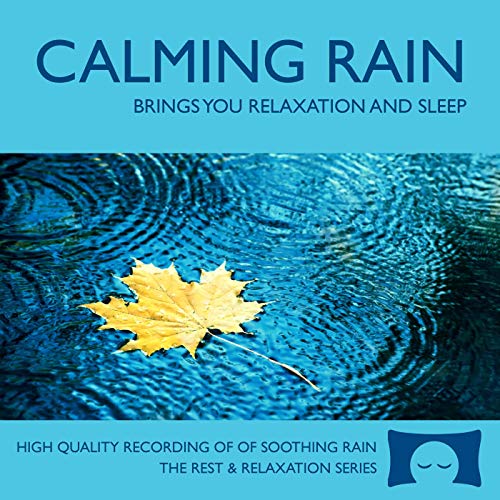
If you’re looking for a natural way to quiet your mind and improve sleep, especially when anxiety or outside noise makes it hard to wind down, Calming Rain Nature Sounds White Noise might be the best fit. I created this 60-minute recording as a therapist specializing in sound therapy, so it’s designed with clinical intent-no music, thunder, or distractions, just pure rain. The high-fidelity audio blocks outside noise effectively, and because it’s one continuous track, there’s no loop jump to disrupt focus. It plays on any CD player, thanks to premium U.S. manufacturing. You can try it risk-free for six months, and part of your purchase supports music therapy for children in treatment.
Best For: Individuals seeking a clinically designed, all-natural sound solution to reduce anxiety, block disruptive noise, and improve sleep quality.
Pros:
- Created by a therapist specializing in sound therapy for anxiety, stress, and insomnia
- One continuous, loop-free 60-minute high-fidelity rain recording with no music or thunder
- Plays on all CD players due to premium U.S. manufacturing and comes with a 6-month money-back guarantee
Cons:
- Lacks variety in soundscapes, offering only rain without additional nature elements
- May be less effective for those who prefer background music or changing auditory stimuli
- Physical CD may be less convenient for users who primarily use streaming or digital-only platforms
Tim Janis Soothing Nature Sounds

I find Tim Janis Soothing Nature Sounds most helpful when I need a gentle, natural way to ease into sleep or unwind after a long day, especially if my mind feels restless or overwhelmed. The blend of soft piano melodies, quiet instrumental layers, and calming nature sounds creates a peaceful atmosphere without feeling artificial. It’s designed for relaxation, meditation, or better sleep, and I’ve noticed it helps quiet mental chatter. The audio flows smoothly, avoiding sudden shifts that might disrupt rest. While it’s not a medical treatment, it offers a thoughtful mix of music and nature that supports nightly routines or stress relief-worth trying if you prefer gentle soundscapes.
Best For: Individuals seeking a gentle, natural audio experience to support relaxation, meditation, better sleep, and stress relief.
Pros:
- Effectively combines soothing piano melodies, soft instrumentals, and authentic nature sounds for a calming atmosphere
- Smooth, seamless transitions create an uninterrupted auditory experience ideal for rest and mindfulness
- Non-intrusive and non-artificial sound design that helps reduce mental chatter and promote emotional well-being
Cons:
- Not a substitute for medical treatment for sleep disorders or anxiety
- May be too subtle for listeners who prefer more dynamic or rhythmic background audio
- Limited appeal for those who do not enjoy piano-based or ambient nature soundscapes
Echoes of Peace – Calming Guitar Music For Relaxation, Meditation and Sleep

Ryan Judd’s *Echoes of Peace – Calming Guitar Music For Relaxation, Meditation and Sleep* delivers soft, flowing nylon string guitar melodies crafted to ease the mind and support deeper rest, making it a strong choice for anyone seeking natural sleep support without medication. As a board-certified music therapist with a master’s in psychology, Judd composes with purpose-each piece reduces stress and gently guides you into calm. The melodies are gentle, repetitive, and non-intrusive, ideal for meditation or bedtime. You can buy the high-quality, USA-manufactured CD, which works in all players, or download instantly. It’s backed by a 6-month refund guarantee, and part of each sale supports music therapy for children through Lucy’s Love Bus.
Best For: Individuals seeking natural, non-medicated support for relaxation, meditation, or sleep through soothing, intentionally composed guitar music.
Pros:
- Composed by a board-certified music therapist with a master’s in psychology, ensuring therapeutic intent and emotional resonance
- High-quality, USA-manufactured CD compatible with all players, plus an instant digital download option for immediate access
- A portion of profits supports music therapy for pediatric cancer patients through the nonprofit Lucy’s Love Bus
Cons:
- Limited musical variety for listeners seeking dynamic or complex compositions, as the melodies are intentionally repetitive and minimal
- Primarily appeals to fans of acoustic nylon string guitar; may not suit those preferring ambient, orchestral, or electronic soundscapes
- Physical CD delivery time may delay access for those needing immediate use, despite the digital alternative being available
Tim Janis Perfect Serenity: Relaxing Instrumental Music

Tim Janis’s *Perfect Serenity: Relaxing Instrumental Music* stands out for anyone seeking gentle, non-intrusive soundscapes to support sleep or ease mild anxiety, especially if you favor piano-driven melodies blended with soft jazz tones. I’ve found it works well when I need calm, with its seamless mix of classical-style piano and mellow jazz rhythms that never distract. The compositions mirror peaceful summer mornings, subtly evoking nature without actual environmental sounds. It’s crafted for relaxation, meditation, or yoga, and I notice it helps quiet my mind before bed. If you’re exploring sleep aids, this CD offers a drug-free option worth trying-its intentional design supports mindfulness and may improve sleep onset for some.
Best For: Individuals seeking a calming, piano-driven instrumental album to support relaxation, meditation, or sleep without distracting melodies.
Pros:
- Seamlessly blends classical-style piano with soft jazz for a soothing, non-intrusive listening experience
- Effectively promotes mindfulness and reduces mild anxiety, especially before bedtime
- Ideal for creating a peaceful atmosphere during meditation, yoga, or stress relief
Cons:
- Lacks vocal elements or rhythmic variety, which may feel too subdued for some listeners
- Doesn’t include nature sounds despite evoking natural imagery, potentially missing the mark for fans of ambient outdoor audio
- May not be stimulating enough for daytime focus or active listening scenarios
Deep Alpha: Brainwave Entrainment Music for Meditation and Healing

If you’re looking for sleep support that combines scientific innovation with soothing artistry, *Deep Alpha: Brainwave Entrainment Music for Meditation and Healing* stands out as a top choice. This 2012 Grammy-nominated, Billboard-charting album uses subtle entrainment technology to guide your brain into deep relaxation. I’ve found its new compositions especially helpful, with gentle oboe work by Grammy winner Paul McCandless and grounding bass melodies from Michael Manring. It’s a pioneering release in brainwave synchronization, praised by Leading Edge Review as a benchmark. If you’re exploring sound for sleep or stress relief, this album offers a well-crafted, evidence-informed option worth trying.
Best For: Individuals seeking science-informed, artistically crafted music to support deep relaxation, meditation, or sleep.
Pros:
- Utilizes subtle brainwave entrainment technology to promote deep relaxation and meditative states
- Features acclaimed musicianship, including Grammy winner Paul McCandless and bass innovator Michael Manring
- Critically recognized as a benchmark release in healing music, with Grammy nomination and Billboard success
Cons:
- May be too ambient or minimal for listeners expecting lyrical or rhythmic variety
- Subtle entrainment effects might not be noticeable to all users
- Focused on meditative and healing use, making it less suitable for background music during active tasks
Breathing Puppy 3-in-1 Mindfulness Device

I’ve found the Breathing Puppy 3-in-1 Mindfulness Device works especially well for anyone seeking a gentle, multi-sensory approach to better sleep, particularly if stress or a busy mind makes it hard to wind down. It guides you through the 4-7-8 breathing method with calming color cues-green, purple, and blue lights time your inhale, hold, and exhale. I use it with the ocean or rain sounds, one of seven soothing audio options that mask background noise and support focus or rest. The adjustable 7-color night light offers soft brightness levels, useful in bedrooms, offices, or children’s rooms. It’s simple to try, small, and built to support mindfulness routines, helping regulate breathing, calm the nervous system, and ease into sleep without medication or bright screens.
Best For: Individuals seeking a gentle, multi-sensory tool to support better sleep, reduce stress, and practice mindfulness, especially those with busy minds or difficulty winding down.
Pros:
- Combines 4-7-8 breathing guidance, soothing sounds, and adjustable ambient lighting in one device for a comprehensive mindfulness experience
- Supports relaxation and sleep with evidence-based breathing techniques and calming sensory cues
- Suitable for all ages and environments, including homes, offices, and classrooms, with customizable brightness and sound options
Cons:
- Limited sound options compared to dedicated white noise machines or apps
- Breathing light timing may not suit everyone’s natural rhythm without manual adjustment
- Night light colors and brightness levels, while adjustable, may be less effective in larger or very bright rooms
Tim Janis The Promise Audio Album

For anyone chasing stillness after a restless day, *The Promise Audio Album* by Tim Janis offers a quiet anchor-its gentle instrumental melodies crafted to guide the mind from tension into calm. I’ve found it works well for unwinding, with harmonious layers that support mindfulness or light meditation. The tracks aren’t flashy; they’re designed to blend into the background, helping soften mental chatter. I use it before bed or during downtime, and it eases my body into relaxation without effort. While it won’t replace medical treatment for sleep disorders, it’s a solid, accessible tool for better rest.
Best For: Individuals seeking a calming, non-intrusive audio experience to support relaxation, mindfulness, and better sleep.
Pros:
- Effectively promotes relaxation and mental calm with serene, instrumental compositions
- Ideal for use during meditation, yoga, or bedtime routines to enhance focus and rest
- Versatile for various settings including spas, workouts, or quiet personal time
Cons:
- May be too subtle for those seeking more dynamic or engaging music
- Not a substitute for clinical treatment of anxiety or sleep disorders
- Limited appeal for listeners who prefer vocal-driven or rhythmic music
Solfeggio Frequency Sound Healing Machine

What makes the Solfeggio Frequency Sound Healing Machine stand out, and who benefits most from its features? I’ve found it especially helpful if you’re dealing with stress, trouble sleeping, or emotional fatigue. It offers 15 healing sounds, including nature noises and Solfeggio frequencies like 528 Hz for sleep or 396 Hz for emotional release. Its compact, timber-designed body fits anywhere, and the built-in Bluetooth 5.3 lets you stream music or use the internal speaker. I can set a timer for 30 minutes or leave it on all night. It charges via USB-C, runs over six hours, and has a standby time exceeding 180 days.
Best For: Individuals seeking a portable, versatile sound therapy device to alleviate stress, improve sleep, and support emotional and spiritual well-being.
Pros:
- Offers 15 therapeutic sounds including Solfeggio frequencies and nature ambiances for tailored healing and relaxation
- Compact, stylish timber-look design with Bluetooth 5.3 and USB-C charging for modern convenience and seamless integration into any environment
- Long battery life with over 6 hours of playback and standby time exceeding 180 days, ideal for continuous or occasional use
Cons:
- Playback duration of over 6 hours may require frequent recharging for all-night use over multiple days
- Lacks advanced customization options like app control or sound layering for more immersive soundscapes
- Higher Solfeggio frequencies (e.g., 963 Hz) may not resonate well with all users due to personal auditory sensitivity
Breathing Kitty Mindfulness Light for Sleep & Stress

The Breathing Kitty Mindfulness Light stands out as a strong choice for anyone using breathwork to manage stress or improve sleep, especially if you value guided support for the 4-7-8 method. It visually leads you through inhaling for 4 seconds (green), holding for 7 (purple), and exhaling for 8 (blue), helping calm your nervous system. It also works as a noise machine with seven soothing sounds like ocean waves and rain, plus a night light with seven colors and three brightness levels. I’ve found it helpful for winding down, focusing, or creating a soft glow for kids. It’s compact, works for all ages, and makes a thoughtful wellness gift.
Best For: Individuals seeking a multifunctional mindfulness tool to support stress relief, sleep improvement, and emotional regulation through guided breathing, soothing sounds, and calming light.
Pros:
- Effectively guides the 4-7-8 breathing technique with an intuitive color-changing light to enhance relaxation and sleep readiness
- Combines a night light, noise machine, and breathing coach in one compact, user-friendly device ideal for all ages
- Offers customizable ambient lighting with seven colors and three brightness levels, plus seven nature-based sounds for personalized relaxation
Cons:
- Limited sound options compared to dedicated white noise machines with extensive libraries
- Light colors cannot be fully customized or synchronized with sounds beyond the breathing cycle
- May be less effective for individuals who prefer unguided or more advanced breathwork practices
Factors to Consider When Choosing Sleep-Promoting Music
You’ll want to contemplate sound quality first, since poorly recorded tracks can distract more than help. Think about whether you prefer instrumental tones or gentle vocals, and how long the music plays-some pieces loop smoothly, while others end abruptly. Each choice, from genre to structure, might affect your breathing, heart rate, or how easily you stay asleep through the night.
Sound Quality Importance
A growing number of high-quality audio options can make a noticeable difference when you’re selecting music for better sleep. High-fidelity recordings preserve the full range of sound frequencies, helping you stay immersed in calming soundscapes. When you choose lossless audio formats, you avoid compression artifacts that can interrupt the flow of soothing sounds. Professionally mastered tracks keep volume steady and tones balanced, so you’re less likely to notice jarring shifts. Clear sound reproduction lets natural elements like rain or ocean waves feel authentic and steady, which supports deeper relaxation. If you use physical media, look for discs made with premium manufacturing-these reduce surface noise and playback errors. Smooth, uninterrupted audio helps maintain the quiet consistency your brain needs to drift into rest. Pay attention to these details, and you’ll likely find it easier to stay relaxed and fall asleep more naturally.
Music Genre Selection
Many effective sleep-promoting tracks share key traits you can use to guide your music choices. You’ll want to pick ambient or instrumental genres with slow tempos, ideally between 60 and 80 beats per minute, since this matches your resting heart rate and supports relaxation. Nature soundscapes-like rainfall, ocean waves, or forest sounds-offer steady background noise that masks sudden environmental sounds, helping you stay asleep. Tracks using binaural beats or isochronic tones in the delta (0.5–4 Hz) and theta (4–8 Hz) ranges may help your brain ease into sleep by encouraging slower brainwave patterns. Look for music with minimal harmonic changes and no lyrics, as these features reduce mental stimulation. Some sleep music also includes Solfeggio frequencies, such as 528 Hz, believed by some to support stress reduction. Try different styles to see what works best for your sleep routine.
Presence Of Lyrics
Choosing music without lyrics often supports better sleep, building on the idea that slower tempos and ambient textures help calm the mind. Your brain stays less active without words to process, reducing the chance of delayed sleep onset. Lyrics, especially in your native language, trigger areas tied to attention and memory, which can keep you more alert. Even familiar songs may spark emotions or memories that disturb relaxation. Instrumental tracks or nature sounds avoid these disruptions by limiting cognitive engagement. Studies show lyric-free audio helps you fall asleep faster and reach deeper sleep more reliably than vocal music. Opt for ambient, classical, or soundscapes without singing to minimize mental stimulation. Test different instrumental styles to see what helps you unwind consistently. While personal preference matters, removing lyrics typically improves sleep continuity. Prioritize music that supports stillness, not thought.
Duration And Looping
Eight hours of uninterrupted sound could make the difference between restless sleep and a fully restored morning. Choose tracks that play continuously for at least that long to support stable sleep cycles without gaps. You’ll want a single, non-looping recording-repeating audio can create subtle breaks or patterns your brain notices, even if you don’t wake up. Those tiny disruptions might weaken deep sleep over time. A clean 60-minute or 8-hour track avoids crossfades, restarts, or audible seams that lower-quality loops often have. High-quality, seamless playback helps maintain a consistent sound environment all night. This kind of design reduces subconscious arousal from pattern recognition and keeps your brain from reacting to unexpected shifts. Go for longer durations with no loops when possible. Test different lengths, but aim for full-night coverage to avoid interruptions.
Therapeutic Intent
You’ve already considered how long your sleep music should play, and now it’s time to think about what that music is actually designed to do. Look for tracks built with therapeutic intent-these use steady rhythms, binaural beats, or specific frequencies to gently guide your brain into relaxation. Such music often targets your autonomic nervous system, helping lower heart rate and cortisol. It avoids lyrics and sudden shifts in sound, reducing mental stimulation. Many effective options include nature sounds like rainfall or ocean waves, which mask noise and support uninterrupted sleep. Some are engineered using rhythmic entrainment, syncing with your body’s natural cycles to ease passages into deeper rest. When choosing, consider how the music is structured: predictable patterns and consistent textures work best. Clinical research supports these features, so check descriptions for science-backed design. Try different styles, but focus on those made specifically to promote sleep, not just background noise.
Volume And Consistency
A well-balanced volume level and steady sound delivery are key to effective sleep-promoting music. You need consistent volume to avoid startling your nervous system and disrupting the shift into sleep. Fluctuating sound levels can interfere with your brain’s ability to sync to a calming rhythm, reducing the music’s effectiveness. Keep playback between 45 and 60 dB-low to moderate-so it supports relaxation without causing stress. Sudden peaks or drops in volume may raise cortisol, counteracting the calming purpose of the music. During light sleep stages, your sensitivity to sound increases, so continuous, smooth audio helps maintain a stable environment. Choose tracks engineered for even output, and test playback levels before bed to guarantee they stay constant throughout. This small adjustment improves sleep continuity and helps you stay in restorative cycles longer.
Natural Versus Artificial
While both natural and artificial sounds can support better sleep, knowing their differences helps you choose what works best for your needs. Natural sounds like rain or ocean waves are recorded in real environments and contain familiar, fractal-like patterns that match your brain’s rhythms, helping reduce cortisol faster. These biologically authentic textures often feel more soothing over time. Artificial sounds-like white noise or binaural beats-are designed to target brainwave activity and mask disturbances with steady frequencies, but they can lack natural variation and become monotonous. While consistent output helps block noise, the brain may respond less dynamically. Studies suggest natural soundscapes promote deeper relaxation, though artificial options offer reliable control. Try both, noting how quickly you unwind and stay asleep. Your preference may depend on sensitivity, sleep environment, or whether you face insomnia or occasional restlessness. Give each a fair trial before deciding.
Device Compatibility
Choosing the right sleep-promoting music isn’t just about sound type-your device matters just as much. Make sure your playback device supports the audio format, since not all handle FLAC or older CD-Rs. If you use CDs, confirm they’re burned as audio CDs, not data discs, so standard players can read them. Devices with low storage or outdated software might struggle with high-resolution files, so check file size and bitrate limits. For wireless listening, guarantee your Bluetooth speaker supports the codec your phone or tablet uses-this prevents playback gaps. Look for sleep timers or loop functions to avoid waking up to silence or repeating tracks mid-night. Testing different setups can reveal what works best with your routine. A little compatibility check now means fewer disruptions later-so you stay asleep longer.
Frequently Asked Questions
Can Sleep Music Help With Anxiety Disorders?
Yes, sleep music can help reduce anxiety symptoms. You’ll often notice slower heart rate and calmer breathing when listening to tracks with steady rhythms and low frequencies. It doesn’t replace therapy or medication, but it supports relaxation routines. You should try it consistently for a few weeks. Many apps offer free trials, so test options with nature sounds, white noise, or instrumental melodies to see what works best for you.
Is It Safe to Play Sleep Music All Night?
Yes, it’s safe to play sleep music all night if you use low volume and a reliable playback device. You’ll want to avoid sudden loud sounds or distorted audio, which could disrupt your sleep cycle. Looping tracks should be seamless to prevent jarring shifts. Consider using a timer or smart speaker with a sleep schedule to turn off audio after a few hours. Headphones are less ideal for long-term use and may cause discomfort or ear fatigue.
How Loud Should Sleep Music Be Played?
You should play sleep music quietly, around 40 to 50 decibels-like a soft whisper or light rainfall. This keeps your brain from overstimulation while masking background noise. Use a smart speaker with volume scheduling or a sleep timer so levels stay consistent. Avoid sudden sounds or bass-heavy tracks, as they may disrupt sleep cycles. Test different volumes for a few nights to see what helps you stay asleep without strain, ensuring long-term comfort and effectiveness.
Can Children Use Sleep-Promoting Music Safely?
Yes, children can use sleep-promoting music safely when you keep the volume low-around 50 to 60 decibels-and play it through a dedicated sound machine instead of headphones. You avoid potential hearing damage and sleep disruption by placing the device a few feet from the bed. You guarantee better results by choosing music with steady rhythms, like lullabies or white noise, and you monitor your child’s reaction over several nights to confirm it supports consistent, uninterrupted sleep.
Does Music Work Better Than Medication for Sleep?
You might find music helps you relax without the side effects medication can cause, but it doesn’t work faster or stronger for serious sleep disorders. Medication acts directly on brain chemicals, while music gently eases your nervous system. You’ll need to test both, as results vary. Some people combine them safely, but always consult your doctor, especially if you have health conditions or take other drugs. Trial periods help you decide what’s best.