Best Sleep Enhancing Bedroom Plants for a Calmer Night
You’ll find lavender and night blooming jasmine helpful for a calmer night, releasing soothing scents that support relaxed breathing and sleep. Lavender thrives in bright light and well-drained soil, offering long-lasting fragrance in pots or garden beds. Night blooming jasmine releases its sweet aroma after dark but needs consistent warmth and sunlight during the day. Both are sold fresh with warranty protection. Choosing the right plant depends on your space, light, and sensitivity-there’s more to explore about matching them to your routine.
We are supported by our audience. When you purchase through links on our site, we may earn an affiliate commission, at no extra cost for you. Learn more. Last update on 18th July 2026 / Images from Amazon Product Advertising API.
Notable Insights
- Lavender promotes relaxation and better sleep through its calming aroma and linalool-rich essential oils.
- Night blooming jasmine releases a soothing fragrance after dark, enhancing nighttime calm when placed in bright, indirect light.
- Valerian, grown from non-GMO seeds, supports sleep when its roots are harvested after two years of growth.
- Lemon balm, part of an herbal sleep trio, helps quiet the mind and thrives in sunny, well-drained conditions.
- Proper light, well-draining soil, and appropriate watering are crucial to maximize a plant’s sleep-supporting benefits.
Lavender, Rosemary, Lemon Balm Herb Combo

If you’re looking for a natural way to ease into sleep and unwind after a long day, this Lavender, Rosemary, and Lemon Balm herb combo might be just what you need. I grow these herbs myself, and I’ve noticed how lavender’s aroma gently calms my nerves, while lemon balm helps quiet my racing thoughts. Rosemary supports my overall wellness, which I appreciate over time. They all need sunny spots, but I keep rosemary and lavender in their own pots later on-they grow slower than lemon balm. I water them using a tray, letting the soil soak it up for about 20 minutes. Grown just for Deep Roots and The Three Company, they arrive fresh from the greenhouse, ready to support your nightly routine.
Best For: Individuals seeking a natural way to promote relaxation, reduce anxiety, and support overall wellness with easy-to-grow, aromatic herbs.
Pros:
- Combines calming lavender, thoughtful lemon balm, and wellness-supporting rosemary in one synergistic blend
- Grown specifically for quality and freshness, shipped directly from greenhouse to customer
- Encourages sustainable, at-home herb cultivation with simple tray watering method
Cons:
- Requires separate potting for rosemary and lavender due to differing growth rates
- Needs consistent sunlight, which may be challenging indoors during winter months
- Lemon balm’s faster growth may overshadow slower-growing rosemary and lavender if not managed
Live Lavender Herb in Deco Pot
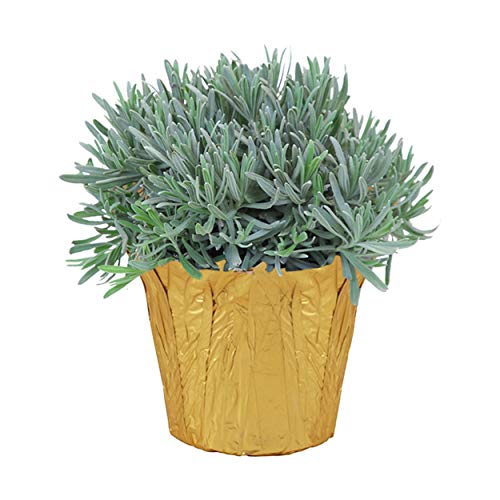
I choose the Live Lavender Herb in Deco Pot when I want a natural, no-fuss sleep aid that works through proven aromatherapy. Its silver-green foliage and summer purple blooms add quiet beauty, while the scent gently supports relaxation by easing heart rate and breathing. I keep it in a sunny spot-six hours of light daily-with well-drained soil, and it thrives with little water once established. Grown exclusively for Deep Roots and The Three Company, this 14-inch plant comes fresh in a 1.25-quart pot, ready to enhance your bedroom’s calm.
Best For: Individuals seeking a natural, low-maintenance way to promote relaxation and improve sleep through aromatic, sun-loving houseplants.
Pros:
- Supports relaxation and better sleep with natural lavender aroma shown to calm heart rate and breathing
- Adds aesthetic charm with striking silver-green foliage and vibrant purple summer blooms
- Drought-tolerant and easy to care for once established, ideal for sunny indoor spaces
Cons:
- Requires at least six hours of direct sunlight daily, limiting placement options
- Not suited for humid or poorly drained environments, which can harm plant health
- Takes time to establish before reaching full aromatic and visual potential
Lavender Herb (6-Pack, 1-Pint Pot)

Lavender Herb (6-Pack, 1-Pint Pot) stands out as a practical choice for anyone seeking natural support for relaxation and more restful sleep. I’ve found its calming scent helps ease stress, possibly improving sleep quality by supporting the parasympathetic nervous system. Each pot is 6 inches tall, lightweight, and ready to grow in well-draining soil with full sun. These drought-tolerant plants thrive in zones 5–9 and can live indoors or outside. The six-pack lets me spread plants through my bedroom or garden, expanding over time. Grown by ThreeCo and shipped fresh, they come with a warranty through customer service, making them a low-risk trial for better sleep.
Best For: Individuals seeking a natural, low-maintenance herb to support relaxation, reduce stress, and promote better sleep both indoors and outdoors.
Pros:
- Promotes relaxation and improved sleep by influencing the parasympathetic nervous system through its calming aroma
- Easy to grow and drought-tolerant once established, thriving in full sun with well-draining soil across USDA zones 5–9
- Versatile six-pack allows for garden expansion or placement in multiple indoor and outdoor spaces
Cons:
- Requires specific well-draining soil and full sun conditions to thrive, which may limit container or indoor success without proper setup
- Young plants need time to establish and reach full size (up to 36 inches tall and 4 feet wide) before maximum benefits are realized
- Limited to hardiness zones 5–9, making it unsuitable for colder or tropical climates without indoor climate control
Lavender Herb (4 Pack) – Natural Sleep Enhancer

A small greenhouse-grown herb with silver-green leaves and soft purple blooms, this 4-pack of live lavender plants suits anyone seeking a natural, low-maintenance sleep aid rooted in both science and tradition. I’ve found these plants thrive in full sun and well-draining soil, requiring little water once established-ideal for indoor bedroom spaces. Their soothing scent, released with a light touch, may help slow heart rate and ease stress. Hardy in zones 5a–9a, each plant grows up to 24 inches tall. I recommend placing them on a sunny windowsill; their aroma could support deeper sleep without chemicals or side effects.
Best For: Individuals seeking a natural, low-maintenance sleep aid through aromatic, live lavender plants that promote relaxation and restful sleep.
Pros:
- Naturally enhances sleep and reduces stress with its soothing aroma
- Low water needs and drought-tolerant once established
- Suitable for both indoor and outdoor growing in sunny locations
Cons:
- Requires full sun and well-draining soil, limiting placement options
- Not suitable for growing in cold climates outside USDA zones 5a–9a
- Minimal immediate effect; benefits require consistent exposure to scent
Night Blooming Jasmine Live Plant (4 Cups)
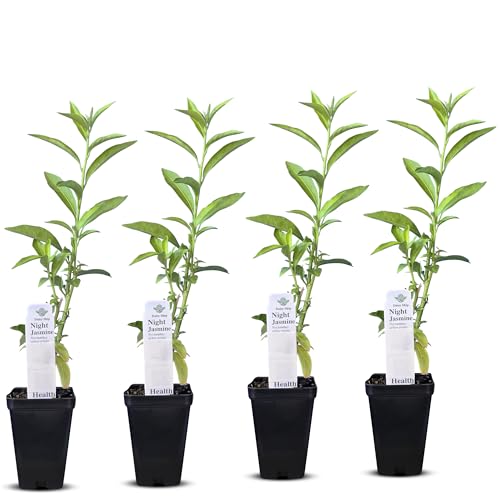
Who wouldn’t want to wind down in a bedroom that smells like a tropical garden under moonlight? I’ve found the Night Blooming Jasmine (4 Cups) delivers just that, with delicate white-green flowers releasing a rich, sweet scent after dark. It thrives near sunny windows indoors or on patios in zones 9–11, growing fast with little upkeep. The fragrance attracts moths and beneficial insects, subtly supporting nighttime biodiversity. Shipped in breathable biodegradable cups, it needs light right away upon arrival. Care instructions help prevent stress, and support’s available if issues arise. It’s not overpowering-just a gentle, natural touch that might ease your bedtime routine.
Best For: Nighttime garden enthusiasts and indoor plant lovers seeking a fragrant, low-maintenance tropical accent that thrives in warm climates or sunny indoor spaces.
Pros:
- Emits a rich, sweet fragrance after sunset, perfect for moon gardens and evening relaxation
- Attracts moths and beneficial nighttime pollinators, enhancing garden biodiversity
- Shipped in eco-friendly biodegradable containers with clear care instructions and ongoing support
Cons:
- Limited to USDA Zones 9–11 for outdoor growth, restricting cold climate users
- Requires immediate exposure to sunlight upon delivery to prevent stress
- Fragrance may attract unwanted insects in some outdoor settings
Valerian Seeds for Planting (2 Packs)

You might consider valerian if you’re exploring natural ways to support better sleep, especially when stress or mild anxiety makes it hard to wind down at night. I’ve grown it from these two non-GMO seed packs, and it’s low-maintenance once established. It thrives in full sun to partial shade with well-drained soil. I waited until the fall of the second year to harvest the roots, which boosts their sedative potency. The seeds arrived in sturdy, moisture-resistant packaging, stored to preserve freshness, and germinated quickly when I followed the included instructions. Each packet has enough seeds to share or save, and they’re sourced directly from growers for reliable sprouting.
Best For: Individuals seeking a natural remedy for mild anxiety or sleep issues who want to grow their own valerian for its calming, sedative root properties.
Pros:
- Non-GMO, high-quality seeds with quick germination and reliable sprouting when stored and sown properly
- Low-maintenance plant that thrives in full sun to partial shade with minimal care once established
- Generous seed quantities allow for sharing or saving for future growing seasons
Cons:
- Requires at least two years before roots can be harvested for full medicinal potency
- Sedative effects may be too mild for individuals with moderate to severe anxiety or insomnia
- Must be grown in well-drained soil; susceptible to root rot in overly moist conditions
Tiffany Stained Glass Cat Planter
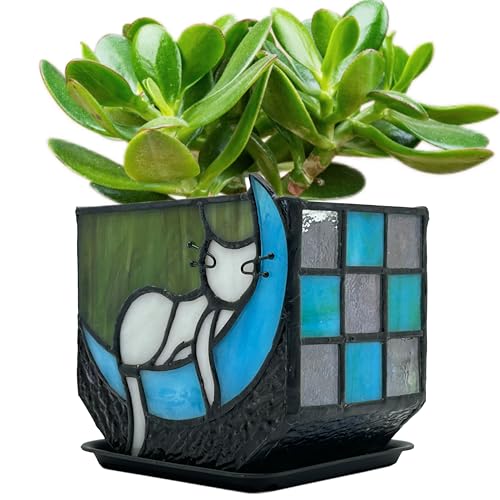
If I’m choosing a planter that blends soothing design with practical function for a restful bedroom space, the Tiffany Stained Glass Cat Planter stands out-especially for cat lovers or those who appreciate artisanal, decorative touches in their sleep environment. I see it’s made from real stained glass, hand-cut and framed in corrosion-resistant copper, with a soft grey-blue cat pattern and Art Deco flair. At 4.6 by 3 inches, it fits small succulents or cacti, has a drainage hole and tray, and works on nightstands or windowsills. It’s not just a pot-it can hold brushes or candles, too. I note Entlityful rates it 4.6 stars from 265 reviews, and it’s lightweight at under 11 ounces.
Best For: Cat lovers and decor enthusiasts seeking a whimsical, artisanal planter that doubles as functional bedroom or tabletop decor.
Pros:
- Handcrafted Tiffany-style stained glass with durable copper framing and attractive Art Deco design
- Multi-functional use as a planter, candle holder, pen stand, or decorative accent with included drainage tray
- Compact, lightweight design ideal for small spaces, with strong customer ratings (4.6 stars from 265 reviews)
Cons:
- Limited to small plants due to small size (4.6D x 3W x 5.15H inches)
- Stained glass material may be fragile and less suitable for high-traffic or outdoor areas with harsh weather
- Decorative focus may not appeal to those preferring minimalist or utilitarian planters
Night Blooming Jasmine Live Plant (2″ Pot)
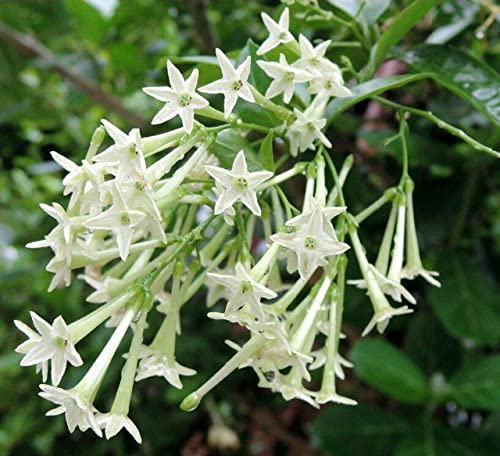
Though it blooms only at night, the Night Blooming Jasmine in a 2″ pot brings a quiet strength to any bedroom seeking natural support for better sleep. I thrive in bright, indirect light and need well-drained, fertile soil, so I recommend placing me near a window with filtered sun. I require frequent watering at first-several times per week-but once established, weekly watering keeps me healthy. During winter, I need even less water but still appreciate consistent moisture for those fragrant, white tubular blooms. My scent calms the mind, but I’m sensitive to temperature swings, so keep me away from drafts and intense heat. Feed me in early spring, and I’ll support your rest naturally.
Best For: Nighttime gardeners and wellness enthusiasts seeking a fragrant, low-maintenance indoor plant to promote relaxation and better sleep.
Pros:
- Produces highly fragrant, elegant white blooms at night that naturally calm the mind
- Thrives in a variety of light conditions, from full sun to part shade, ideal for indoor settings
- Low-maintenance once established, suitable for both beginner and experienced plant owners
Cons:
- Requires frequent watering during the initial growth phase, which may be demanding for some
- Sensitive to temperature extremes and drafts, needing careful placement indoors
- Needs protection from intense sunlight in hot climates to prevent stress and damage
Night Blooming Jasmine Live Plant

What makes the Night Blooming Jasmine Live Plant a potential fit for better sleep? I’ve found its evening fragrance may help ease stress, which could support relaxation before bed. This climbing vine, from TANKDA, stands 5 to 9 inches tall and releases sweetly scented flowers at night, especially when placed in full sun and well-draining soil. It works indoors or outdoors, thriving in USDA zones 7–10. You’ll need to water it regularly, but it doesn’t come with a pot, so plan for separate drainage. While customer reviews average 3.4 stars, its scent has potential as a natural sleep aid-though results vary.
Best For: Individuals seeking a fragrant, low-maintenance plant to potentially enhance evening relaxation and improve sleep quality through natural aromatherapy.
Pros:
- Releases a soothing fragrance at night that may promote relaxation and stress relief
- Suitable for both indoor and outdoor use, offering flexible placement options
- Thrives in full sun with well-draining soil, ideal for gardeners in USDA zones 7–10
Cons:
- Sold without a pot, requiring a separate purchase for proper planting and drainage
- Requires regular watering, which may demand consistent maintenance
- Mixed customer reviews with an average rating of 3.4 stars, indicating variable results
Night Blooming Jasmine Live Plants (3-Pack)

I’ve found the Night Blooming Jasmine Live Plants (3-Pack) from Florida Foliage work best for people seeking a subtle, natural sleep aid through fragrance, especially those with outdoor space like patios or balconies where the evening aroma can be fully appreciated. These Cestrum nocturnum plants bloom year-round, opening their white flowers at dusk to release a sweet, soothing scent that lasts through the night. I keep mine in containers, which makes them easy to place where nighttime breezes carry the fragrance. They thrive in full sun but tolerate some shade, and they’re low-maintenance once settled. Grown outdoors, they enhance relaxation without cluttering indoor air. The plants ship in eco-friendly packaging from Florida Foliage, arrive well-protected, and come with a warranty. With a 3.6-star average from 42 reviews, they’re a practical choice for gardeners at any level looking to improve nighttime calm through sensory gardening.
Best For: People seeking a low-maintenance, fragrant outdoor plant that naturally promotes relaxation and better sleep with its nighttime-blooming flowers.
Pros:
- Releases a rich, sweet fragrance from dusk to dawn, enhancing nighttime ambiance and promoting a calming atmosphere
- Year-round blooming with minimal care required, suitable for both beginner and experienced gardeners
- Eco-friendly packaging and reliable shipping with warranty protection ensure plant arrives healthy and sustainably delivered
Cons:
- Aroma can be overly strong or invasive for some, especially in small outdoor spaces or sensitive individuals
- Requires outdoor space with access to full sun for optimal blooming and fragrance production
- Mixed customer reviews (3.6 stars) suggest inconsistent plant quality or growth performance upon arrival
Factors to Consider When Choosing Sleep Enhancing Bedroom Plants
You’ll want to check the light your bedroom gets before picking a plant, since some sleep-friendly options need bright windows while others thrive in dim corners. Think about how often you’re home to water-plants like snake or peace lilies are low-maintenance, while others need more consistent moisture to stay healthy. Also, consider if a plant’s scent or pollen could affect your breathing, especially if you have sensitivities or asthma, since a calming fragrance shouldn’t come at the cost of your nighttime air quality.
Light Requirements
While some sleep-enhancing plants can adapt to lower light, most perform best with ample sunlight, so you’ll want to assess your bedroom’s natural light before choosing. Plants like lavender need at least 6 hours of full sun daily to thrive and produce the fragrant blooms linked to better sleep. Night-blooming varieties also rely on strong daytime light to fuel their evening scent release, which aids relaxation. Without enough light, plants may grow leggy, produce fewer flowers, and emit less aroma, reducing their sleep-supporting benefits. Succulents that double as sleep aids still require 4–6 hours of direct sunlight to stay compact and healthy. Poor lighting weakens photosynthesis, limiting essential oil production that helps ease stress. You’ll get the best results by matching each plant’s needs to your room’s exposure. Position light-loving varieties near south or west windows, and monitor growth closely to guarantee they’re performing as intended.
Soil Conditions
Well-draining soil is key for keeping sleep-enhancing plants like lavender and other aromatic herbs healthy and effective. You’ll want to use a mix with sand or perlite to prevent water from pooling around roots, which can lead to rot and weaken the plant’s fragrance. Most of these herbs thrive in dry to moderately moist conditions, much like the rocky, arid environments they’re adapted to. Avoid overly rich or water-retentive soils-they can dilute the aromatic oils that help ease stress and support better sleep. For best results, aim for a neutral to slightly alkaline pH between 6.5 and 7.5, which boosts essential oil production. Getting the soil right doesn’t guarantee perfect sleep, but it helps your plants perform at their best, giving you the full benefit of their calming scents night after night.
Watering Needs
Choosing the right sleep-enhancing bedroom plants means paying close attention to how often they need water, just as much as the soil they grow in. You’ll want plants that thrive with minimal watering, like succulents or lavender, since they resist overwatering and help maintain balanced humidity. Water these every one to two weeks, letting the soil dry completely between sessions. Overwatering not only risks root rot but can also raise indoor moisture, encouraging mold that may worsen sleep or breathing issues. Night-blooming varieties need consistent moisture in warm months but much less in winter dormancy. Always use well-draining soil so excess water escapes quickly, protecting roots and reducing fungal risks. By matching your plant’s needs to your routine, you avoid stress, support healthier growth, and maintain a clean, rest-friendly space-making your bedroom a more reliable haven for better sleep.
Fragrance Strength
What makes a plant’s scent effective for better sleep? You need one that releases fragrance in the evening or at night, matching your bedtime routine. Plants with concentrated essential oils in their flowers or leaves often emit stronger, more consistent scents that last through the night. This prolonged exposure to calming compounds like linalool and linalyl acetate can help ease stress and support steady breathing. But you should balance intensity-too strong a smell might overwhelm you, especially if you’re sensitive. Aim for a plant that offers a steady, gentle release of aroma without being overpowering. Continuous, mild fragrance tends to work best for maintaining a relaxed state. Test the scent strength in your space to see how your body responds. Some trial is normal; what soothes one person may distract another.
Allergen Levels
While some plants promote better sleep through calming scents, you’ll want to take into account allergen levels-especially if you have sensitivities or respiratory conditions. Fragrant plants like lavender or jasmine release essential oils and pollen that can irritate your airways, even if they help you relax. Night-blooming varieties often emit more pollen and volatile compounds after dark, increasing your exposure while you sleep. If you’re prone to allergies, these airborne allergens might worsen symptoms or disrupt breathing. To reduce risk, choose low-pollen or non-flowering plants, like snake plants or spider plants, which clean the air without triggering reactions. Keep any plant a few feet from your bed and guarantee your room is well-ventilated. This helps dilute allergen concentration. You can still enjoy nature’s sleep benefits-just pick species that support rest without compromising air quality. Testing one plant at a time helps identify any hidden sensitivities.
Growth Size
You’ve already considered how allergen levels might affect your sleep environment, especially if you’re sensitive to airborne particles. Now, think about growth size-some plants spread up to 4 feet wide, so you’ll need space away from furniture or walls. Taller varieties can reach over 3 feet, which might limit placement on nightstands or shelves near your bed. If you pick a fast-growing plant, you’ll likely prune or repot it often to keep it from overwhelming a small room. Look for compact, indoor-suited plants that stay manageable in size. Pay attention to whether a plant grows wider or taller-horizontal spread needs floor space, while vertical growth needs ceiling clearance. Matching the plant’s mature shape and size to your room helps maintain balance and comfort. This way, your bedroom stays restful and clutter-free, supporting better sleep over time.
Care Difficulty
A low-maintenance plant can make a real difference in your bedroom, especially when you’re focused on improving sleep without adding daily chores. Choose drought-tolerant plants that need little watering once established, so you won’t stress over weekly routines. Pick species that thrive in indirect sunlight-they handle low light well, meaning no need to move them around or buy grow lights. Look for varieties that grow in well-draining soil and tolerate average bedroom humidity, cutting risks of root rot or pests. Resilient, fast-growing types adapt easily to indoor air and temperature shifts, needing less fuss to stay healthy. Go for plants that don’t need regular fertilizing, which reduces mess and long-term upkeep. These features make care simple and sustainable, so your focus stays on rest, not plant care. A little planning now saves time and supports calmer nights later.
Frequently Asked Questions
Can These Plants Be Kept in Bathrooms?
Yes, you can keep these plants in bathrooms if the space offers enough indirect light and humidity control. Most sleep-enhancing plants prefer consistent moisture and moderate temperatures, conditions many bathrooms naturally provide. However, guarantee airflow is adequate to prevent mold and root rot. Plants like peace lilies and snake plants adapt well, but avoid placing sensitive varieties in overly dim or damp areas. Monitor for mildew, and trim regularly to maintain health and performance.
Are They Safe for Pets?
they aren’t all safe for pets, so you’ve got to check each plant’s toxicity. spider plants are non-toxic and thrive in indirect light, making them a smart pick. snake plants, while great for air quality, can harm cats and dogs if chewed. peace lilies are toxic and best avoided. always research pet-safe options, place plants out of reach, or use barriers. your pet’s safety matters just as much as your sleep quality, so verify before buying.
Do They Need Direct Sunlight?
No, they don’t need direct sunlight-you can place them in bright, indirect light near a window. Too much direct sun burns their leaves, while too little light slows growth. Most thrive in medium to low light, making bedrooms ideal. Rotate them weekly for even growth. If natural light is limited, use a soft LED grow light for 6–8 hours daily. Always check soil moisture, as light levels affect watering needs. Try different spots to see what works best over a few weeks.
How Often Should I Water Them?
You should water them every 7 to 10 days, depending on humidity and room temperature. These plants prefer slightly moist soil but don’t handle standing water well, so let the top inch dry between watering. Overwatering risks root rot, while underwatering causes drooping. Use pots with drainage holes and check soil weekly. They thrive in indirect light, so place them near a window but not in direct sun.
Can I Grow Them Indoors Year-Round?
Yes, you can grow them indoors year-round if you meet their basic needs. You’ll need consistent light, proper watering, and decent air circulation. Most thrive in stable temperatures between 65–75°F. Overwatering risks root rot, so let soil dry slightly between sessions. They don’t demand high humidity, but occasional misting helps. With minimal care and a well-lit spot, they perform reliably. No warranty, but they’re hardy-trial them a few weeks to assess progress.