Best Sleep Aids That Help You Drift Off Faster (And Stay Asleep)
You fall asleep faster with diphenhydramine or doxylamine, which start working in 20–30 minutes and help you stay asleep. Melatonin, magnesium, and GABA support natural sleep cycles without next-day grogginess for some. Liquids and softgels act quickly, while capsules and tablets offer steady release. Gummies are convenient but may delay results. Choose non-habit-forming options for short-term use, and consider dietary needs like vegan or gluten-free. You’ll find how each option balances speed, duration, and ingredients with your routine.
We are supported by our audience. When you purchase through links on our site, we may earn an affiliate commission, at no extra cost for you. Learn more. Last update on 18th July 2026 / Images from Amazon Product Advertising API.
Notable Insights
- Diphenhydramine HCl helps users fall asleep in 20–30 minutes and supports staying asleep with fast-acting effectiveness.
- Doxylamine succinate provides longer-lasting sleep support, taking effect within 30 minutes and reducing nighttime wake-ups.
- Melatonin supplements, like those in ZzzQuil and OLLY, regulate sleep-wake cycles for faster sleep onset, especially at night.
- Liquid sleep aids deliver diphenhydramine in about 20 minutes, offering quicker absorption than tablets for faster results.
- Blends with magnesium, GABA, and herbal extracts in products like Relaxium promote relaxation and improve sleep maintenance without dependency.
HealthA2Z Sleep Aid 50mg Softgels (250)

If you’re looking for a reliable option to manage occasional sleeplessness without a prescription, HealthA2Z Sleep Aid 50mg Softgels could be a solid choice. Each softgel contains 50 mg of diphenhydramine HCl, a proven ingredient that helps you fall asleep faster and stay asleep longer. I take one at bedtime as needed, and the liquid-filled softgels go down easily, absorbing quickly. They’re suitable for anyone 12 and up, which makes them flexible for family use. With 250 softgels per bottle, I’ve got a long-term supply that’s convenient and cost-effective. It’s not for chronic insomnia, but for occasional restlessness, it supports a more natural, restful night.
Best For: Individuals seeking an occasional, non-prescription sleep aid to help fall asleep faster and stay asleep longer.
Pros:
- Contains 50 mg of diphenhydramine HCl, a trusted ingredient for temporary relief of sleeplessness
- Liquid-filled softgels allow for easy swallowing and rapid absorption
- Provides a long-lasting supply with 250 softgels per bottle, ideal for regular use
Cons:
- Not suitable for treating chronic insomnia or underlying sleep disorders
- Diphenhydramine may cause grogginess or drowsiness the following day
- Not recommended for children under 12 without medical advice
Relaxium Sleep Aid 5mg Melatonin (60 Caps)

Relaxium Sleep Aid 5mg Melatonin (60 Caps) stands out as a strong option for anyone struggling to fall or stay asleep, especially if you’re looking for a formula backed by both clinical research and medical expertise. I appreciate that it combines melatonin with magnesium glycinate, GABA, and calming herbs like passionflower and chamomile to support both mind and body. The included Valerest blend helps speed up sleep onset without causing dependency, which matters if you want something safe for regular use. I also like that it’s non-habit forming and comes in easy-to-swallow capsules. Since it’s designed by a neurologist and offers a 30-day refund, it’s a low-risk option worth trying, especially if grogginess or interrupted sleep is a concern for you.
Best For: Individuals struggling with falling asleep, staying asleep, or experiencing grogginess, who want a scientifically backed, non-habit forming sleep aid designed by a neurologist.
Pros:
- Combines melatonin with magnesium glycinate, GABA, and calming herbs to support both mental and physical relaxation
- Features the proprietary Valerest blend for faster sleep onset without dependency
- Non-habit forming and comes with a 30-day money-back guarantee
Cons:
- Contains 5mg of melatonin, which may be higher than needed for some individuals
- Results may vary, especially for those with underlying medical sleep conditions
- Should be used cautiously with prescription medications; consultation with a healthcare provider recommended
Amazon Basic Care Nighttime Sleep Aid (96 Count)
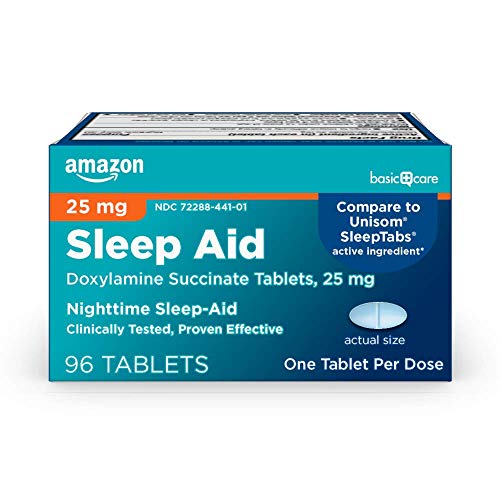
Doxylamine succinate 25 mg gives Amazon Basic Care Nighttime Sleep Aid its edge, making it a solid pick for adults and teens 12 and up who struggle to fall asleep. I rely on one tablet per dose-it’s proven effective and works quickly, typically within 30 minutes. Unlike some sleep aids, it contains no pain reliever, so it’s ideal if you just need help dozing off. The gluten-free formula is clinically tested and doesn’t skimp on quality, offering 96 tablets per bottle for long-term use. I appreciate that it’s comparable to Unisom SleepTabs but often costs less. Just be sure to use it only at bedtime, as drowsiness can last into the next day.
Best For: Adults and teens 12 and up who need help falling asleep without a pain reliever in their sleep aid.
Pros:
- Contains 25 mg doxylamine succinate, clinically tested and proven effective for sleep onset
- Gluten-free, contains no pain reliever, ideal for those seeking a simple nighttime sleep aid
- Cost-effective alternative to brands like Unisom SleepTabs with 96 tablets per bottle
Cons:
- May cause next-day drowsiness, limiting suitability for some users
- Not recommended for children under 12
- Contains an antihistamine that may lose effectiveness with regular use
Unisom SleepTabs, Nighttime Sleep-aid, Doxylamine Succinate, 80 Tablets

I trust Unisom SleepTabs when I need help falling asleep without the risk of forming a habit, especially since they’re backed by pharmacists and contain doxylamine succinate, a formula proven to get users to sleep 33% faster than without it. Each bottle holds 80 tablets, giving me plenty of doses to manage occasional sleepless nights. They’re non-habit forming when used as directed and help me stay asleep longer, with minimal grogginess the next day. Unisom’s recommended by pharmacists, according to a 2019 Pharmacy Times survey, and fits into a larger line of trusted sleep solutions.
Best For: Individuals seeking a non-habit forming, pharmacist-recommended sleep aid to fall asleep 33% faster and stay asleep longer with minimal next-day grogginess.
Pros:
- Clinically proven to help users fall asleep 33% faster and stay asleep compared to placebo
- Non-habit forming when used as directed, with minimal grogginess or lingering side effects
- Part of a trusted, pharmacist-recommended brand with a range of sleep solutions backed by consumer use and the 2019 Pharmacy Times Survey
Cons:
- May cause drowsiness that can persist into the next day, especially if not taken with at least 6–8 hours of sleep time
- Contains doxylamine succinate, which may not be suitable for individuals with certain medical conditions or those taking specific medications
- Limited to short-term use; not intended for chronic insomnia without consulting a healthcare provider
ZzzQuil Sleep Aid Liquid Warming Berry (50mg, 12 FL OZ x2)

If you’re looking for a fast-acting sleep aid that skips the pill and delivers a soothing experience, ZzzQuil Nighttime Sleep Aid Liquid in Warming Berry might be your best match. I take 50 mg of diphenhydramine HCl per dose, a proven ingredient that helps me fall asleep in as little as 20 minutes. The liquid form works quickly, and the Warming Berry flavor makes it easy to take nightly. I’m non-habit forming, so I can use me occasionally without dependency concerns. Trusted by Vicks, I’m part of the #1 sleep aid brand and great for travel or time zone adjustments.
Best For: Adults seeking a fast-acting, non-habit forming liquid sleep aid to help with occasional sleeplessness.
Pros:
- Fast-acting formula helps users fall asleep in as little as 20 minutes
- Pleasant Warming Berry flavor makes nightly use enjoyable
- Convenient liquid form, easy to take and ideal for travel or time zone changes
Cons:
- May cause morning grogginess or drowsiness due to diphenhydramine
- Not suitable for long-term use or chronic insomnia
- May interact with other medications or medical conditions; consult doctor before use
Kirkland Signature Sleep Aid, 192 Tablets

With 192 tablets per bottle, Kirkland Signature Sleep Aid offers a long-lasting solution for adults and teens 12 and older who struggle to fall asleep, especially when stress or screen time interferes with rest. Each tablet contains 25 mg of doxylamine succinate, a non-habit-forming antihistamine that helps you drift off faster. I find it easy to swallow and simple to take as needed, though it’s best used short-term. While it won’t fix long-term sleep issues, it can help when occasional sleeplessness strikes. Just remember, drowsiness may last into the next day, so plan accordingly.
Best For: Adults and teens 12 and older experiencing occasional sleeplessness due to stress, screen time, or lifestyle factors.
Pros:
- Contains 25 mg of doxylamine succinate, a non-habit-forming antihistamine that helps users fall asleep faster
- Long-lasting supply with 192 tablets per bottle, offering cost-effective relief for occasional sleep issues
- Easy-to-swallow tablets designed for convenient, as-needed use
Cons:
- May cause next-day drowsiness, affecting alertness and daily activities
- Intended for short-term use only and not suitable for chronic or long-term sleep disorders
- Not recommended for children under 12 and may interact with other medications or health conditions
ZzzQuil ULTRA Sleep Aid 25mg (48 Tablets)

ZzzQuil ULTRA Sleep Aid 25mg (48 Tablets) works best for adults needing reliable, fast-acting support for occasional sleeplessness without the risk of dependency. I take one tablet before bed, and it helps me fall asleep faster by blocking histamine receptors in the brain. It’s clinically proven to cut nighttime wake-ups and boost total sleep by about 27%. The 25mg of doxylamine succinate works through the night for restful, uninterrupted rest. This non-habit-forming formula is made by Vicks, a trusted name in nighttime wellness and the world’s top sleep aid brand. I use it only when needed, not daily, to avoid tolerance.
Best For: Adults seeking a fast-acting, non-habit-forming sleep aid for occasional sleeplessness.
Pros:
- Clinically proven to help users fall asleep faster and increase total sleep duration by an average of 27%
- Contains 25mg doxylamine succinate to block histamine receptors, promoting restful, uninterrupted sleep
- Made by Vicks, the world’s #1 sleep aid brand, and formulated to be non-habit-forming for occasional use
Cons:
- May cause next-day drowsiness in some users due to sedative effects
- Not intended for long-term or daily use to avoid reduced effectiveness
- Contains an antihistamine that may not be suitable for individuals with certain medical conditions or those taking other medications
Amazon Basic Care Night Time Sleep Aid Liquid
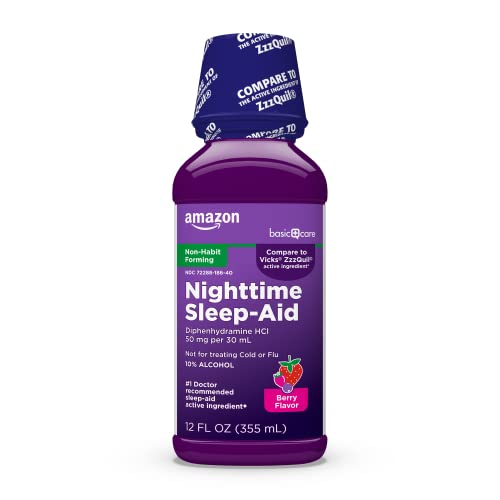
I find Amazon Basic Care Night Time Sleep Aid Liquid works best for adults and teens 12 years and up who struggle with occasional sleeplessness and prefer a liquid over pills. It contains 50 mg diphenhydramine HCl per 30 mL, the doctor-recommended ingredient for sleep support, and matches the active in Vicks ZzzQuil. The mixed berry flavor tastes smooth, and since it’s gluten-free and comes with a dosing cup, measuring is simple and accurate. Each 12 fl oz bottle delivers multiple uses, though it contains 10% alcohol, so I consider that if avoiding alcohol. I’ve found it helps users fall asleep faster, but it’s not for cold or flu symptoms. Packaging may vary, but the formula stays consistent.
Best For: Adults and teens 12 years and up who need help falling asleep occasionally and prefer a liquid sleep aid over pills.
Pros:
- Contains 50 mg diphenhydramine HCl per 30 mL, the doctor-recommended active ingredient for sleep
- Liquid form with a dosing cup for easy, accurate measurement and pill-free use
- Mixed berry flavor and gluten-free formula suit a variety of preferences
Cons:
- Contains 10% alcohol, which may be a concern for those avoiding alcohol
- Not suitable for treating cold or flu symptoms despite similar ingredients to some cold products
- Packaging may vary, which could cause confusion despite consistent formula
Sports Research Sleep Complex Vegan Capsules

If you’re looking for a melatonin-free option that still supports deep, restful sleep without next-day grogginess, Sports Research Sleep Complex Vegan Capsules could be your best fit. I appreciate the 5-in-1 blend-three forms of magnesium, valerian root, 200 mg L-theanine, 125 mg GABA, and 100 mg 5-HTP-because it targets relaxation for your mind, body, and nervous system. It helps shorten how long it takes to fall asleep and supports more restorative rest. The capsules are vegan, Non-GMO, and free of gluten, soy, and fillers. They’re made in the USA in a cGMP facility and third-party tested, so I trust what I’m taking.
Best For: Individuals seeking a melatonin-free, vegan sleep aid that promotes relaxation and high-quality sleep without next-day drowsiness.
Pros:
- Features a scientifically backed 5-in-1 blend with magnesium, L-theanine, GABA, valerian root, and 5-HTP to support faster sleep onset and deeper rest
- Free of melatonin, fillers, gluten, soy, and GMOs, making it suitable for those avoiding common allergens or additives
- Third-party tested and manufactured in a cGMP-compliant facility in the USA, ensuring quality and purity
Cons:
- May take time to feel effects, as it lacks melatonin for immediate sleep induction
- Contains 5-HTP, which some individuals may be sensitive to or prefer to avoid due to limited long-term safety data
- Higher price point compared to basic melatonin-based sleep supplements
OLLY Max Strength Sleep Gummies (70 Count)

For those looking to support both mental and physical relaxation before bed, OLLY Max Strength Sleep Gummies offer a vegan, sugar-free option designed for adults struggling to fall or stay asleep. I take two gummies 30 minutes before bedtime-they’re tasty, with a strawberry burst and no artificial flavors. Each dose delivers 10mg of melatonin to help regulate sleep, plus L-theanine and herbal extracts like chamomile and lemon balm for calm. They’re drug-free, gluten-free, and chewable, making them easy to use. While not FDA-evaluated, they suit those seeking a convenient, gummy-based sleep aid with clean ingredients and a proven brand backing.
Best For: Adults seeking a vegan, sugar-free gummy supplement to support falling and staying asleep with a blend of melatonin, L-theanine, and herbal extracts.
Pros:
- Contains 10mg of melatonin per serving to help regulate the sleep cycle
- Includes natural ingredients like chamomile, lemon balm, and L-theanine for mental and physical relaxation
- Tasty strawberry flavor with no artificial colors, synthetic flavors, or sugar
Cons:
- High melatonin dosage may not be suitable for everyone, especially melatonin-sensitive individuals
- Not FDA evaluated, so not intended to treat or cure sleep disorders
- Effectiveness may vary based on individual sleep issues and tolerance
Factors to Consider When Choosing a Sleep Aid
You’ll want to check the active ingredients in any sleep aid, since things like melatonin, diphenhydramine, or valerian root work differently and suit different sleep issues. Think about dosage and timing, as taking too much or at the wrong time can reduce effectiveness or lead to grogginess. Also, consider safety, side effects, whether it’s habit-forming, and which formulation-like gummies, pills, or liquids-fits your routine best.
Active Ingredients Explained
When choosing a sleep aid, the active ingredient makes all the difference in how well it works and how you feel the next day. Diphenhydramine HCl, a common antihistamine, crosses into your brain quickly and blocks histamine, helping you doze off in 20 to 30 minutes. Doxylamine succinate is similar but lasts longer, supporting deeper, more continuous sleep. If you follow a natural rhythm, melatonin may help-just 0.3 mg can signal bedtime to your body, though many supplements offer higher doses. Magnesium glycinate calms your nervous system by working with GABA receptors, possibly improving sleep quality over time. GABA itself, when taken as a supplement, may reduce brain activity that keeps you awake, aiding both falling and staying asleep. Each ingredient works differently, so your pick should match your sleep pattern and how your body responds.
Dosage And Timing
While matching the right sleep aid to your routine, getting the dosage and timing right plays a key role in how well it works. Stick to the recommended dose-taking more won’t help you sleep better and could cause unwanted effects. Most sleep aids work best when taken 30 to 60 minutes before bed, giving your body time to absorb the medication. If you’re using a fast-acting form like liquids or dissolving tablets, take them about 20 minutes before sleep since they kick in faster. Extended-release versions slowly release medicine through the night, so take them just before bedtime to stay asleep longer. For over-the-counter options, limit use to occasional nights-using them more than two weeks in a row might reduce results or lead to dependence. Timing and dose matter most for consistent, helpful results.
Safety And Side Effects
Though some sleep aids work quickly and effectively, it’s important to take into account how their ingredients impact your body the next day. You may experience drowsiness, dry mouth, dizziness, or a headache, especially with antihistamines like diphenhydramine HCl or doxylamine succinate. These ingredients typically start working within 20 to 30 minutes but can linger, affecting alertness the next morning. If you choose a fast-acting liquid form, be careful with dosing-measuring too much raises the risk of side effects. Sleep aids with melatonin can shift your circadian rhythm but might leave you groggy if you take more than recommended. While these options are non-habit forming and meant for occasional use, using them as directed helps keep side effects minimal. Always weigh how you’ll feel the next day when picking a formula.
Habit-Forming Potential
Some sleep aids carry a low risk of physical dependence, especially those without sedative-hypnotic drugs or controlled substances. You’ll find that options with melatonin, magnesium, GABA, L-theanine, or herbal extracts typically don’t lead to addiction and support your natural sleep cycle. Antihistamines like doxylamine succinate or diphenhydramine HCl are also considered non-habit forming when used correctly for short-term sleep issues. Studies show these can boost sleep time by up to 27% over placebo without physical dependence. Still, even non-prescription aids may lose effectiveness if you take them daily over long periods. Psychological reliance can develop, so it’s best to use them occasionally. Choosing a product free from controlled substances reduces dependency risk and suits as-needed use. Always follow label directions and consider short-term use to stay safe and maintain results.
Formulation Types Compared
When choosing a sleep aid, the formulation type affects how quickly it works and how well your body absorbs it. Liquids usually deliver diphenhydramine HCl within 20 minutes, helping you fall asleep faster than tablets. Softgels offer better absorption thanks to their liquid fill, potentially boosting the effectiveness of antihistamines. Tablets provide a standard dose-like 25 mg doxylamine or 50 mg diphenhydramine-but take longer to kick in. Gummies often contain melatonin, L-theanine, or herbal extracts and are easy to take, though they may slow absorption due to their complex base. Capsules can combine fast-dissolving shells with targeted blends of magnesium, GABA, or plant extracts, supporting both sleep onset and duration. Each type has trade-offs in speed, consistency, and ingredient delivery, so consider your sleep pattern and needs when deciding.
Special Dietary Needs
Choosing the right formulation sets the stage for effective sleep support, but your dietary needs play an equally important role in selecting a safe and suitable option. If you’re sensitive to gluten, always choose products labeled gluten-free to prevent unwanted reactions. Vegans should check that pills or gummies don’t contain gelatin or other animal-based ingredients and are clearly marked as vegan. If you’re managing diabetes or cutting back on sugar, look for sugar-free versions to keep blood levels stable. Avoid any sleep aid with alcohol if you’re abstaining for health, religious, or personal reasons. For extra peace of mind-especially with severe allergies-opt for sleep aids that are third-party tested. These are verified free of contaminants and meet stricter purity standards. Checking labels carefully helps you align your sleep aid with your diet, so you can rest safely and effectively.
Brand Trust And Quality
A sleep aid’s brand reputation often reflects its commitment to quality and safety, so look for products backed by clinical research that show real results in helping people fall asleep faster or stay asleep longer. Choose brands that use scientifically formulated ingredients tested in trials, as they tend to deliver more reliable effects. You’ll want ones with third-party verification for purity and accurate labeling-this guarantees what’s on the bottle matches what’s inside. If staying off habit-forming meds matters to you, pick options with non-habit-forming claims supported by evidence. Labels that say gluten-free, non-GMO, or allergen-free often signal stricter quality standards, especially if you have sensitivities. Clear packaging showing exact dosages, active ingredients, and FDA disclaimers helps you make informed choices. These details don’t guarantee success, but they do boost transparency and trust-giving you better control when comparing your options.
Doctor Consultation Importance
While it might be tempting to pick up a sleep aid on your own, talking to a doctor first can help you avoid missing a deeper health issue that’s affecting your sleep. Your doctor can check for conditions like sleep apnea, anxiety, or hormonal imbalances that might be the real cause. They’ll review your health history, current meds, and any kidney or liver concerns, which helps prevent harmful interactions or side effects. Plus, they’ll guide you on the right type and dose-because what works for one person might not be safe for you. Even sleep aids labeled non-habit forming aren’t risk-free over time. A doctor might suggest alternatives like CBT-I or lifestyle changes, which often work better long-term. Getting expert advice guarantees safer, smarter choices when improving your sleep.
Frequently Asked Questions
Can Sleep Aids Cause Dependency if Used Long-Term?
Yes, you can develop dependency if you use certain sleep aids long-term, especially prescription or over-the-counter medications containing antihistamines or sedatives. Your body may start relying on them to initiate sleep, reducing their effectiveness over time. Natural supplements like melatonin carry lower risk but aren’t risk-free. You should limit use and consult a doctor, particularly if you notice diminishing results or trouble sleeping without them.
Are Natural Sleep Aids Safer Than Prescription Medications?
You might think natural sleep aids are safer, but they’re not always risk-free. While melatonin or valerian root typically cause fewer side effects than prescriptions, they’re less regulated and vary in strength. Prescription meds offer stronger, consistent results but carry higher risks like dependency. You should weigh how quickly you need relief against long-term safety. Trying both under a doctor’s guidance helps you compare effectiveness and side effects fairly.
Do Sleep Aids Interact With Common Allergy Medications?
yes, some sleep aids can interact with common allergy medications, especially those containing antihistamines. you might feel extra drowsy or experience slowed reaction times. combining these can also increase side effects like dry mouth or dizziness. always check labels and talk to your doctor or pharmacist before mixing them. they’ll help you weigh risks based on your health history and current meds, ensuring safer, more effective choices without unnecessary complications.
Can I Take Sleep Aids While Pregnant or Breastfeeding?
You shouldn’t take sleep aids while pregnant or breastfeeding without talking to your doctor first. Many ingredients pass into breast milk or affect fetal development. Doctors often recommend non-drug approaches-like sleep hygiene, consistent routines, or relaxation techniques-since they carry fewer risks. If you do need help, your provider might suggest a safe, short-term option based on clinical evidence. Always check with your healthcare provider before starting or continuing any supplement or medication.
Will Sleep Aids Affect My Morning Alertness the Next Day?
Yes, some sleep aids can reduce morning alertness, especially prescription medications like benzodiazepines or antihistamines such as diphenhydramine. You might feel groggy or less focused. Newer options like orexin receptor antagonists tend to wear off faster, leaving you more refreshed. Start with the lowest effective dose, and try taking it earlier at bedtime to reduce next-day effects. Check with your doctor if drowsiness persists.