Best Pillows for Front Sleepers Who Hate Waking Up Sore
You need a low-profile pillow to keep your neck aligned and reduce morning soreness. Models like the Bluewave Gel Memory Foam Pillow offer 2.75-inch height for neutral spine alignment, while contoured options like the Osteo Enjoy and Ultra Pain Relief pillows provide targeted neck support with cooling covers. Most use CertiPUR-US certified foam, have removable, washable covers, and include 100-night trials-helping you test comfort and support with minimal risk. Better alignment could be closer than you think.
We are supported by our audience. When you purchase through links on our site, we may earn an affiliate commission, at no extra cost for you. Learn more. Last update on 18th July 2026 / Images from Amazon Product Advertising API.
Notable Insights
- Low-profile pillows (2.75 inches or less) keep the spine neutral and reduce neck strain for front sleepers.
- Contoured cervical pillows with a lowered center support the head and prevent cervical hyperextension.
- Medium-firm memory foam provides balanced support without excessive sinking or pressure on shoulders.
- Cooling features like gel infusion, ventilation channels, and breathable covers prevent heat buildup during sleep.
- Dual-height designs and removable inserts allow customization for optimal comfort and alignment.
Bluewave Gel Memory Foam Pillow
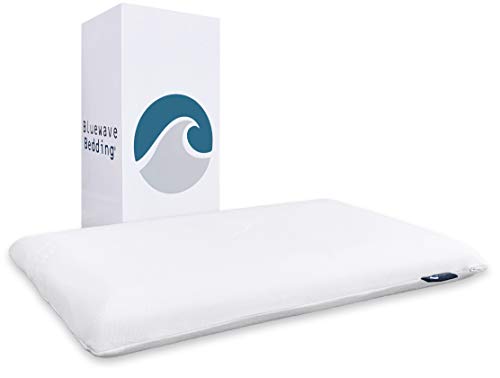
If you’re a front sleeper who struggles with neck strain or waking up with a stiff back, the Bluewave Gel Memory Foam Pillow might be the best choice for you. At 2.75 inches high, its low-profile design keeps your spine aligned and reduces strain. I love how the CertiPUR-US certified gel foam supports my head and neck without sinking too deeply. It’s firm enough to ease shoulder pressure but soft where it counts. Ventilation channels and gel infusion help pull heat away, so I don’t overheat. The removable cover washes easily, which I appreciate. With loft options from 1.75 to 4 inches, you can find your fit. The sealed box includes a quality sticker-opening it won’t block returns.
Best For: Stomach and back sleepers seeking a low-profile pillow for proper neck alignment and reduced strain.
Pros:
- Low-profile 2.75-inch height promotes optimal spinal alignment for stomach and back sleepers
- CertiPUR-US certified gel memory foam offers balanced support, pressure relief, and cooling
- Removable, machine-washable cover and multiple loft options enhance comfort and convenience
Cons:
- May be too thin for side sleepers needing higher loft for shoulder gap support
- Gel memory foam may retain some heat despite cooling features for hot sleepers
- Limited information on durability over extended use beyond initial comfort
Osteo Enjoy Cervical Neck Pillow

The Osteo Enjoy Cervical Neck Pillow stands out for front sleepers who need reliable neck support and pressure relief without sacrificing comfort. I’ve found its contoured design, shaped by ergonomic experts, keeps my neck aligned while offering a recessed center and ACR zone that support natural spine curvature. Made with 99% open-cell memory foam, it stays cool and firm, no matter the temperature, and the Q-max cooling cover helps reduce heat buildup. It’s CertiPUR-US certified, so I trust it’s safe and durable. At 3.29 pounds, it’s sturdy but not heavy, and with a 10-year warranty and 100-night trial, I feel confident in its long-term value.
Best For: Front sleepers seeking reliable cervical support, pressure relief, and temperature-neutral comfort in a durable, certified memory foam pillow.
Pros:
- Ergonomically designed with ACR zone and contoured shape to support natural spine alignment and reduce neck pain
- 99% open-cell memory foam retains firmness in all temperatures and promotes breathability for consistent comfort
- Includes Q-max cooling cover, CertiPUR-US and Oeko-Tex certifications, 10-year warranty, and 100-night sleep trial
Cons:
- May feel too firm for users preferring soft, plush pillow textures
- Queen size may not fit all standard pillowcases or sleep setups perfectly
- Higher price point compared to conventional fiber or down alternative pillows
Ultra Pain Relief Cooling Cervical Pillow

I need solid support under my neck without adding pressure to my shoulders, and the Ultra Pain Relief Cooling Cervical Pillow fits that need with its 15-degree contoured design that aligns my spine whether I’m sleeping on my front, side, or back. The hollow, angled surface follows my neck’s curve, while six support zones ease pressure on my shoulders and arms. I appreciate the cooling Q-Max pillowcase-it lowers skin temperature by about 5℃, and the 3D mesh fabric keeps air moving. The memory foam core breathes well, though it may need 48 hours to off-gas. I can adjust height by flipping the pillow or removing the insert. It works for all sleep positions and comes with a 100-night trial, so testing it risk-free makes sense if I’m still chasing better rest.
Best For: Individuals seeking ergonomic neck support with cooling technology to relieve pain and improve spinal alignment during sleep, regardless of sleep position.
Pros:
- Ergonomically designed with a 15-degree contoured surface and six support zones to align the spine and reduce pressure on the neck, shoulders, and arms
- Features advanced cooling with a Q-Max 0.4 Arc-Chill pillowcase and breathable 3D mesh fabric that lowers skin temperature by up to 5℃
- Offers customizable height adjustment and a 100-night risk-free trial for personalized comfort and guaranteed satisfaction
Cons:
- Memory foam may emit a slight odor requiring 48 hours of airing out before optimal use
- Slight variation in dimensions (up to 1 inch) due to manual measurement may affect exact fit expectations
- Cooling effect and ergonomic benefits may take time to adjust to, with individual results varying based on sleep habits and body type
Beckham Hotel Pillows Set of 2

You’ll find the Beckham Hotel Pillows Set of 2 works especially well if you’re a front sleeper seeking soft support that doesn’t sacrifice structure-these pillows deliver about 8 inches of lofty cushion with a plush, yielding feel. They’re filled with 1,050 grams of high-quality polyester down alternative, offering soft bounce-back support ideal for stomach, back, or side sleepers. The cotton cover, at 250 thread count, feels breathable and helps regulate temperature, reducing night sweats. I appreciate the no-shift construction, which keeps the fill evenly distributed, and the machine-washable design makes upkeep easy. They’re made in an OEKO-TEX certified facility, so I know they meet strict safety and environmental standards.
Best For: Sleepers who prefer a soft, plush pillow with sufficient loft and temperature-regulating properties, especially front and back sleepers seeking a hotel-inspired comfort experience.
Pros:
- Soft, breathable cotton cover with 250 thread count helps regulate temperature and reduce night sweats
- High 1,050 grams of polyester down alternative fill provides durable loft and even support with soft bounce-back
- No-shift construction and machine-washable design ensure long-lasting shape and easy maintenance
Cons:
- May be too soft for sleepers needing firm neck or head support
- Polyester fill, while high-quality, may not offer the same breathability as natural down
- Limited firmness options within the product line for varied sleep preferences
Cervical Pillow for Neck Pain Relief
Front sleepers dealing with persistent neck pain find real relief in a cervical pillow designed specifically for spinal alignment. Its contoured shape cradles your head while supporting your neck, keeping your spine neutral and reducing strain. Made from high-density memory foam, it resists sagging and offers durable support. The dual-height design works for all sleep positions-use the 4.7-inch side for lower elevation if you’re a stomach sleeper. It’s CertiPUR-US and Oeko-Tex certified, so you know it’s free from harmful chemicals. The breathable ice silk cover removes heat, stays cool, and zips off for easy washing.
Best For: Front sleepers seeking neck pain relief and proper spinal alignment with a cool, washable, and durable memory foam pillow.
Pros:
- Dual-height design accommodates all sleep positions, especially providing optimal elevation for stomach sleepers
- High-density memory foam ensures long-lasting support without sagging and maintains proper spinal alignment
- Breathable, removable ice silk cover enhances cooling and allows for easy machine washing
Cons:
- Higher price point compared to conventional pillows due to premium materials and certifications
- May require an adjustment period for users new to contoured cervical pillows
- Limited color options available, typically only offered in one standard design
DONAMA Cervical Memory Foam Pillow

A contoured pillow with dual-height support-3.54 inches on the low side and 5.51 inches on the high-makes the DONAMA Cervical Memory Foam Pillow a solid choice for front sleepers seeking proper neck alignment without sacrificing comfort. I’ve found its CertiPUR-US certified foam offers firm, slow-rebound support that holds shape over time. The ergonomic design includes arm grooves and a breathable, double-layer cover that’s machine washable. It helps reduce neck strain and supports natural movement at night. While it’s not a medical fix, it improves posture for many. Its Queen size fits standard cases, and the build suits long-term use.
Best For: Side and back sleepers seeking personalized neck support and spinal alignment with a comfortable, durable memory foam pillow.
Pros:
- Dual-height design offers customizable support for different sleeping positions
- CertiPUR-US certified high-density foam provides firm, long-lasting comfort
- Removable, breathable, machine-washable cover enhances hygiene and cooling
Cons:
- May feel too firm for users preferring soft pillows
- Not specifically designed for medical treatment of neck conditions
- Arm grooves may not suit all body types or sleeping habits
Utopia Bedding Queen Pillows (Set of 2)
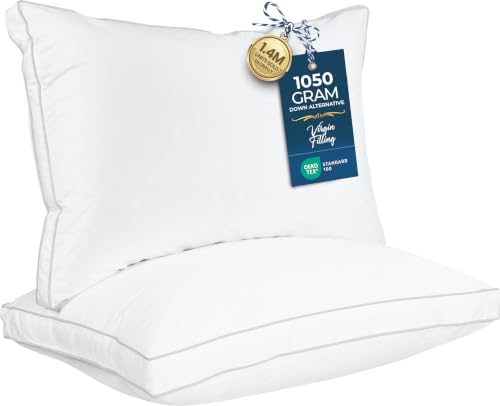
One standout option for front sleepers who need balanced support without sinking too deeply into their pillow is the Utopia Bedding Queen Pillows (Set of 2). I’ve found these 18 x 26-inch gusseted pillows offer a steady blend of softness and structure, thanks to their cotton-blend fabric and plush poly fiber filling. The gusseted edges keep the shape intact, preventing that flat, lifeless feel over time. They’re breathable, too, so airflow stays consistent night after night. While they work for side and back sleepers, their moderate loft especially suits stomach sleepers needing light neck cradling. I recommend spot cleaning and fluffing them regularly to maintain freshness.
Best For: Stomach sleepers seeking a moderately supportive pillow with a soft, breathable feel that maintains its shape over time.
Pros:
- Combines soft cotton-blend fabric with plush poly fiber filling for balanced comfort and support
- Gusseted edges enhance durability and prevent flattening for long-lasting use
- Breathable design promotes consistent airflow, keeping pillows cool and fresh
Cons:
- May be too firm for very light sleepers preferring ultra-soft pillows
- Spot cleaning only, which may be less convenient than machine washable options
- Moderate loft may not provide enough elevation for some side sleepers
Cervical Neck Pillow for Pain Relief

If you’re a front sleeper dealing with neck pain or stiffness, this cervical pillow stands out by combining clinical support with everyday comfort. Its contoured design has a hollow center and raised edges to cradle your neck, keeping your spine aligned and reducing strain. I appreciate the dual-height option-3.8 inches for front sleepers like me, ensuring my head stays level without tilting. The high-density, CertiPUR-US certified foam gives firm, responsive support and resists sagging. A breathable ice silk cover keeps things cool and washes easily. It’s not a medical fix, but it helps with posture and pressure. Best of all, there’s a full refund guarantee if it doesn’t work for you.
Best For: Front sleepers seeking a non-medical solution to reduce neck pain and improve spinal alignment during sleep.
Pros:
- Dual-height design offers personalized comfort with 3.8 inches ideal for back and stomach sleepers
- High-density, CertiPUR-US and Oeko-Tex certified foam ensures safety, durability, and balanced support
- Breathable ice silk cover enhances cooling and is removable for easy machine washing
Cons:
- May feel too firm for users who prefer soft, plush pillows
- Contoured shape may require an adjustment period for first-time users
- Not a medical treatment, so results may vary depending on individual conditions
Cervical Neck Pillow for Pain Relief

Since front sleepers often struggle with neck pain from misaligned spines, the Crisgo Cervical Neck Pillow stands out by combining targeted support with flexible comfort, especially when you need relief without sacrificing sleep quality. Its patented fish-tail shape and contoured memory foam align your neck and spine, while the dual heights (5.5” and 4.3”) let you switch based on sleep position. The CertiPUR-US and Oeko-Tex certified foam is durable and safe, though it may need 3–5 days to off-gas. A removable, washable ice silk cover adds breathability. It’s not a medical device-check with a doctor if you have a sleep disorder.
Best For: Side and back sleepers seeking ergonomic neck support to relieve pain and improve spinal alignment during sleep.
Pros:
- Dual-height design (5.5” and 4.3”) accommodates various sleep positions for personalized comfort
- Made with CertiPUR-US and Oeko-Tex certified memory foam for safety, durability, and eco-friendliness
- Includes a removable, machine-washable ice silk cover that enhances cooling and hygiene
Cons:
- May have a slight odor upon unboxing requiring 3–5 days of ventilation
- Not suitable for medical treatment; individuals with sleep disorders need physician consultation
- Tapered fish-tail design may not suit all body types or sleeping preferences
Cervical Neck Pillow for Pain Relief

You’ll find the cervical neck pillow especially helpful if you’re a front sleeper dealing with neck pain, as its low-profile design keeps your spine aligned without overextending your head. I use the medium-low loft side, which cradles my neck just right, and the contoured foam reduces pressure by 72% compared to regular pillows. It’s made with CertiPUR-US memory foam-safe, firm, and durable-plus a breathable, washable cover that stays cool. The dual-height design works whether I shift to my side or back. At 23.6 inches long, it fits standard pillowcases, and the 100% satisfaction guarantee makes trying it risk-free.
Best For: Front sleepers seeking neck pain relief and spinal alignment with a cool, breathable, and adjustable pillow design.
Pros:
- Clinically shown to reduce cervical pressure by 72% with contoured, ergonomic support for multiple sleep positions
- Made with CertiPUR-US and Oeko-Tex certified memory foam-safe, non-toxic, and durable
- Dual-height design (4.3” and 5.1”) with a breathable, removable, and machine-washable cover for personalized comfort and hygiene
Cons:
- May feel too firm for users preferring a soft pillow feel
- Specific contoured shape might require an adjustment period for new users
- Slight initial off-gassing odor possible despite low-VOC materials
Factors to Consider When Choosing Pillows for Front Sleepers
You’ll want a pillow with a low profile height to keep your neck aligned without strain. Look for soft to medium firmness that supports your head while staying comfortable on your chest, and don’t overlook materials that offer breathability or built-in cooling features. A good pillow balances support and comfort, so check if it comes with a trial period to test how well it works for your sleep style.
Low Profile Height
A low-profile pillow is essential for front sleepers aiming to maintain proper spinal alignment throughout the night. You need a pillow 2.75 inches or less to keep your head level with your spine, preventing neck strain. Too much height forces your head up, overextending your neck and causing morning stiffness. A thinner design keeps your airways open, reducing snoring risks and supporting freer breathing. Low-profile pillows also minimize pressure on your shoulders and upper back, encouraging deeper, more restful sleep. Since you lie flat on your stomach, minimal elevation helps your spine stay neutral, avoiding unnatural curves. Look for models clearly listing height under 3 inches-some brands even offer sample sizes or trial periods. Check return policies so you can test firmness and thickness risk-free. Prioritize measurable specs over marketing claims when choosing your fit.
Neck Support Needs
While your sleeping position puts extra stress on the neck, choosing the right pillow can keep your spine aligned and reduce strain. You need a low-profile pillow-2.75 inches or less-to prevent your head from tilting up too much, which stresses the cervical spine by as much as 72%. A flat, softly contoured design supports your neck in a neutral, straight position. Memory foam with medium-firm density works well, cradling your head without letting it sink too deeply, which helps keep your spine in line. Since you press your face and neck into the pillow all night, breathable materials are key to managing heat. Look for ventilated foam or cooling covers that allow airflow, so you stay comfortable. These features add up to better neck support and fewer aches in the morning, letting you move through your day with less stiffness.
Soft To Medium Firmness
Since your head and neck need to stay in line with your spine while sleeping on your front, a pillow with soft to medium firmness offers the right balance-firm enough to support your neck, yet soft enough to let your head sink slightly for natural alignment. If it’s too firm, your head lifts too high, straining your neck and throwing off spinal alignment. Too soft, and your neck hyperextends, increasing pressure on your cervical spine. Medium firmness keeps your shoulders properly positioned, preventing joint compression. It also spreads your weight evenly, reducing shoulder pressure and maintaining your neck’s natural curve. You’ll wake less stiff and sore, especially if you move during the night. Look for models with responsive fill that rebounds quickly, so support stays consistent. Many top picks come with trial periods, letting you test firmness risk-free.
Material Breathability
If you tend to overheat at night, choosing a pillow with breathable materials makes a noticeable difference in comfort. Look for memory foam with 98% to 99% open-cell structure-it lets air move through more freely than dense, closed-cell foam. Gel-infused cores help too, dispersing heat up to 15% better than regular memory foam. Ventilation channels or carved cutouts in the pillow boost airflow by as much as 30%, cutting down trapped warmth. The cover matters just as much: pick cooling pillowcases made from moisture-wicking fabrics that keep surface temps under 33°C. Some use fibers with Q-max technology, giving a cool feel the moment you touch them. These features work together to manage heat, not eliminate it. You’ll stay more comfortable through the night, especially if you sleep on your front and trap heat against the mattress. Check trial periods to test breathability over time.
Cooling Features
How do you stay cool when the pressure of front sleeping traps heat against your mattress? Look for pillows with gel-infused memory foam-they pull heat away from your head and neck, keeping your surface cooler. Ventilation channels in the core boost airflow, so heat doesn’t build up overnight. Some covers use Q-max technology to drop skin temperature by up to 5°C on contact, giving instant relief. High-density foams with 98–99% open-cell structures breathe better than closed-cell types, improving air movement. Removable covers made from ice silk or similar moisture-wicking fabrics help manage sweat and are easy to clean. These features work together to regulate warmth without sacrificing support. A cooler pillow means less tossing and turning, helping you stay comfortable through the night. Check if the brand offers a trial or warranty so you can test temperature performance risk-free.
Contoured Versus Flat
Many front sleepers find that choosing between contoured and flat pillows comes down to how well each supports spinal alignment without adding pressure. Contoured pillows have a curved shape, with a lower center and raised edges, helping cradle your neck while keeping your head from tilting too far up. This design can prevent cervical hyperextension, especially if you pick a dual-height model and use the lower loft side. But if you’re petite or prefer a flatter feel, a low-profile flat pillow (around 2.5 to 4 inches high) might work better, offering minimal lift to keep your spine neutral. Too much height-whether from a thick flat pillow or aggressive contouring-can strain your neck. Soft to medium-firm flat pillows also reduce chest and shoulder pressure, aiding breathing and comfort. Try each type with a solid return policy so you can test what truly aligns your body.
Hypoallergenic Materials
While you’re focused on neck support as a front sleeper, don’t overlook the benefits of hypoallergenic materials, which actively resist dust mites, mold, and pet dander to help keep your sleep environment clean. These materials reduce allergy risks and are often odorless and non-toxic, so they won’t irritate your lungs or skin. Look for pillows with Oeko-Tex or CertiPUR-US certifications-they guarantee no harmful chemicals or heavy metals. Hypoallergenic memory foam usually has an open-cell or high-density design that limits moisture, stopping mold and mildew before they start. Some covers are made from allergen-resistant fabric and can be removed and washed, but that’s a separate feature. You’ll breathe easier knowing your pillow won’t trap irritants over time. Choosing one with proven hypoallergenic construction helps maintain airway comfort, especially if you have asthma or sensitivities. It’s a small detail that supports long-term sleep quality without extra effort.
Easy Maintenance Options
Since keeping your pillow clean matters just as much as comfort, start by choosing one with a removable, zippered cover made from machine-washable materials like polyester or viscose blends. Look for pillowcases in breathable, moisture-wicking fabrics like ice silk or 3D mesh that you can remove and launder regularly to reduce sweat and odors. Pick hypoallergenic, certified materials-such as CertiPUR-US or Oeko-Tex-because they resist off-gassing and hold up well over many washes. Some pillows feature dual-layer or double-sided removable covers, letting you rotate and clean them more easily, which helps the pillow last longer. Make sure both the inner core and outer cover are dryer-safe so they dry quickly and resist mold or mildew. These features together support long-term hygiene, freshness, and durability without demanding extra effort on your part.
Frequently Asked Questions
How Long Do Memory Foam Pillows Typically Last?
You can expect memory foam pillows to last about 2 to 3 years with regular use. Over time, the foam compresses and loses its ability to rebound, reducing support. You’ll notice sagging or uneven shaping when it’s worn out. Proper care, like using a pillow protector and fluffing daily, helps extend its life. Many brands offer trial periods and warranties, so you can test comfort and support risk-free before committing long-term.
Can I Use a Cervical Pillow if I Snore?
Yes, you can use a cervical pillow if you snore, and it might help. These pillows support your neck’s natural curve, keeping your airway more open. A well-aligned spine often reduces snoring caused by airway obstruction. Look for memory foam or adjustable designs that maintain loft without over-elevating your head. Many offer trial periods, so test one for a few weeks. Results vary, so pairing the pillow with other anti-snoring strategies may work best.
Are Cooling Gel Pillows Safe for Sensitive Skin?
Yes, cooling gel pillows are usually safe for sensitive skin if they’ve got a soft, breathable cover like cotton or bamboo. The gel itself sits inside a sealed layer, so you’re not touching it directly. Look for hypoallergenic, dermatologist-tested labels to minimize irritation. Some people notice a slight chemical smell at first, but it fades. Try one with a trial period so you can test how your skin reacts over a few nights.
Do These Pillows Come With Warranty Options?
Yes, most of these pillows come with warranty options, typically lasting between one and three years. You’ll want to check the manufacturer’s policy for specifics on coverage, especially regarding material defects or sagging. Some brands offer free replacements or prorated refunds. Always keep your receipt and register the warranty online. A solid warranty gives you peace of mind and shows the company stands behind its product’s durability and comfort over time.
Can I Machine Wash the Pillow Covers?
Yes, you can machine wash most pillow covers, and you should do so regularly to keep them fresh. Use cold water and a gentle cycle, then air dry or tumble dry low to prevent shrinking. Check care labels first-some materials like rayon or silk blends need special handling. Removable, washable covers help maintain hygiene and extend the pillow’s life, especially if you sweat at night or have allergies. Always follow the manufacturer’s instructions for best results.