Best Pillows for Between Legs After Hip Replacement Surgery
You need a pillow that maintains a 15° to 30° hip angle to lower dislocation risk after surgery. Look for contoured, high-density foam designs 14 inches or longer, supporting thighs to knees. Models with CertiPUR-US foam and removable, washable covers offer safety and hygiene. Adjustable straps help keep legs stable overnight. A well-shaped pillow keeps your spine aligned and reduces pressure on joints-your next steps clarify which styles suit your sleep position and bed setup.
We are supported by our audience. When you purchase through links on our site, we may earn an affiliate commission, at no extra cost for you. Learn more. Last update on 25th July 2026 / Images from Amazon Product Advertising API.
Notable Insights
- Choose a pillow that maintains a 15° to 30° hip abduction angle to reduce dislocation risk post-surgery.
- Look for contoured, hourglass-shaped designs that prevent leg sliding and support proper spinal and hip alignment.
- Opt for medical-grade memory foam certified by CertiPUR-US and OEKO-TEX for safety and durability.
- Select models with removable, machine-washable, hypoallergenic covers to ensure hygiene and skin comfort.
- Ensure the pillow is long enough (at least 14 inches) to support from thigh to knee and prevent shifting during sleep.
Contour Legacy Leg & Knee Pillow

If you’re recovering from hip replacement surgery and sleep on your side, the Contour Legacy Leg & Knee Pillow stands out as a practical choice for keeping your hips and spine properly aligned. I’ve found it helps reduce discomfort in my back, hips, and knees by preventing my top leg from dropping forward. Its hourglass shape supports both legs and knees, promoting balanced separation without straps. Ventilated memory foam keeps me cool, unlike traditional foams that trap heat. The pillow moves with me, allowing natural shifts at night. It’s backed by a 1-year warranty and solid customer support, making trial low-risk.
Best For: Side sleepers recovering from hip replacement surgery or individuals seeking orthopedic support to alleviate back, hip, knee, and sciatica pain during sleep.
Pros:
- Provides dual leg and knee support with an hourglass design that promotes proper spinal and pelvic alignment
- Ventilated memory foam enhances airflow and prevents heat retention for cooler, more comfortable sleep
- Strap-free ergonomic design allows natural movement and position changes without restricting circulation
Cons:
- May be too firm for users preferring a softer pillow feel
- Hourglass shape might not suit individuals with larger leg frames comfortably
- Higher price point compared to basic knee pillows without advanced foam technology
Knee Pillow for Side Sleepers – Gray

The Knee Pillow for Side Sleepers – Gray stands out as a top choice for anyone recovering from hip replacement surgery, especially side sleepers needing consistent leg support. I love how its original 14-inch design fully supports my thigh and knee, keeping my legs aligned without needing a second pillow. It holds my spine in a neutral position, so I wake up with less stiffness. The deeper, semi-circular shape cradles my thigh just right, even when I shift at night. At 3 inches thick, it stays firm and never flattens. I’ve used it not just between my legs, but also under my ankles and lower back-it’s surprisingly versatile.
Best For: Side sleepers recovering from hip replacement surgery or anyone seeking consistent leg and spine alignment during sleep.
Pros:
- Original 14-inch design provides full thigh and knee support, promoting neutral spine alignment
- Ergonomic, semi-circular shape offers adaptive support and stays in place throughout the night
- Versatile use for knees, legs, ankles, and lower back with consistent 3-inch thickness
Cons:
- May be too firm for users preferring a softer feel
- Larger size might not suit smaller sleepers or limited bed space
- Gray color may show stains over time without proper care
5 STARS UNITED Knee Pillow for Side Sleepers

I find the STARS UNITED Knee Pillow works best for side sleepers recovering from hip surgery or dealing with joint pain, thanks to its contoured memory foam design that maintains proper spinal alignment. It measures 9.8 x 7.8 x 6 inches, offering targeted support between knees or under legs without needing a strap. The premium foam is CertiPUR and OEKO-TEX certified, so it’s safe and durable. Its removable cover is soft, breathable, and machine washable. I use it between my knees at night, and it reduces pressure on my hips and lower back. It’s also handy for back sleepers or pregnant women. HSA and FSA-approved, it’s a practical pick for recovery or daily comfort.
Best For: Side sleepers recovering from hip surgery or dealing with joint pain who need proper spinal alignment and pressure relief.
Pros:
- Contoured memory foam design promotes spinal alignment and reduces hip, knee, and lower back pressure
- CertiPUR and OEKO-TEX certified foam ensures safety, durability, and eco-friendly materials
- Removable, breathable, and machine-washable cover enhances comfort and hygiene
Cons:
- No strap included, which may cause the pillow to shift during sleep
- May be too firm for users preferring a softer feel
- Limited size options, which might not fit all body types comfortably
Hip Abduction Pillow for Post-Surgery Support
Who wouldn’t want to protect their hip joint while sleeping during recovery? I rely on my hip abduction pillow to keep my legs properly aligned, maintaining a safe 15° of separation that helps prevent dislocation. Its 30° angled design naturally positions my leg outward, just as my surgeon recommended. Made from durable medical-grade foam, it holds its shape, while the breathable blue cover keeps me cool. Adjustable straps with quick-release buckles let me customize the fit, whether I’m sleeping on my back or side. The removable, washable case makes hygiene easy. It arrives vacuum-sealed-just unpack and wait 24 to 48 hours to fully expand.
Best For: Post-surgery patients, especially those recovering from hip replacement, who need to maintain proper leg alignment and prevent dislocation during sleep.
Pros:
- Effectively maintains 15° leg abduction to prevent hip dislocation, as recommended by surgeons
- Made with durable medical-grade foam and features a breathable, removable, and washable cover for comfort and hygiene
- Adjustable straps with quick-release buckles allow a secure, customizable fit for both back and side sleepers
Cons:
- Requires 24–48 hours to fully expand after being vacuum-sealed, delaying immediate use
- May feel bulky for smaller individuals or those with limited bed space
- Blue fabric cover, while breathable, may show stains over time despite being washable
Knee Pillow for Side Sleepers & Pain Relief
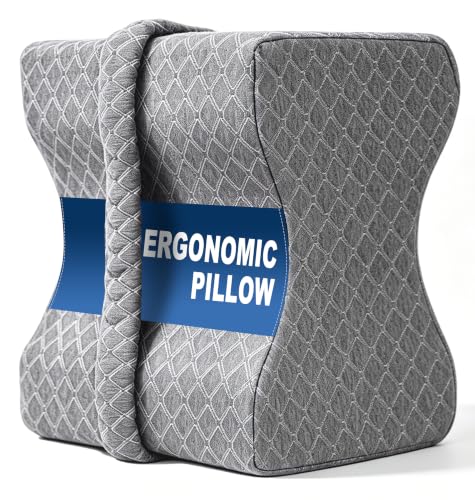
You’ll find this knee pillow especially helpful if you’re recovering from hip replacement surgery and sleep on your side, since it keeps your spine aligned and reduces strain on your hips and lower back. I use it between my knees, and it really helps ease pressure on my joints and sciatic nerve overnight. It’s made with CertiPUR-US certified memory foam, so it’s firm yet comfortable, and the cover’s soft, breathable, and machine-washable. A handy strap keeps it in place, which I appreciate-I stay aligned all night without readjusting. Whether you’re a back or side sleeper, pregnant, or just need extra support, it adapts well and improves rest without overheating.
Best For: Side sleepers, individuals recovering from surgery or injury, pregnant women, and seniors seeking pain relief and improved spinal alignment during sleep.
Pros:
- Provides effective pain relief for back, hips, knees, and sciatic nerve by maintaining proper spinal alignment
- Made with CertiPUR-US certified memory foam and a soft, breathable, machine-washable cover for safety and hygiene
- Features a secure strap to keep the pillow in place all night, ensuring consistent support
Cons:
- May be too firm for users preferring plush pillow feel
- Size might not be ideal for individuals with shorter leg length
- Limited benefit for stomach sleepers due to design optimized for side and back sleeping
NYOrtho Abduction Wedge Knee Separator Pillow

Though not a traditional pillow, the NYOrtho Abduction Wedge Knee Separator is ideal for patients recovering from hip replacement surgery who need consistent leg alignment and pressure relief. I use it in bed or my wheelchair, and it keeps my knees properly spaced with its 4-inch contoured foam. The 46-inch hook-receptive strap adjusts for my fit, and I can trim the extra length if needed. I appreciate the Light Blue Sure-Chek fabric-it’s wipeable, fluid-resistant, and gentle on my skin. It helps prevent contractures and supports healing by reducing pressure on my hips and back.
Best For: Patients recovering from hip replacement surgery who need consistent leg alignment, pressure relief, and support during bed or wheelchair use.
Pros:
- Contoured 4-inch foam maintains proper knee separation and supports hip alignment
- Adjustable 46-inch hook-receptive strap allows for a customized, secure fit
- Available with Light Blue Sure-Chek fabric for fluid resistance, easy cleaning, and skin-friendly comfort
Cons:
- Strap trimming required for optimal fit may not be reversible if cut too short
- Limited color/fabric options may not suit all user preferences
- May be too firm for users seeking softer cushioning support
Leg Pillow for Side Sleeping – Memory Foam Wedge
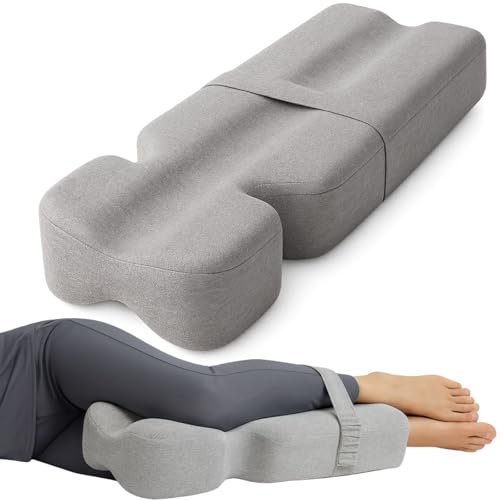
This leg pillow for side sleeping stands out as a strong choice for anyone recovering from hip replacement surgery, especially those who need consistent alignment and pressure relief through the night. I’ve found its 29 x 11 x 4-inch memory foam wedge supports from hip to ankle, reducing joint stress. The contoured shape with dual indentations cradles my legs, while the angled cutouts let me shift naturally. An adjustable strap keeps it in place. High-density foam resists flattening, offering lasting support for sciatica or arthritis. The breathable, zippered cover stays cool and is machine washable. It comes with a 60-day guarantee, making it a low-risk try for better sleep.
Best For: Side sleepers recovering from hip replacement surgery or managing chronic pain conditions like sciatica, arthritis, or hip bursitis who need full-leg support and spinal alignment.
Pros:
- Full-length 29-inch memory foam wedge provides continuous support from hip to ankle, promoting healthy spinal alignment
- Ergonomic contoured design with dual indentations and adjustable strap prevents slipping and allows natural leg movement
- Breathable, removable, and machine-washable cover enhances comfort and hygiene with high-density foam that resists flattening
Cons:
- May be too large or bulky for users with limited bed space or smaller frames
- Firm support might feel uncomfortable for those unaccustomed to orthopedic pillows
- Elevated price point compared to standard knee pillows, though justified by medical-grade design
Knee Pillow for Side Sleepers
A knee pillow designed for side sleepers proves especially helpful for those recovering from hip replacement surgery, offering targeted support that maintains proper alignment overnight. I find its 14×10×5-inch size fits snugly between legs, and the 4-inch wide elastic strap keeps it in place without shifting. Made from durable memory foam, it holds its shape longer than fiber-filled options. It supports spinal alignment, reduces joint pressure, and eases discomfort in hips, knees, and lower back. Elevating your legs slightly boosts circulation and reduces swelling. The soft, removable cover is easy to wash, and with 3 years of customer support, it’s a practical choice for recovery, pregnancy, or long-term comfort.
Best For: Side sleepers, individuals recovering from hip or knee surgery, pregnant women, and those seeking relief from back, hip, or joint pain.
Pros:
- Supports spinal alignment and reduces pressure on hips, knees, and lower back during sleep
- Durable memory foam construction maintains shape longer than fiber-filled pillows
- Features an adjustable elastic strap and removable, washable cover for convenience and stability
Cons:
- May be too firm for users preferring a softer feel between the legs
- The 4-inch thickness might not suit those with narrower frames or smaller legs
- Limited benefits for stomach sleepers due to design focused on side and back sleeping positions
Hip Abduction Pillow for Surgery Recovery

You’ll find the hip abduction pillow especially helpful if you’re recovering from hip replacement surgery, as it keeps your legs properly spaced to prevent dislocation and support healing. It’s designed for stability after surgeries like total hip arthroplasty or knee procedures, reducing pain by aligning hips naturally. Its curved shape fits your body’s contours, offering balanced support. Adjustable, wide straps with hook-and-loop fasteners hold it securely without cutting into your skin, while the high-elasticity foam core keeps its form over time. I appreciate the soft, removable velvet cover-it’s machine washable, so staying clean is easy. This pillow works well for side sleeping and longer rest periods, making recovery more comfortable without sacrificing safety.
Best For: Individuals recovering from hip replacement, total hip arthroplasty, knee surgery, or hip injuries who need proper leg alignment and dislocation prevention during rest.
Pros:
- Provides effective hip stabilization with an ergonomic, contoured design that supports natural body alignment
- Features adjustable wide straps with hook-and-loop closures for a secure, comfortable, and customizable fit
- Includes a removable, machine-washable velvet cover for easy cleaning and long-term hygiene
Cons:
- May not fit all body types comfortably despite adjustable straps, particularly for individuals with larger leg circumferences
- High-elasticity foam, while durable, may feel too firm for some users during extended use
- Designed specifically for side sleeping, which may limit comfort for back or stomach sleepers
Knee Pillow for Side Sleepers – Memory Foam Leg Support
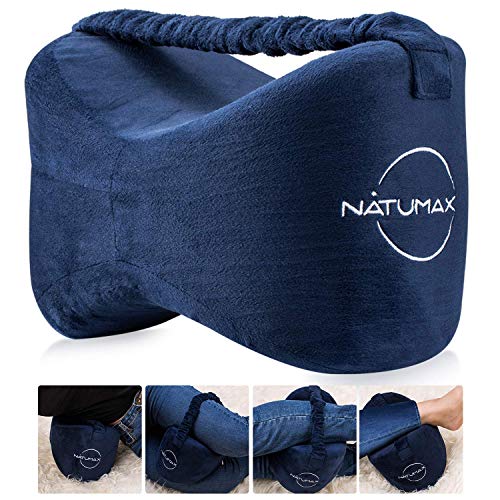
When recovering from hip replacement surgery, side sleepers who need consistent leg support find the Knee Pillow for Side Sleepers – Memory Foam Leg Support especially helpful, since it stabilizes the lower limbs and reduces pressure on the healing joint. I’ve found its memory foam construction molds gently to my legs, aligning hips and spine without feeling too firm. It works whether I place it above or below my knees, improving circulation and easing hip and back discomfort. The included leg strap keeps it in place all night, even when I shift positions. I appreciate the removable, machine-washable cover-it stays fresh and breathable. It also comes with a sleep mask and ear plugs, which help me wind down more fully.
Best For: Side sleepers, pregnant individuals, and those recovering from hip surgery who need targeted leg support and pain relief.
Pros:
- Provides effective pain relief for sciatica, hip, back, and joint pain through ergonomic memory foam design
- Enhances spinal alignment and circulation with adaptable positioning above or below the knees
- Includes convenient features like a removable, machine-washable cover, leg strap, sleep mask, and ear plugs
Cons:
- May feel too soft for users preferring firmer support
- Leg strap could be restrictive for those who toss and turn frequently
- Add-on accessories like the sleep mask and ear plugs may not be useful for all users
Factors to Consider When Choosing a Pillow for Between Legs After Hip Replacement
You’ll want a pillow that keeps your legs aligned and reduces strain on your hip joint while you sleep. Look for medical-grade support and safe, breathable materials that meet safety standards, especially if you have sensitivities. A model with an adjustable strap can stay in place and help with mobility, making it easier to move without losing position.
Proper Leg Alignment
While recovering from hip replacement surgery, keeping your legs properly aligned becomes essential for protecting the new joint and supporting healing. You’ll want to maintain about 15° of hip abduction, which helps prevent dislocation and keeps stress off the joint. A good pillow positions your hips, knees, and ankles in a straight, neutral line, stopping your legs from rotating inward or crossing during sleep. Look for a pillow with a 30° structural angle-this usually creates the right 15° outward leg position. It should hold your legs 4 to 6 inches apart consistently through the night. Choose one that’s firm enough to resist compression but comfortable for long-term use. Proper alignment reduces strain on tissues and supports smoother recovery without restricting movement unnecessarily. Consistency matters, so pick a design you can rely on nightly.
Medical-Grade Support
A well-designed medical-grade pillow delivers the structured support needed to keep your legs safely apart during recovery. It maintains a precise 15° to 30° abduction angle, reducing the risk of hip dislocation. You’ll want high-density foam that holds its shape, even with long-term use, so your positioning stays consistent night after night. This type of pillow limits harmful inward leg rotation and stops your legs from crossing, which protects joint stability while you sleep. Many include secure fastening systems-like wide hook-and-loop straps-to stay aligned, even if you shift. Covers are often hypoallergenic and fluid-resistant, making them easy to clean and ideal for post-surgical hygiene. These features work together to support safe, uninterrupted rest during a critical healing phase.
Adjustable Strap System
Built-in support means little without a secure fit, which is where the adjustable strap system plays a key role. You’ll want straps that range from 40 to 46 inches to match your leg length and circumference, keeping the pillow firmly in place. Hook-and-loop fasteners let you fine-tune the tightness, so the pillow stays put without squeezing too hard or limiting blood flow. Wider straps-about 3 to 4 inches-spread pressure evenly, which helps prevent soreness or rubbing during long nights. Some models let you trim excess strap, giving you a cleaner, comfier fit. If you value ease, look for quick-release buckles or simple adjustments that let you secure or remove the pillow without help. These features work together to keep your hips aligned and reduce strain, supporting safer sleep as your body heals.
Post-Surgery Mobility
Since moving easily after surgery can be tough, choosing a pillow that supports your legs without needing constant adjustments makes rest more comfortable and safer. A pillow with a secure fit stays in place even with limited strength or coordination, reducing how often you need to move at night. Look for one that holds your legs in a stable, slightly separated position to help prevent hip dislocation. It should stay where you put it, even if you shift slightly during sleep. Models with removable, machine-washable covers let you keep things clean without help, which matters when you’re relying on caregivers. You’ll want something that stays put, supports proper alignment, and cuts down on painful repositioning. Ease of placement and stability matter most when movement is limited, so test firmness and shape while considering return policies or trial periods.
Material Safety Standards
Choose a pillow made with materials that meet strict safety certifications to protect your health during recovery. Look for OEKO-TEX STANDARD 100 certification, which verifies the fabric contains no harmful levels of over 300 substances. Pick memory foam with CertiPUR-US certification, so you know it’s low in VOC emissions and free from heavy metals. Make certain the cover is hypoallergenic and resists allergens and irritants, especially if you have sensitive skin. Check that all materials comply with global safety standards testing for carcinogens, lead, formaldehyde, and other toxins. If hygiene is essential, go for antimicrobial or fluid-resistant surfaces that help guard against bacteria and spills. These features matter most when you’re spending long hours in bed. Choosing a pillow with verified safety standards gives you peace of mind, supports skin health, and reduces exposure risks while you heal.
Pillow Shape And Size
When recovering from hip replacement surgery, the shape and size of your between-the-legs pillow play a key role in maintaining proper alignment and comfort. Choose a pillow at least 14 inches long to support your legs from upper thigh to below the knee, ensuring steady hip positioning. An hourglass or contoured shape keeps your legs properly separated and stops your top leg from sliding forward, which helps protect your new hip joint. Look for a thickness between 3 to 6 inches to lift your legs just enough for neutral hip and spine alignment. A wider base with a tapered top adds stability and resists shifting, even if you move during sleep. Wedge pillows with beveled edges or angled cutouts reduce inner thigh pressure and allow slight rotation without losing alignment, balancing support and comfort through the night.
Ease Of Maintenance
Keeping your pillow clean and in good condition matters just as much as its shape and support, especially during a lengthy recovery. Look for a pillow with a removable, machine-washable cover so you can clean it regularly without hassle. Choose covers made from breathable, moisture-wicking fabric to stay comfortable and reduce sweating during long use. Opt for medical-grade, hypoallergenic materials that resist fluids and can be quickly wiped down if needed. Make sure the design allows easy disassembly and reassembly, so cleaning doesn’t ruin the structure. Pick a cover with durable, pill-resistant fabric that stays soft and holds up after repeated washing. These features help maintain hygiene and extend the pillow’s life, making care simple when you’re focused on healing. A well-built, easy-to-maintain pillow supports better rest without extra effort.
Dual-Position Versatility
While recovering from hip replacement surgery, your comfort needs may shift from night to night, making a dual-position versatile pillow a smart choice for adaptable support. You can place it between your knees or under your lower leg, maintaining proper alignment whether you’re side or back sleeping. These pillows often have contoured, ergonomic shapes that support hip abduction and keep your pelvis neutral. Switching positions helps reduce pressure points and improves circulation, especially when slight leg elevation is needed. The flexibility to adjust placement supports you as your recovery progresses and your posture needs change. Look for models that hold their shape across positions and offer consistent support. Many come with removable covers and trial periods, so you can test comfort without risk. Dual-position use doesn’t guarantee perfect sleep, but it gives you more control over alignment and ease as you heal.
Frequently Asked Questions
How Long Should I Use a Leg Pillow After Surgery?
You’ll likely need a leg pillow for 6 to 12 weeks after surgery, but it depends on your healing and your doctor’s advice. Use it every night and during daytime rest to keep your hips aligned and prevent strain. Look for one with firm support and a washable cover so it stays clean and effective. Try options with a trial period to test comfort. Replace it if it loses shape. Follow your physical therapist’s guidance closely.
Can I Wash the Pillow Cover in the Machine?
Yes, you can wash the pillow cover in the machine-most are removable and designed for easy cleaning. Use a gentle cycle with cold water and mild detergent to preserve the fabric. Let it air dry or tumble dry on low to prevent shrinking. Check the care label first, since materials like bamboo or memory foam inserts might need special handling. A machine-washable cover saves time and keeps things hygienic during long recovery periods.
Is It Safe to Sleep on My Back With a Leg Pillow?
Yes, it’s safe to sleep on your back with a leg pillow, and you’ll keep your hips aligned, reducing strain. Placing the pillow between your knees helps maintain a neutral spine and can ease pressure on your joints. Most leg pillows use supportive foam or adjustable fill, so they hold shape without flattening. Try one with a machine-washable cover for easy care, and check if the brand offers a trial period to test comfort safely.
Will Insurance Cover the Cost of a Post-Surgery Leg Pillow?
You’ll likely have to pay out of pocket, as most insurance plans don’t cover leg pillows even after hip surgery. Some flexible spending or health savings accounts might allow it with a prescription, so check your provider. Look for models with firm yet comfortable foam, a non-slip cover, and a warranty-many offer 30-day trials. Test firmness and width to match your comfort and recovery needs.
Can I Use a Regular Pillow Instead of a Medical One?
You can use a regular pillow instead of a medical one, but it might not hold its shape or support your legs evenly over time. Medical leg pillows are contoured, firm, and designed to keep your hips aligned, which helps healing. Regular pillows often collapse, forcing you to adjust them nightly. Try both-test a firm regular pillow for a few nights. If you wake with hip discomfort, switch to a purpose-made leg pillow for better stability and results.