Best Nasal Sprays for CPAP Users Who Hate Dryness
You’ll want a non-medicated, saline-based spray that’s safe for nightly use and won’t damage your CPAP equipment. Products like NeilMed NasoGel use sodium hyaluronate and aloe vera to hydrate without dripping, while gel-based options offer longer-lasting moisture to combat dryness all night. Avoid sprays with oils or harsh preservatives. Drip-free, water-soluble formulas integrate smoothly into your routine and help prevent irritation-making them reliable choices for consistent comfort you can count on over time.
We are supported by our audience. When you purchase through links on our site, we may earn an affiliate commission, at no extra cost for you. Learn more. Last update on 19th July 2026 / Images from Amazon Product Advertising API.
Notable Insights
- Non-medicated saline sprays like NeilMed NasoGel are ideal for CPAP users due to drip-free, hydrating formulas that prevent dryness.
- Sodium hyaluronate and aloe vera in nasal gels provide long-lasting moisture and soothe irritated nasal passages overnight.
- Hypertonic saline sprays such as Vicks Sinex SALINE flush mucus and moisturize without stinging or rebound effects.
- Gel-based options like Ayr Saline Nasal Gel adhere better to nasal linings, reducing reapplication during CPAP use.
- Drip-free, preservative-free formulas are recommended to avoid irritation and work effectively when lying down.
NeilMed NasoGel Drip Free Nasal Spray (Pack of 2)

If you use a CPAP machine and struggle with dry, irritated nasal passages, the NeilMed NasoGel Drip Free Nasal Spray could be a practical choice, especially since it’s designed to deliver lasting moisture without dripping. I’ve found its water-soluble, drug-free formula gentle yet effective, thanks to sodium hyaluronate for deep hydration and aloe vera to soothe irritation. It’s saline-based, so it won’t interfere with my therapy, and the pack of two means longer-term use. The drip-free design prevents mess, even when I’m lying down. Made by NeilMed Pharmaceuticals, this spray works well before bed or after waking, offering reliable, no-fuss relief.
Best For: Individuals using CPAP or oxygen therapy who experience dry, irritated nasal passages and seek a non-dripping, drug-free moisturizing solution.
Pros:
- Provides long-lasting hydration with sodium hyaluronate and soothing aloe vera
- Drip-free, mess-free application ideal for use before bed or while lying down
- Saline-based, water-soluble, and drug-free formula that won’t interfere with medical devices
Cons:
- Gel consistency may feel unusual compared to traditional nasal sprays
- Limited to short-term relief with repeated applications needed for persistent dryness
- Packaging includes two units, which may exceed needs for occasional users
Nasal Moisturizer Original Unscented 12-Hour Relief

Nasal Moisturizer Original Unscented 12-Hour Relief stands out for CPAP users who deal with persistent dryness, nosebleeds, or cracked nasal tissue from continuous airflow. I’ve found it works differently than saline sprays because it’s water-based and time-released, delivering moisture for up to 12 hours. The micro-encapsulated formula activates at body temperature, slowly dissolving to keep tissues hydrated. It’s odorless, steroid-free, and safe for daily use. Unlike sprays that can dry out tissue, this one releases water and forms a protective barrier, helping prevent nosebleeds. One jar lasts 30–45 days, and it’s made to work safely with CPAP, BiPAP, and oxygen systems without damaging equipment.
Best For: CPAP, BiPAP, or oxygen therapy users seeking long-lasting, non-medicated relief from dry nasal passages, nosebleeds, and irritation.
Pros:
- Provides 12-hour moisture relief with a time-released, micro-encapsulated formula
- Safe for daily use-odorless, steroid-free, non-addictive, and compatible with respiratory devices
- Forms a protective barrier that hydrates nasal tissues and helps prevent nosebleeds
Cons:
- Requires fingertip application, which may be less convenient than spray formats
- Contains 50% water, which may feel less substantial compared to thicker ointments
- Not designed for immediate symptom relief; best used preventively over time
Ayr Saline Nasal Gel with Aloe Vera

I rely on my CPAP every night, and when dry nasal passages start interfering, Ayr Saline Nasal Gel with Aloe Vera becomes my go-to fix. This no-drip spray delivers a fine, consistent mist that sinks deep into my sinuses, easing congestion and restoring moisture without irritation. Formulated with soothing aloe vera and free of dyes or harsh additives, it’s safe for daily use and won’t cause rebound congestion. The compact 0.75 fl oz bottle fits easily in my nightly routine, and I appreciate that it’s physician recommended. It helps maintain nasal hydration, supporting better breathing while I sleep.
Best For: Individuals using CPAP machines or those experiencing dry nasal passages due to allergies, sinusitis, or low humidity seeking a non-irritating, physician-recommended moisturizing solution.
Pros:
- Delivers a fine, no-drip mist that deeply moisturizes nasal and sinus cavities
- Contains soothing aloe vera and is free of dyes, additives, and risk of rebound congestion
- Compact, easy-to-use design with a consistent metered dose, ideal for daily use
Cons:
- Small 0.75 fl oz bottle may require frequent repurchasing with regular use
- May not provide immediate symptom relief for severe congestion
- Some users may prefer a saline spray with added medication for stronger decongestant effects
Ayr Saline Nasal Gel, With Soothing Aloe, 0.5 Ounce Tube (Pack of 1)
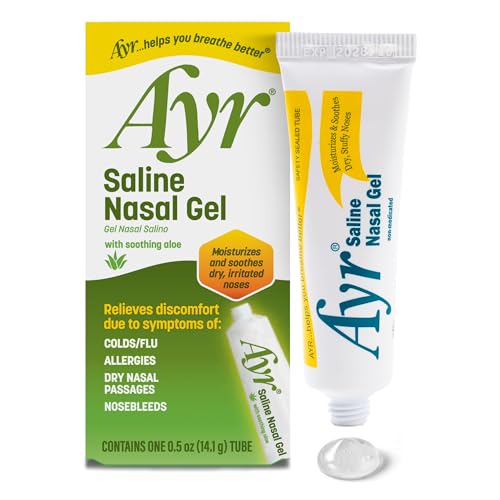
A steady, quiet night of sleep matters, especially when you rely on CPAP therapy to keep your airway open. I’ve found that using Ayr Saline Nasal Gel with Soothing Aloe helps ease the dryness that often comes with nightly use. The 0.5-ounce tube is small but lasts, delivering gentle, long-lasting moisture right where I need it. Formulated with aloe, it soothes irritated nasal membranes without stinging, and it’s mild enough for sensitive tissue-even safe for babies. I apply it day or night, and it works well for frequent or continuous use, keeping my nose comfortable year-round.
Best For: Individuals experiencing dry or irritated nasal passages, especially CPAP users or those with sensitive nasal tissue seeking gentle, long-lasting moisturization.
Pros:
- Restores moisture and soothes dry, irritated nasal membranes with soothing aloe
- Gentle enough for babies and safe for sensitive nasal tissue
- Suitable for frequent or continuous use, day or night, year-round
Cons:
- Small 0.5-ounce tube may require frequent repurchasing with regular use
- May not provide sufficient moisture for severe nasal dryness compared to prescription options
- Limited quantity per pack (sold individually, not in bulk)
Mucinex Sinus-Max Nasal Spray (3/4 Fl Oz)

If you’re a CPAP user struggling with midweek congestion that clogs your nasal passages just hours after a clean mask seal, Mucinex Sinus-Max Nasal Spray might be your best ally during peak allergy seasons or cold recovery. It contains oxymetazoline HCl and menthol, delivering fast, cooling relief that lasts up to 12 hours. I use it when congestion threatens my airflow, and it works quickly to clear my passages. It’s safe for adults and kids over 6, though children under 12 need help. At 3/4 fl oz, the bottle lasts through short-term flare-ups. Trusted by doctors and pharmacists, it’s effective-but I only use it as directed to avoid rebound issues.
Best For: CPAP users and allergy sufferers who need fast, long-lasting relief from nasal congestion during peak allergy seasons or cold recovery.
Pros:
- Provides rapid decongestion with effects lasting up to 12 hours
- Contains menthol for a cooling sensation that enhances comfort
- Trusted by doctors and pharmacists, suitable for adults and children over 6
Cons:
- Risk of rebound congestion if used more than 3 consecutive days
- Requires adult supervision for children under 12
- May not be suitable for long-term use due to small 3/4 fl oz bottle size
Beekeeper’s Naturals Nasal Spray with Propolis & Xylitol
Since it’s free from steroids, drugs, and harsh chemicals, Beekeeper’s Naturals Nasal Spray with Propolis & Xylitol works well for CPAP users who prefer a natural option that won’t irritate sensitive nasal passages. I use it nightly, spraying twice in each nostril, and find it gently clears mucus while moisturizing dry tissues. The mix of sea salt, xylitol, and propolis helps reduce congestion and supports long-term respiratory health. It’s safe for daily use, non-addictive, and gentle enough for kids. Sustainably sourced from ethical beekeeping, it’s a dependable choice if you want effective, chemical-free relief without compromising on purity or environmental care.
Best For: CPAP users and families seeking a natural, non-irritating nasal spray to support respiratory health without steroids or harsh chemicals.
Pros:
- Gently clears mucus and moisturizes dry, sensitive nasal passages with natural ingredients like sea salt, xylitol, and propolis
- Safe for daily use, non-addictive, and suitable for both adults and children
- Sustainably sourced through ethical beekeeping practices, supporting environmental and bee health
Cons:
- May provide milder relief compared to medicated decongestants, which could be insufficient for severe congestion
- Propolis ingredient may cause allergic reactions in individuals sensitive to bee products
- Requires shaking before each use and consistent application for optimal results
Vicks Sinex Allergy & Sinus Nasal Spray

Though I rely on my CPAP machine nightly, I still struggle with congestion from seasonal allergies, and that’s where Vicks Sinex Allergy & Sinus Nasal Spray works best-offering fast, targeted relief when swelling in my nasal passages threatens my seal and comfort. It delivers a decongestant directly to nasal tissues, reducing blockage within minutes and lasting up to 12 hours. Unlike oral medications, it acts locally, which I find more effective for sudden congestion. The ultra-fine mist feels gentle, even with frequent use. Just remember-it’s not meant for long-term daily use. Also, check with your provider, since it’s HSA/FSA eligible.
Best For: People seeking fast, targeted relief from nasal congestion and sinus pressure due to allergies or colds who prefer a local-acting, ultra-fine mist nasal spray.
Pros:
- Provides instant relief that lasts up to 12 hours
- Delivers decongestant directly to nasal membranes for targeted action
- Ultra-fine mist is gentle on nasal tissues and helps maintain CPAP seal
Cons:
- Not intended for daily or prolonged use
- Local action means it doesn’t address systemic allergy symptoms
- Requires checking with provider for HSA/FSA eligibility verification
Arm & Hammer Saline Nasal Mist 2-Pack

I reach for the Arm & Hammer Saline Nasal Mist 2-Pack when I need a drug-free option that’s safe for both morning and bedtime use, especially on nights when my CPAP mask leaves my nasal passages feeling dry or irritated. This non-medicated spray uses purified water, salt, and baking soda to gently moisturize, relieve dryness, and flush out irritants-starting in seconds. It contains no steroids or medication, so it’s safe during pregnancy and won’t interfere with other treatments. Doctors recommend it alongside prescription or OTC meds. Each 4.4oz bottle lasts weeks with daily use, and the 2-pack offers good value for consistent nasal care.
Best For: Individuals seeking a drug-free, daily-use nasal spray to relieve dryness and irritation, especially those using CPAP machines or needing a safe option during pregnancy.
Pros:
- Provides fast-acting, drug-free relief by moisturizing nasal passages and flushing out irritants
- Contains gentle ingredients: purified water, salt, and ARM & HAMMER baking soda, with no steroids or medication
- Safe for around-the-clock use, compatible with prescription and OTC medications, and doctor-recommended
Cons:
- May provide only temporary relief, requiring frequent reapplication in very dry environments
- Some users may find the mist delivers less spray per pump compared to other brands
- 2-pack offers value but individual bottles may take up more space than travel-sized alternatives
Vicks Sinex SALINE Nasal Spray (5.0 fl oz x 2)

If you’re a CPAP user dealing with dryness, congestion, or buildup from allergies or colds, the Vicks Sinex SALINE Nasal Spray (5.0 fl oz x 2) offers a drug-free way to clear your nasal passages and improve comfort. I find its ultra-fine mist gently flushes out mucus without stinging. The hypertonic saline solution, made with purified water and no preservatives, moisturizes dry nostrils and helps relieve congestion fast. Since it has no decongestants, I can use it daily without rebound effects. Each 5.0 fl oz bottle lasts weeks, even with twice-daily use, and the pack of two guarantees I won’t run out. It’s a reliable choice for maintaining nasal hygiene next to my CPAP routine.
Best For: CPAP users and individuals seeking drug-free, daily relief from nasal congestion, dryness, or mucus buildup due to allergies or colds.
Pros:
- Delivers a gentle, ultra-fine mist that clears mucus and moisturizes without stinging
- Hypertonic saline formula with no preservatives or decongestants, safe for frequent, daily use
- Pack of two 5.0 fl oz bottles provides long-lasting supply for consistent nasal hygiene
Cons:
- May provide only temporary relief for severe congestion without medication
- Some users may prefer a medicated option for stronger symptom relief
- Mist mechanism can occasionally clog with heavy, dried mucus buildup
Beekeeper’s Naturals Propolis Nasal Rinse Spray

Beekeeper’s Naturals Propolis Nasal Rinse Spray Max works best for CPAP users who prefer a natural, drug-free way to keep their nasal passages clear and hydrated. I use it daily, and it gently flushes out irritants like pollen while soothing dry, irritated tissue. It contains propolis, oregano oil, eucalyptus, xylitol, and saline-ingredients known for antimicrobial and calming effects. I shake it well, squeeze two pumps per nostril, then blow gently. It clears congestion, reduces swelling, and supports easier breathing without steroids. The formula comes from bees sourced in chemical-free apiaries, harvested ethically to protect hive health. It’s safe for everyday use, making it a reliable part of my nighttime routine.
Best For: CPAP users seeking a natural, drug-free solution to keep nasal passages clear, hydrated, and free from irritants.
Pros:
- Contains natural, antimicrobial ingredients like propolis, oregano oil, and eucalyptus to soothe and decongest nasal passages
- Ethically sourced from chemical-free apiaries with sustainable harvesting practices that support bee health
- Safe for daily use without steroids, drugs, or risk of dependency
Cons:
- Small 1 fl oz bottle may require frequent repurchasing with regular use
- Some users may be sensitive to essential oils like eucalyptus or oregano
- Price point may be higher compared to conventional saline sprays
Factors to Consider When Choosing a Nasal Spray for CPAP Users
You’ll want to pick a nasal spray that works with your CPAP routine, so check if it’s a gel or spray-gels last longer but may feel heavier. Decide whether you need medicated relief or prefer a non-medicated option to avoid irritation over time. Look for one that offers long-lasting moisture, fits easily into your nightly schedule, and won’t damage your CPAP equipment.
Gel Vs Spray Form
While both gel and spray nasal products help ease CPAP-related dryness, they differ in how they deliver moisture and suit various sleep needs. You’ll find sprays act fast, spreading a fine mist that hydrates right away and works well if you’re dealing with mucus or irritants. Gels, on the other hand, stick to nasal tissues thanks to their thicker, water-soluble form, offering longer-lasting moisture through the night. Since gels resist drying from continuous airflow, they’re often better for overnight CPAP use. They also drip less, reducing mess or irritation while you sleep. If your main issue is dry, cracked nasal passages, a gel might give you steadier relief. Sprays suit quick hydration or cleansing but may not last as long. Consider your symptoms, routine, and comfort when choosing-both forms have strengths worth trying.
Medicated Vs Non Medicated
You’ve probably already considered whether a gel or spray fits your nightly routine, especially if CPAP-related dryness is a concern. Now, when it comes to medicated versus non-medicated options, think about how long you’ll use it. Medicated sprays with decongestants like oxymetazoline can quickly ease congestion and possibly improve mask seal, but they’re not for long-term use-rebound swelling is a real risk. You’re better off using them short-term, and only with your doctor’s okay. Non-medicated sprays, on the other hand, rely on saline, sodium hyaluronate, or aloe vera to gently hydrate. They’re safe for daily use, won’t cause dependency, and are unlikely to irritate your nasal passages or damage CPAP materials. For ongoing dryness, most CPAP users find non-medicated sprays easier to stick with, night after night, without side effects.
Compatibility With Cpap Machines
Since your CPAP machine circulates air through tubing and a mask, the nasal spray you use should be compatible with its materials and function. Choose water-soluble, saline-based sprays without oil, as oils can collect in the tubing and damage silicone or plastic parts. You’ll want non-medicated options for daily use-they’re safer and gentler on your equipment. Avoid sprays with benzalkonium chloride, since that preservative can corrode components over time. If you prefer a gel, pick one labeled CPAP-compatible and drip-free to prevent clogging or airflow issues. Sprays with sodium hyaluronate or pure saline keep your nasal passages moist without harming your machine. Always check the label for compatibility notes, and when in doubt, test it with your setup for a few nights. Matching your spray to your CPAP gear helps keep everything working smoothly.
Duration Of Moisture Relief
If you’re using a CPAP machine, staying moist all night matters-choosing a nasal spray that delivers 12 hours of continuous hydration helps keep your nasal passages comfortable from bedtime to morning. Look for time-released or micro-encapsulated formulas that dissolve slowly at body temperature, extending moisture release. Water-based gels with at least 50% water by weight actively release moisture instead of absorbing it, supporting longer relief. Those with hyaluronic acid or sodium hyaluronate bind water in nasal tissues for deep, lasting moisturization. Drip-free, non-aerosolized gel sprays cling to the nasal lining, reducing runoff and maintaining hydration longer. These features work together to sustain comfort without frequent reapplication. You’ll sleep more soundly when your nose stays moist all night, so checking spray longevity helps you make a practical choice. Always review product details on duration claims and ingredients before starting.
Ease Of Application Method
A well-designed application method often makes a noticeable difference in how smoothly you can integrate a nasal spray into your nightly CPAP routine. You’ll want a no-drip formula so the mist stays where you apply it, without running down your throat. Fine mist delivery spreads evenly, moisturizing without stinging. Metered-dose sprays give you the same precise amount each time, reducing waste and keeping things hygienic. If you prefer longer-lasting coverage, gel-based options cling better to nasal walls, cutting down on reapplication. Look for sprays you can operate with one hand-pumping easily while you prep your mask guarantees a seamless bedtime flow. These features work together to make nightly use simple, consistent, and comfortable. An easy application process means you’re more likely to stick with it, supporting better nasal health over time.
Safety For Daily Use
You’ll often find the safest nasal sprays for daily CPAP use are those without decongestants like oxymetazoline, which can cause rebound congestion and nasal irritation over time. Instead, you’ll want formulas with saline, moisturizers, or natural ingredients that hydrate without harming delicate tissues. Look for products labeled non-addictive, steroid-free, and preservative-free-they’re built to protect your nasal health with regular use. A water-based or hypertonic saline solution works best, delivering long-lasting moisture that lasts up to 12 hours and supports natural tissue function. These sprays create a gentle barrier to prevent dryness, easing your breathing without side effects. Since you’re using CPAP every night, choosing a spray designed for daily use helps maintain comfort and keeps your nasal passages in good shape over time.
Ingredient Sensitivity Considerations
Think about how your nasal passages react to different ingredients, especially since CPAP use can make them more vulnerable to irritation. Avoid sprays with alcohol or fragrances-they can dry out and inflame sensitive tissues. Hypertonic saline might sting, especially if you use it often, so opt for isotonic formulas if discomfort occurs. Preservatives like benzalkonium chloride may damage nasal lining over time, so choose preservative-free options when possible. Look for soothing additives like sodium hyaluronate or aloe vera, which help heal and protect dry, cracked mucosa. Steroid-free, drug-free sprays are safer for daily use and won’t disrupt your nose’s natural function. Always patch-test a new spray and monitor for burning, dryness, or swelling. Reading labels carefully helps you avoid irritants and find a formula that supports long-term comfort and effective CPAP therapy without unwanted side effects.
Frequently Asked Questions
Can I Use Nasal Spray With My CPAP Every Night?
Yes, you can use nasal spray with your CPAP every night if it’s saline-based or doctor-approved. Daily use helps keep your nasal passages moist, improving comfort and airflow. Avoid medicated sprays long-term unless directed, since they can cause rebound congestion. Choose preservative-free options to reduce irritation. Pairing spray with your CPAP humidifier boosts effectiveness. Try samples first, check warranties on multi-packs, and consult your provider to match the spray to your needs.
Is It Safe to Combine Different Nasal Sprays Daily?
You can combine different nasal sprays daily, but you should check with your doctor first. Using multiple sprays may increase the risk of irritation or interactions. Saline sprays are usually safe to mix with others, but medicated ones like corticosteroids need careful timing and medical oversight. Always read labels, follow dosing instructions, and monitor for side effects. A healthcare provider can help you create a safe, effective routine based on your specific needs and CPAP use.
How Long Can I Store Opened Nasal Spray Bottles?
You can typically store opened nasal spray bottles for up to 6 months, but always check the label since some preservative-free versions last only 24 to 48 hours after opening. You’ll notice changes in smell, color, or spray consistency if it’s gone bad. To keep it effective, store it at room temperature and avoid contamination by not touching the tip. When in doubt, replace it-your health isn’t worth the risk.
Can Children Use These Sprays if They Use CPAP?
Yes, children can use these sprays if they use CPAP, but you should always check with their doctor first. Not all sprays are safe for young kids, especially those with steroids or strong preservatives. You’ll want gentle, saline-based formulas made for sensitive nasal passages. Most brands don’t specify age limits, so medical guidance helps match the spray to your child’s needs. Patch-test first and monitor for irritation.
Do Nasal Sprays Interfere With CPAP Machine Settings?
No, nasal sprays don’t interfere with your CPAP machine settings. You use them before bed to soothe your nasal passages, while the CPAP delivers air pressure independently. Most sprays are saline-based and physically separate from the machine’s function. Still, avoid oily or thick formulas-they might coat the mask or tubing over time. Always check with your doctor if you’re unsure, especially with medicated sprays.