Best Eye Masks for CPAP Users Who Hate Morning Light
You need a mask that blocks all morning light while fitting comfortably over your CPAP. Manta and Vowleike offer full light blockage and secure seals, with contoured designs that prevent pressure on eyes and gear. Models like MyHalos and Eyeseals 4.0 use medical-grade materials to retain moisture and block dry airflow, helping sensitive or dry eyes. Adjustable straps and low profiles guarantee stability in any sleep position. Many include trial periods, so you can test comfort and fit-there’s more to explore about which features align best with your needs.
We are supported by our audience. When you purchase through links on our site, we may earn an affiliate commission, at no extra cost for you. Learn more. Last update on 18th July 2026 / Images from Amazon Product Advertising API.
Notable Insights
- Choose a CPAP-compatible mask like Manta or Vowleike that fully blocks morning light without disrupting your CPAP seal.
- Opt for contoured, dome-shaped eye chambers that prevent light leaks and allow blinking without pressing on eyes.
- Select masks with adjustable straps and soft silicone frames to ensure a secure, comfortable fit for side or stomach sleepers.
- Prioritize moisture-retaining designs such as MyHalos or Eyeseals 4.0 to combat dry eyes from CPAP airflow exposure.
- Use hypoallergenic, washable materials that are easy to clean and maintain for long-term hygiene and performance.
Manta Sleep Mask for Light Blocking Comfort

If you’re a CPAP user who struggles with light leaks around your mask, the Manta Sleep Mask stands out for its complete light blockage, sealing out every bit of light-including tiny pinpricks that can interrupt deep sleep cycles. I find the adjustable eye cups and strap let me fine-tune the fit, sealing snugly without pressing on my eyes or CPAP cushion. The molded cups create space, so there’s no lash squishing, even when I sleep on my side or stomach. Soft, breathable materials feel gentle all night and hold up wash after wash. I toss it in the included pouch-doubles as a laundry net-and machine wash it, then air dry. It’s durable, fits most face shapes, and enhances sleep comfort without compromising CPAP seal.
Best For: CPAP users and light-sensitive sleepers seeking complete darkness and a pressure-free, customizable fit that accommodates various sleep positions.
Pros:
- Fully blocks all light, including pinprick leaks, enhancing REM and deep sleep quality
- Adjustable eye cups and strap provide a secure, personalized fit without pressing on eyes or CPAP cushions
- Machine washable with included pouch that doubles as a laundry net for easy, durable maintenance
Cons:
- Higher price point compared to standard sleep masks
- Bulkier design may not suit those who prefer ultra-thin or minimalist masks
- Adjustable components may require repositioning during initial use to achieve ideal fit
Vowleike Moisture Chamber Glasses for Dry Eyes
The Vowleike Moisture Chamber Glasses stand out for CPAP users who struggle with dry eyes, thanks to their sealed micro-environment that traps natural moisture and blocks dry airflow. I find they’re especially helpful if you wake with gritty, irritated eyes from overnight dryness. Made from soft, medical-grade silicone, they’re gentle on skin and durable with regular use. Their 3D dome design lifts off the eyes, so blinking feels natural and there’s no smudging makeup. The snug, lightweight fit seals well against light and adapts to any sleep position. They’re easy to clean, reusable, and sit comfortably over CPAP tubing without breaking the mask seal.
Best For: CPAP users and individuals with chronic dry eyes seeking overnight hydration and protection from dry air.
Pros:
- Creates a sealed micro-environment that retains natural moisture and blocks dry airflow
- Soft, medical-grade silicone ensures comfort, durability, and skin gentleness
- 3D dome design allows natural blinking, prevents makeup smudging, and fits comfortably over CPAP tubing
Cons:
- May feel bulky for those unaccustomed to wearing eye gear during sleep
- Limited ventilation could lead to excess warmth or fogging in some environments
- Not suitable for individuals who require vision access during nighttime awakenings
MyHalos Moisture Chamber Glasses for Dry Eyes
You’ll find the MyHalos Moisture Chamber Glasses especially helpful if you’re a CPAP user struggling with dry eyes, since they create a sealed hydration chamber that locks in moisture while blocking all light. The soft silicone frame seals gently around your eyes without pressure, conforming to your face for a snug fit whether you sleep on your side, back, or stomach. An adjustable elastic strap guarantees a secure hold for all head sizes. Made from durable, odor-resistant silicone, they’re reusable and easy to clean. The included travel pouch makes them ideal for daily use or trips. They come with a 1-year warranty and 24/7 customer support, so trying them carries no risk.
Best For: CPAP users and individuals seeking relief from dry, irritated eyes during sleep with complete light blockage and a comfortable, reusable solution.
Pros:
- Creates a sealed hydration chamber that locks in moisture and blocks all light for optimal dry eye relief
- Soft silicone frame and adjustable strap ensure a comfortable, pressure-free fit for all sleeping positions and head sizes
- Durable, odor-resistant, and washable design with a travel pouch for portability and convenience
Cons:
- May feel bulky for users unaccustomed to wearing eye gear during sleep
- Silicone material might retain facial heat slightly in warm environments
- Not specifically designed for daytime wear or active use
Dry Eyes Relief Sleep Mask

Who wouldn’t want uninterrupted sleep without waking to dry, irritated eyes? I’ve found the Dry Eyes Relief Sleep Mask helps by reducing CPAP air leaks that often cause that gritty feeling. Its 3D shape fits snugly over my eyes without pressing on my CPAP mask, and the compact size works with different setups. The adjustable eye distance guarantees coverage stays precise, while the transparent material lets in just enough light to avoid disorientation. An internal anti-fog layer stays effective over time, though I don’t clean it with liquids. Lightweight and breathable, it doesn’t trap heat. I use it at night or during daytime naps, and the satisfaction guarantee makes trying it risk-free.
Best For: CPAP users seeking relief from dry eyes caused by air leaks during sleep therapy.
Pros:
- Effectively reduces CPAP air leaks to prevent dry, irritated eyes
- 3D ergonomic design ensures a comfortable, secure fit with various CPAP masks
- Breathable, lightweight construction with anti-fog layer for extended comfort
Cons:
- Anti-fog layer cannot be cleaned with liquids or cloth, limiting maintenance options
- Transparent material may allow too much light for users needing complete darkness
- Adjustable fit may require initial tweaking for optimal positioning
Eyeseals 4.0 Sleep Mask – Clear
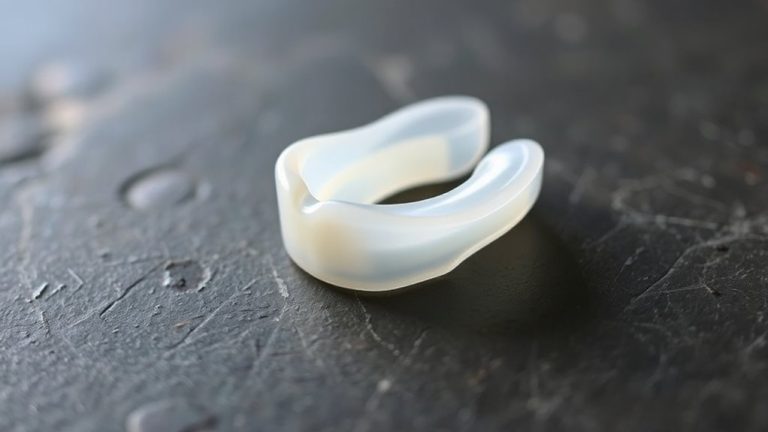
If you use a CPAP machine and wake up with dry, irritated eyes, the Eyeseals 4.0 Sleep Mask – Clear could be the best choice for keeping your eyes moist and comfortable overnight. It creates a sealed, moisture-rich environment that blocks dry air from leaking CPAP airflow, helping with conditions like lagophthalmos or floppy eyelid syndrome. The soft, medical-grade thermal plastic fits snugly over your orbital bones without pressing on your eyes, so you can blink naturally and sleep in any position. Its adjustable microfiber strap guarantees a secure, personalized fit, while the hypoallergenic, latex-free material is safe for sensitive skin. Trusted by over 4,000 eye doctors, it’s part of a clinically backed line made for serious eye care during sleep.
Best For: People who use CPAP machines and suffer from dry eyes, lagophthalmos, or floppy eyelid syndrome, seeking a comfortable, moisture-retaining sleep mask that allows natural blinking and works in any sleep position.
Pros:
- Creates a sealed, moisture-rich environment to prevent dry eyes and block CPAP air leakage
- Contoured medical-grade design fits over orbital bones without eye compression, allowing natural blinking
- Adjustable microfiber strap and hypoallergenic, latex-free materials ensure a secure, skin-safe fit
Cons:
- May feel restrictive for users unaccustomed to wearing sleep masks
- Clear material may show wear or discoloration over time with regular use
- Higher price point compared to standard sleep masks without medical-grade features
6 Pcs Hydrating Dry Eye Sleep Mask

The 6 Pcs Hydrating Dry Eye Sleep Mask works best for CPAP users who struggle with dry, irritated eyes and need consistent moisture retention overnight. It uses sealed chambers to trap moisture, creating a hydrating microclimate around your eyes, eyelids, and skin. The black PVC material blocks light effectively while minimizing air leakage. Adjustable elastic straps guarantee a snug, comfortable fit for all head sizes, staying in place whether you sleep on your back or side. Each pack includes six masks and a soft travel case, making storage and travel easy. While not reusable, their disposability supports hygiene. Slight size and color variations may occur.
Best For: CPAP users seeking overnight relief from dry, irritated eyes with a comfortable, light-blocking sleep mask that maintains a hydrating microclimate.
Pros:
- Features sealed moisture chambers to create a hydrating environment, ideal for dry eye relief
- Adjustable elastic straps ensure a secure, comfortable fit for all head sizes and sleep positions
- Includes 6 disposable masks and a plush travel case for hygiene and on-the-go convenience
Cons:
- Made from PVC, which may not be breathable for all users
- Not reusable, requiring repeated purchases over time
- Slight variations in size and color may occur due to manual measurement and screen display differences
Dry Eye Relief Masks for CPAP Users

Looking for a way to ease dry eyes without disrupting your CPAP therapy, I’ve found masks designed with a moisture chamber goggle system that actively locks in hydration around the eyes, making them ideal for users who struggle with dryness during or after treatment. These come with one mask for daytime use and another for nighttime, so you stay protected no matter the activity. The low-profile build fits smoothly under CPAP gear without leaks or gaps. Soft, hypoallergenic silicone seals gently to your face, while the breathable strap adjusts comfortably. Plus, they’re reusable, easy to clean, and built to last-cutting down waste compared to disposable options.
Best For: CPAP users seeking reliable, reusable dry eye relief that integrates seamlessly with their therapy equipment without compromising comfort or hydration.
Pros:
- Features a moisture chamber goggle design that effectively retains eye hydration day and night
- Low-profile, CPAP-compatible fit ensures no interference with therapy masks or airflow
- Made from soft, hypoallergenic, reusable silicone with an adjustable breathable strap for comfort and sustainability
Cons:
- Limited to users with mild to moderate dry eye symptoms; may not suffice for severe conditions
- Two-mask system may be unnecessary for those only needing nighttime relief
- Requires regular cleaning to maintain hygiene and performance, which may be inconvenient for some
Eyeseals 4.0 Moisturizing Sleep Mask – Charcoal
You get real relief from CPAP-related dry eyes when your sleep mask seals in moisture without pressing on your eyelids, and that’s where the Eyeseals 4.0 Moisturizing Sleep Mask – Charcoal stands out. It creates a gentle seal over your orbital bones, locking in humidity to protect against dry air from CPAP leaks or incomplete eyelid closure. The medical-grade thermal plastic is flexible, latex-free, and safe for sensitive skin. Its soft microfiber headband adjusts easily, staying secure whether you sleep on your side or back. I don’t feel pressure when I blink, which helps me stay comfortable all night. Trusted by over 4,000 eye care professionals, it’s made by EyeEco, a name I recognize from clinic recommendations.
Best For: CPAP users and individuals with dry eye conditions like lagophthalmos or floppy eyelid syndrome who need a comfortable, moisture-sealing sleep mask that doesn’t press on the eyes.
Pros:
- Creates a moisture-rich environment to effectively relieve dry eyes caused by CPAP use or incomplete eyelid closure
- Adjustable soft microfiber headband ensures a secure, comfortable fit for side and back sleepers without eye pressure
- Made from hypoallergenic, latex-free medical-grade material trusted by over 4,000 eye care professionals
Cons:
- Higher price point compared to standard sleep masks may not suit all budgets
- Charcoal version may have a slight odor initially, requiring airing out before use
- May not fit securely for all head sizes despite adjustable strap
Moisture Chamber Glasses for Dry Eyes Relief
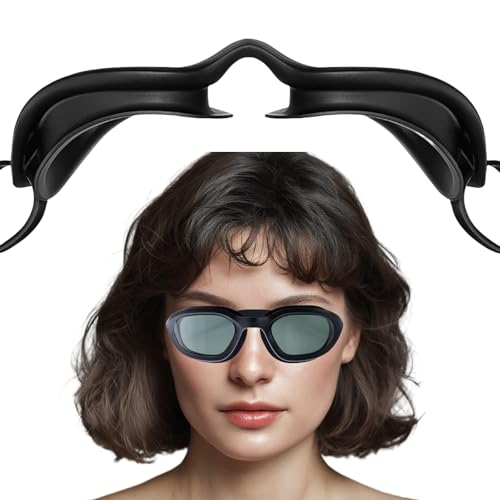
A solid pick for CPAP users with dry eyes, moisture chamber glasses offer a sealed environment that locks in moisture while keeping air from leaking into the eyes during sleep. The 3D contoured shields fit snugly over the eyes, letting me blink freely without smudging makeup or pressing on lashes. Soft TPE frames and anti-fog polycarbonate lenses add comfort and clear vision. Lightweight, adjustable straps stay secure without digging into my ears or leaving marks. I can rinse them quickly after use-no hassle. Plus, with a 90-day return window and a 1-year free replacement from LIZICH US, trying them feels low-risk.
Best For: CPAP users and individuals with dry eyes seeking overnight moisture retention and comfortable, protective eyewear during sleep.
Pros:
- Creates a sealed, moisture-rich environment to effectively relieve dry eyes, especially for CPAP users
- 3D contoured design allows free blinking without lash or makeup contact, with no pressure on the eyes
- Easy to clean, reusable construction with anti-fog lenses and soft, adjustable straps for comfortable, secure wear
Cons:
- May feel bulky for sleepers who prefer minimal eyewear
- Adjustable strap may loosen over time with extended nightly use
- Limited style or lens tint options, primarily designed for function over fashion
Heated Eye Mask for Dry Eyes (Gray)

The Heated Eye Mask for Dry Eyes (Gray) stands out for CPAP users who battle persistent dryness and fatigue, especially after long nights of therapy or screen-heavy days. I appreciate the three heat settings-low, medium, and high-that let me customize relief for dry eyes or muscle tension. The adjustable band fits snugly without pressure, and the even heat helps improve circulation, easing my eye strain. It runs cord-free for about 60 minutes and shuts off automatically, making it safe and travel-friendly. I like having two washable covers for hygiene, and since it’s FSA/HSA-eligible, it supports long-term eye care without hassle.
Best For: CPAP users and individuals experiencing dry eyes, eye strain, or fatigue from prolonged screen use who need customizable, portable, and hygienic heat therapy.
Pros:
- Offers three customizable heat settings for personalized dry eye and tension relief
- Cordless design with 60-minute battery life and auto shut-off for safe, on-the-go use
- Includes two removable, machine-washable covers for easy cleaning and shared use
Cons:
- Heat duration may be insufficient for users needing extended therapy sessions
- Maximum temperature (143.6°F) might feel too warm for sensitive skin
- Charging required between uses limits immediate consecutive sessions
Factors to Consider When Choosing an Eye Mask for CPAP Users
You’ll want to check that your eye mask works with your CPAP mask, so look for a low-profile design that doesn’t interfere with the seal or straps. Good light blockage and a comfortable fit matter most-choose soft, breathable materials that won’t trap moisture or irritate your skin. Some brands offer trial periods or warranties, which can help you test for safety, durability, and performance over time.
Cpap Compatibility
Fit matters most when choosing an eye mask to pair with your CPAP setup. You need a low-profile design that sits tightly over your eyes without bumping into your CPAP mask or tubing. A good seal around your orbital area stops CPAP air from leaking, so your therapy stays effective all night. Pick a mask made from soft, flexible materials-they’ll hug your face comfortably without pressing too hard or shifting your CPAP gear. Adjustable straps let you fine-tune the fit, no matter your head size or sleep position, while keeping your CPAP alignment intact. Make sure the mask lets you blink freely and move your eyes naturally, so you avoid irritation and maintain both seals. Test the mask during a trial period, if available, to confirm it works seamlessly with your CPAP system night after night.
Light Blockage
Darkness isn’t a luxury-it’s a necessity when your sleep depends on uninterrupted cycles. Even small light leaks can suppress melatonin and disrupt REM sleep, so full light blockage is critical. You need a mask that seals tightly around your eyes without interfering with your CPAP. Look for soft, flexible materials that mold to your face, blocking light from the sides, top, and bottom. Contoured, dome-shaped eye chambers help by lifting fabric away from your lashes while maintaining darkness during blinking. A good fit stays secure whether you sleep on your back, side, or stomach, without shifting or creating gaps. These features guarantee consistent blackout performance night after night. Test the mask in your usual sleep position and confirm it doesn’t compromise your CPAP seal-many brands offer trial periods so you can verify effectiveness before committing.
Comfort Fit
A well-designed eye mask starts with how it feels on your face, not just how much light it blocks. You need a low-profile, contoured shape that fits over your CPAP mask without pressing on your eyes or breaking the seal. Look for deep eye cups that dome over your orbital area-this gives room for blinking and keeps your lashes and makeup from smudging. Adjustable straps made of soft, breathable fabric let you customize the fit without squeezing your head or ears. Lightweight, flexible materials like medical-grade silicone or thermoplastic mold gently to your face, reducing pressure and preventing marks. If you move at night, especially as a side sleeper, choose a mask with ergonomic shaping and non-slip details to stay in place.
Material Safety
You’ll want to pay close attention to the materials used in your eye mask, especially since it rests against sensitive skin near your eyes night after night. Choose hypoallergenic, latex-free options to reduce the chance of irritation or allergic reactions over time. Look for medical-grade silicone or soft, breathable fabrics that stay gentle on your skin and resist breaking down with regular use. Avoid materials that trap heat, as they can cause discomfort or affect skin health. Make sure the mask is made without toxic chemicals like phthalates or BPA, especially where it touches your eyelids. Pick a model with washable, durable fabric that holds up well after repeated cleaning. This helps maintain hygiene and guarantees long-term safety. Testing a mask with a trial period lets you check how your skin reacts, giving you peace of mind with nightly wear.
Moisture Retention
Though CPAP therapy keeps your airway open, the airflow can dry out your eyes overnight-especially if you can’t fully close your lids. Moisture-retaining eye masks help by sealing around your eyes to trap natural hydration and limit evaporation from CPAP airflow. They’re built with medical-grade, hypoallergenic materials that form a safe, snug barrier without irritating your skin or leaking air. A proper moisture chamber lets you blink and move your eyes freely while blocking dry external air. This design maintains moisture on your ocular surface and eyelid edges, easing dry eye symptoms. You’ll get the best results when the mask fits well and stays sealed all night. Look for models made specifically for CPAP users, since they’re engineered to handle constant airflow. Some come with trial periods, so you can test comfort and effectiveness risk-free.
Adjustability
Since getting a reliable seal matters just as much as comfort, look for an eye mask with adjustable features that let you fine-tune the fit. Adjustable straps with micro-mechanisms help you secure the mask snugly without pressure, keeping it in place all night. Choose a design with infinitely adjustable headbands so it fits your head shape and size comfortably, reducing tension on sensitive areas. Look for masks that let you reposition the eye cups-this keeps the seal tight and prevents light leaks while avoiding contact with your CPAP tubing. An adjustable distance between cups guarantees they sit right over your orbital bones, which boosts both comfort and performance. Stretchable, low-profile straps adapt as you shift positions, maintaining seal integrity without restricting movement. These adjustments mean fewer nighttime disruptions and a more consistent blackout experience.
Ease Of Cleaning
With regular use, keeping your eye mask clean becomes essential for both hygiene and long-term comfort, especially when used alongside CPAP therapy. Choose masks with removable, machine-washable parts so you can easily maintain cleanliness without damaging the structure. If you opt for silicone models, look for medical-grade material-it resists odors and wear, even with frequent wiping or rinsing. Some masks can go in the washer, but always use a laundry mesh pouch to prevent snags or tears. Non-porous, hypoallergenic fabrics help stop bacterial growth, letting you get by with simple post-use wipes for daily upkeep. After washing, air dry your mask fully; this keeps the material strong and stops moisture from getting trapped in any sealed areas. A well-constructed mask balances easy care with lasting performance, saving you time and supporting consistent sleep hygiene.
Frequently Asked Questions
Can I Wear These Masks With My CPAP Headgear?
Yes, you can wear most sleep masks with your CPAP headgear, as long as they’re designed to fit comfortably around straps. Look for masks with a contoured or low-profile shape that avoid pressure on your forehead or temples. Flexible, adjustable straps help prevent slipping. Try models made with soft, breathable fabric to reduce irritation. Many brands offer trials, so test one to guarantee it doesn’t shift your CPAP seal or cause leaks during the night.
Are These Sleep Masks Machine Washable?
Yes, most of these sleep masks are machine washable, but you’ll want to check the care label first. Some have delicate fabrics or inserts that require gentle cycles or hand washing. Machine washing saves time and keeps the fabric fresh, yet frequent cycles might wear down padding or elastic. For longest life, use a mesh laundry bag and mild detergent. Always air dry to preserve shape and materials. A few models aren’t machine washable, so confirm before tossing in the laundry.
Do Moisture Chamber Glasses Fog up With CPAP Use?
Yes, moisture chamber glasses can fog up with CPAP use, especially if the mask leaks air upward toward the lenses. You can reduce fogging by adjusting the mask fit, using a mask skirt that directs airflow downward, or adding a CPAP mask liner to absorb excess moisture. Some users find relief with anti-fog sprays or by warming the room to reduce condensation. Trying a mask with a vented exhaust positioned away from your face helps, too.
How Do I Clean Hydrating Eye Masks Safely?
You clean hydrating eye masks safely by rinsing them with cool water and mild soap after each use, then air-drying flat to prevent warping. Avoid alcohol, bleach, or hot water-they damage the gel layer. Some brands let you wipe them gently with a damp cloth between deep washes. Always check the manufacturer’s instructions; some aren’t machine-washable. Replace yours if you notice cloudiness, cracks, or irritation, usually every 3–6 months with regular use.
Will the Mask Leave Marks on My Face?
No, a well-fitted mask won’t leave marks if it’s designed with gentle, stretchable materials and a secure but light strap. Look for contoured padding that avoids pressing on your eyelids or cheekbones. Adjustable straps let you find the right fit without tightness. Try models with soft silicone or fabric blends, and check return policies so you can test comfort overnight. Some users notice slight imprinting at first, but it usually fades quickly with proper adjustment.