Best CPAP Nose Pads for a Comfortable, Leak-Free Fit
You’ll get a comfortable, leak-free fit with CPAP nose pads made from soft, hypoallergenic gel or medical-grade polymers that seal well and stay gentle on skin. Look for trim-to-fit designs like the TOMOON 10 Pack, which lasts up to 15 uses and adapts to your mask and face shape. Reusable options need nightly cleaning to maintain adhesion and hygiene, while latex-free, silicone-free materials reduce irritation risk. Some include trial periods, so you can test comfort and seal performance-helping you find the right match with confidence.
We are supported by our audience. When you purchase through links on our site, we may earn an affiliate commission, at no extra cost for you. Learn more. Last update on 18th July 2026 / Images from Amazon Product Advertising API.
Notable Insights
- Choose hypoallergenic, latex-free, and silicone-free pads to minimize skin irritation and allergic reactions.
- Opt for thickened gel or liquid-core padding that cushions the nose bridge and reduces pressure marks.
- Select trim-to-fit designs for a customized fit that enhances seal integrity and prevents air leaks.
- Use reusable pads made from durable, washable materials to maintain adhesion and hygiene over 2–3 weeks.
- Ensure clean, oil-free skin and proper positioning to maximize adhesion and prevent pad shifting overnight.
TOMOON 10 Pack CPAP Nasal Gel Pads
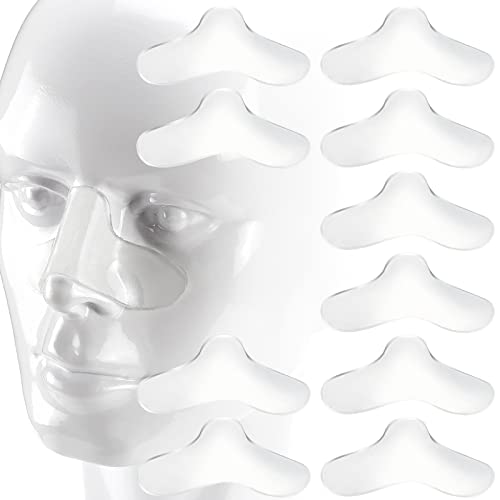
If you’re using a CP-AP mask and notice red marks or soreness on your nose, these TOMOON 10 Pack CPAP Nasal Gel Pads might be a practical upgrade-especially if you value comfort and a secure fit over long-term use. I’ve found they fit most masks well and seal reliably, reducing air leaks. The soft, latex- and silicone-free gel feels gentle, even during extended use, and I can trim them for a custom fit. I wash mine with warm soapy water, which keeps them sticky and clean for about three weeks. Applying them on clean skin helps them stay put. They’re reusable, practical, and easy to maintain, making nightly use more comfortable without irritation.
Best For: People seeking a comfortable, reusable solution to reduce CP-AP mask pressure, redness, and air leaks with a customizable, skin-friendly fit.
Pros:
- Soft, latex-free and silicone-free gel pads reduce skin irritation and prevent soreness
- Trim-to-fit design ensures a secure, universal fit with most CP-AP masks
- Washable and reusable for up to 3 weeks, maintaining adhesion and hygiene
Cons:
- Adhesion may diminish if not cleaned and stored properly
- May require trimming for optimal fit, which could be inconvenient for some users
- Limited lifespan of approximately 3 weeks per pad with regular use
CPAP Nose Pads 5 Pack Reusable
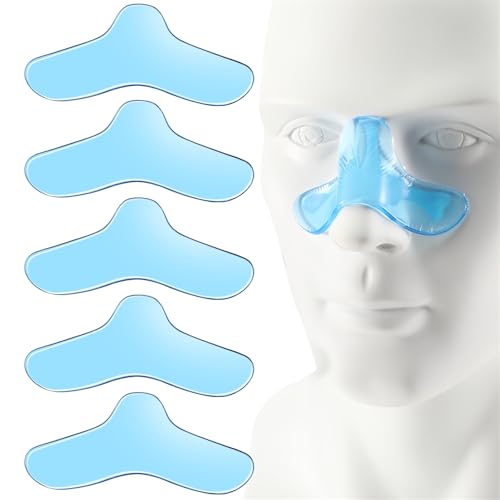
I trust a CPAP setup that stays secure without leaving marks, and these 5-pack reusable nose pads deliver just that for users who value comfort and reliability. Made from soft, premium silicone, they feel gentle on the skin and resist irritation. Each pad fills gaps along the mask edge, improving seal integrity and cutting down on air leaks. They’re washable-just rinse with water after use-and built to last through repeated applications. The set includes five, offering enough for regular rotation. They fit most CPAP masks thanks to their universal design, making swaps easy.
Best For: CPAP users seeking comfortable, reusable nose pads that enhance mask seal and fit with minimal skin irritation.
Pros:
- Made from soft, premium silicone for gentle, irritation-free comfort
- Washable and reusable, offering long-term value with simple maintenance
- Universal fit for most CPAP masks, improving seal integrity and reducing air leaks
Cons:
- May require frequent cleaning to maintain hygiene with daily use
- Silicone material could degrade over time with improper care
- Not guaranteed to fit all CPAP mask models perfectly despite universal design
Impresa Nasal Gel Pads for CPAP

The Impresa Nasal Gel Pads stand out as a solid choice for CPAP users who face skin irritation or pressure marks from nightly mask use. I find they create a soft barrier between my skin and mask, cutting down on redness and soreness. Made from flexible silicone, they’re gentle and won’t stain my skin or gear. I can trim them to fit my mask-whether it’s for an AirSense 11 or another model-so they stay secure all night. Each set comes with five pads, and with proper care, one lasts up to three weeks. I just wash them and my face with warm, soapy water before use to keep them sticky and clean.
Best For: CPAP users seeking relief from skin irritation and pressure marks caused by nightly mask use.
Pros:
- Creates a soft, silicone barrier that reduces redness, soreness, and discomfort
- Trim-to-fit design ensures compatibility with various CPAP masks, including AirSense 11
- Reusable for up to three weeks with proper care, offering cost-effective, long-term use
Cons:
- Adhesive may degrade faster without consistent cleaning before each use
- Requires regular maintenance to maintain hygiene and stickiness
- Limited to nasal mask use and not suitable for full-face CPAP masks
Snugell CPAP Nose Pads (5-Pack)

You’ll find the Snugell CPAP Nose Pads (5-Pack) especially helpful if you wear a CPAP mask nightly and struggle with nose bridge pressure or skin irritation. I use them because they fit most masks and reduce redness while keeping my skin comfortable. Made from natural rubber latex, they’re free of silicone and toxins, which works well for my sensitive skin. Each pad lasts up to 15 uses, so the pack of five covers about 75 nights. I wash them with Snugell Pre-wash solution and warm water after every use to keep them hygienic. They help seal moisture in my skin and improve how my mask feels all night.
Best For: Individuals who wear CPAP masks nightly and experience nose bridge pressure, skin irritation, or dryness, especially those with sensitive skin seeking a reusable, non-toxic comfort solution.
Pros:
- Reduces pressure, red marks, and skin irritation for improved CPAP comfort
- Made from natural rubber latex, free from silicone and toxic substances, ideal for sensitive skin
- Reusable for up to 15 uses per pad, with a 5-pack providing up to 75 nights of use
Cons:
- Requires consistent cleaning with Snugell Pre-wash solution and warm water to maintain hygiene
- May not adhere well for users with oily skin or improper facial cleansing before use
- Contains natural rubber latex, which could trigger allergies in latex-sensitive individuals
Nasal Pads for CPAP Mask (6 Pcs)

Silicone gel nasal pads offer real relief for anyone struggling with mask-related discomfort during CPAP therapy, especially those with sensitive skin or who wear their mask for extended hours. I’ve found these six-pack nasal pads from XIZAO help prevent red marks and sores by adding a soft, protective layer between the mask and nose bridge. Made from gentle silicone gel, they’re safe for frequent use and can be trimmed for a personalized fit. They’re easy to clean with warm, soapy water and hold up well over time. While not mask-specific, their universal design fits most models, improving comfort and stability without compromising seal.
Best For: Individuals using CPAP masks who experience facial discomfort, red marks, or skin irritation, especially those with sensitive skin or who wear their masks for extended periods.
Pros:
- Made from soft, skin-safe silicone gel that helps prevent sores, redness, and pressure marks
- Universal one-size design fits most CPAP masks and can be trimmed for a customized fit
- Reusable and easy to clean with soap and water, offering long-term value
Cons:
- Not specifically designed for any single CPAP mask model, which may affect precise fit
- May shift during sleep if not properly positioned or trimmed
- Effectiveness depends on user maintenance and cleaning routine
Calvana CPAP Nose Pads (10-Pack)

Looking for relief from nightly mask pressure and skin irritation? I’ve found the Calvana CPAP Nose Pads (10-Pack) help reduce redness and discomfort using soft, polymer gel that cushions the nose without sticking to skin. They’re latex-free and silicone-free, gentle on sensitive skin, and last 10–15 days with proper care. The non-adhesive side offers flexibility, while the adhesive side secures to most nasal masks-no hassle. I trim mine slightly for a custom fit, which also boosts the seal and cuts down on air leaks. I wash them with soapy water after each use, and they keep their grip well. They won’t fix a poorly fitting mask, but they do improve comfort and therapy consistency when used right.
Best For: Individuals seeking enhanced comfort and reduced skin irritation from CPAP nasal mask use, especially those with sensitive skin or fit issues.
Pros:
- Soft polymer gel pads reduce pressure, redness, and discomfort while improving mask seal and minimizing air leaks
- Universal, trimmable design with one adhesive side for secure attachment and one non-adhesive side for flexibility
- Reusable for 10–15 days, latex-free, silicone-free, and easy to clean with warm, soapy water
Cons:
- Does not correct fundamental mask fit issues or replace a poorly fitting CPAP mask
- Adhesive may degrade faster without proper cleaning and skin preparation before use
- Limited to nasal mask users; not suitable for full-face or other mask types
10 Pack CPAP Nose Pads Silicone Gel

If you wear a CPAP mask nightly and struggle with pressure marks or discomfort on your nose bridge, these 10-pack silicone gel nose pads offer a practical solution designed for long-term comfort. I’ve found they cushion the contact area well, reducing redness and irritation. The soft, hypoallergenic silicone conforms to my nose shape without sticking too harshly, helping maintain a secure seal and minimizing leaks. They’re reusable, easy to rinse clean, and fit most mask types. I can trim them slightly for a better fit, which boosts stability. These pads improve comfort without sacrificing performance.
Best For: CPAP users seeking enhanced comfort and pressure relief on the nose bridge during nightly therapy.
Pros:
- Effectively reduces pressure marks, redness, and skin irritation with thickened silicone gel padding
- Improves mask seal and minimizes air leaks thanks to flexible, moderately adhesive design
- Reusable, easy to clean, and compatible with most CPAP masks for long-term use
Cons:
- Adhesive may lose stickiness over time with repeated washing
- Trim-to-fit feature requires careful adjustment to avoid compromising seal
- May not fit perfectly on all nose shapes without modification
CPAP Gel Nose Pads 5 Pack

When nightly CPAP therapy leaves pressure marks or discomfort across the bridge of your nose, these gel pads become an essential fix. I use the CPAP Gel Nose Pads 5 Pack to cushion my full-face mask, and they fit most models securely. Made from soft, hypoallergenic silicone, they feel gentle on sensitive skin and help prevent redness or sores. Each pad lasts up to two weeks, so the 5-pack keeps me supplied for over a month. They boost comfort without weakening my mask seal, which means fewer leaks and better sleep. If you wear your mask nightly, these pads offer lasting, quiet relief.
Best For: CPAP users who experience nose bridge discomfort or skin irritation from wearing full face masks nightly.
Pros:
- Provides soft gel cushioning to prevent pressure marks and redness on the nose
- Made from hypoallergenic silicone, ideal for sensitive skin
- Compatible with most full face CPAP masks and maintains a secure seal
Cons:
- Needs replacement every two weeks, requiring ongoing maintenance
- May shift slightly during sleep if not properly positioned
- Limited benefit for users who already have well-fitting, comfortable masks
6-Pack) Calvana CPAP Nose Pads

The 6-Pack) Calvana CPAP Nose Pads are a smart choice for anyone seeking reliable comfort without the hassle of frequent replacements. I find they reduce pressure and prevent red marks, sores, and mask pain, thanks to their soft, gel-based design. They’re latex- and silicone-free, so they’re gentle on sensitive skin, and they fit most CPAP masks securely. Made from flexible, non-staining material, each pad lasts up to 15 uses when I clean them with warm, soapy water after every night. Their consistent adhesion helps maintain a good seal, and since they’re FSA/HSA eligible, I can use my health savings to buy them.
Best For: Individuals seeking comfortable, reusable CPAP nose pads that reduce skin irritation and are compatible with most CPAP masks.
Pros:
- Reduces pressure, redness, and sores with soft, gel-based, latex- and silicone-free material
- Reusable up to 15 times with proper care, offering cost-effective and eco-friendly performance
- FSA/HSA eligible, allowing purchase with health savings accounts
Cons:
- Adhesion may diminish over time if not cleaned properly after each use
- May not fit perfectly on all CPAP mask models despite universal design claims
- Limited durability beyond 15 uses, requiring regular replacement for optimal performance
LiquiCell Shear Point Bandages, CPAP Nasal Pads, Box, 100 Bandages, Small

You’ll find these LiquiCell Shear Point Bandages work best if you wear a CPAP mask nightly and struggle with nose bridge irritation or skin breakdown. I use them because they’re ultra-thin, nearly invisible, and stay in place under my mask without affecting the seal. The liquid core cushions my skin and reduces friction, which helps prevent sores. They’re latex- and mercury-free, with a gentle adhesive that doesn’t sting when removed. I can even check my skin through the transparent pad without pulling it off. Each small bandage fits snugly on the nose bridge, though they work well on ears or heels too. I’ve used mine for months-they come in a box of 100, so they last.
Best For: Individuals who wear CPAP masks nightly and experience nose bridge irritation or skin breakdown due to friction and pressure.
Pros:
- Ultra-thin, transparent design stays in place without compromising CPAP mask seal
- Liquid core effectively reduces shear, friction, and risk of sores while allowing skin monitoring
- Latex- and mercury-free with gentle adhesive that adheres securely yet removes easily without pain
Cons:
- Small size may not cover larger areas of skin irritation or accommodate all facial structures
- Limited reusability-intended for single use, which may increase long-term costs
- Adhesive may loosen with prolonged use or excessive skin oils, requiring frequent replacement
Factors to Consider When Choosing Cpap Nose Pads
You’ll want to check if the nose pads meet material safety standards, especially since they’ll be in direct contact with your skin night after night. If you have sensitive skin, look for options that emphasize skin sensitivity compatibility and are free from latex or harsh adhesives. Consider how long the pads last, how easy they are to clean, and whether they offer custom fit options so you can find a balance between comfort and performance.
Material Safety Standards
Safety starts with what touches your skin-choose CPAP nose pads made from latex-free and silicone-free materials to lower the risk of allergic reactions and irritation. You’re better off with hypoallergenic gel pads built from medical-grade polymers; they’re made for long-term skin contact and reduce the chance of discomfort. Pick non-toxic, skin-friendly options that don’t contain mercury, phthalates, or other harmful chemicals-they help keep your skin healthy night after night. Look for transparent, liquid-filled membranes with gentle adhesives; they block friction and shear without stinging or leaving gunk behind. These materials also resist staining, so you won’t get discolored skin or pillowcases, even with daily use. You want safety and cleanliness over time, not just comfort tonight. Always check product labels for certification details and consider trying pads with a trial period to test material performance safely.
Skin Sensitivity Compatibility
Your skin’s response to CPAP nose pads matters just as much as the seal they create-choose options crafted from hypoallergenic, latex-free, and silicone-free materials to reduce the chance of irritation or allergic reactions. You’ll want pads made with soft, skin-friendly gel or polymer compounds that limit friction and feel gentle during long-term wear. Pick designs that are breathable and non-staining to help prevent redness or breakdown, especially if you use your device nightly. Check that the adhesive is low-irritancy and meant for extended skin contact, so it stays put without causing discomfort. If you have reactive skin, test the pad on a small patch of your face first. This simple step helps confirm compatibility before full use and reduces risks. Prioritizing skin-friendly features means better comfort and fewer interruptions to your sleep routine.
Durability And Longevity
Considering how often you’ll use your CPAP, choosing nose pads built to last makes a real difference in both comfort and value. You’ll typically reuse pads 10 to 15 times, or about three weeks, depending on care and material. High-quality silicone or polymer gel holds up better, keeping its shape and stickiness longer than cheaper alternatives. Thick, reinforced designs resist wear from nightly friction and pressure, so they don’t tear or flatten easily. But your routine matters-oils, lotions, or harsh cleaning can degrade the surface, reducing adhesion and shortening lifespan. To get the most out of your pads, choose washable ones made with abrasion-resistant, durable materials. They’re built for repeated use and maintain performance when cleaned gently with warm, soapy water after each night. That small step helps preserve function and hygiene over time, maximizing both durability and long-term comfort.
Ease Of Maintenance
While a well-fitting seal matters most, how easy your CPAP nose pads are to clean plays a big role in how long they last and how well they work. You’ll want to rinse most reusable pads daily with warm, soapy water to keep them hygienic and maintain adhesion. Some require only water, while others need a pre-wash solution to avoid residue. Cleaning them regularly prevents bacteria buildup and material breakdown, helping the gel stay tacky. Proper washing can stretch their life to 10 days or even 3 weeks. You should also wash your face nightly before use-this keeps oils from weakening the seal. Simple care routines go a long way in preserving performance. Pads that are easier to clean often fit smoothly into your nightly habit, making consistent maintenance more likely and more effective over time.
Custom Fit Options
A good fit starts with adaptability, and many CPAP nose pads offer customizable options to match your unique facial shape. You can trim some pads along marked lines to fit your nose bridge precisely without losing adhesive area. Universal-fit designs adjust to different nose widths and angles, so they work well across varied facial structures. Look for pads with flexible gel layers that respond to mask pressure, keeping the seal snug even if you shift during sleep. Customizable thickness helps prevent gaps, especially if you use higher pressure settings. A proper trim means less slippage and more comfort through the night. These pads often come with trial periods, letting you test the fit risk-free. Check warranty details before buying. When you tailor the pad to your contours, you get a more stable, personalized fit that supports consistent therapy.
Leak Prevention Effectiveness
If you want your CPAP therapy to work as intended, preventing air leaks is key, and the right nose pad makes a real difference. Gel pads with a moderately adhesive surface conform to your nose contours, improving the mask seal and keeping pressure stable throughout the night. Flexible, trim-to-fit designs guarantee full contact along the mask edge, closing gaps that often cause leaks. Thick silicone or polymer gel pads spread pressure evenly across your nose bridge, which helps maintain a tight seal without discomfort. When cleaned with warm, soapy water, reusable pads hold their shape and tackiness, delivering reliable leak prevention over time. Seamless integration between the pad and mask reduces micro-movements, so your seal stays intact even if you shift during sleep. These features work together to support consistent, effective therapy.
Universal Mask Compatibility
Compatibility matters when choosing CPAP nose pads, and universal fit gives you flexibility across mask styles and brands without sacrificing performance. You’ll want pads that work with most masks, so you’re not stuck buying model-specific accessories. Many options feature a trim-to-fit design, letting you adjust the shape for a snug match on different mask frames and nose bridges. Most use a one-size-fits-all approach, shaped to suit a wide range of adult facial structures. Soft silicone or gel materials help the pads conform smoothly to cushion edges and facial curves, boosting seal and comfort. A moderately sticky adhesive holds firm on various mask surfaces, keeping placement reliable whether you use a nasal, hybrid, or full-face setup. That consistency means fewer disruptions and easier shifts if you switch systems.
Adhesive Performance Quality
You’ll get the most out of your CPAP nose pads when the adhesive holds strong through the night, and that starts with smart care and the right material choice. Clean the pads after each use with warm, soapy water to remove oils and debris that weaken stickiness over time. Most high-quality adhesive surfaces last up to 15 uses or about three weeks if cared for properly, depending on the material and environment. The adhesive side bonds securely to your mask frame, while the non-stick side touches your skin-this design balances grip and comfort. Avoid facial oils, lotions, or moisture before applying, since they reduce adhesion. Polymer and silicone gel materials are especially good at keeping tackiness without leaving residue. Proper prep and material matter most for reliable, leak-free wear.
Frequently Asked Questions
How Often Should I Replace My CPAP Nose Pads?
You should replace your CPAP nose pads every three to six months, depending on use and wear. You’ll notice leaks, discomfort, or visible cracks when it’s time. Most manufacturers design them with soft silicone for durability and seal, but oils from your skin break them down over time. Check them monthly. Many brands offer trial periods or warranties, so test early and replace promptly to maintain therapy effectiveness and comfort.
Can I Wash Reusable CPAP Nose Pads?
Yes, you can wash reusable CPAP nose pads. You should clean them gently with mild soap and warm water daily. Rinse thoroughly and air dry away from direct heat. Regular cleaning helps prevent oil buildup and extends their life. Most are made from soft silicone or fabric blends designed for repeated use. Check your device manual-some aren’t dishwasher or machine-wash safe. Replace them if they show wear or lose seal, even with proper care.
Do CPAP Nose Pads Work With All Mask Types?
No, CPAP nose pads don’t work with all mask types. You’ve got to check compatibility with your specific mask model and brand. Most pads are designed for certain frame shapes or cushion styles, like nasal or full-face masks. Generic ones might not seal right or could slip. Always review manufacturer specs before buying. Try ones with a trial period so you can test fit and comfort. A good match improves seal, reduces leaks, and boosts comfort overnight.
Are Gel Pads Better Than Silicone Pads?
Yes, gel pads usually feel softer and conform better to your nose than silicone, reducing pressure points. They’re great if you sleep on your side or move a lot. But gel wears out faster, especially with oily skin. Silicone lasts longer and handles oils well, but it’s firmer and might feel stiff at first. Both work with most masks, so try each under your usual sleep conditions. Check return policies-many brands offer 30-day trials.
Can Nose Pads Cause Skin Allergies?
Yes, nose pads can cause skin allergies, especially if you’re sensitive to materials like silicone or adhesives. You might notice redness, itching, or irritation after use. Hypoallergenic options exist, often made from softer gel or medical-grade silicone. If reactions occur, switch materials promptly and clean the pads daily. Most brands offer trial periods, so test them early. A dermatologist can help identify specific sensitivities.