Best Budget Sleeping Pads for Comfort Under the Stars
You get solid comfort under the stars without overspending by choosing pads like the Wakeman 1-inch foam or Gear Doctors Oxylus 4.3, which balance support, insulation, and durability. Closed-cell foam models weigh little, resist moisture, and need no inflation, while self-inflating pads with R-values near 4.3 keep you warmer in cold weather. Look for textured surfaces, heat-reflective layers, and compact sizing to match your sleep needs-details that make a difference when you’re comparing options side by side.
We are supported by our audience. When you purchase through links on our site, we may earn an affiliate commission, at no extra cost for you. Learn more. Last update on 19th July 2026 / Images from Amazon Product Advertising API.
Notable Insights
- Foam sleeping pads like the Wakeman 1-inch EVA model offer comfort and support for under $50.
- Closed-cell foam pads require no inflation and provide reliable ground insulation for budget campers.
- The Therm-a-Rest Z Lite delivers durable, packable comfort with an R-value of 1.7 for three-season use.
- NBR and EVA foam pads weigh as little as 1 pound and pack small for easy transport.
- Textured, non-slip surfaces on budget foam pads enhance stability and comfort on uneven terrain.
Ultralight Inflatable Camping Sleeping Mat

If you’re a backpacker or hiker who values every ounce in your pack, the Ultralight Inflatable Camping Sleeping Mat is one of the best budget sleeping pads for reducing weight without sacrificing comfort. I’ve used it on multiple overnight trips, and it packs down small-easily fitting into tight spaces. It weighs less than most foam pads and inflates quickly with minimal breaths, thanks to its efficient valve. Made from ripstop nylon, it resists tears and holds up well on rough terrain. At 73.5 x 21.5 inches, it gives me enough room to sleep comfortably, and the padding supports my back nicely. It deflates just as fast, saving time when I’m breaking camp.
Best For: Backpackers and hikers seeking a lightweight, compact sleeping mat that offers reliable comfort and durability without adding bulk to their pack.
Pros:
- Extremely lightweight and packs down small, ideal for minimizing load on long hikes
- Durable ripstop nylon construction resists tears and stands up to rugged terrain
- Quick inflation and deflation with an efficient valve system for easy setup and takedown
Cons:
- May require occasional topping up during the night due to minor air loss
- Less insulation than high-end insulated sleeping pads, limiting cold-weather performance
- Narrow width may feel tight for larger sleepers
Camping Sleeping Pad with Pillow (Green)

This green camping sleeping pad with an integrated pillow stands out for backpackers and campers who want reliable support without the weight or bulk. At 78 x 27 x 8 inches, its 3-inch thickness and egg-shaped air cells give full-body cushioning, easing pressure on your back and neck. The built-in pillow cradles your head nicely, especially if you sleep on your side. I can inflate it in under a minute using the foot pump-no mouth breaths needed-and it deflates just as fast. Made from 40D nylon with a TPU coating, it resists tears, moisture, and dirt.
Best For: Backpackers and campers seeking a lightweight, compact sleeping pad with integrated pillow and quick inflation for comfortable outdoor sleep.
Pros:
- Built-in foot pump allows fast inflation in under a minute without needing a mouth or external pump
- 3-inch thickness with egg-shaped air cells provides excellent full-body support and pressure relief
- Ultra-lightweight and packable design makes it easy to carry for hiking, camping, and travel
Cons:
- Limited color options may not appeal to all users despite dual-color design
- Integrated pillow may not suit those who prefer adjustable or removable pillow options
- TPU coating, while durable, may retain odors over time with frequent use
Wakeman Foam Sleeping Pad for Camping
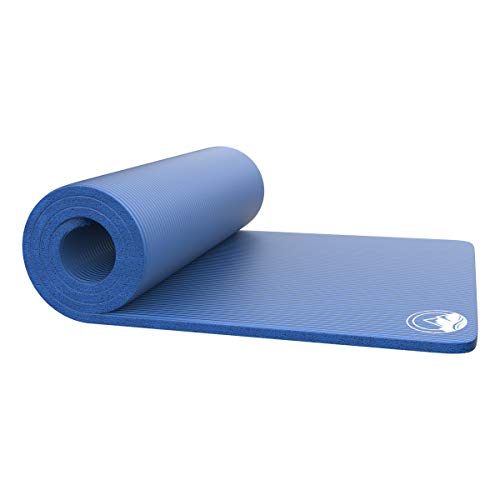
You’ll find the Wakeman Foam Sleeping Pad ideal if you need a dependable, no-frills sleep solution that balances comfort and affordability, especially for car camping or occasional indoor use. I use the 76” x 25” pad on cots, floors, or in tents, and it supports my body well with 1.25-inch NBR foam. The textured surface keeps me from slipping, and the waterproof material blocks ground dampness. At 5 pounds, it’s easy to carry, rolls down small, and includes a strap. It works as a guest bed, gym mat, or topper. Don’t expect ultralight performance, but for value, it lasts. Genuine Wakeman product (ASIN: B07XZT797H).
Best For: Car campers, occasional indoor guests, and budget-conscious outdoor enthusiasts seeking a durable, comfortable foam sleeping pad with reliable ground insulation.
Pros:
- Durable 1.25-inch NBR foam provides excellent support and insulation with a non-slip textured surface
- Waterproof and versatile-ideal for cots, tents, RVs, gym use, or as a mattress topper
- Compact and portable with a carry strap; rolls down to 11” diameter and weighs only 5 pounds
Cons:
- Heavier and bulkier than inflatable options, making it less suitable for backpacking
- Limited thickness compared to high-end sleeping pads for extreme cold
- Basic design lacks advanced features like self-inflation or compression sacks
Gear Doctors Oxylus 4.3 Self-Inflating Sleeping Pad
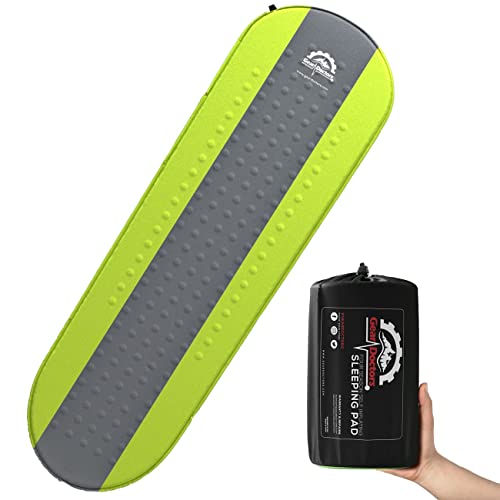
The Gear Doctors Oxylus 4.3 Self-Inflating Sleeping Pad stands out as a solid choice for backpackers and car campers who need reliable warmth without the high price tag. I’ve found its 4.3 R-value delivers consistent insulation in cold conditions, while the 1.5-inch thick air-foam hybrid core cushions rough terrain. It self-inflates in under five minutes, and I can tweak firmness with a few breaths. The 75D polyester shell resists abrasion, moisture, and UV wear, and it packs down to 8 x 12 inches. Weighing just 2.2 pounds, it supports up to 250 pounds and comes with a carry bag, repair patch, and lifetime replacement guarantee-making it a dependable, long-term sleep solution.
Best For: Backpackers and car campers seeking a durable, warm, and lightweight sleeping pad with reliable insulation and long-term value.
Pros:
- 4.3 R-value provides excellent thermal performance for cold-weather camping
- Lightweight at 2.2 pounds and packs down compactly for easy transport
- Durable 75D polyester shell and lifetime replacement guarantee ensure long-term reliability
Cons:
- 1.5-inch thickness offers moderate cushioning, which may not suit side sleepers on rocky ground
- Self-inflation can be slow in very cold temperatures or at high altitudes
- Limited width (22 inches) may feel narrow for some users
Ultralight Foam Sleeping Pad for Camping

An ultralight foam sleeping pad is a solid pick for backpackers and hikers who need dependable insulation and minimal weight without sacrificing comfort. I rely on mine because it’s made of XPE closed-cell foam with a heat-reflective aluminum layer, offering a tested insulation rating of 2.1. It weighs just 0.7 lbs and folds down to 23.6 x 5.6 x 4.9 inches, so it’s easy to carry. The ergonomic nodes support my back and nest neatly when folded. Unlike air pads, it won’t deflate. It also blocks moisture and retains heat, making it reliable on damp ground or cold nights.
Best For: Backpackers, hikers, and mountaineers seeking a lightweight, durable, and reliable sleeping pad with excellent insulation and no risk of deflation.
Pros:
- Ultralight at only 0.7 lbs and compact when folded, making it ideal for weight-conscious travelers
- Durable XPE closed-cell foam with heat-reflective aluminum layer provides reliable insulation (R-value 2.1) and moisture protection
- Ergonomic node design offers solid back support and nests efficiently for easy packing
Cons:
- Less cushioning compared to inflatable sleeping pads, which may affect comfort on rough terrain
- Limited adjustability-cannot customize firmness like air pads
- Bulkier than inflatable options when packed, taking up more space in a backpack
Foam Camping Pad for Hiking & Backpacking

If you’re a backpacker who values reliability and minimalism without sacrificing comfort, a foam camping pad might be your best bet for restful sleep on the trail. I rely on its peanut shape and accordion-style folding because the peaks and valleys support my body evenly, while letting me pack it small. Made from lightweight IXPE closed-cell foam, it cushions pressure points and won’t deflate like air pads. It blocks moisture from the ground, so I stay dry even on damp soil. I’ve used mine as a seat pad, picnic mat, or underlayment-versatile and tough.
Best For: Backpackers and minimalist outdoor enthusiasts who prioritize reliable, lightweight comfort and moisture protection in all sleeping positions.
Pros:
- Lightweight IXPE closed-cell foam provides durable support and resists deflation
- Peanut shape with accordion fold offers compact packing and full-body cushioning
- Versatile use as a sleeping pad, seat cushion, picnic mat, or underlayment for inflatable mattresses
Cons:
- Less plush comfort compared to high-end air mattresses
- Can retain heat in warmer weather due to foam insulation
- Bulkier to pack than inflatable pads, though still compact
Therm-a-Rest Z Lite Original Camping and Backpacking Sleeping Pad
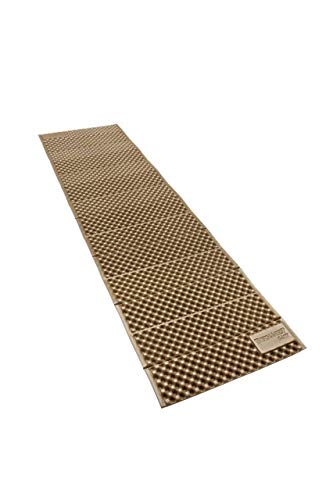
When every ounce counts but you still need reliable insulation from the cold ground, the Therm-a-Rest Z Lite Original delivers with a smart design that balances weight, warmth, and durability. I’ve used it on long backpacking trips and found the 14-ounce weight easy to carry. Its 72 x 20-inch surface folds down to 20 x 5 x 5.5 inches, thanks to an accordion-style build. Dimpled foam traps heat, giving it an R-Value of 1.7-solid for three-season use. Softer top foam boosts comfort, while denser bottom foam resists wear and insulates well. It’s not plush, but it’s dependable, packable, and built to last, especially since it’s made in the USA.
Best For: Backpackers and outdoor enthusiasts who prioritize lightweight, durable, and packable sleep solutions for three-season adventures.
Pros:
- Lightweight at only 14 ounces, ideal for backpacking and long hikes
- Accordion-fold design packs down small and is easy to attach to packs
- Reliable R-Value of 1.7 provides effective insulation for cold-weather use
Cons:
- Minimal cushioning compared to air or self-inflating pads
- Can feel stiff or less comfortable for side sleepers
- Foam material may degrade over time with heavy use and abrasion
Wakeman Foam Sleeping Pad 1-Inch Lightweight
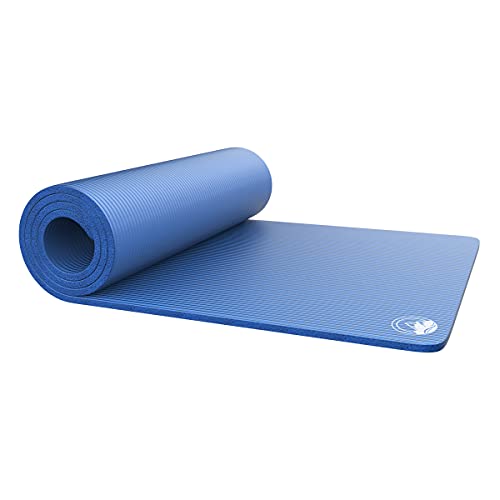
You’ll find the Wakeman Foam Sleeping Pad 1-Inch Lightweight a solid choice if you’re a budget-conscious camper, hiker, or occasional outdoor sleeper who needs reliable ground protection without extra weight. I rely on its ½-inch thick, high-density EVA foam to insulate me from cold, damp ground, and the waterproof material keeps me dry. Its non-slip textured surface offers stability, while the carrying handle makes transport easy. At just one pound, it’s light, and though it rolls compactly, it doesn’t compress like inflatable pads. It works well for camping, cots, or even yoga. I appreciate the 30-day warranty, which gives me some confidence in its durability.
Best For: Budget-conscious campers, hikers, and occasional outdoor enthusiasts seeking a lightweight, durable sleeping pad with basic ground insulation and comfort.
Pros:
- Lightweight at just 1 pound, making it easy to carry for backpacking and travel
- Waterproof and non-slip textured surface provides moisture resistance and stability on various surfaces
- Durable high-density EVA foam offers reliable insulation from cold, wet ground and doubles as a yoga or sleepover mat
Cons:
- Only ½-inch thick, offering minimal cushioning compared to thicker or inflatable pads
- Does not compress or pack down as small as inflatable or closed-cell foam alternatives
- Limited warranty of only 30 days, suggesting minimal long-term durability assurance
HiiPeak Ultralight Inflatable Sleeping Pad with Pillow
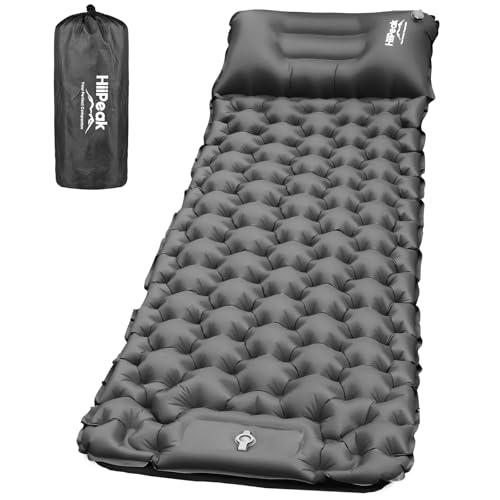
One standout pick among budget sleeping pads is the HiiPeak Ultralight Inflatable Sleeping Pad with Pillow, especially if you need dependable comfort without extra weight. I’ve found its 3-inch thickness and hexagon-shaped air cells relieve pressure well, whether I’m sleeping on my side or back. The built-in pillow helps reduce neck strain, and at just 2.05 lbs, it’s easy to carry. I can inflate it in about 30 seconds using the foot pump-no extra gear needed. Its 20D/50D nylon construction with TPU coating resists tears and moisture, and I can pair it with other pads using the side connectors for larger setups.
Best For: Budget-conscious backpackers and campers who want a lightweight, comfortable sleeping pad with a built-in pillow and easy inflation.
Pros:
- 3-inch thickness and hexagon air cells provide excellent pressure relief for side and back sleepers
- Integrated foot pump allows quick, tool-free inflation in about 30 seconds
- Durable 20D/50D nylon with TPU coating offers tear resistance and moisture protection
Cons:
- May not provide enough insulation for cold-weather camping without additional underpadding
- Built-in pillow is not adjustable for different sleeping preferences
- Connection buttons for pairing pads may not align perfectly with other brands
Foam Camping Pad for Ultralight Backpacking

If you’re counting every ounce on a long thru-hike, this foam camping pad makes a smart choice for ultralight backpacking without sacrificing essential insulation. I’ve used the two included XPE closed-cell foam mats back-to-back for extra cushion, and they weigh just 455 grams total. The heat-reflective aluminum layer on the back helps retain warmth, with a tested insulation rating of 2.1-ideal for three-season use. They’re waterproof, won’t absorb moisture, and pack down to a compact 23.6×5.5×5.5 inches. I’ve carried them clipped to my pack without issue, and they’ve stayed durable over rocky terrain.
Best For: Ultralight backpackers and thru-hikers who prioritize minimal weight and reliable insulation in a durable, packable sleeping pad.
Pros:
- Exceptionally lightweight at only 455 grams for two mats, ideal for ounce-conscious backpackers
- Features a heat-reflective aluminum layer with a 2.1 insulation rating for effective warmth retention in three-season conditions
- Waterproof, moisture-proof, and highly durable, maintaining performance over rugged terrain
Cons:
- Limited cushioning compared to air mattresses, which may be uncomfortable for side sleepers
- Foldable design is compact but bulkier than inflatable options when packed
- Fixed insulation level may not suffice for extreme cold-weather camping
Factors to Consider When Choosing Budget Sleeping Pads
You’ll want to weigh how light and packable a pad is, especially if you’re hiking long distances or tight on space. Look for durable materials and reliable insulation, since those affect how well you sleep in cooler weather and how long the pad will last. Comfort and ease of setup matter too-test how firm it feels and check if the brand offers a trial period to make sure it suits your needs.
Weight And Portability
While comfort matters, how much your sleeping pad weighs and how easily it packs down can make a real difference when you’re hiking long distances or tight on space. Most lightweight pads come in under 2 pounds, so they won’t slow you down. Some pack down to just 8 x 12 inches, slipping easily into your backpack. If you want the lightest option, closed-cell foam pads often weigh under 1 pound and never deflate. For more cushion without adding much weight, inflatable models around 2 pounds give you up to 3 inches of support. They roll or fold tightly and often include stuff sacks or straps so you can attach them securely. These designs save space and make carrying simpler. A compact, lightweight pad means less strain on your body, helping you rest better after a long day on the trail.
Material Durability
Lightweight and compact designs help you move easier on the trail, but the materials your sleeping pad is made from determine how well it holds up over time. You’ll want durable 40D to 75D nylon or polyester with TPU coatings-they resist punctures, tears, and moisture in tough conditions. Higher denier fabrics, like 75D, offer better abrasion resistance, especially on rocky ground. Closed-cell foam pads made of XPE or IXPE won’t deflate and keep their shape trip after trip. Some pads use multi-layer builds with heat-reflective films that add strength and moisture resistance. Reinforced surfaces with non-slip textures reduce wear from shifting at night. These features help your pad survive frequent use without failing. When shopping, check for sturdy face fabrics and reinforced high-wear zones. A solid build means fewer repairs and longer service life, giving you reliable support without constant replacements.
Insulation Performance
When it comes to staying warm on cold ground, the insulation performance of your sleeping pad plays a key role in how well you sleep through the night. You’ll want to check the R-value, which measures thermal resistance-higher numbers like 4.3 work well in winter, while 1.7 suits warmer trips. Closed-cell foam pads usually offer R-values between 1.5 and 2.5, making them reliable for three-season use without adding bulk. Air pads with insulated chambers or foam cores can exceed R-4, cutting convective heat loss in cold weather. Some models include reflective aluminum layers that bounce body heat back to you, boosting warmth without extra thickness. Dual-layer designs, with firm foam below and soft foam on top, reduce heat transfer to the ground. These features help you stay comfortable without overspending.
Comfort Design
A good night’s sleep outdoors depends not just on warmth but also on how well your sleeping pad supports your body. Look for a pad with 1.25 to 3 inches of thickness-more cushioning helps on rocky or uneven ground. Thicker pads reduce pressure points, especially if you’re a side sleeper. Ergonomic designs like contoured shapes, egg-crate cells, or raised nodes evenly spread your weight, easing strain on shoulders and hips. Some budget pads include built-in pillows or shaped head zones, which help align your neck and improve comfort. Textured or non-slip tops keep you from sliding, so you stay in place all night. Closed-cell foam pads with dimpled or accordion structures offer firm, consistent support while resisting wear. These features boost comfort without raising the price, letting you choose a pad that supports restful sleep, night after night.
Setup Ease
How quickly can you go from packed up to ready to rest? Closed-cell foam pads are your fastest option-just unroll and lie down, no inflation needed. Self-inflating pads take 3 to 5 minutes to expand on their own, but you’ll usually add a few breaths through the valve for your preferred firmness. If speed matters more, air pads with built-in foot pumps fill completely in 30 to 60 seconds, so you avoid mouth inflation or extra gear. Dual-layer valves make the process smoother-air flows in easily but won’t escape until you open the second valve, letting you deflate in under 5 seconds. Hexagonal or egg-shaped air cells help spread air evenly, reducing over-inflation risks and simplifying setup. Consider how much time and effort you want to spend-some trade-offs in comfort or packed size come with easier, faster inflation. Choose based on your routine and tolerance for setup steps.
Packed Size
One key factor that directly impacts your backpack’s available space is the packed size of your sleeping pad. You’ll find budget options ranging from 8 x 12 inches to over 25 inches long, so check your pack’s compartment dimensions first. Inflatable pads usually pack smallest-some as compact as 11 x 3.9 inches-making them easy to strap on or stow inside. Self-inflating models tend to be bulkier, typically 9 to 12 inches in diameter and 18 to 20 inches long, with a firm cylindrical shape. Foam pads don’t compress much, but they fold into a dense 20 x 5 x 5.5-inch block that fits tight spaces. If you’re tight on room, go for a pad that rolls or packs flatter. Always compare the pad’s packed size to your backpack’s storage capacity to avoid last-minute adjustments.
Frequently Asked Questions
Can I Use a Sleeping Pad in Extreme Cold?
Yes, you can use a sleeping pad in extreme cold, but only if it’s designed for it. You’ll need a high R-value-typically 5 or higher-to block freezing ground temperatures. Look for insulated pads with foam or sealed gas layers; they trap heat better. Some budget models offer decent warmth, but check lab-tested ratings. Always pair with a cold-rated sleeping bag. Test the setup at home first to avoid surprises in the field.
How Do I Repair a Punctured Inflatable Sleeping Pad?
You fix a punctured inflatable sleeping pad by first finding the leak-submerge it in water and look for bubbles. Dry the area, then clean it with alcohol. Apply a patch from a repair kit using adhesive made for your pad’s material. Press firmly and let it cure. Most brands offer warranties or sell replacement parts, so check before tossing it. Always test inflate before relying on it again.
Are Foam Sleeping Pads Machine Washable?
No, you shouldn’t machine wash foam sleeping pads. The agitation can tear the open-cell foam and ruin its structure. Instead, wipe it down with a damp cloth and mild soap. Rinse quickly with water, then air dry flat away from direct heat. If it’s closed-cell, avoid submerging it long. Regular cleaning keeps odors and grime low. Some models resist mildew better, so check manufacturer care. Spot clean only-never use bleach or harsh chemicals.
Do Sleeping Pads Lose Insulation Over Time?
Yes, sleeping pads can lose insulation over time, especially if punctured or compressed long-term. Air pads may lose loft as the internal fabric bonding wears, reducing warmth. Foam pads resist this better but can break down with heavy use. You’ll notice colder sleep on chilly nights if insulation degrades. Check manufacturer warranties-many offer repairs or replacements. Test your pad in cool conditions periodically to assess performance, and consider a pad’s durability when choosing.
Can I Share an Inflatable Sleeping Pad With a Partner?
You can share an inflatable sleeping pad with a partner, but it’s not ideal. Most pads aren’t wide enough, so you’ll both end up partially on the ground. Side-sleepers may lose insulation where bodies compress the pad. Some brands make double-wide models, but they’re heavier and cost more. Check return policies-test at home first. If you’re backpacking, two pads let you adjust for different comfort needs and reduce warmth loss.